
دلیل کشیدن دندان در ارتودنسی
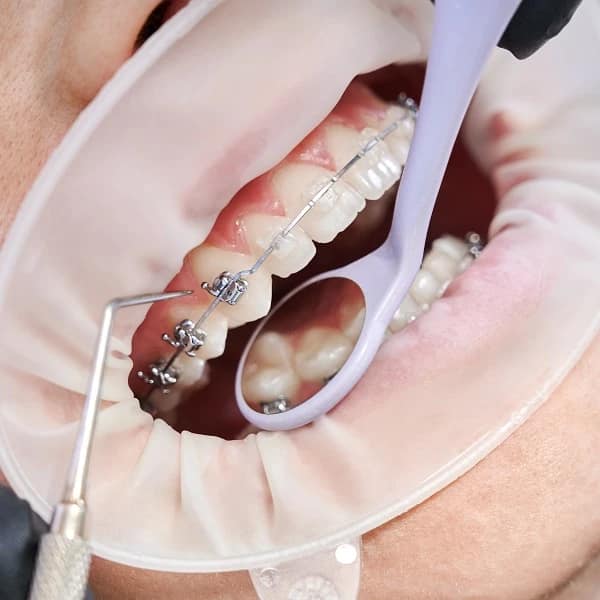
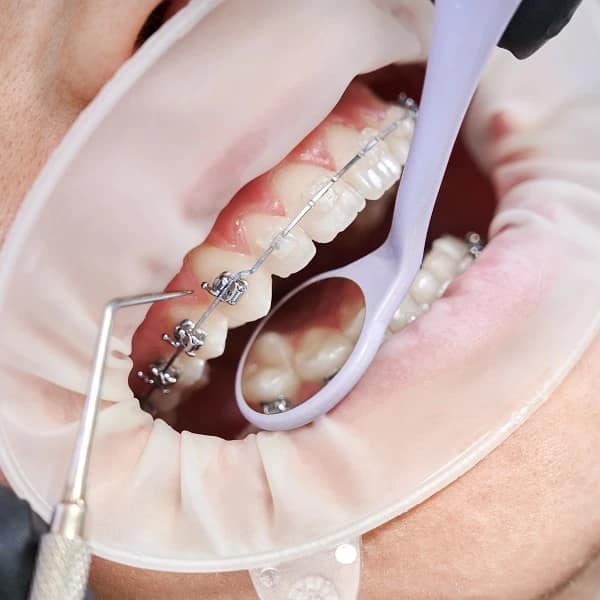
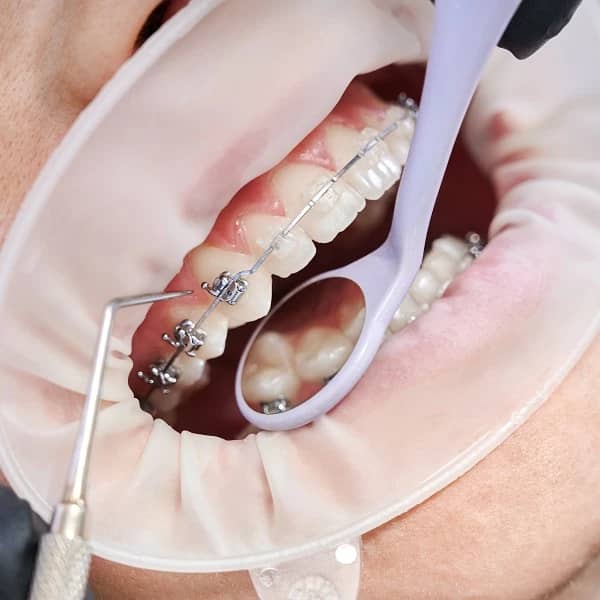
در برخی موارد، برای رسیدن به نتیجه مطلوب در ارتودنسی، لازم است از گزینه کشیدن دندان در ارتودنسی و فضای خالی آنها را با حرکت دندانهای دیگر پر کنیم. This procedure is known as tooth extraction or tooth extraction and is performed in cases where the jaw is narrow, the teeth are large or spaced apart, twisted or too forward. In this article, we will examine the reasons and methods of tooth extraction in orthodontics.
There are many reasons why an orthodontist may recommend pulling a tooth for orthodontic treatment. Some common reasons include:
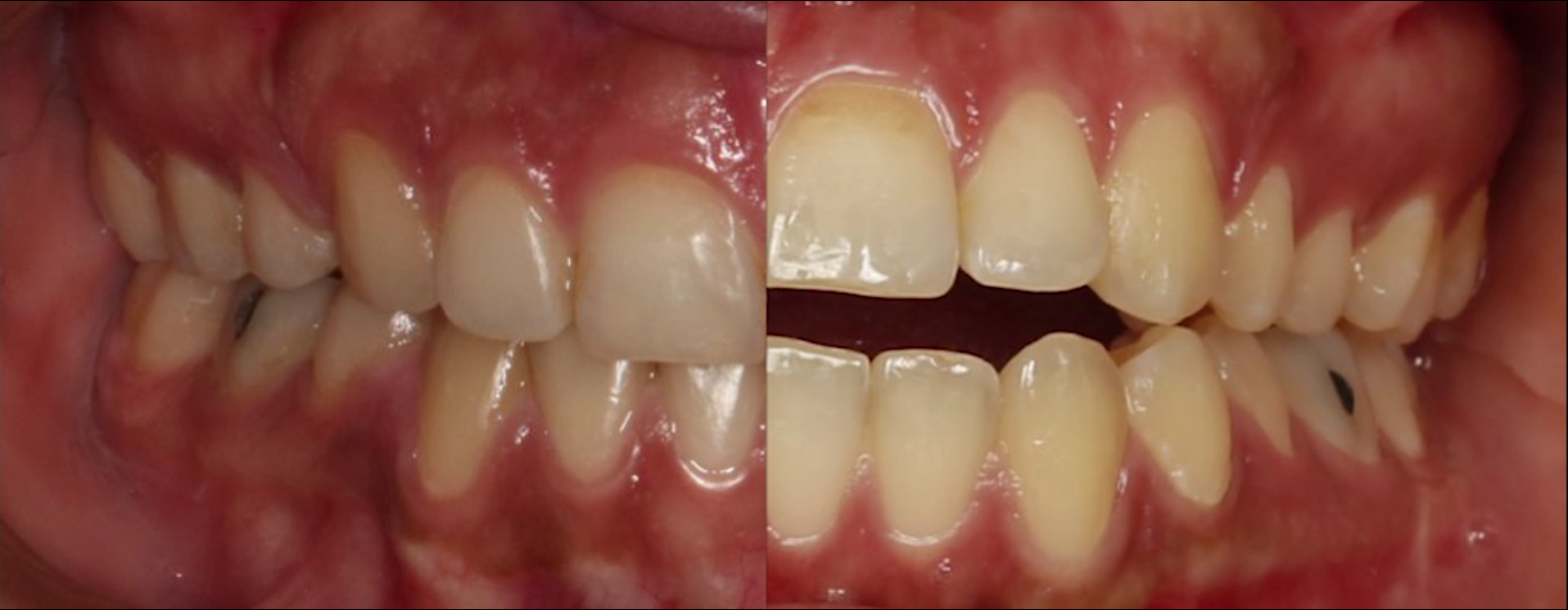
- Crowding of teeth: If there is not enough space in the mouth for all the teeth, it may be necessary to pull teeth to make more room. This allows the teeth to line up properly and improve your bite.
- Crooked or misaligned teeth: If your teeth are crooked or misaligned, you may need to have teeth pulled to create more space and align your teeth. This will help improve the appearance of your smile. Impacted teeth: If your wisdom teeth are impacted, they may need to be extracted to prevent health problems such as gum infection or damage to nearby teeth.
- Improper bite: If you have an improper bite, you may need to have teeth removed to improve your bite. This helps to improve chewing performance and reduce the risk of oral health problems.
- Sufficient space to move the teeth: Sometimes the space in the jaw is not enough to move the teeth to the correct position and causes interference and crowding of the teeth. In this case, it is necessary to pull some teeth, usually the wisdom teeth or the fourth premolar, to provide the necessary space for the teeth to move.
- Face and smile harmony: Sometimes the shape and size of the jaw does not agree with the person's face and causes beauty problems such as prominent or receding chin, wide or narrow lips, higher or lower smile than normal, etc. In this case, it is necessary to pull some visible teeth, usually the second premolar, so that by changing the angle and direction of the orthodontic device, the person's face and smile will be in harmony.
- Gum and bone health: Sometimes due to infection, inflammation, accidents, falls or other factors, the health of the gums and jaw bone is damaged and weakens the support of the teeth. In this case, it is necessary to extract some damaged or weak teeth in order to prevent the progression of the disease and maintain the health of the remaining teeth.
Ultimately, the decision of whether or not to pull a tooth for orthodontic treatment is up to you and your orthodontist. They can weigh the pros and cons of tooth extraction and decide if this treatment is right for you.
Orthodontic treatment What are the advantages and disadvantages?
Tooth extraction in orthodontic treatment has the following benefits:
- Sufficient space to move the teeth to the correct and optimal position
- More harmony of the face and smile according to the shape and size of the jaw
- reducing the risk of infection, inflammation and gum and bone disease
- Decreasing the duration of orthodontic treatment
 >
>- Using alternative methods: To prevent tooth extraction in orthodontic treatment, alternative methods can be used such as using space-creating devices, using palatal tubes, using the highest Propel adhesives, using jaw surgery or gum surgery, etc. Of course, it should be noted that each of these methods has its own conditions, costs, and complications, and the most appropriate method should be chosen in consultation with a dentist.
- Creating more space for neat teeth
- Correction of problems such as crooked teeth, asymmetric jaw and bite problems
- Improving chewing performance
- improving the appearance of teeth
- Increasing self-confidence