The difference between fixed prosthesis and implant Which method is better? - Center for Gum and Implant Surgery, Dr. Affir and Dr. Shanae

Dr. Mohammad Hossein confirmed
KarajSpecialist in gum surgery - implant
List of articles
Have you ever been confused between the difference between fixed prosthesis and implant and you don't know which method is better to replace your missing tooth? Many patients have doubts right at this stage of decision making. The appearance of both treatments may seem similar, but the difference in structure, durability, and post-treatment comfort makes the end result completely different.
Actually, the answer to the question whether dental implant is better or dental prosthesis depends on the correct understanding of your individual needs and differences.
In this article, we will scientifically and understandably examine the advantages and limitations of each of these methods so that you can make an informed choice and choose a treatment that will bring you the best results both in terms of durability and beauty, and in terms of oral and jaw health.
This article has been compiled under the scientific supervision of Dr. Mohammad Hossein Farish and Dr. Fereshte Shanae, specialists in gum and implant surgery. The content of this article is educational and is not a substitute for a specialist doctor's visit. Contact the best periodontist and implant specialist in Karaj for advice and to choose the best novel method.
Difference between fixed prosthesis and implant in terms of structure and function
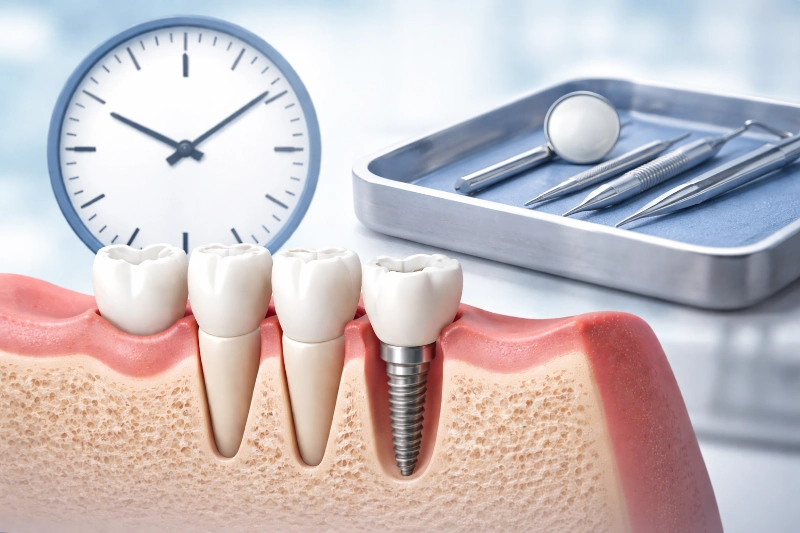
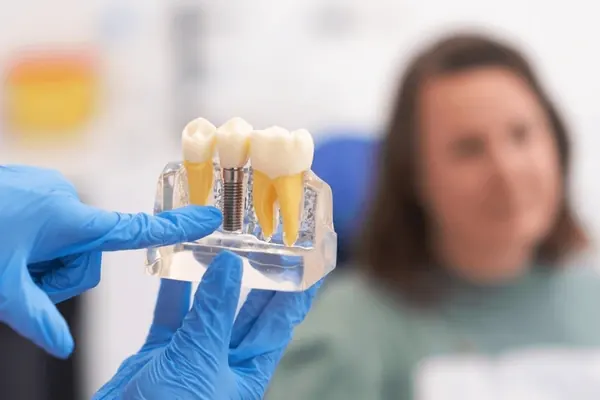
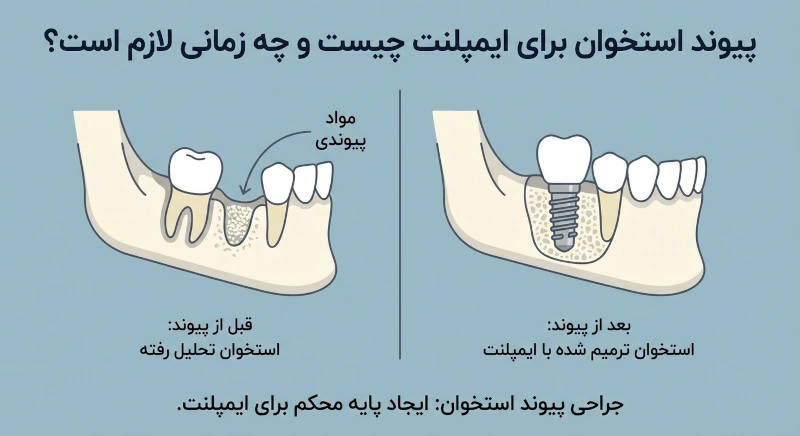
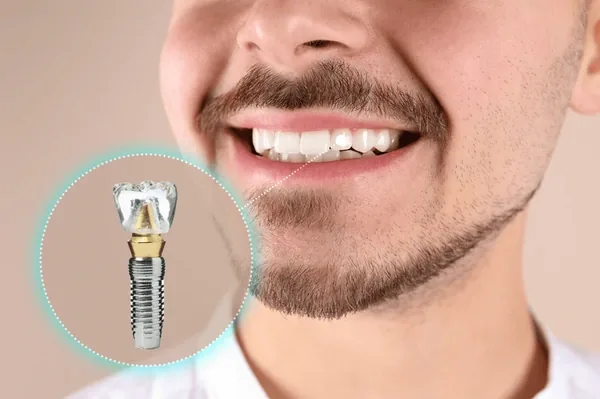
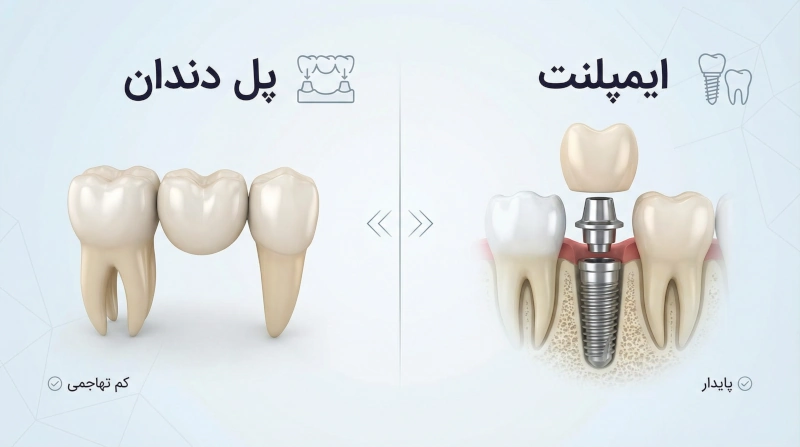
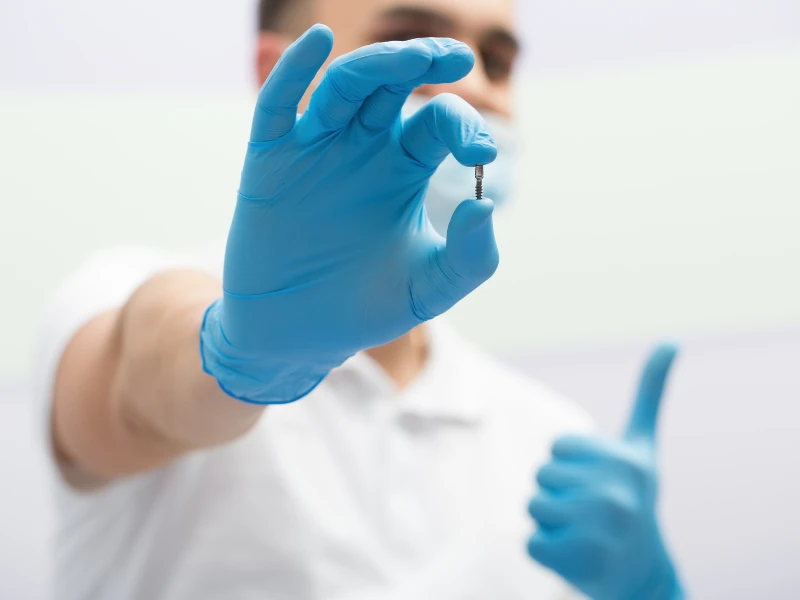
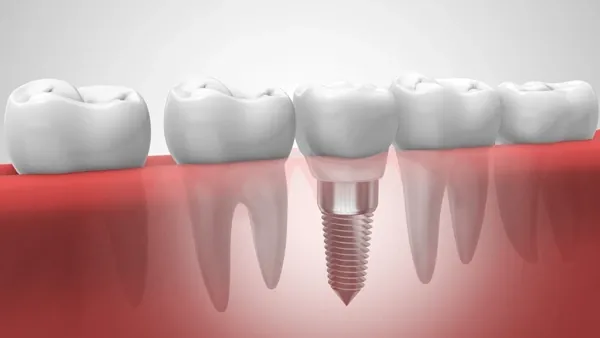
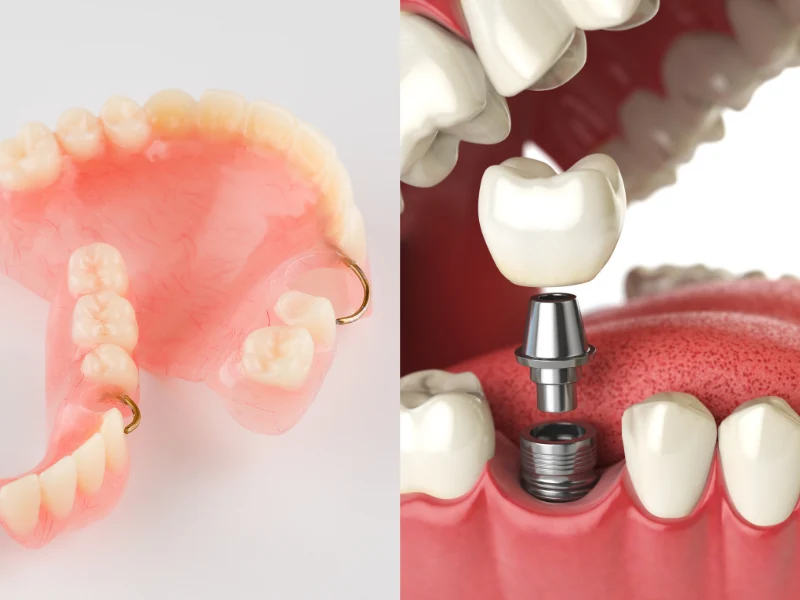
When it comes to replacing missing teeth, understanding the difference between a fixed prosthesis and an implant in terms of structure is the first step to making the right choice. In the implant method, a titanium base is placed in the jawbone, which plays the role of a natural tooth root, and the tooth crown is installed on it.
However, in the fixed prosthesis method, the artificial teeth are placed on the adjacent teeth or on the gum and do not have a base inside the bone. Simply put, the implant becomes a part of your body, while the prosthesis is only placed on the surface of the gum and does not have a permanent connection with the bone.
In terms of performance, the difference between fixed prosthesis and implant is very noticeable. The implant transmits chewing pressure to the bone like a natural tooth and prevents gum and jaw erosion, but the prosthesis only simulates the appearance of the tooth and is less strong. For this reason, in the difference between implant and dental prosthesis, it can be said that implant is far superior to prosthesis in terms of performance, durability and natural feeling.
- Implant: with a titanium root, fixed, lasting and similar to a natural tooth
- Fixed prostheses: rootless, relying on side teeth or gums, with the possibility of loosening over time
The difference between prosthetics and implants in terms of beauty, durability and comfort
When it comes to the natural look and feel of teeth, knowing the difference between dentures and implants is very important. Many people do not know when deciding whether dental implants or dentures are better, but the fact is that both methods have significant differences in aesthetics, durability and comfort. In the following, we will examine all three cases in simple language so that you can make an informed decision.
Esthetically: the implant looks more natural
The implant is implanted exactly in the jaw bone and its crown is designed like a natural tooth, so it looks completely natural and is in harmony with the rest of the teeth. But the prosthesis is usually more artificial and may change its color or form over time.
In terms of durability: the prosthesis has a limited life
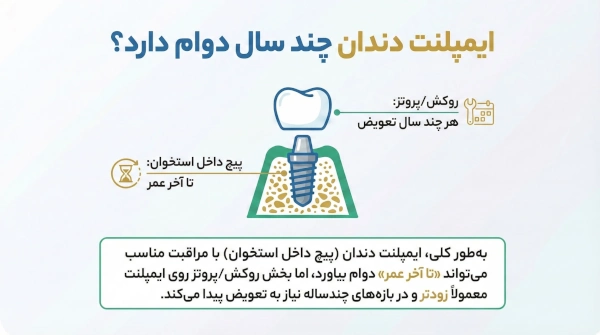
Implants can last up to 20 years or more, while dentures usually need to be replaced every 5 to 7 years. The reason is that the implant is welded to the jawbone and has a fixed base, but the prosthesis may become loose over time.
In terms of comfort: the implant feels like a real tooth
Due to the direct connection to the jaw, the implant creates a more natural sensation when eating, talking or smiling. But the prosthesis, especially in the back of the mouth, may move a little while chewing or cause gingivitis.
The difference between dental implants and fixed prostheses in terms of cost and durability

In many cases, the question arises: Are implants more expensive? Or in simpler words, what is the difference between dental implants and fixed prostheses in terms of cost? International studies show that the initial cost of an implant is usually higher than a fixed prosthesis; For example, cost-effectiveness analysis has shown that the total cost is greater during the appropriate time period for the implant. (ScienceDirect)
However, if the question is "dental implant or dental prosthesis is better", it should be said that the long-term view changes the result: although the cost of the prosthesis today is lower, over time it may need to be replaced or repaired, which entails recurring costs.
In terms of durability, there are also important points: studies have shown that compared to fixed prosthesis, implant implantation is more durable; In a 5-year study, the survival rate of fixed tooth-supported prostheses was about 85%, while it was reported to be about 93% for implant-supported prostheses. (jccpractice.com)
Therefore, the difference between an implant and a dental prosthesis is significant from a longevity perspective: implant longevity may last more than 20 years or more, while a fixed prosthesis may need revision or replacement every 5-10 years. This means that if you are looking for a long-term and durable solution, implant implantation is a very significant option.
last word; Which method is a better choice?
If you don't know whether dental implant is better or dental prosthesis, we have to say that the choice of each of these methods depends on the health status of your jaw, gums, and your budget. However, in terms of durability, beauty and natural function, the implant has a more permanent result in most patients and significantly improves the quality of life.
In short, the difference between a fixed prosthesis and an implant is that the implant plays the role of the real root of the tooth and prevents bone loss, while the prosthesis is only a replacement for the appearance of the tooth and may need to be replaced over time.
This article was compiled under the supervision of Dr. Mohammad Hossein Shimfar and Dr. Fereshte Shanaei, specialists in gum and implant surgery, and it is just to increase your awareness. If you intend to choose the best treatment option based on your conditions, we suggest that you consult a specialist.
For expert advice and getting the best treatment plan, call 09129559071 or visit Beheshti Street, between Shahada Square and Taleghani Crossroads, 7th Floor, Unit 23, Tower of Doctors Qaim. You can also complete the following form.
FAQ
What is the difference between prosthesis and implant during treatment?
Treatment with implants usually takes a few months, because the titanium base has to fuse with the jawbone. But the construction and installation of fixed prosthesis is usually done in several sessions. However, the result of the implant is more permanent and natural.
Are dental implants or dentures better for the elderly?
For older people who have sufficient bone density, an implant is a better choice because it is more stable and makes chewing easier. If the jawbone is depleted, a prosthesis can be a temporary option until the implant can be implanted.
What is the difference between implant and dental prosthesis in terms of maintenance?
Implants, like natural teeth, require periodic brushing, flossing and scaling. However, the prosthesis must be removed from the mouth and cleaned regularly to prevent the accumulation of bacteria and inflammation of the gums.
What is the difference between fixed prosthesis and implant in terms of lifespan?
If properly cared for, implants can last up to 20 years, while prostheses usually need to be replaced after 5 to 10 years. For this reason, the implant is the most cost-effective choice in the long run in terms of durability.