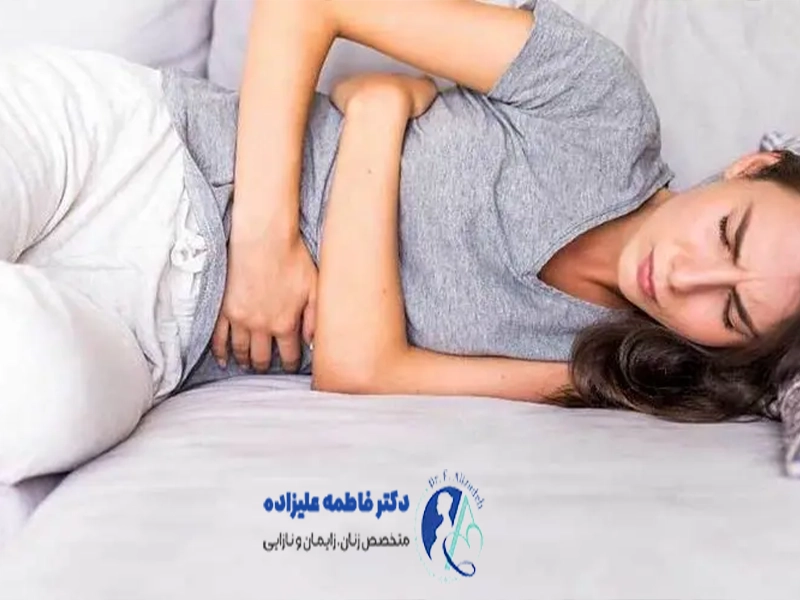
زایمان طبیعی بدون درد با اپیدورال یکی از دقیقترین و موثرترین روشهای کاهش درد زایمان است؛ روشی که به مادر امکان میدهد روند طبیعی زایمان را طی کند اما درد شدید انقباضات را تجربه نکند. در سالهای اخیر، اپیدورال به انتخاب محبوب بسیاری از مادران تبدیل شده، زیرا ترکیبی از آرامش و تجربهای مطمئن و قابل کنترل را در کنار یک زایمان طبیعی فراهم میکند. در این مقاله، تمام نکات ضروری درباره زایمان طبیعی بدون درد با اپیدورال، از مراحل اجرای آن تا نکات علمی، توصیههای پزشکی و مراقبتهای بعد از تزریق، با زبانی ساده، دقیق و کاربردی بررسی میشود تا بتوانید با اطمینان و آگاهی تصمیم بگیرید بهترین روش برای شما چیست.
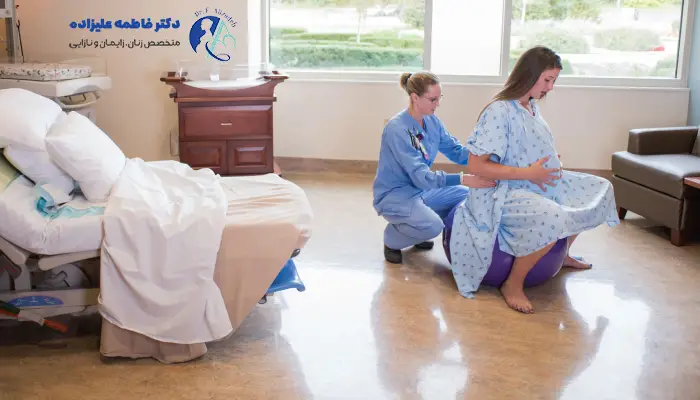
اگر بهدنبال یک زایمان ایمن، آگاهانه و با آرامش هستید، دکتر فاطمه علیزاده؛ متخصص زنان، زایمان و نازایی همراه مطمئن شماست. To receive expert advice and choose the best delivery method, take action now.
What is natural birth without pain?
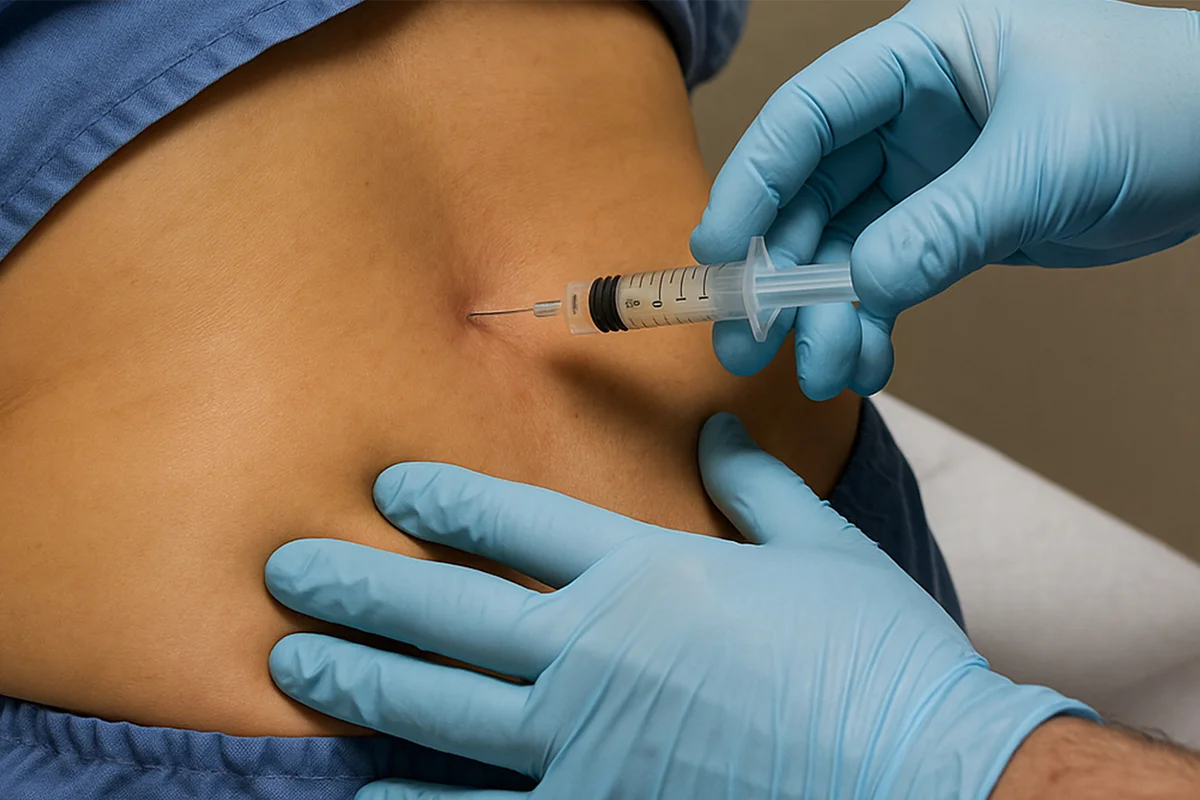
Epidural is a local anesthetic procedure where medicine is injected into the epidural space of the spine to reduce the pain of childbirth. natural to decrease, without the mother losing her full power of movement. This method allows the doctor to adjust the intensity of anesthesia according to the mother's needs.
Epidural usually includes two components:
- Local anesthetic: reducing pain in the lower body.
- Light narcotic medication (optional): control of severe pain or sudden contractions.
The main advantage of an epidural is that the mother remains conscious, can see the baby and interact with the medical team, but does not experience the intense pain of labor.
Read more: Who can use an epidural?
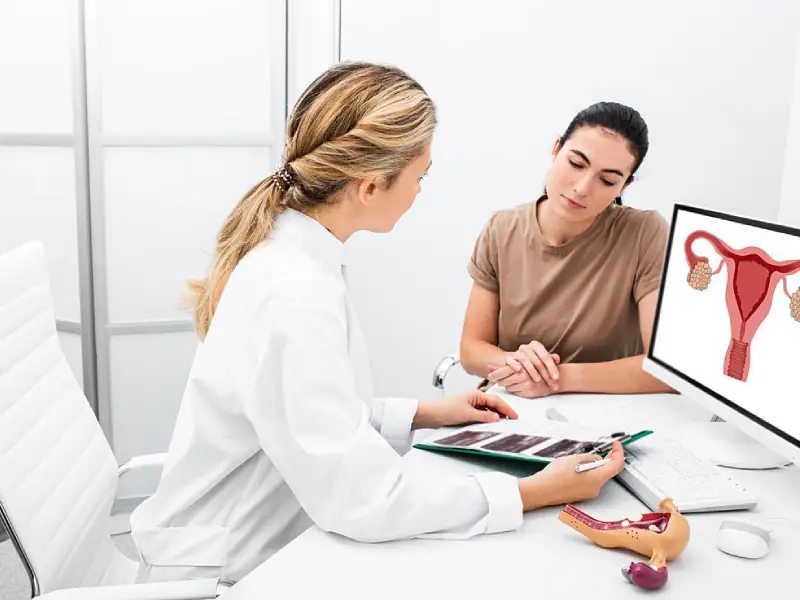
Before the epidural, the doctor performs a complete examination to ensure the safety of the mother and fetus. An epidural not only relieves pain, but also provides a host of benefits that make the experience of birth easier and safer for mothers. Next, we examine each advantage in detail: During labor, pushing and enduring intense contractions can drain a mother's energy quickly. By reducing severe pain, the epidural enables the mother to have more energy for the final stage of pushing the baby. This means that with sufficient concentration and strength, the mother can actively participate in the birth of the baby and experience a less tiring and stressful experience. Severe pain increases anxiety, blood pressure and heart rate, and these changes may also affect the fetus. By using an epidural, the mother feels less pain and the stress level decreases. In addition to the comfort of the mother, this relaxation creates better conditions for the fetus, because the baby is less under the pressure of stress hormones. During natural childbirth without pain, severe pressure and pain can cause a sudden increase in blood pressure and heart rate of the mother. Epidural makes the pressure of the body to reach the balance and the heartbeat remains stable. This advantage is especially important for mothers who have a history of high blood pressure or heart problems, and it makes the delivery process safer. With severe pain relief, the mother is better able to cooperate with the medical team. He can control the time of pushing and the position of his body and help guide the birth process with complete concentration. This active participation makes her feel more empowered and in control, and her birth experience becomes more positive and satisfying. One of the unique advantages of epidural is the ability to adjust the intensity of anesthesia by the doctor. The doctor can change the amount of medicine according to the needs of the mother and the stage of labor so that both the pain is controlled and the mother remains awake. This feature makes the birthing experience exactly according to the individual needs of each mother and does not cause any discomfort or excessive numbness. Epidural is performed under the supervision of an anesthesiologist and under sterile conditions: The effect of the drug starts 10 to 15 minutes after the injection. Most mothers have no problem using a natural, pain-free birthing method, but as with any medical procedure, some short-term and manageable side effects may occur. In the following, we discuss the most important possible complications and how to manage them: Many mothers may experience mild to moderate back pain after epidural. This pain lasts for a few days and improves with rest, warm compresses and light exercises. The experience of back pain after an epidural is combined with normal back pain after childbirth, so the doctor offers special recommendations to reduce the pain. In rare cases, perforation of the membrane around the spinal cord can cause a severe headache that worsens with a change in body position. This type of headache is short-term and treatable. The doctor can control it with medication, rest or medical procedures such as epidural blood injection (blood patch). An epidural may cause a temporary drop in blood pressure because the anesthetic affects the blood vessels. To avoid problems, the medical team will inject fluids directly into your vein or, if necessary, give appropriate medication to keep your blood pressure within a safe and standard range. Accurate control of blood pressure before and after the epidural is very important so that you and your baby are in perfect health. Many mothers after epidural may lose the power to move their legs or feel heavy and numb. This state is temporary and will be completely resolved after the end of childbirth and the reduction of the effect of the drug. The doctor and nurse take care of the safe movement of the mother so that the possibility of falling or injury is zero. With careful monitoring by a doctor, serious side effects are very rare, but may include: Preparation before the epidural is very important to have a safe and comfortable natural birth without pain: The doctor will check your blood pressure, heart rate, medical history, and medications to make sure a natural, painless birth is safe. This assessment helps identify and manage any potential risk factors before labor begins. The mother should be fully aware of how to inject, the right time and its effects. This awareness makes the mother calmer during childbirth and makes decisions more confidently. Eating light food or avoiding heavy meals a few hours before delivery prevents nausea and vomiting. This also reduces the possibility of stomach acid reflux and the mother feels more comfortable during childbirth. Drinking enough fluids maintains blood pressure and helps reduce complications. This keeps the body more ready for the birthing process and prevents energy loss. It is necessary to wear comfortable clothes for examinations and injections. Appropriate clothing facilitates the work of the medical team and reduces the mother's stress when changing the body position. The presence of a companion is relaxing and reduces the mother's stress. Having emotional support can make the birth experience more positive and bear the initial pain easier. After the epidural injection and delivery, it is important to observe the follow-up care for a faster return of energy: After giving birth with an epidural, the mother is fully awake and can start breastfeeding very soon. The nurse or midwife helps to choose the right breastfeeding position; Because the mother may still have some numbness or weakness in her legs. At the same time, guidance on how to hold the breast correctly, how to position the baby, and how to prevent nipple pain are provided, so that breastfeeding can start more easily from the very first moment. In the first few hours after the epidural, the mother is under the supervision of the treatment team to check the blood pressure, heart rate and the improvement in the feeling of the legs. These cares are done so that the body slowly removes the effect of the medicine and if there is a change in the mother's condition, the necessary action should be taken immediately. This stage is short, but it is considered very important for the mother's health. Due to the remaining effects of the anesthetic, the mother may be limited in moving her legs or maintaining balance for a while. For this reason, the nurse helps the mother when getting up, moving on the bed or going to the toilet so that no injuries occur. Within a few hours, the motor power returns and the mother can walk without assistance. Although the epidural controls the main labor pain, you may feel mild pain in the back, pelvis or uterine contractions after delivery. The medical team helps the mother to minimize these pains with simple recommendations such as changing the position, gentle massage, warm compresses or safe medications for breastfeeding. These symptoms are normal and will decrease in a short time. After the epidural, due to the initial weakness of the muscles and the pressure on the back, it is better for the mother to avoid lifting heavy objects or vigorous activities for a few days. Relative rest, sitting and getting up correctly and using a chair or support help the back bear less pressure. This helps to heal faster and prevent lasting pain. Severe headache, prolonged numbness or fever should be reported to the doctor. Most of these problems are short-term and treatable. Proper nutrition and hydration: fluid consumption and light and nutritious meals are necessary to restore energy. Light movement and short walks: helps improve blood circulation and prevent blood clots. Read more: Colposcopy cost in 1404 After the epidural, care is especially important so that the mother and fetus remain safe and the birth experience is comfortable: Summary Painless natural childbirth with epidural is an efficient and controllable solution to reduce labor pain. This method allows mothers to experience the natural process of childbirth without enduring severe pain and at the same time have more energy and peace. The benefits of epidural include reduced fatigue, reduced anxiety, better blood pressure control and active participation of the mother in labor. Possible side effects are short-term and manageable, such as temporary back pain, headache or numbness in the legs. With doctor's advice and care, epidural can make the birth experience easier, safer and more positive and keep mothers ready and energized for the arrival of their baby.
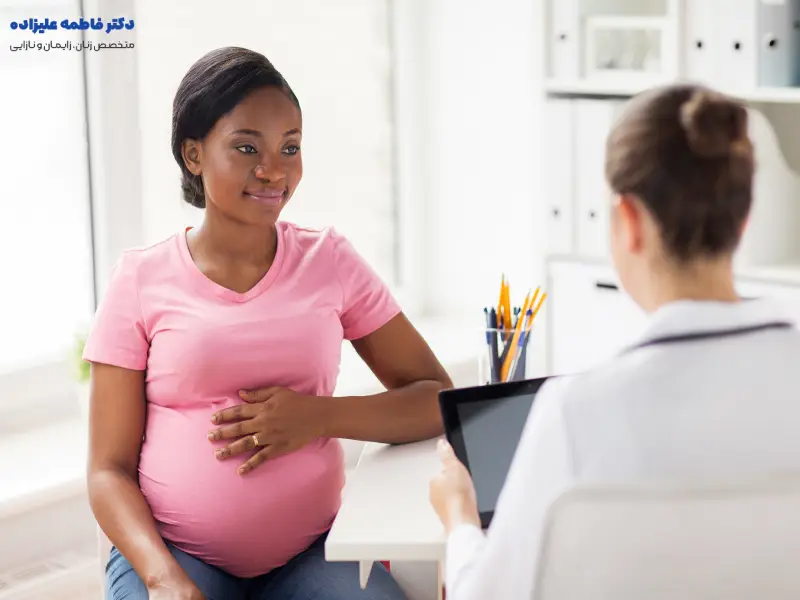
Most healthy mothers can benefit from an epidural, but some conditions require careful consideration:
Benefits of painless natural birth with epidural
extreme fatigue reduction
Reducing stress of mother and fetus
better control of blood pressure and heart rate
active participation of the mother in childbirth
ability to adjust the level of anesthesia
Steps of performing natural birth without pain

Possible complications of natural childbirth without pain with epidural
Transient back pain
headache after injection
Lowering blood pressure
temporary effect on leg movement
Rare side effects
The doctor and the medical team minimize the risk of these complications with preventive care.Painless natural prenatal care
mother and fetus health check
Consultation and explanation of steps
avoidance of heavy food
hydrated body
comfortable and appropriate clothes
Mental preparation and companionship

Painless natural postpartum care
Preparation for breastfeeding
Staying under the medical-team
control of movement and balance
pain management
avoid lifting heavy objects
Tracking rare complications
after epidural injection