
Pain after laparoscopy of the uterus
Laparoscopy surgery of the uterus, as a minimally invasive method, has made a big change in the treatment of many women's diseases. Despite the numerous advantages of this procedure, including smaller incisions, reduced hospital stay, and shorter recovery times, there are still concerns about pain after hysteroscopy. Knowing the nature of these pains and how to properly manage them is an important part of preparing for this surgery and helps patients to go through this period more calmly. Understanding what types of pain are normal and temporary and what symptoms require immediate medical attention can greatly reduce anxiety after surgery. From mild and general abdominal pains to specific pains in the shoulders and incisions, each type of pain after uterine laparoscopy has a different origin and requires its own treatment solution. This article will help you to carefully and consciously recognize each of these pains and know how to deal with them in the best way.
Our goal in writing this article is to provide a comprehensive and practical guide so that you can effectively pain after hysteroscopy manage We will examine the types of pain, their causes and effective treatment solutions so that you can go through your recovery process with peace of mind and quickly return to your normal life. Join us to fully explain all aspects of this important topic.
What you are reading
common types of pain after laparoscopy
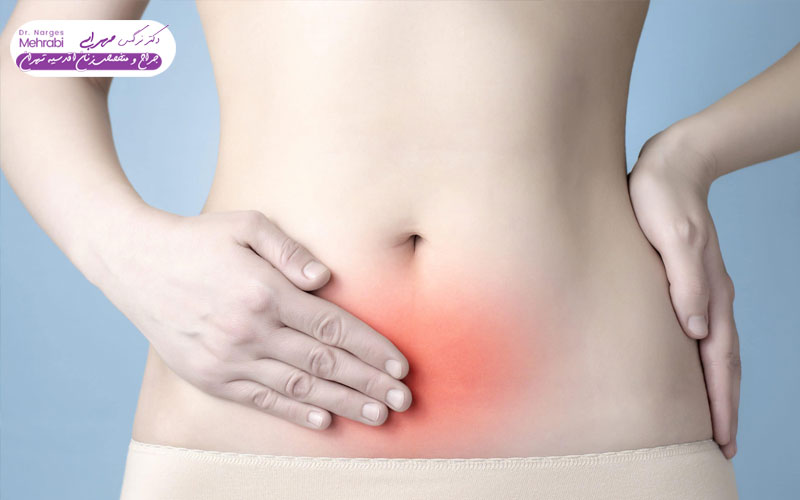
After laparoscopic surgery of the uterus, it is completely normal to experience different types of pain. The most common type of pain is pain after hysteroscopy in the abdomen and pelvis, which is caused by the manipulation of internal organs during surgery. This pain is often felt as cramping or vague pain in the lower abdomen, and its intensity is greater in the first days and gradually decreases.
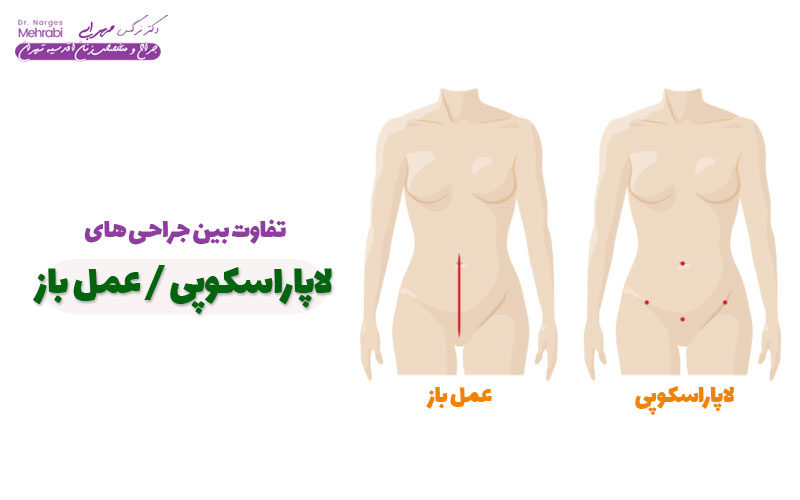
In addition to pain in the abdominal area, you may experience other pains. One of these pains is pain at the site of small incisions on the abdomen. Although these incisions are small, they can cause pain and sensitivity due to damage to the underlying tissues and muscles. Redness and bruising around these incisions is also normal and usually heals within a few days to a week. Management of pain after hysteroscopy at the site of incisions is possible with proper wound care.

Another type of pain that surprises many patients is pain in the shoulder or neck. This pain, called referred shoulder pain, is caused by the gas used to inflate the abdomen. This pain is usually temporary and goes away with time. Understanding these different types of pain will help you to be more prepared to face pain after hysteroscopy.
cause of shoulder pain after hysterectomy
one of the strangest and yet most common type of pain after hysterectomy, It is a pain that is felt in the shoulders or neck. This pain is not directly related to the surgical site, but is caused by the gas that is used to inflate the abdomen. During laparoscopy, carbon dioxide gas is pumped into the abdominal cavity to create enough space for the surgeon to see and work.
This gas can stimulate the diaphragm (a muscle located at the top of the abdomen that is involved in breathing). Since the nerves of the diaphragm are shared with the nerves of the shoulder, the brain interprets this stimulation as pain after hysteroscopy in the shoulder. This pain usually disappears after surgery and with the gradual absorption of gas by the body.