
Orthodontic treatments are no longer only for healthy teenagers; Today, many adults and even the elderly go to an orthodontist to improve their smile and oral function. However, among adult patients, a significant number of people have chronic diseases such as diabetes, heart disease, and high blood pressure. This group of patients needs a more accurate, scientific and coordinated approach in orthodontic treatment in order to prevent complications.
Orthodontics in diabetic and heart patients, although it is completely possible, but requires compliance with special principles; Because these diseases can affect the healing process, inflammatory response, tissue blood supply, and the body's resistance to infection. In such a situation, the specialist fixed and mobile orthodontics should provide a planned treatment in accordance with the general health status of the patient. In this article, we comprehensively examine the relationship between orthodontics and systemic diseases? What care should be taken in certain patients and how to reduce the risk of infection and inflammation in these patients.

How chronic diseases affect orthodontic treatment
Orthodontics is a biological process in which teeth move under controlled forces. This dental movement requires bone health, gum tissue, proper blood circulation and the body's ability to repair tissues. But in patients with chronic diseases, some of these functions are disturbed. What is the most important effect of orthodontics on the general health of the body?
Diabetes and its effect on orthodontic treatment
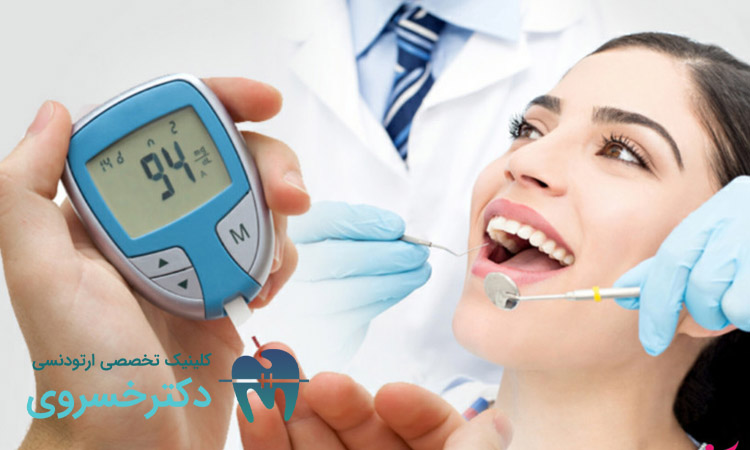
Diabetes is one of the most common metabolic diseases that causes disruptions in glucose metabolism and the function of immune cells. In diabetic patients, the oral tissues are usually more sensitive and the inflammatory response is increased.
Slowing down the process of bone regeneration
In the process of teeth movement, the bone is degraded on one side and regenerated on the other side. In diabetic patients, due to the decrease in the function of bone-forming cells, this process proceeds more slowly.
Increasing gingivitis and periodontitis
High blood sugar causes the growth of harmful bacteria in the mouth and the occurrence of gingivitis. This inflammation can cause loose teeth and jaw problems.
Increased chance of infection
In uncontrolled diabetes, white blood cells are less efficient and the body is slower to respond to infection. As a result, the risk of infection may increase after installing a bracket or tooth extraction.
Decreased tissue repair
Due to weaker blood circulation, the gums and soft tissues around the tooth are repaired more slowly. Therefore, in diabetic patients, before starting orthodontic treatment, the blood sugar level should be carefully checked. Usually, the treatment will be safe and successful in patients with HbA1c less than 7%.

Cardiac diseases and their effect on Orthodontics
Cardiac patients are another group that needs special attention in orthodontic treatment. These patients may have problems such as high blood pressure, arrhythmia, narrowing of the arteries or a history of heart attack.
Effects of heart diseases on orthodontics
- Bleeding risk: In patients who use anticoagulants such as warfarin or aspirin, the risk of bleeding during dental work is higher.
- Sensitivity to stress: stress caused by treatment may increase blood pressure or heart rhythm.
- Risk of infective endocarditis: Some heart patients (especially those with artificial valves) are at risk of heart infection from oral bacteria. In these patients, before some dental treatments, the use of preventive antibiotics is mandatory.
- Medicine interaction: heart medications may interfere with anesthetic or painkillers used in orthodontics.
As a result, before starting orthodontics in heart patients, medical consultation with a cardiologist should be done to determine the type of medications and the general condition of the patient.
Other systemic diseases affecting Orthodontics
In addition to diabetes and heart diseases, diseases such as thyroid disorders, osteoporosis, autoimmune diseases (such as lupus) and kidney problems can also affect the orthodontic treatment process. In all these cases, it is necessary to accurately adjust the pressure of orthodontic forces and regular control of oral health.
Special care in orthodontics for special patients
Patients with systemic diseases should be monitored more carefully to prevent complications. In the following, we point out the key measures and care in this group of patients.
Checking the medical condition before starting the treatment
The first step in the orthodontic treatment of certain patients is to obtain a complete medical history. The specialist must have full knowledge of the type of disease, the drugs used, the level of disease control and the patient's treatment records. Sometimes it is necessary to perform a blood test or medical consultation to confirm the safety of the treatment.
Exact control of oral health
In diabetic patients, gingivitis develops faster. It is recommended to use a soft toothbrush, special orthodontic floss and antibacterial mouthwashes (such as chlorhexidine). Heart patients should also avoid mouthwashes that increase blood pressure (containing alcohol or high sodium).
Using lighter forces in orthodontics
In diabetic or heart patients, bone and supporting tissues may be more sensitive. Using lighter forces and more gradual adjustments can prevent bone loss and inflammation.