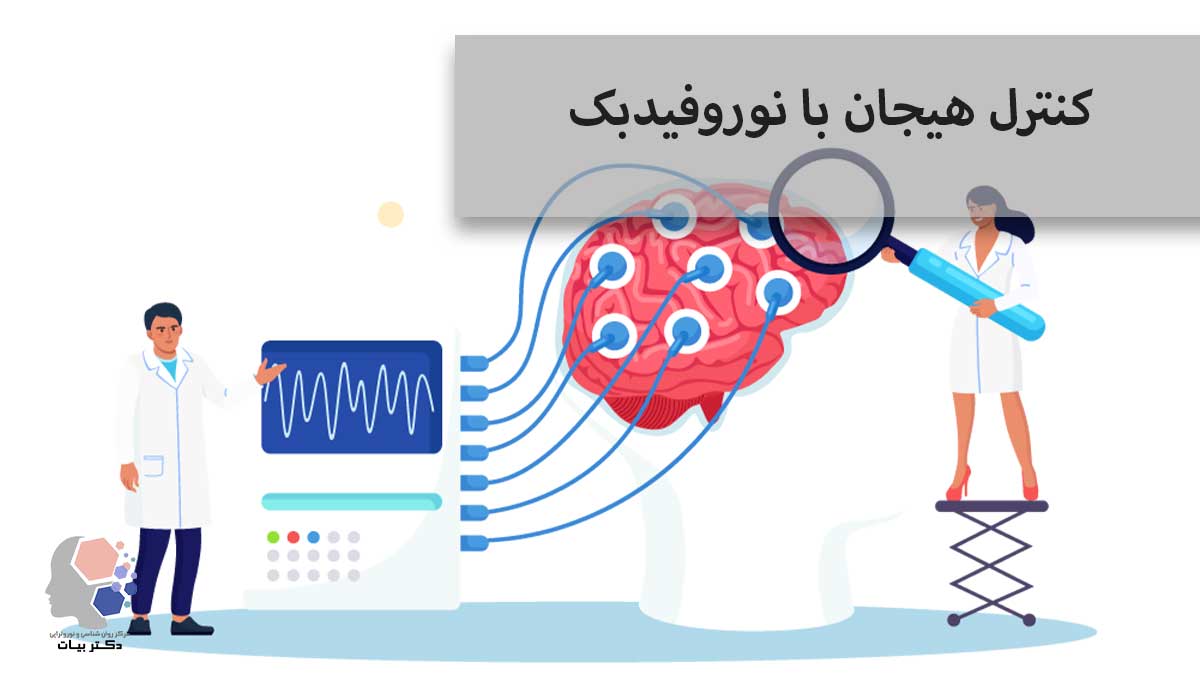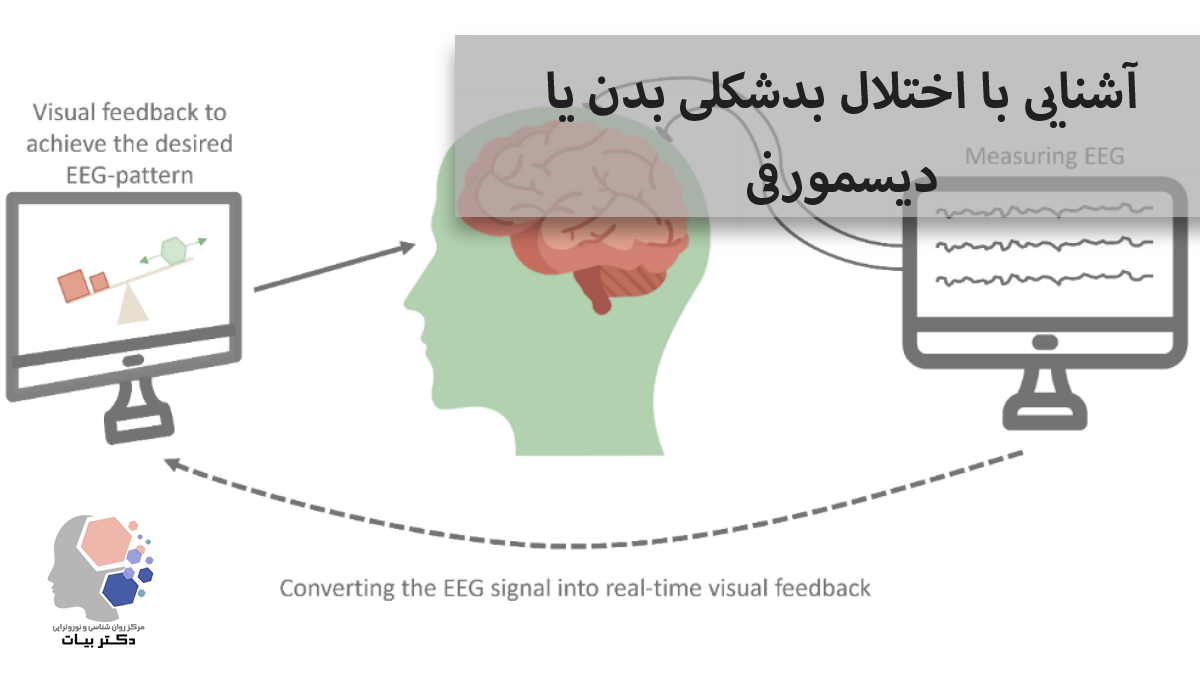

Migraine is one of the most common and debilitating nervous headaches that can disrupt your concentration, work, studies, and quality of life for hours or even days. Extreme sensitivity to light and sound, nausea, fatigue and lethargy after an attack is a recurring experience for many migraine sufferers. Migraine treatment with neurofeedback as a non-invasive and drug-free method has attracted a lot of attention in recent years. In this method, with the help of recording brain waves (EEG) and providing instant feedback to the brain, the person is taught to regulate heterogeneous and excitable brain patterns. Clinical research has shown that neurofeedback treatment and Lortan neurofeedback can reduce the number and intensity of migraine attacks in a significant part of patients, and this effect remains for months after the sessions are over
In this article, we examine the treatment of migraine with neurofeedback from three angles:
- Scientific understanding of migraine and the reason for targeting brain waves
- Research evidence about the effect of neurofeedback in migraine
- The place of neurofeedback next to drug therapy and choosing the right center in Shiraz
Getting to know migraine headache
Migraine is the third most common disease in the world, which is not just a simple headache. Migraine is a recurrent neurological disorder that is usually accompanied by a throbbing headache in one half of the head, extreme sensitivity to light and sound, and in many cases, nausea and vomiting. Epidemiological studies show that migraine affects about 10-15% of the population and is several times more common in women than in men.
The main stages of a migraine attack
To better understand the effect of migraine treatment with neurofeedback, it is important to know the stages of migraine headache:
1. Prodrome stage
Several hours to one or two days before the onset of headache, symptoms may appear such as: 2. Aura stage in some patients Aura occurs in some patients before or during an attack; A set of transient nervous symptoms such as: 3. Headache stage Usually a throbbing headache, unilateral or bilateral, lasting 4 to 72 hours and accompanied by: 4. Postdrome stage After the headache subsides, many patients feel dizzy for 24-48 hours: Early recognition of migraine patterns and individual triggers (lack of sleep, stress, certain foods, hormonal changes) plays an important role in managing attacks. To receive more information about the treatment of various disorders such as Neurofeedback is one of the treatment methods that, by controlling brain waves, causes training and treatment of brain problems and disorders. In this process, with the use of special devices, the person's brain activities are monitored and controlled to establish balance and peace in the nervous system. Migraine disease, as mentioned, is one of the disorders that does not have a definite cure; However, by conducting extensive studies on the brain, scientists have realized that in people with migraines, the pattern of brain activity and the sensitivity of sensory and visual cortexes is different from that of healthy people; In some areas of the brain, a kind of "over-arousal" and abnormal fluctuation of waves can be seen; which will be controlled if modified. Initially, the person is evaluated by a specialist in the field of neurofeedback and regularly scheduled for treatment sessions. During each session, the person is given visual or audio feedback when the brain reaches a more natural and balanced state. This feedback helps the brain to correct maladaptive behaviors and learn healthier patterns. Gradually, the brain is able to remain in a more balanced state, which leads to fewer migraine attacks. Migraine treatment with neurofeedback is a new and widely used solution that, along with other methods, can significantly improve the quality of life of migraine patients. In the treatment of migraine with neurofeedback, the following things are usually worked on: Today, the treatment of migraine or other disorders such as treatment of sleep disorder with neurofeedback is highly regarded due to its harmlessness and long-term effect. For further reading: Migraine treatment with neurofeedback versus drug treatment
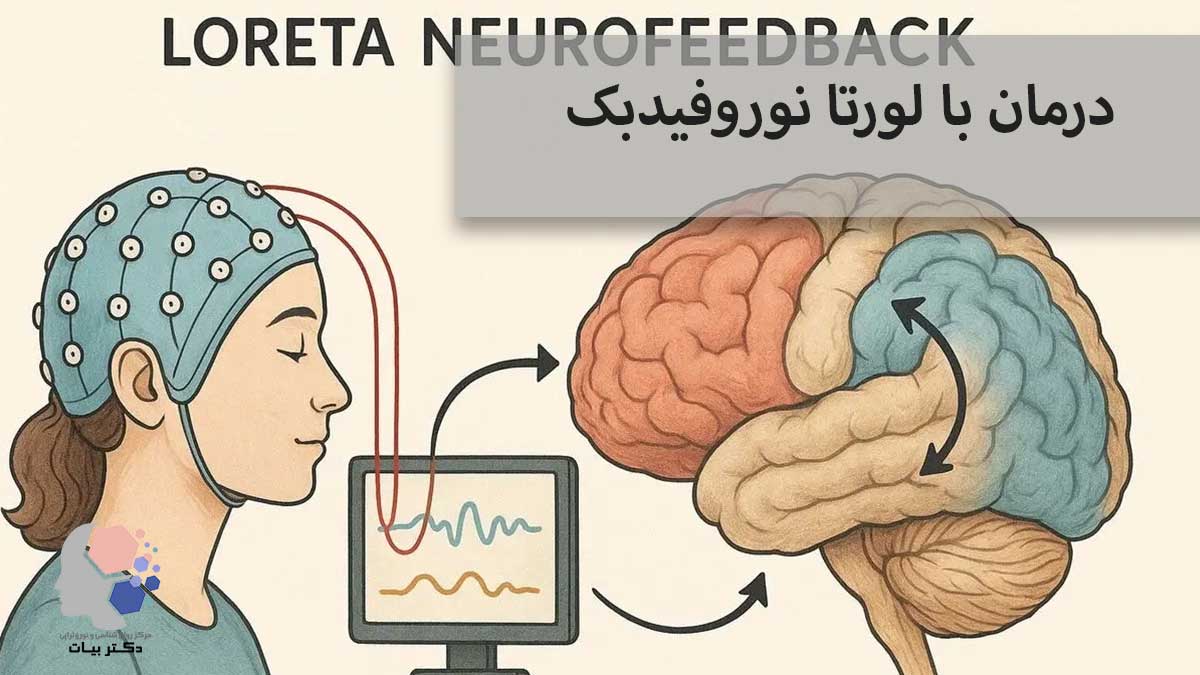
Treatment of migraine with neurofeedback in contrast to conventional drug treatments for migraine, which include the use of painkillers, preventive drugs and reducing the severity of attacks; It is much more practical and without complications. Research results indicate that patients treated with neurofeedback have experienced a significant reduction in the number and severity of migraine attacks, without the negative side effects of drugs. In fact, in addition to reducing symptoms, this method helps patients to control the stress and anxiety associated with migraines, which play an important role in the recurrence of attacks. On the other hand, drug treatment has a faster onset for many patients and provides tangible results in the short term. But the continuous use of drugs may have side effects and possible dependencies, and in some cases, it requires constant adjustment of the drug dose. Therefore, combining drug treatment with neurofeedback or using it as a complementary method can be an efficient option that provides both a quick effect and a reduction in drug dependence. Early evaluation and brain mapping (QEEG) Designing a migraine treatment protocol with neurofeedback Neurofeedback sessions Each session usually lasts 30-45 minutes. Electrodes are painlessly placed on the scalp and brain activity is recorded in the software. The patient sees games, movies or graphics that are directly related to his brain waves; The brain learns to repeat the more desirable patterns to get the "reward" (clearer image, continued play, smoother music). It usually takes between 20 and 40 sessions to see a lasting effect; Depending on the severity of migraine and other accompanying problems, the number of sessions will be more or less. Tracking, recording attacks and adjusting treatment The patient is asked to keep a diary of attacks (number, intensity, duration, medication use). Based on these data and QEEG cases, the protocol is modified along the way. In many cases, with the reduction of attacks, the neurologist or psychiatrist can gradually adjust or reduce the dose of drugs under their supervision; It is not recommended to stop or change the medicine without a doctor's opinion. Migraine treatment with Loretta Neurofeedback, based on scientific research and advanced neurofeedback models, is a new and effective approach in controlling and reducing migraine attacks. Loretta neurofeedback is a more advanced and effective method of neurofeedback that is faster and more effective. Loretta Neurofeedback affects different parts of the brain more deeply. This technology helps patients correct the incorrect brain wave patterns associated with migraines and move towards healthier brain states. Studies have shown; They show an effect of about 60 to 80 percent in reducing the number and intensity of attacks. In this method, like neurofeedback, no radiation or electric shock is used; Only by using electrodes that are connected to different points of the head, it tries to establish communication between different points and eliminate the effect that migraine headaches have on the brain. One of the important points in the treatment of migraine with Loretta Neurofeedback is the need to continue and regularly repeat the sessions, which should continue for a few weeks to a few months in order to achieve stable results. This treatment method is also performed by experienced experts at Dr. Bayat's Psychology and Neurofeedback Center. To book a consultation appointment and learn more about neurofeedback methods, visit the contact us page. Migraine treatment with the S Loretta Neurofeedback method is one of the advanced and effective technologies that focuses on correcting brain activities. S Loretta is a special type of digital neurofeedback system that targets brain waves using specialized algorithms and helps patients regulate the incorrect and stressful brain patterns associated with migraines. In this method, the patient's brain wave activity is first measured, then the exercise program is designed based on the obtained results. In sessions, the patient receives visual and audio feedback with special headsets that teach the brain to produce healthier and more balanced waves. The main goal is to reduce the activity of stress-causing waves (such as theta and beta) and increase the activity of relaxing waves (such as alpha), which leads to a reduction in stress, anxiety and repeated migraine attacks. Nurofeedback is one of the treatment methods that can show its effect only if it is done with the necessary standards. To get the best services, it is necessary to visit the best and best psychology and neurofeedback clinics. One of the best migraine treatment centers with neurofeedback is Bayat Psychology and Loretta Neurofeedback Center, which offers the best counseling services. This center has the most experienced workforce and has treated various mental disorders. Migraine treatment with neurofeedback at Bayat Neurofeedback Center has been met with a high percentage of success. Migraine treatment with neurofeedback can control this acute problem and provide the best possible results to patients with migraine headaches. Although a definitive treatment method for migraine has not been discovered; But neurofeedback therapy can be very helpful. Migraine is a disorder that has a high prevalence among people of different ages, and if not treated, it can cause many problems in a person's life. Migraine symptoms include nausea and vomiting if left unchecked. Migraine treatment with neurofeedback is more effective than conventional treatments. To start the treatment path and get detailed guidance, just contact Dr. Bayat's center contact so that the consultation and neurofeedback program can be adjusted according to your conditions. 1_ What does a migraine headache look like? Migraine causes severe and throbbing headaches on one side of the head and may last for several hours. 2_Is migraine treatment with neurofeedback better than drug methods? Treatment of migraine headaches with neurofeedback has had a better effect than drug treatments, and in a significant percentage of people, it has eliminated or significantly reduced the frequency of migraine headaches. 3_ Name the types of migraine treatment methods with neurofeedback? Although the neurofeedback method is an up-to-date method; But scientists are always looking for its growth to improve the quality and efficiency of this treatment method. Migraine treatment with Loretta Neurofeedback and S Loretta Neurofeedback is also possible; which are new methods of neurofeedback treatment. Resources: https://www.sciencedirect.com/science/article/pii/S0965229925000287 https://www.centerforbrain.com/materials/papers/Migraines.and.Neurofeedback.Stokes.pdfHow is migraine treatment with neurofeedback?
Treatment of migraine with neurofeedback at Dr. Bayat Neurofeedback and Loretta Psychology Center

2 advanced neurofeedback methods for migraine treatment
Neurofeedback helps control and treat migraine headaches by training brain waves. Although the neurofeedback method is an up-to-date method; But scientists are always looking for its growth to improve the quality and efficiency of this treatment method. Migraine treatment with Loretta Neurofeedback and S Loretta Neurofeedback is also possible; which are new methods of neurofeedback treatment.Migraine treatment with Loretta Neurofeedback
Migraine treatment with S Loretta Neurofeedback
The benefits of treating migraine headaches with neurofeedback
Who are suitable options for migraine treatment with neurofeedback?

The best migraine treatment center with neurofeedback in Shiraz
Summary
Frequently Asked Questions