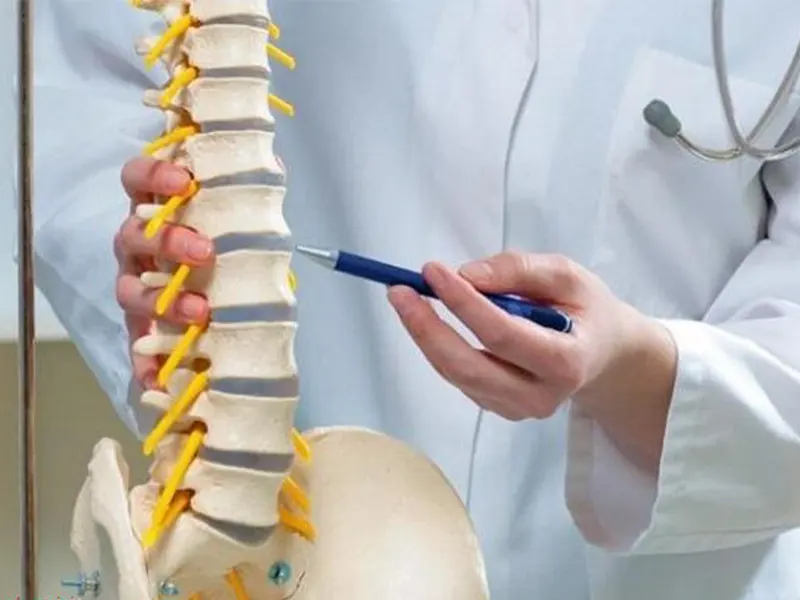


سرخوردگی مهره کمر زمانی اتفاق میافتد که یکی از مهرهها از موقعیت طبیعی خود در ستون فقرات جابهجا میشود، که به علت فشار بیش از حد، آسیب یا مشکلات مرتبط با دیسکها رخ میدهد. This condition can cause severe pain and significant movement limitations. In this article, we have examined the symptoms, causes and treatment methods of this problem. Reading the rest of the article will give you the opportunity to learn about prevention methods and effective solutions for pain management and take appropriate measures to maintain the health of your spine.

What is lumbar vertebra slipping?
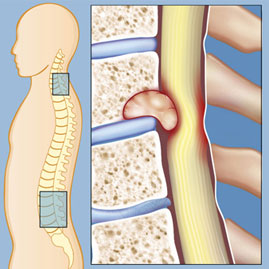
One of the problems that arise for the spine is lumbar vertebra frustration. This complication can lead to severe pain and discomfort, and in some cases, it can make it difficult for a person to move. A sprain occurs when the vertebrae in the back become unstable and constantly shift, putting too much pressure on the lower vertebrae.
Vertebral instability causes severe pain in the lower back and legs, especially when walking. In such a situation, it is necessary to see a doctor so that an accurate diagnosis can be made and appropriate treatment can be started. Lumbar sprain is one of the common spinal problems, which in many cases can be treated without surgery and through non-invasive methods.Exercise and physiotherapy are one of the most important treatment solutions to control this problem. The remarkable thing is that some people live with this condition for years, but they are unaware of its existence. This disease is more common in people over 50 years old, but it can also occur in younger people. Also, some people, such as athletes in disciplines such as athletics, are more exposed to this complication.
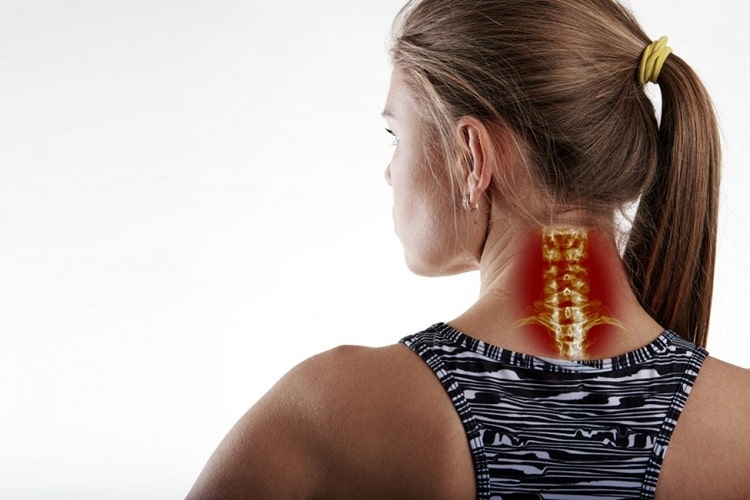
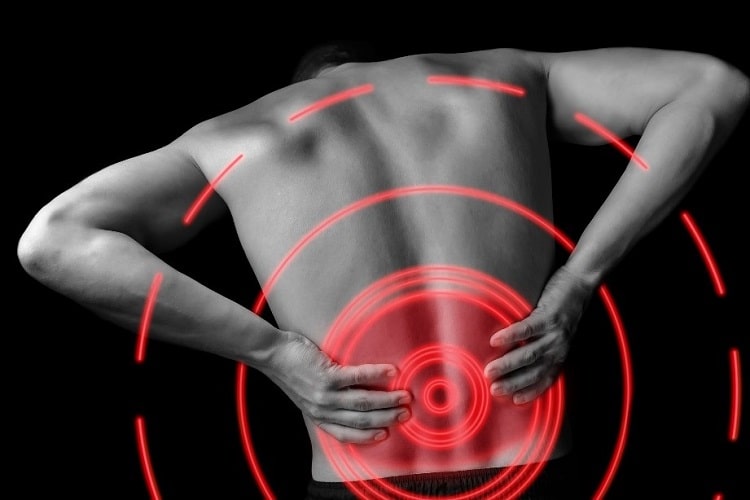
Lumbar sprain can have many symptoms, the most important of which are severe pain in the back, pelvis, and legs, numbness in the lower limbs, and stiffness in the back muscles. In the following, we will examine these symptoms in more detail.What can be the symptoms of slipping spinal vertebrae?
Most cases of vertebra slippage are not associated with any symptoms and the patient only notices the displacement of the vertebrae when the dislocation of the vertebra is seen in the radiograph taken to diagnose other complications. In any case, the common symptoms of vertebrae slipping are:
- lower back pain, especially after exercise
- Increasing waistline
- Pain or weakness in one or both thighs or legs
- Decreasing the patient's ability to control bowel and bladder function
- clamping and contraction of hamstring muscles
- Severe spondylolisthesis causes changes in the prevalence of standing and walking of the patient, for example, the patient walks like a duck. Because in this case, the forward curve of the waist increases, the stomach comes forward. The upper body (chest, etc.) looks shorter, and the problem of spasms and cramping of the lower back muscles occurs.
Methods for diagnosing lumbar vertebrae dislocation
Diagnosis of lumbar vertebra dislocation requires careful examination of symptoms and specialized tests. In the early stages, the doctor makes a general assessment by taking the patient's history and checking for symptoms such as back pain, numbness in the legs, or muscle weakness. Also, checking the medical records and the amount of pain in different conditions can help in the diagnosis.
After the clinical examination, imaging tests are prescribed to check the condition of the vertebrae more closely. One of the most common methods is X-ray imaging, which enables the observation of changes in the structure of the spine. In some cases, an MRI is used for more detail, which can clearly show the condition of the discs, nerves, and surrounding tissues. CT Scan is also a method that provides more detailed information about the displacement of the vertebrae.

In addition to imaging, in some cases, neurological tests such as electromyography (EMG) are performed to check the function of nerves and the amount of pressure on them. This method helps the doctor to find out if the dislocation of the vertebra has caused nerve damage or not.
The combination of these diagnostic methods helps the doctor to determine the type and severity of vertebral dislocation and to consider a suitable treatment plan for the patient. If this complication is confirmed, depending on the extent of displacement of the vertebra, treatment methods are recommended according to the patient's condition.
What are the types of lumbar vertebra frustratum and the cause of each occurrence?
Sliding of the lumbar vertebrae is divided into five main types
dysplastic spondylolisthesis
Dysplastic slippage is the result of a defect in the formation of a part of the vertebrae, called the facet, which causes the vertebrae to slide forward. Dysplastic depression is a congenital defect.
ischemic spondylolisthesis
The cause of ischemic slippage is a defect in a part of the vertebrae, called pars interarticularis. If this defect is not accompanied by slippage, the complication is called spondylolysis. Ischemic spondylolisthesis is the result of repeated injuries and is more common in athletes, such as gymnasts and football forwards, who perform movements with high stretching.
degenerative spondylolisthesis
The cause of degenerative spondylolisthesis is inflammatory changes in the joints of the vertebrae that occur due to the degeneration of cartilage and over time; With this description, the degenerative slip is acquired and is mostly seen in the elderly.
spondylolisthesis by trauma
Traumatic spondylolisthesis is the result of trauma or direct damage to the vertebrae. Fractures of the pike or pedicle, lamina or facet joints allow the anterior part of the vertebra to slide forward and be ahead of the posterior part.
pathological spondylolisthesis
The cause of pathological spondylolisthesis is a type of bone defect that is caused by bone abnormalities, for example, due to the presence of a tumor.
risk factors of lumbar vertebra dislocation
The risk of ischemic vertebral slippage can be attributed to various factors, including a family history of back problems. One of the factors that can lead to ischemic vertebral slippage is a congenital defect in the pars interarticularis bone of the spine (spondylolysis). This defect can increase the possibility of the vertebrae slipping.
Other factors can also contribute to the risk of ischemic vertebral slippage. Frequent injuries or severe stretching of the lumbar vertebrae are also factors. Athletes such as gymnasts, weightlifters, and football forwards who exert great force on the spine during stretching movements are more at risk of ischemic vertebral slippage. These athletes may injure their back vertebrae due to the heavy and frequent exercises they do, and this issue can facilitate the slipping of the vertebrae.
Therefore, a family history of back problems, spondylolysis, frequent injury or severe stretching of the lumbar vertebrae, and doing sports that require severe stretching of the spine can become risk factors for ischemic vertebral slippage.
What are the effects of sliding and shifting of the bones?
Symptoms of spondylolisthesis include chronic lower back or leg pain, numbness, tingling, or weakness in the legs. Severe compression of the nerves causes incontinence of urine or stool, although this problem is rare.What is the prevalence of lumbar vertebra dislocation disease?
About 5-6% of men and 2-3% of women suffer from spondylolisthesis.
Sprained vertebrae are a common problem among people who do strenuous physical activities, such as weightlifting, gymnastics, or soccer.
Men suffer from the symptoms of this disorder more than women due to more intense physical activities.

Although some children under 5 years of age may have spondylolisthesis (slipped vertebra) in adults or may not even be diagnosed with spondylolisthesis, slippage of vertebrae in minors is considered a rare complication. Spondylolisthesis is more common in the age range of 7 to 10 years. During adolescence and adulthood, more physical activity along with wear and tear caused by everyday life causes the vertebrae to slip more frequently during these periods.
How are different degrees of disease diagnosed?
The symptoms of spondylolisthesis are usually not seen during the examination of the patient. Patients generally complain of back pain with intermittent leg pain. Vertebral slippage often results in spasms and muscle cramps or hamstring muscle contractions.
Sliding of the vertebra is easily detected in the radiograph. A lateral radiograph (from the side) shows forward sliding of one vertebra relative to the adjacent vertebra. Spondylolisthesis is graded according to the percentage of the vertebra slipping relative to the adjacent vertebra. The degree of slipperiness of the bead is as follows:
- First grade: slip up to 25%
- Grade 2: slippage between 26-50%
- Grade 3: slippage between 51-75%
- Grade 4: slippage between 76-100%
- Grade 5 or spondyloptosis: the vertebra has completely fallen over the adjacent vertebra.
If the patient complains of pain, numbness, tingling or weakness in the leg, further investigations should be done. These symptoms can lead to the narrowing of the spinal canal or the narrowing of the space where the nerve roots of the legs are located. A CT scan or MRI can help diagnose nerve compression due to slipped vertebrae. If the bone is active at the defect site, a PET scan is performed for a more accurate diagnosis.
Home treatment for lumbar sprain
Many people believe that they can control their pain without going to the doctor and with home methods. For this reason, some people prefer to use home remedies for lumbar sprains and avoid going to a specialist.
Among the methods used in this field is walking. This method is one of the main recommendations of many modern and traditional medicine doctors, because it can help reduce the pressure on the spine. In addition to walking, using a warm compress is another common solution that helps relieve muscle cramps in the lower back. Some people also use thermal adhesives to reduce discomfort in this area.Maintaining the correct position of the spine is also one of the things that should be considered. For this purpose, medical belts are recommended, because in addition to reducing pain, they help to keep the vertebrae in the right position. Also, heat therapy can increase blood flow in the affected area and reduce the patient's discomfort to some extent.
Massage is also one of the options used for people who suffer from this problem. In addition, due to its warming properties, olive oil can be effective in reducing the pressure of the vertebrae on the lumbar nerves. In spite of these methods, it is necessary for people who suffer from lumbar sprains, if the symptoms persist, they must be under the supervision of a doctor in order to avoid more serious complications.
treatment of fracture of the bone
The initial treatment of spondylolisthesis is conservative and is recommended based on the patient's symptoms. The usual process of treating slipped vertebrae is as follows:
Vertebral disorientation (listhesis) and its treatment is divided into 4 grades, which include the following:
Grade one (the vertebra above the bottom has moved up to 25%): The treatment is non-surgical unless there is pain radiating to the leg, numbness of the lower limbs that occurs after standing for less than 15 minutes, simultaneous rupture of the lumbar disc and back pain that is resistant to treatment, otherwise drug treatment, weight loss, lifestyle modification,
Dr. Mehran Moradi Neurology and spine specialist