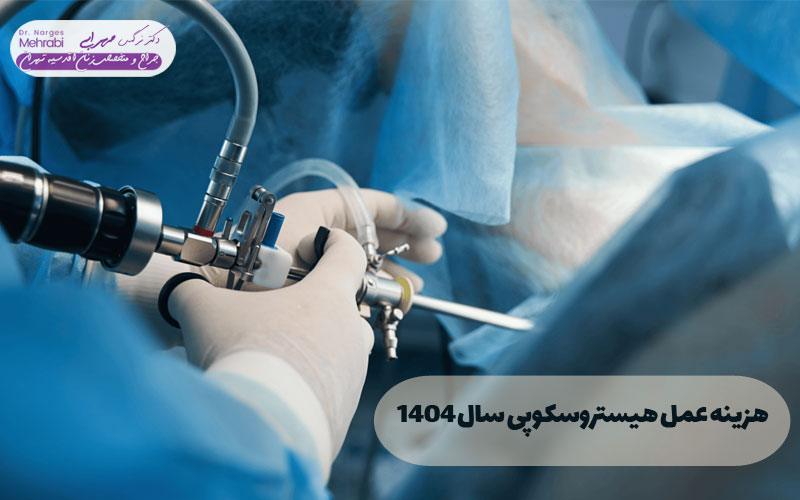
Laparoscopic uterine prolapse surgery Dr. Narges Mehrabi
3 weeks ago
348 بازدید
Dr. Narges Mehrabi
تهران
Surgeon and gynecology and infertility specialist
Laparoscopy uterine prolapse surgery
In today's fast-paced world, women's health issues have become especially important. However, some health problems are still unknown or considered less important, and uterine prolapse is one of them. This condition, which can severely affect the quality of life, causes various symptoms such as a feeling of heaviness in the pelvis, urinary incontinence, and pain during sexual intercourse. Fortunately, significant advances in the field of medicine have provided modern treatment methods for this problem.
One of these methods that has revolutionized the treatment of this disease is laparoscopic uterine prolapse surgery. This advanced and minimally invasive technique is considered a suitable alternative to traditional and open surgeries, and by using small incisions and precise tools, it allows the doctor to return the uterus to its normal state with high precision. This method not only has a shorter recovery period, but also minimizes postoperative complications and allows women to return to their normal lives faster. href="#%D8%A7%D9%81%D8%AA%D8%A7%D8%AF%DA%AF%DB%8C-%D8%B1%D8%AD%D9%85-%DA%86%DB%8C%D8%B3%D8%AA-%D9%88- %DA%86%D8%B1%D8%A7-%D8%A7%D8%AA%D9%81%D8%A7%D9%82-%D9%85%DB%8C-%D8%A7%D9%81%D8%AA%D8%AF%D8%9F">Falling What is the womb and why does it happen?
This article comprehensively examines the various aspects of laparoscopic uterine prolapse surgery. From the causes and symptoms of uterine prolapse to the benefits of this surgical method, how to prepare for the operation, its steps, post-surgical care and also its comparison with traditional methods, all will be examined in detail. Our goal in this article is to provide you with accurate and reliable information so that you can make the best decision for your health with full knowledge.
What is uterine prolapse and why does it happen?
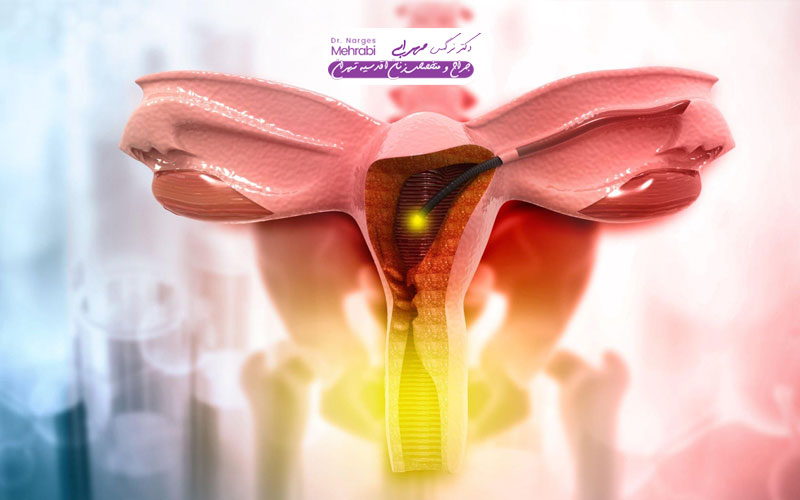
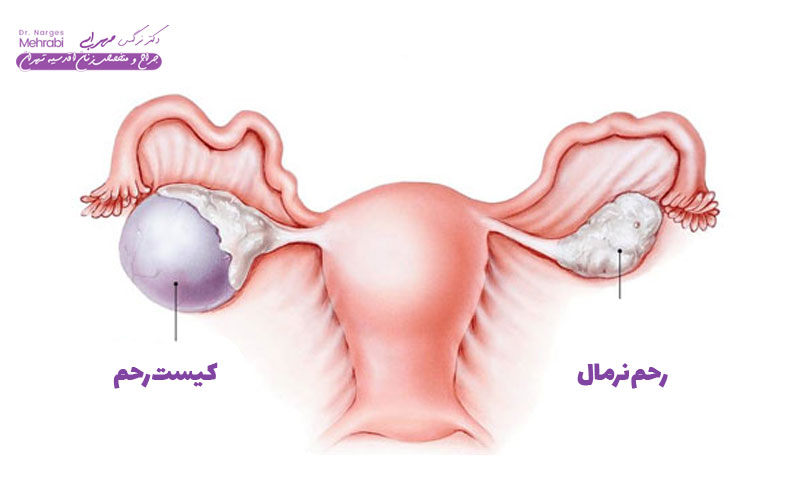
Uterine prolapse is a condition in which the uterus descends from its natural position inside the pelvis. It moves and falls into the vagina. This happens when the muscles and ligaments that support the uterus, known as the supporting tissues of the pelvic floor, are not able to hold the uterus in its original position due to weakness and stretching. This condition can occur for various reasons, including multiple births, aging, menopause and decreased estrogen levels, obesity and heavy physical activities. This complication occurs with different severities and may vary from a slight prolapse to the complete exit of the uterus from the vagina.
uterine prolapse What is it
This weakness in the pelvic floor muscles is a key factor in uterine prolapse. Like a cradle, these muscles hold the pelvic organs including the uterus, bladder and intestines in place. When these muscles and connective tissues are damaged, the supporting structures weaken and lose their ability to support the organs. As a result, the organs move downward, which leads to a feeling of pressure, discomfort and pain.
In addition to childbirth, other factors can increase the risk of uterine prolapse. Chronic coughing, persistent constipation, heavy lifting, and even some genetic diseases that affect the connective tissue can contribute to weakening of the pelvic floor muscles. These factors continuously put pressure on the tissues and gradually lead to sagging. In such a situation, laparoscopic uterine prolapse surgery is proposed as an effective and therapeutic solution. It is possible to prevent uterine prolapse by strengthening the pelvic floor muscles through Kegel exercises and maintaining an ideal weight. However, when the prolapse reaches a stage where the symptoms affect a person's daily life, medical intervention is necessary. At this stage, choosing the right treatment method is of great importance, and in the following we will discuss uterine prolapse surgery with laparoscopy, as one of the most advanced methods. Uterus
Recognizing the symptoms of uterine prolapse can help in timely diagnosis and proper treatment. The symptoms of this disease may be mild and imperceptible at first, but as the prolapse progresses, their severity increases. One of the most common symptoms is a feeling of heaviness or pressure in the pelvic area, often described as "feeling like you're sitting on a ball" or "tightness in the lower abdomen." This sensation can worsen during prolonged standing or vigorous physical activity.
In addition, changes in bladder and bowel function are also key symptoms. A prolapsed uterus can put pressure on the bladder and lead to urinary incontinence, frequent urination, or the feeling of not emptying the bladder completely. Also, bowel function may be disturbed, leading to constipation or the need to strain more to pass stool. These symptoms are caused by the pressure exerted by the uterus on the adjacent organs.
During the first weeks after laparoscopic uterine prolapse surgery, it is recommended to avoid heavy lifting, vigorous exercise and activities that put pressure on the pelvic area. A short, slow walk can help improve blood circulation and prevent blood clots. Talk to your doctor about the right time to return to sports, sex, and work. Your doctor will usually recommend abstaining from sexual activity for the first few weeks.
Eating a high-fiber diet is also important to prevent constipation, which can put pressure on stitches. In general, following your doctor's instructions and showing up for post-op visits on time will help ensure a successful recovery and full recovery. Uterine prolapse surgery with laparoscopy allows you to return to your normal and healthy life faster.
comparison uterine prolapse surgery with Laparoscopy with traditional methods
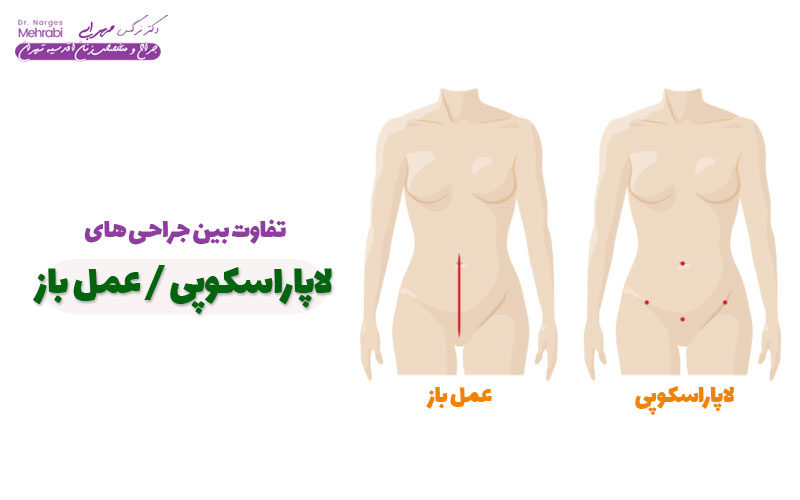
The comparison of uterine prolapse surgery with laparoscopy with traditional methods (open surgery) clearly shows the superiority of this modern method. In open surgery, a large incision is made in the abdomen, which provides direct access to the organs. This large incision leads to more severe pain, more bleeding, and an increased risk of infection. The recovery period in open surgery is also much longer, and the patient may be away from work and daily activities for weeks.
On the other hand, laparoscopic uterine prolapse surgery is a minimally invasive procedure that is performed with very small incisions. This fundamental difference results in significantly less postoperative pain, less bleeding, and a lower risk of infection. Because the laparoscope provides magnified images of the inside of the body, the surgeon is able to operate with greater precision and minimize damage to healthy tissue.
Another key difference is the speed of recovery. After laparoscopic uterine prolapse surgery, patients can usually return to light activities within a few days, while with open surgery, this may take weeks or even months. This quick recovery allows a person to recover their quality of life faster and get rid of the problems related to the long-term recovery period.
Due to these advantages, laparoscopic uterine prolapse surgery has quickly replaced traditional surgeries as an advanced and efficient treatment method. Choosing this treatment method not only leads to better results, but also changes the patient experience from a major surgery to a more tolerable treatment process. Therefore, doctors are increasingly recommending this technique for the treatment of uterine prolapse.
Possible side effects and risks of laparoscopic uterine prolapse surgery
as in any procedure Surgery, laparoscopic uterine prolapse surgery may also have complications and risks, although they are less likely than open surgery. One of the most common complications after surgery is abdominal pain and bloating, which usually occurs due to gas injected into the abdomen and resolves within a few days. Infection at the site of the incisions is also a possible complication that can be prevented by maintaining good hygiene and using antibiotics properly. Rare but more serious risks include damage to nearby organs such as the bladder, intestines, or blood vessels during surgery. These complications are very rare due to the high accuracy of laparoscopic uterine prolapse surgery and magnified images, but they should be considered. Also, adverse reactions to general anesthesia are always a possible risk. To minimize these risks, it is necessary to carefully review the patient's medical history before the operation.
In rare cases, internal bleeding may occur after the operation, which requires immediate medical intervention. Symptoms such as severe and unbearable pain, high fever, abnormal redness and swelling at the site of the incisions, and heavy bleeding from the vagina or at the site of the incisions should be reported to the doctor immediately. Prompt and accurate notification to the doctor can prevent more serious complications. Despite these possible risks, laparoscopic uterine prolapse surgery is generally considered a safe and successful procedure. Choosing an experienced and expert surgeon in this field, along with strict adherence to pre- and post-operative recommendations, can significantly reduce the risks. As a result, the benefits of this surgery usually outweigh its risks and allow patients to proceed with their treatment with more confidence. href="https://drmehraabi.com/%d9%84%d8%a7%d9%be%d8%a7%d8%b1%d8%a7%d8%b3%da%a9%d9%88%d9%be%db%8c-% d8%b1%d8%ad%d9%85-%d8%a8%d8%b1%d8%a7%db%8c-%d9%86%d8%a7%d8%a8%d8%a7%d8%b1%d9%88%d8%b1%db%8c/>womb With laparoscopy as an advanced and efficient solution, it has opened new horizons in the treatment of uterine prolapse. This method, with benefits such as pain reduction, shorter recovery period and fewer complications, allows patients to treat themselves with more peace of mind. Laparoscopy not only leads to excellent treatment results, but also improves the quality of life of patients dramatically and quickly returns them to their normal lives. According to the information presented in this article, it can be concluded that knowing the symptoms of uterine prolapse and choosing an appropriate treatment method are vital steps in the management of this disease. Laparoscopy uterine prolapse surgery as a modern technique, is a safe and effective alternative to traditional and invasive surgeries. This technique allows the doctor to solve the problem with high precision and delicacy and prevent damage to healthy tissues.
If you see any symptoms of uterine prolapse, consulting a specialist doctor to investigate the possibility of performing uterine prolapse surgery with laparoscopy is the first and most important step. With the right choice and strict adherence to medical instructions, you can effectively treat this condition and prevent its return. Finally, your health and well-being is the main priority, and modern medical technologies such as laparoscopy are at your service to achieve this goal. href="https://drmehraabi.com/%d8%af%da%a9%d8%aa%d8%b1-%d9%85%d8%aa%d8%ae%d8%b5%d8%b5-%d8%a7%d9%86% d8%af%d9%88%d9%85%d8%aa%d8%b1%db%8c%d9%88%d8%b2-%d8%af%d8%b1-%d8%aa%d9%87%d8%b1%d8%a7%d9%86/">
How long will it take me to recover from laparoscopic uterine prolapse surgery?
The recovery period after laparoscopic uterine prolapse surgery is usually very short. Most patients can be discharged from the hospital within one to two days and return to their light and daily activities within a week. However, full recovery may take several weeks, and it is recommended that you avoid heavy lifting and strenuous exercise for several weeks.
Is laparoscopic prolapse surgery suitable for everyone?
Laparoscopy uterine prolapse surgery is suitable for many people with uterine prolapse, but the final decision rests with the surgeon. The doctor will recommend the best treatment method after examining your general health condition, severity of prolapse and medical history. In cases where the prolapse is very severe or the patient has certain medical conditions, other methods may be recommended.
Can uterine prolapse return after surgery?
Probability of uterine prolapse after uterine prolapse surgery with Laparoscopy is possible, but this possibility depends on various factors such as the initial severity of prolapse, surgical technique, and compliance with postoperative care. The doctor usually uses methods such as the use of mesh to reinforce the tissues to minimize the risk of recurrence. Also, doing Kegel exercises and maintaining a proper weight can be effective in preventing prolapse again.
Will this surgery affect my fertility or sex life?
Uterine prolapse surgery with Laparoscopy generally does not affect fertility, unless it is combined with removal of the uterus (hysterectomy). When it comes to sex life, many women report a significant improvement in the quality of their sex life after full recovery, as the uncomfortable symptoms of prolapse have disappeared. However, it is recommended that you refrain from sexual activity for several weeks after the operation.
Can non-invasive methods be used instead of surgery?
Yes, in mild cases of uterine prolapse, Non-invasive methods such as pelvic floor exercises (Kegel exercises), using a pessary (a silicone ring placed in the vagina to hold the uterus) or lifestyle changes can be used. However, when prolapse is severe and the symptoms are bothersome, laparoscopic prolapse surgery is considered the most effective and permanent solution. ">
In many cases, the cost of laparoscopic uterine prolapse surgery is covered by health insurance because this surgery is recognized as a medical necessity to treat a disease. However, to ensure insurance coverage and possible costs, it is recommended to contact your insurance company and check the details before the procedure.
Laparoscopic uterine prolapse surgery.
This article is being updated and expanded to meet SEO standards.