Laparoscopic recovery period of the uterus Dr. Narges Mehrabi
3 weeks ago
571 بازدید
Dr. Narges Mehrabi
تهران
Surgeon and gynecology and infertility specialist
Uterus laparoscopic recovery period
Surgery, in any form, is always associated with worries and concerns, especially when women's health and sensitive organs such as the uterus are involved. In the past, hysterectomy procedures often involved large incisions and long recovery periods that kept patients away from normal life for weeks. But today, with tremendous advances in medical science, the laparoscopic method of the uterus as a minimally invasive option has revolutionized the field. Thanks to this technology, the recovery period for hysteroscopy has become shorter and easier than ever, allowing women to return to their normal routines more quickly. Imagine that you can experience a faster recovery without the need for extensive incisions and excruciating pain. Uterine laparoscopy, by using several small incisions and delicate instruments, has made it possible to perform complex surgeries and has significantly reduced the physical and psychological burden of the operation. This method not only helps to reduce pain and bleeding, but also preserves the beauty of the appearance and eliminates the concerns of large scars. These are the benefits that make laparoscopic hysterectomy recovery a more positive experience.
This article will help you learn about all aspects of laparoscopic hysterectomy recovery. From immediate post-operative expectations to long-term care, we'll provide you with all the information you need for a smooth and successful recovery. Whether you're considering or have recently undergone this procedure, this comprehensive guide will reassure you how to smartly smooth your recovery path and get back to full health in the shortest possible time. href="#%D9%84%D8%A7%D9%BE%D8%A7%D8%B1%D8%A7%D8%B3%DA%A9%D9%88%D9%BE%DB%8C-%D8%B1%D8%AD%D9%85-%DA%86%DB%8C%D8%B3% "Laparoscopy" What is uterus and why is it done?
What is a laparoscopy of the uterus and why is it done?
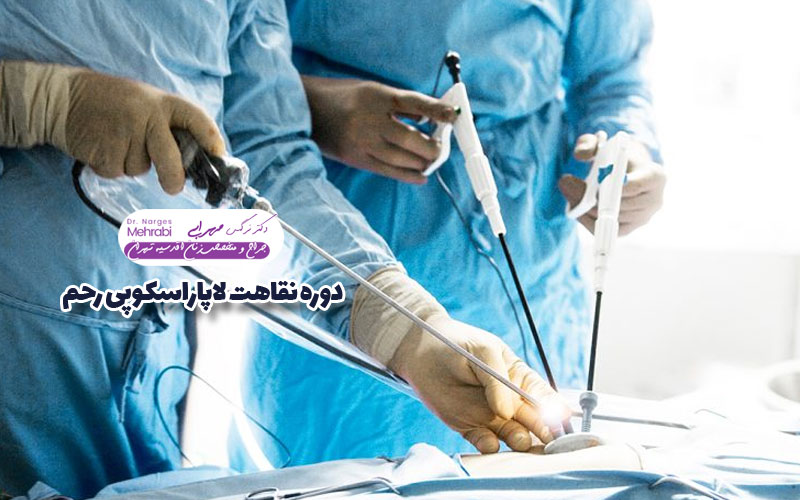
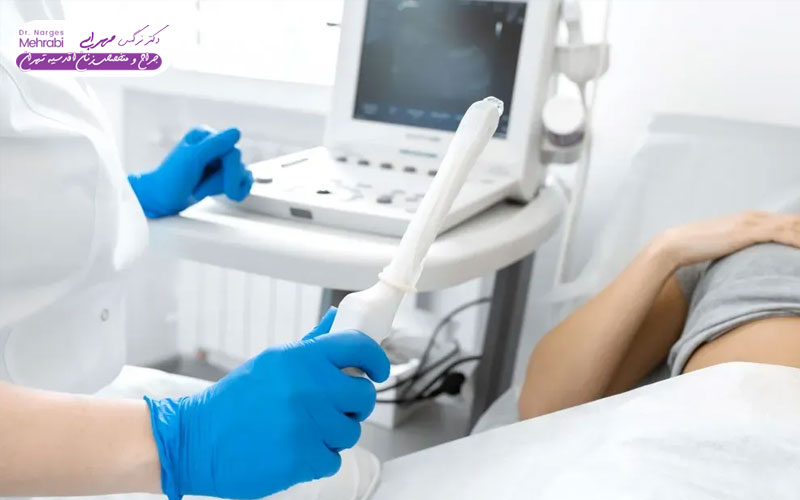
Laparoscopy of the uterus, also called keyhole surgery, is a minimally invasive surgical procedure that allows the surgeon to access the uterus and other pelvic organs by making very small incisions (usually 0.5 to 1 cm) in the abdomen. This procedure is performed by inserting a thin tube containing a camera (laparoscope) and delicate surgical instruments, and transmits images to a monitor so that the surgeon has a clear view of the operation area. This minimally invasive approach makes a significant difference in the laparoscopic recovery period of the uterus.
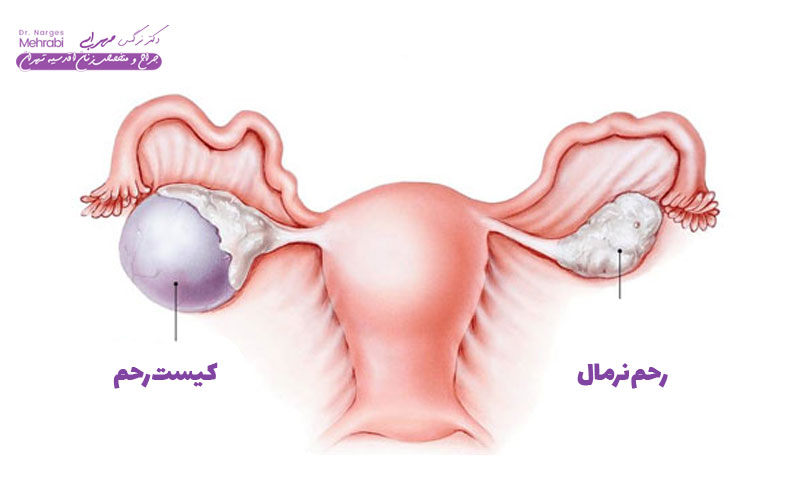
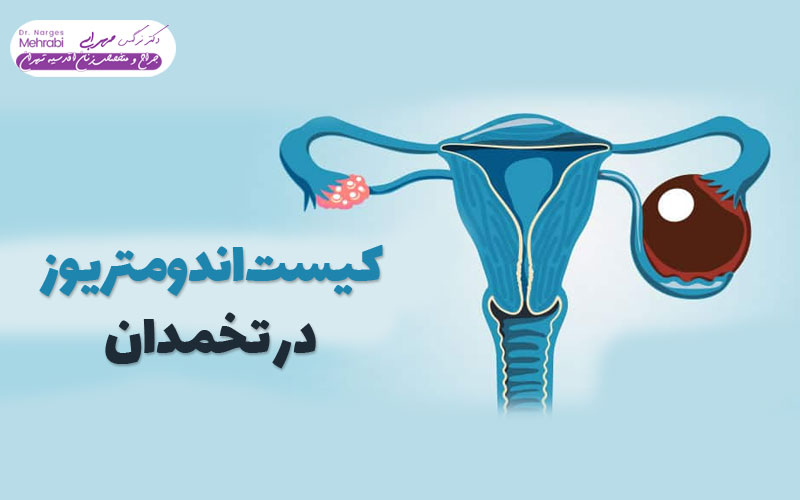
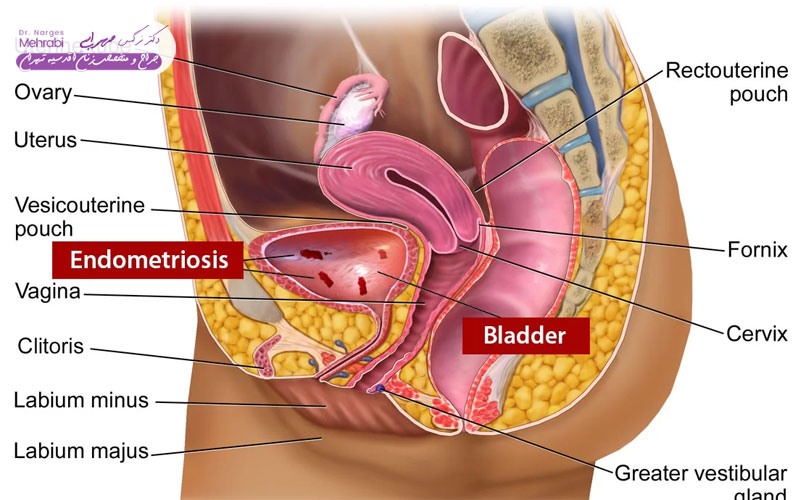
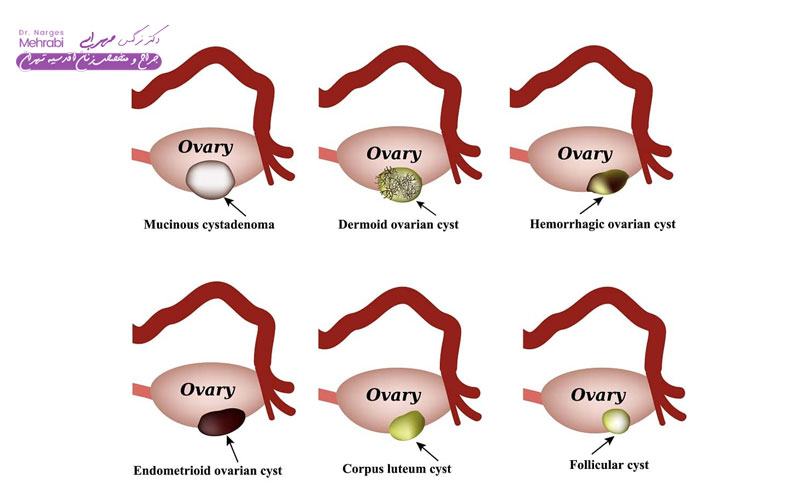
This surgery is used to diagnose and treat a wide range of women's diseases. Among the common reasons for uterine laparoscopy are the treatment of uterine fibroids, endometriosis, ovarian cysts, pelvic adhesions, ectopic pregnancy and even hysterectomy (removal of the uterus). The high accuracy of this method and less damage to the surrounding healthy tissues have made it a preferable option in many cases. One of the key advantages of laparoscopy is the possibility of diagnosing and treating some problems at the same time. For example, the surgeon can remove endometriosis lesions during laparoscopy. This capability not only eliminates the need for a second surgery, but also helps the patient to get rid of annoying symptoms faster and experience a shorter and more efficient laparoscopic hysteroscopy recovery period.
Advantages of laparoscopic uterus compared to open surgery
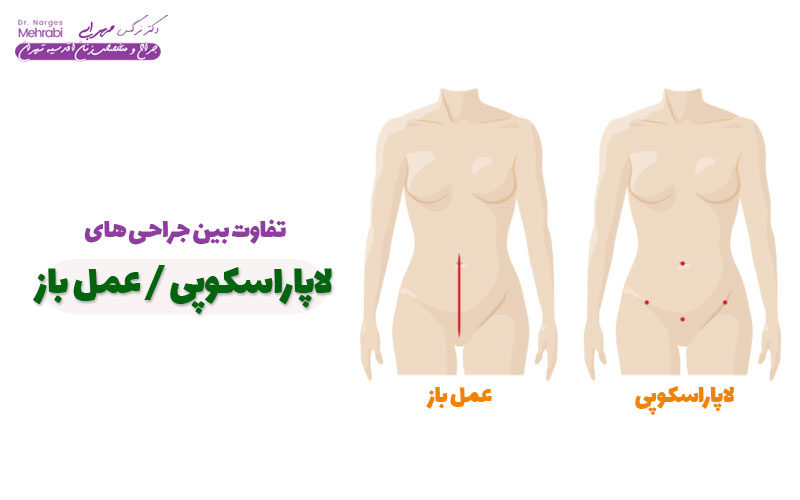
Laparoscopy of the uterus Compared to traditional open surgery, it has significant advantages that directly affect the recovery period of laparoscopic uterus positively. The most important advantage is the small size of the cuts. While open surgery requires a large incision in the abdomen, laparoscopy is performed with only a few small incisions. This means less pain, less bleeding, and a lower risk of infection.
Another major benefit is reduced damage to surrounding tissues. In open surgery, more tissues are exposed to manipulation, which can lead to inflammation and the formation of more adhesions. But in laparoscopy, the surgeon directly accesses the target area with minimal manipulation, which helps reduce post-operative adhesions and faster recovery. Also, the recovery period of laparoscopy is significantly shorter due to the above advantages. Patients can usually be discharged from the hospital the same day or the next day and return to their normal activities within days to weeks, whereas with open surgery this time can take several weeks to months. This possibility of faster return to daily life is one of the main values of laparoscopy.
immediate care after laparoscopic uterine surgery
immediate care after surgery plays a vital role in determining the quality They have a laparoscopic recovery period. After you wake up from anesthesia, you may feel sleepy, nauseous, or have mild pain in your stomach and shoulders. Shoulder pain is caused by the gas used to open the abdominal cavity during surgery and usually goes away within 24 to 48 hours.
The treatment team will closely monitor your general condition at this stage. Pain control with pain medication, checking vital signs, and encouraging early movement are among the measures taken. Getting up and walking, even for short distances, as soon as your doctor allows it, is very important to prevent blood clots and improve bowel function, helping to speed up the laparoscopic recovery period.
Also, in these early hours, you may have a slight vaginal discharge or spotting, which is normal. Dressings on incisions should be kept dry and clean. The nurses will teach you the necessary instructions on how to care for the wounds, when to remove the stitches (if necessary) and the medications to be taken so that you can enter the uterine laparoscopic recovery at home with full knowledge.
pain management during laparoscopic uterine recovery
One of the main concerns of patients is pain management during uterine laparoscopic recovery. Although laparoscopy is minimally invasive, it is still surgery and there may be post-operative pain. The pain is usually mild to moderate and can be controlled with prescription pain medications.
Your doctor will usually prescribe a combination of oral pain relievers, such as ibuprofen or acetaminophen, and stronger pain relievers, if needed, to control more severe pain. It is important to take the medications as prescribed by the doctor and on time so that the pain is well controlled and does not interfere with your daily activities during the laparoscopic hysterectomy recovery period. is-layout-flow wp-block-column-is-layout-flow">
In addition to medications, use a cold compress on the incision area for the first 24 to 48 hours. It can help reduce swelling and pain. Sufficient rest, avoiding heavy activities and maintaining wound hygiene are also effective in reducing pain and speeding up recovery. In case of severe and uncontrollable pain or worsening pain, be sure to contact your doctor.
permitted and prohibited activities during the recovery period
During the uterine laparoscopic recovery period, It is very important to strictly follow the doctor's instructions regarding permitted and prohibited activities to prevent complications and speed up recovery. In general, light movement and walking is encouraged from the start, as this helps prevent blood clots and improve bowel function.
However, heavy activity and any activity that puts a lot of pressure on the abdominal muscles is prohibited for the first few weeks. This includes heavy lifting, vigorous exercise, and doing household chores that require a lot of bending. Your doctor will determine the exact time to return to these activities based on your recovery process. Following these restrictions is critical during your laparoscopic hysteroscopy recovery.
As for driving, it is usually recommended that you avoid driving until you have stopped taking strong pain medications and are able to react quickly. Returning to work also varies depending on the type of job you have; Light office work may be allowed after a few days to a week, while more strenuous physical work may require more recovery time. Sex is usually allowed after 2 to 4 weeks and with the doctor's advice.
nutrition and hydration during recovery
Proper nutrition and adequate hydration play a very important role in facilitating the recovery period. Laparoscopy of the uterus and accelerate recovery. After anesthesia, you may feel a little nauseous, so it's best to start with clear liquids and light, light meals. Thin soups, jellies, and juices without pulp are good options.
Gradually and as your body tolerates it, you can change your diet to more solid and nutritious foods. Adequate fiber intake is important to prevent constipation, which is a common problem after surgery. Include fruits, vegetables and whole grains in your diet. Hydration by drinking plenty of water is also essential for overall recovery and bowel function.
Avoid eating fatty, spicy, and flatulent foods during the first few days of your hysterectomy recovery, as these foods can cause stomach upset and aggravate nausea. Also, avoid fizzy drinks, which can cause bloating and pain. A balanced diet rich in nutrients will help your body regain lost strength and speed up the healing process. Hysteroscopy usually goes smoothly, but it is vital to be aware of the warning signs that require immediate medical attention. These symptoms can be a sign of possible complications that require medical attention. High fever (more than 38°C) is one of the most important symptoms that can be a sign of infection.
Severe and uncontrollable pain in the abdomen that does not improve with pain medication, persistent nausea and vomiting, severe swelling or redness around incisions, purulent or foul-smelling discharge from wounds, and heavy vaginal bleeding (more than a heavy period) are other danger signs. Any of these cases should be reported to the doctor immediately. href="https://drmehraabi.com/%da%a9%d9%88%d9%84%d9%be%d9%88%d8%b3%da%a9%d9%88%d9%be% colposcopy womb
How long is the recovery period for laparoscopy of the uterus?
The recovery period for laparoscopy of the uterus is usually shorter than open surgery. Most patients can be discharged from the hospital within 1 to 2 days. Return to light daily activities may take 3 to 7 days, while full return to all activities, including strenuous exercise, may take 2 to 6 weeks. This time varies depending on the type of surgery and individual circumstances.
When can I drive after hysteroscopy?
It is usually recommended that you do not stop taking strong pain medications until you are able to drive. If you don't have fast reactions in driving, avoid driving. This period is usually 1-2 weeks after hysteroscopy, but it is better to consult your doctor.
Will I feel pain after hysteroscopy?
Yes, it is normal after Laparoscopy of the uterus You will have some pain, but this pain is usually mild to moderate. Pain may be felt at the incision site, in the abdomen, or even in the shoulders (due to the gas used in the surgery). The doctor will prescribe painkillers to control this pain.
When can I return to work after hysteroscopy?
The time to return to work depends on the type of your job. If your job is light and does not require a lot of physical activity (such as office work), you may be able to return to work within 3 to 7 days. But for heavier physical work, 2 to 4 weeks or more may be needed.
Can I exercise after hysteroscopy?
Heavy sports activities, lifting Heavy lifting and any activity that puts a lot of pressure on the abdominal muscles is usually prohibited for 4 to 6 weeks after hysteroscopy. Light walking is usually allowed the day after surgery. Always check with your doctor before resuming sports activities.
What kind of foods should I eat during my hysterectomy recovery?
At first, light foods and clear liquids are recommended. Gradually, you can switch to soft, low-fat, high-fiber foods to prevent constipation. Avoid spicy, fatty, flatulent foods and carbonated drinks during the first few days of the laparoscopic recovery period. Drinking plenty of water is also very important.
Laparoscopic Uterine Recovery Period.
This article is being updated and expanded to meet SEO standards.