
Kidney infection during pregnancy; Causes and treatment
Kidney infection during pregnancy is also known as pyelonephritis. This disease can appear as acute or chronic. This infection can involve one or both kidneys.
Urinary tract infections are more common during pregnancy. This is due to the changes that occur in the mother's body. Pyelonephritis is one of the most serious types of urinary tract infection that can lead to hospitalization.
This disease occurs when pathogens such as bacteria begin to move to the top of the bladder and reach the kidneys through the ureter.
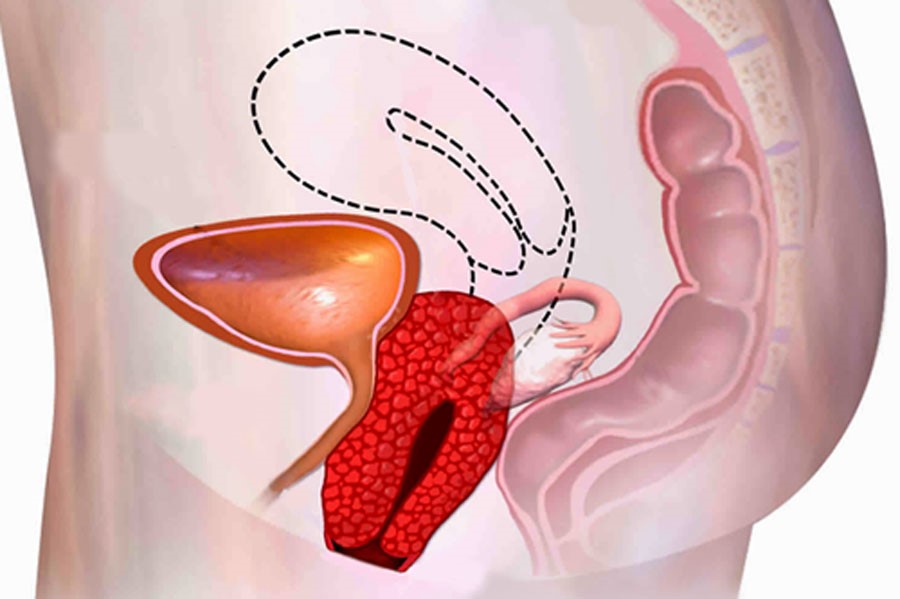
The ureters transfer urine from the kidney to the bladder and it is excreted through the urethra. During pregnancy, the high concentration of the hormone progesterone can prevent the contraction of these ducts.
Also, as the uterus enlarges during pregnancy, the ureters will be under pressure. These changes lead to problems in the proper drainage of urine from the kidneys and will cause it to remain stagnant.
Due to the higher prevalence of urinary tract infections in pregnant women and the risk of pyelonephritis in all pregnant women, a urine test must be taken from the mother in the beginning of pregnancy and in the seventh month, and in the rest of the pregnancy, if there are urinary symptoms, a urine test should be done again.
As a result, bladder bacteria may migrate to the kidneys instead of leaving the urinary system.
This will cause kidney infection during pregnancy. The most common type of these bacteria, Escherichia coli bacteria. coli) is Other bacteria such as Klebsiella pneumoniae, enterococcus, streptococcus and staphylococcus can also cause kidney infection.

What are the symptoms of kidney infection during pregnancy?
Symptoms will usually appear within two days of infection. Usually, the first symptom of a kidney infection in pregnancy is a high fever. In this case, the body temperature will be more than 38.9 degrees Celsius.
Fever can also be accompanied by chills and pain. The patient will feel pain in the abdomen, back, side and groin. In some cases, this infection is accompanied by nausea and vomiting. Urinary symptoms are also common in the patient.
Among them, the following can be mentioned:
- Urine frequency
- urgency in emptying urine
- burning when urinating
- dark urine
- bad smell of urine
- general body fatigue
- Hematuria, which is the presence of blood in the urine.
People with chronic pyelonephritis may experience only mild symptoms or may not even have significant symptoms at all.