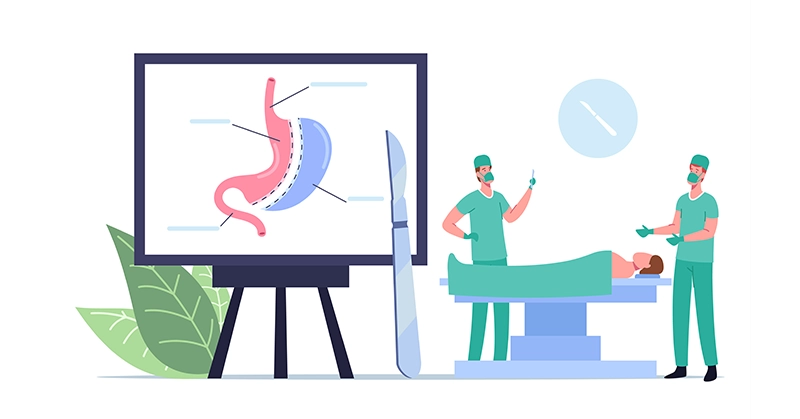


Binge Eating Disorder is one of the most common eating disorders, especially in today's busy and stressful times. The affected person eats a large amount of food in a short period of time, without actually feeling hungry. This behavior is usually associated with feelings of embarrassment, regret and anxiety and can lead to serious physical and mental problems. Sometimes people become extremely obese due to stress, which leads to medical treatments such as stomach slimming operation take refuge.
The important question of many people is: How to treat bulimia nervosa? There is no simple answer, because this problem depends on a combination of psychological, behavioral and environmental factors. But fortunately, there are many scientific and practical solutions that can be implemented to stop the cycle of overeating and improve the quality of life. In this article, we try to examine the treatment methods of bulimia nervosa step by step with real exercises.
Quick access
How to treat bulimia nervosa?
To better understand the process of bulimia nervosa treatment, we can draw a general roadmap and categorize it into four main pillars:
-
Psychological treatments: changing thought and behavioral patterns
-
Lifestyle and diet changes: Creating healthy and sustainable habits
-
Drug treatment: if needed and under the supervision of a doctor
-
Social support and stress management: The role of the environment and people around you
Each of these columns complements the other. A person who is only for Stress Belly Obesity Treatment Relies on medication, probably won't get the desired result in the long run; As the change of diet does not remain stable regardless of psychological factors.
Psychological treatments
1- Cognitive behavioral therapy (CBT)
Cognitive behavioral therapy is the most widely used method in the treatment of bulimia nervosa. In this method, a person learns to identify and correct negative beliefs and automatic thoughts about food and body image. For example, a person who comes home after a stressful day at work and goes to the refrigerator without thinking. In CBT he learns to first identify the trigger: "occupational stress." Then, instead of overeating, choose an alternative activity, for example, a 10-minute walk or calling a friend.
Practical exercise:
Take a notebook and write in three columns:
-
The situation that led to overeating
-
A thought that came to my mind at the moment
-
Alternative reaction I can do

2-Mindfulness-based therapy
Mindfulness helps a person to be present when eating and to stay away from "automatic and unconscious eating".
5-minute practical exercise:
Before starting to eat, take 5 deep breaths. Then slowly put the first bite in your mouth and pay attention to its texture, taste and smell. This practice makes the speed of eating decrease and real satiety is felt sooner.
Combined therapies (ACT and DBT)
-
ACT (Acceptance and Commitment Therapy): Teaches a person to accept negative thoughts instead of fighting them and follow their personal values in life.
-
DBT (Dialectical-Behavioral Therapy): Teaches emotion regulation and stress tolerance skills.
These methods are usually taught by psychologists in specialized centers or online sessions and are very effective for people whose binge eating is caused by severe anxiety.
Pharmaceutical treatment
Drugs are usually prescribed in moderate to severe cases. Antidepressants or drugs that regulate the nervous system can reduce the desire to overeat.
Advantages:
-
Rapid reduction of symptom intensity
-
Helping the person focus in psychotherapy sessions
Disadvantages:
-
Possibility of side effects (such as insomnia or dry mouth)
-
Prescription and doctor supervision required
For example, a person who has tried CBT for several months but continues to binge eat several times a day, may use medication as a backup in consultation with a psychiatrist.
Lifestyle change
1-Diet modification
Many people with bulimia nervosa have a history of strict diets. But extreme restriction usually backfires. The important principle is to create a balance.
Suggested daily schedule:
| Promise | food offer | Reason for selection |
|---|---|---|
| breakfast | wheat bread + egg + vegetables | Protein and fiber for longer satiety |
| Snack | one apple + 10 almonds | blood sugar control |
| Lunch | grilled chicken + brown rice + salad | combination of protein, complex carbohydrates and fiber |
| evening | Greek yogurt + chia seeds | probiotic and protein increase |
| dinner | vegetable soup + whole toast | light and digestible |
| night snack | A glass of warm milk | help to relax and sleep better |
2-Food environment management
Sometimes the environment is more important than the individual's will.
-
Do not store high-calorie and stimulant foods (such as chips or sweets) at home.
-
Do not go to the store to buy food when you are hungry! Purchases will be unrealistic and unnecessary.
-
Use a smaller plate to reduce the volume of food unconsciously.

3-Exercise and sleep
Regular exercise, especially aerobic activity, increases the level of happy hormones (endorphins) and reduces the urge to overeat. For example, a person who is tempted to overeat at night after dinner can take a 20-minute walk outside the house to calm his mind and not have the opportunity to open the refrigerator.
Sufficient sleep (7 to 8 hours a night) is also very important. Lack of sleep increases the hormone ghrelin (hunger hormone) and increases the possibility of overeating.
4-Managing stress and stimuli
| trigger | usual reaction | alternative solution |
|---|---|---|
| work stress | Eat sweets | 10 minutes of breathing or a short walk |
| solitude | Overeating in front of the TV | Phone call with a friend |
| fatigue | Consumption of energy drinks and snacks | Take a short rest or drink water |
| feeling depressed | Eating a lot of ice cream | Write feelings in a notebook or listen to soft music |
temptation control
To control the urge to eat very quickly:
-
Drink a glass of water and wait 10 minutes.
-
Change your location (for example, move from the kitchen to another room).
-
Do a short activity like washing the dishes or reading a few pages of a book.
For long-term control of the temptation of bulimia, the following are helpful:
-
10 minute daily meditation
-
Yoga or stretching exercises
-
Journaling to record thoughts and feelings
Group Therapy
Man is a social being. Having family or friends who listen and support without judgment facilitates the healing process.
Advantages:
-
Increase motivation and sense of belonging
-
Reduce the feeling of loneliness
-
Create commitment to others
For example, a person who joins an online group for people with bulimia can share their experiences and find comfort in hearing similar stories and not feeling alone in their bulimia.
Practical tips to start today
-
Don't skip your meals.
-
Note the overeating triggers and choose an alternative solution.
-
Consult a psychologist or nutritionist.
-
Add short physical activity (even a 10-minute walk) to your daily routine.
-
Clean up the home environment: Do not make high-calorie foods available.

Frequently asked questions about the treatment of bulimia nervosa
1- Is bulimia nervosa only seen in obese people?
No. People with normal weight or even thin may have bulimia nervosa. This disorder is related to a person's behavior and psyche, not just body weight.
2- How does bulimia nervosa differ from normal overeating?
Normal overeating may sometimes happen at parties or celebrations where we are invited and we see colorful food, but in bulimia nervosa, this behavior is often without real hunger and accompanied by feelings of guilt and extreme discomfort.
3- Is it possible to treat bulimia nervosa without seeing a doctor?
Some people improve with lifestyle changes and mindfulness exercises. But in most cases, professional counseling is necessary to get results and treat bulimia nervosa.
4- How long does it take to treat bulimia nervosa?
It usually takes a few months to a year. Continuity in the implementation of stressful binge eating treatment methods is the success factor.
5- Is bulimia nervosa physically dangerous?
Yes. This disorder can cause obesity, type 2 diabetes, high blood pressure, and heart disease. Therefore, timely treatment is very important.
Summary
The main question of this article was: How do we treat bulimia nervosa? The answer is a combination of psychotherapy, lifestyle changes, stress management, social support, and in certain cases drug therapy.
There is no magic formula, but with small and steady steps, this cycle can be broken. The most important principle is accepting the problem and taking practical action. If you decide to make even a small change today, like writing down your binge eating triggers or taking a 10-minute walk, you've taken the first important step toward recovery.