به یاد فرزندان جاویدان این سرزمین

یادشان همواره در قلب این خاک زنده خواهد ماند

Get to know the 9 side effects of teeth bleaching!
مقاله تخصصی

Get to know the 9 side effects of teeth bleaching!

3 weeks ago
540 بازدید
Dr. Azadeh Khaljian

Dr. Azadeh Khaljian

Tehran

Surgeon - dentist

عوارض بلیچینگ دندان

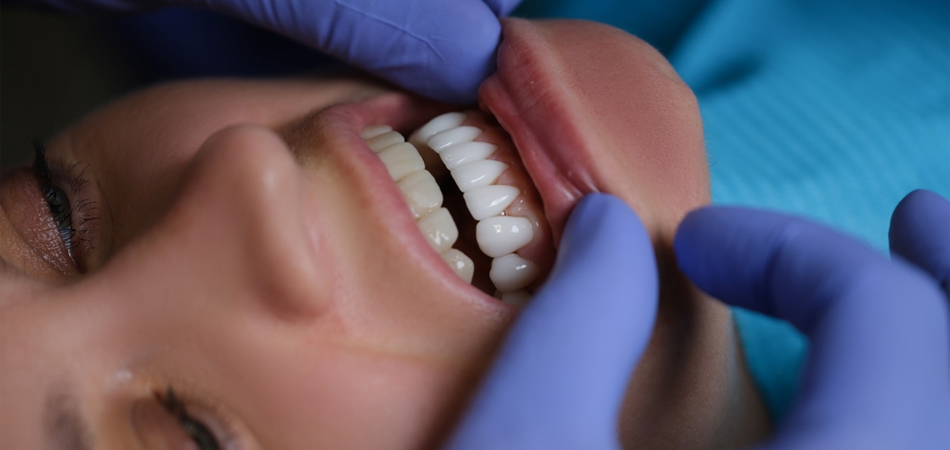
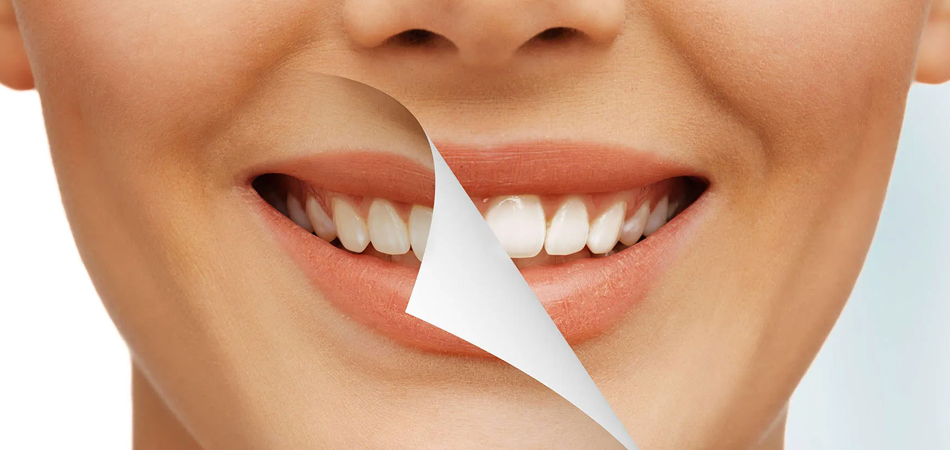
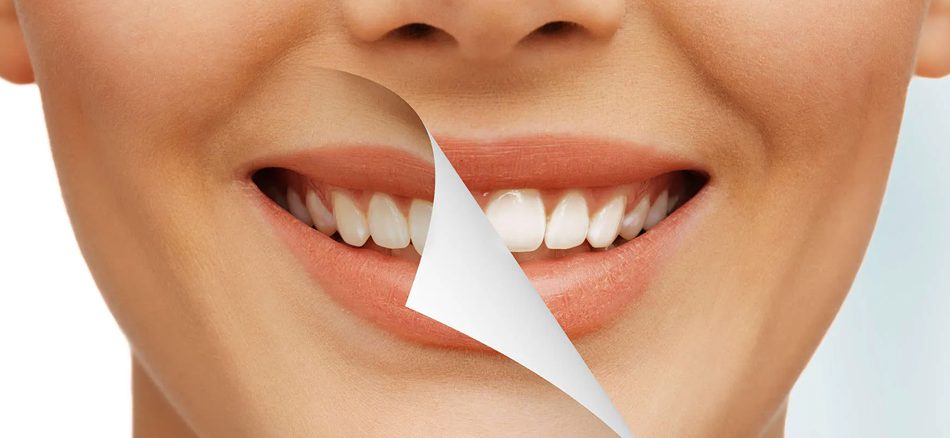
لبخند زیبا و سفید همواره از معیارهای مهم زیبایی چهره محسوب می‌شود. One of the most common and popular methods to lighten the color of teeth is bleaching, which can produce quick results in changing the appearance of the smile. However, it is very important to know the side effects of teeth bleaching and ways to prevent it. Making an informed choice will help you maintain your oral health while enjoying whiter teeth. In the following, all aspects of this dental cosmetic procedure will be fully examined.

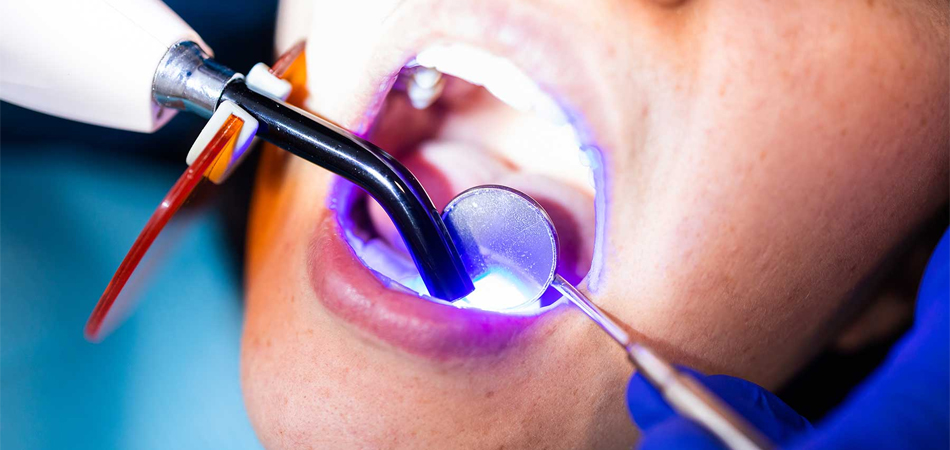
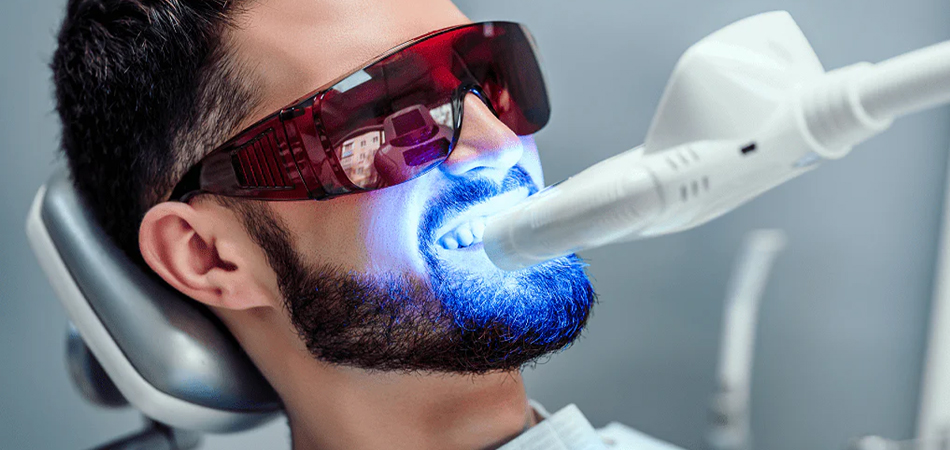
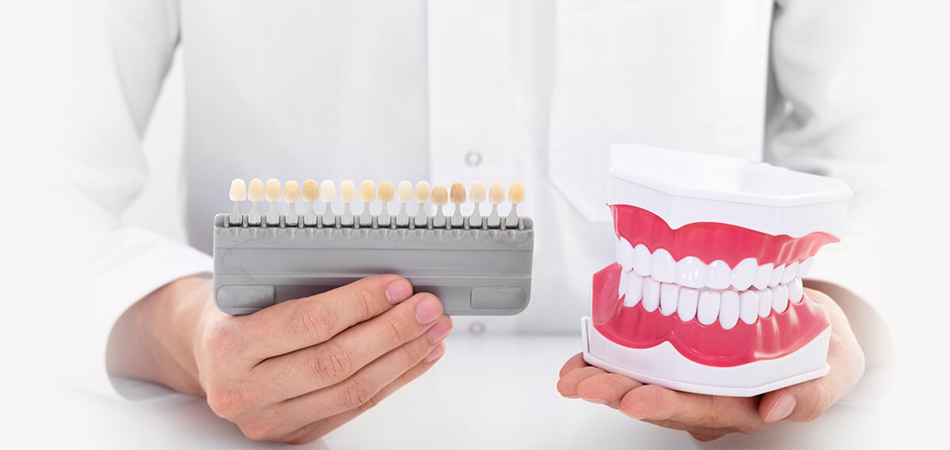
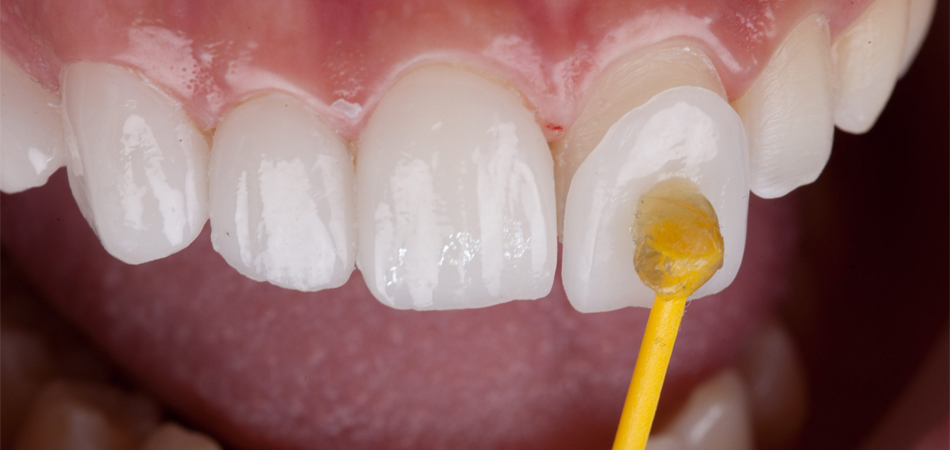
teeth bleaching is a process in which oxidizing agents such as hydrogen peroxide or carbamide peroxide are used to remove surface and deep tooth pigments. These materials penetrate into the tooth enamel layer and cause the decomposition of the coloring compounds. Bleaching is usually done in two main ways: office bleaching (at the dentist's office with light or laser) and home bleaching (at home with a mold and prescribed gel). The main difference between these two methods is the concentration of materials and the speed of teeth whitening.

Benefits of teeth bleaching

Benefits of Teeth Bleaching

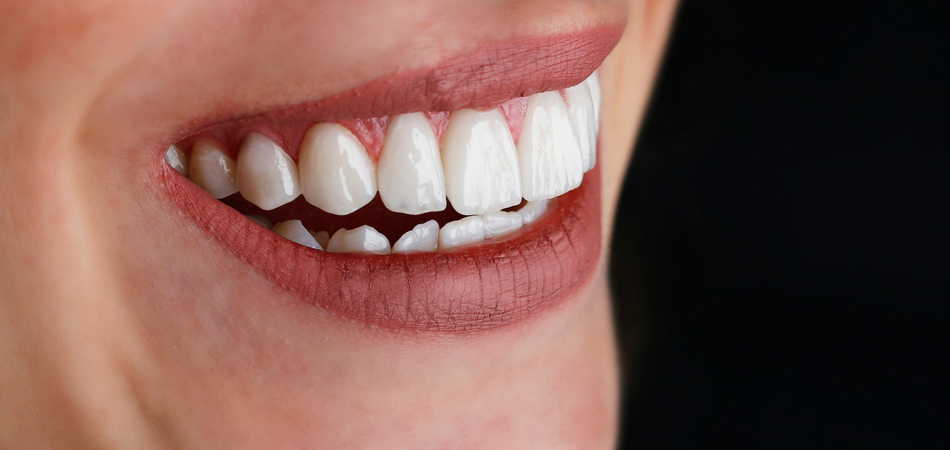
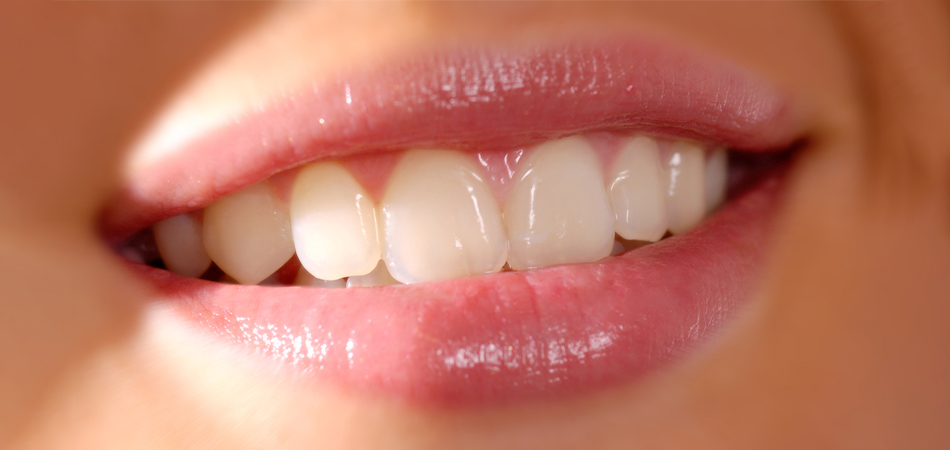
Bleaching teeth is not only a simple cosmetic procedure, but also a method that can help improve the quality of life. This method changes the appearance of the smile by restoring the natural whiteness of the teeth and has a direct effect on people's self-confidence.

  • Increasing self-confidence and smile satisfaction
  • A non-invasive method without the need for tooth grinding
  • See remarkable results in a short time
  • Possibility of redoing to maintain the whiteness of the teeth
  • Lower cost than cosmetic methods such as dental laminate
  • General improvement of facial appearance and coordination

Complications of teeth bleaching

Although bleaching is one of the most popular teeth whitening methods, like any other treatment, it can come with possible side effects. These side effects are usually temporary and controllable, but knowing them will help you to be more prepared for this procedure and have a better management if it occurs.

Tooth sensitivity and burning
Sensitivity and Tooth burning

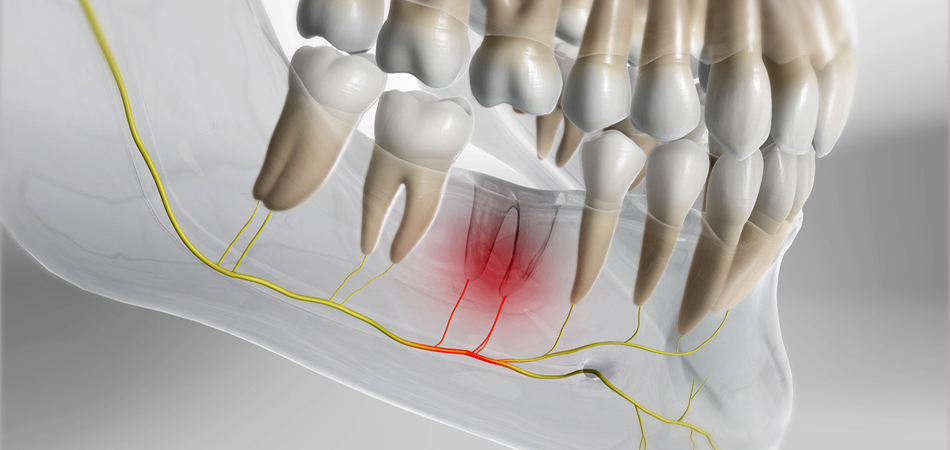
One of the most common side effects of teeth bleaching is temporary sensitivity to cold and heat, which usually subsides within a few days. This situation occurs due to the penetration of bleaching materials into the inner layers of the tooth enamel and the temporary opening of the dentine tubes. The intensity of the sensitivity is different in different people, and it may be felt more in those who have previously had sensitive teeth.

Gum tissue stimulation

Direct contact of the bleaching gel with the gums can cause redness, inflammation or a burning sensation in this area or sometimes, gum periodontitis. This reaction is usually temporary and resolves quickly after the end of the treatment. Observing the correct technique of using the gel and protecting the gums with special tools in cosmetic dentistry reduces the possibility of this problem.

Incidence of toothache

Some people report mild to moderate pain in their teeth after bleaching. This pain occurs more in teeth with small cracks or untreated caries. Fortunately, the pain caused by bleaching is often short-term and can be improved by using simple pain relievers or anti-allergic toothpaste.

Erosion of tooth enamel

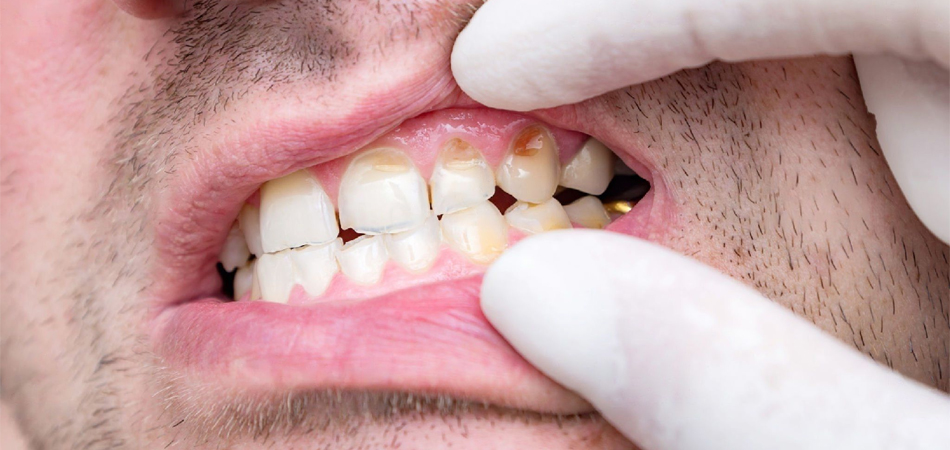
In case of repeated or unprincipled use of bleaching materials, there is a possibility of weakening and thinning of tooth enamel. This erosion can gradually reduce the tooth's resistance to decay and cause more problems. For this reason, bleaching should be done with the dentist's opinion and at appropriate intervals.

Danger of allergic reactions

Chemicals in bleaching gels may cause allergies in some people. These reactions are usually accompanied by symptoms such as itching, swelling, redness or a burning sensation in the mouth. If such symptoms are observed, the use of the gel should be stopped and the matter should be reported to the dentist.

Stimulation of soft tissue

Bleaching gel in contact with the tongue, cheeks or lips can cause irritation or a burning sensation. This happens when too much gel is used or accidentally spread. Using the right mold and following the dentist's instructions will help prevent this problem.

Gum burns and blisters
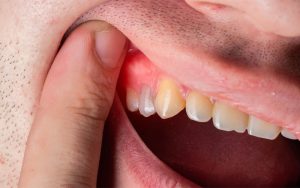
Gum burns and blisters

In rare cases, long-term remaining of the gel on the gums can lead to burns or blisters. This condition is usually painful and needs to be treated quickly. Going to the dentist for treatment and using restorative drugs can speed up the healing process.

tooth roughness

Sometimes after bleaching, the surface of the teeth looks a little rough due to temporary changes in the structure of the enamel. This state is usually temporary and can be resolved by maintaining oral hygiene or using special toothpastes. Also, oral saliva gradually makes the surface of the tooth smoother and the feeling of roughness is reduced.

Discomfort and stomach pain (very rare)

If a small amount of bleaching gel is accidentally swallowed, it may cause stomach pain, nausea or gastrointestinal upset. This is rare and occurs mostly in unsupervised home use. In case of such a situation, it is recommended to drink plenty of water and avoid using the gel again until consulting a doctor.

ways Preventing bleaching complications

Preventing the effects of bleaching

Although teeth bleaching can cause temporary side effects, by following a few simple and basic measures, the possibility of these problems can be greatly reduced and have a safer experience.

  • Choosing a reputable clinic and a skilled dentist: Correct implementation of the procedure and controlling the contact of the gel with the gums will minimize the possibility of complications.
  • Use of anti-inflammatory drugs: as prescribed by the doctor, it can be effective in reducing sensitivity and pain.
  • Using hypoallergenic toothpastes: helps to remove tooth sensitivity sooner.
  • Avoid acidic foods: Acidic substances such as soft drinks or citrus fruits can make tooth enamel more vulnerable after bleaching.

One of the most important steps in bleaching is proper preparation before starting the treatment. Taking some preventive measures can minimize the severity of side effects such as sensitivity, pain or inflammation of the gums and create a safer experience for the person.

Strengthening tooth enamel

To reduce sensitivity, it is recommended to use fluoride or anti-allergenic toothpastes two to three weeks before bleaching. In some cases, the dentist also prescribes fluoride gel or varnish to increase the strength of tooth enamel.

Criminal arrest and oral hygiene

Crime and oral hygiene

It is very important to thoroughly clean the teeth from plaque and tartar before bleaching. This work, in addition to increasing the effectiveness of the treatment, prevents the irritation of the gums by chemicals. Regular brushing and flossing are also necessary at this stage.

Modification of eating habits

Avoiding acidic and colored drinks and foods such as coffee, tea or soft drinks before bleaching helps to make the tooth enamel less vulnerable to damage. This will not only reduce the intensity of the sensitivity, but the final result will be brighter and more lasting.

Choose the right method

People who have a history of severe sensitivity should consult a dentist to use lower concentrations of bleaching materials or choose a supervised home method. This action makes the bleaching process safer and with less complications. For this reason, if you live in Tehran province, choosing the best dentist in Tehran is very important in the method of bleaching your teeth.

Important points after teeth bleaching

Care after bleaching is as important as the treatment itself, because not following them can cause rapid return of discoloration or increased sensitivity. With a few simple actions, you can

Although bleaching is a safe and widely used procedure, not everyone is a good candidate for it. In some situations, this treatment not only does not have the desired result, but may cause more damage to the teeth or gums.

  • People with very sensitive teeth: Bleaching can increase the sensitivity and cause significant discomfort.
  • People with gum problems or decayed teeth: Caries and gum disease should be treated first, because bleaching agents can aggravate inflammation and pain.
  • Pregnant and lactating women: The complete safety of bleaching compounds during this period has not been proven and it is recommended to avoid doing it.
  • Children under 16 years: Due to the underdevelopment of tooth enamel at this age, the use of bleaching materials can damage the tooth structure.

use-of-fluoride

One of the most common problems after bleaching is sensitivity to cold and heat, which can be felt when drinking cold water or eating hot foods. This state is usually temporary, but by following some treatment methods, it can be controlled and resolved faster.

Treatment with fluoride

Fluoride is one of the most effective substances for strengthening tooth enamel and reducing its permeability against temperature stimuli. Regular use of fluoride gel or mouthwash containing this substance can create a protective layer on the teeth and reduce sensitivity. In some cases, the dentist will professionally apply fluoride varnish to the teeth, which has a faster and longer lasting effect. This method is usually recommended for people who experience more severe sensitivity.

Home Remedy

In addition to specialized methods, simple home measures can also be effective in reducing sensitivity. Using anti-allergic toothpastes, placing a cold compress on the cheek to reduce nerve irritation, and avoiding very hot or very cold drinks and foods are the most important solutions. It is also recommended to avoid chewing ice, sticky sweets and acidic foods during this period to reduce tooth enamel irritation. These home measures usually bring the best results along with the dentist's recommendations.

Conclusion

Bleaching teeth is a popular way to achieve a bright smile, but it is very important to be aware of the possible side effects and take care before and after the treatment. Choosing a reputable clinic, consulting a specialist dentist and following health tips can make for a safer and more satisfying experience for you.

Frequently asked questions

1- How long do the side effects of teeth bleaching last?

Often, side effects such as sensitivity or inflammation of the gums go away within a few days to a week, but if they persist, you should see a dentist.

2- Does teeth bleaching in the office have more side effects or at home?

Office bleaching may cause more sensitivity due to the higher concentration of substances, but the dentist's control reduces serious risks.

3- Do all people face complications after teeth bleaching?

No, many people experience bleaching without any particular problem and the severity of the side effects depends on individual conditions.

4- Can bleaching cause damage to the gums?

Yes, if the gel comes into contact with the gums, inflammation or burning may occur, but it is minimized in a controlled environment.

5- Does tooth bleaching hurt?

Temporary mild pain or tenderness may occur, but is usually manageable.

6- Does bleaching damage teeth?

If done excessively or incorrectly, the tooth enamel may be damaged, so it should be done by a specialist.

7- Why are anesthetics not usually used in the bleaching office?

Because the pain and sensitivity after bleaching is usually temporary and mild, and there is no need for anesthesia.

اشتراک‌گذاری:

مقالات مرتبط

مقالات دیگر از Dr. Azadeh Khaljian

37 مقاله
Dental implant complications: from infection to prevention methods
مطالعه بیشتر

Dental implant complications: from infection to prevention methods

۴ آذر, ۱۴۰۴ Atena Razavi دیدگاه: 0...

3 weeks ago بخوانید
Tooth sharpener for tooth laminate
مطالعه بیشتر

Tooth sharpener for tooth laminate

۱۸ اسفند, ۱۴۰۳ Atena Razavi دیدگاه: 0...

3 weeks ago بخوانید
How is dental lamination done for pregnant women?
مطالعه بیشتر

How is dental lamination done for pregnant women?

۲۶ بهمن, ۱۴۰۳ Atena Razavi دیدگاه: 0...

3 weeks ago بخوانید
What are the reasons and complications of tooth grinding for composite?
مطالعه بیشتر

What are the reasons and complications of tooth grinding for composite?

۱۵ آذر, ۱۴۰۴ Atena Razavi دیدگاه: 0...

3 weeks ago بخوانید
What is removable tooth laminate or Snap-on Smile?
مطالعه بیشتر

What is removable tooth laminate or Snap-on Smile?

۱۶ اردیبهشت, ۱۴۰۴ Atena Razavi دیدگاه: 0...

3 weeks ago بخوانید
What is a front tooth implant? Full guide + price
مطالعه بیشتر

What is a front tooth implant? Full guide + price

۱ شهریور, ۱۴۰۴ Atena Razavi دیدگاه: 0...

3 weeks ago بخوانید
A comprehensive guide to perichronitis and its treatment methods
مطالعه بیشتر

A comprehensive guide to perichronitis and its treatment methods

۲۶ بهمن, ۱۴۰۳ مهدیه اسماعیلی دیدگاه: 0...

3 weeks ago بخوانید
Dental implants without implants: a quick and affordable replacement for your smile
مطالعه بیشتر

Dental implants without implants: a quick and affordable replacement for your smile

۱۲ آذر, ۱۴۰۴ Atena Razavi دیدگاه: 0...

3 weeks ago بخوانید
8 complications of dental composite that you must know!
مطالعه بیشتر

8 complications of dental composite that you must know!

۲۰ شهریور, ۱۴۰۴ Atena Razavi دیدگاه: 0...

3 weeks ago بخوانید
What is rabbit tooth composite and for whom is it recommended?
مطالعه بیشتر

What is rabbit tooth composite and for whom is it recommended?

۱۳ شهریور, ۱۴۰۴ Atena Razavi دیدگاه: 0...

3 weeks ago بخوانید
Does composite cause tooth decay?
مطالعه بیشتر

Does composite cause tooth decay?

۱۹ آذر, ۱۴۰۴ Atena Razavi دیدگاه: 0...

3 weeks ago بخوانید
How long does teeth bleaching last?
مطالعه بیشتر

How long does teeth bleaching last?

۵ مهر, ۱۴۰۴ Atena Razavi دیدگاه: 0...

3 weeks ago بخوانید
Care after dental composite
مطالعه بیشتر

Care after dental composite

۲۹ اسفند, ۱۴۰۳ Atena Razavi دیدگاه: 0...

3 weeks ago بخوانید
dry tooth cavity; Symptoms, causes, quick treatment and prevention methods
مطالعه بیشتر

dry tooth cavity; Symptoms, causes, quick treatment and prevention methods

۲۸ آبان, ۱۴۰۴ Atena Razavi دیدگاه: 0...

3 weeks ago بخوانید
Everything about the life of dental laminate; From the right choice to critical care
مطالعه بیشتر

Everything about the life of dental laminate; From the right choice to critical care

۱۹ آبان, ۱۴۰۴ Atena Razavi دیدگاه: 0...

3 weeks ago بخوانید
What to eat and what not to eat after dental composite?
مطالعه بیشتر

What to eat and what not to eat after dental composite?

۳ دی, ۱۴۰۴ Atena Razavi دیدگاه: 0...

3 weeks ago بخوانید
What is crystal laminate and how is it different from ordinary and composite laminate?
مطالعه بیشتر

What is crystal laminate and how is it different from ordinary and composite laminate?

۱۲ مهر, ۱۴۰۴ Atena Razavi دیدگاه: 0...

3 weeks ago بخوانید
Pagedone
Resources
Products
©GCORP LLC 2026, All rights reserved.