
Gastric bypass operation - gastroenterologist in Mashhad Dr. Mehdi Afzal Aghaei
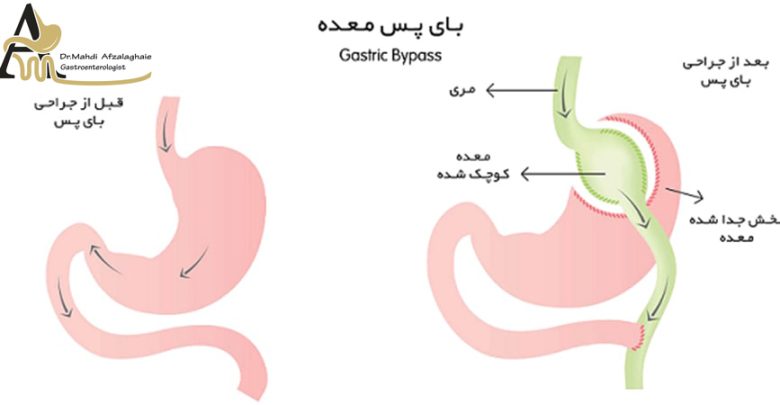 Gastric bypass surgery is also called metabolic surgery. which is a type of bariatric surgery or weight loss. This rash works by limiting the maximum amount that a person is able to eat. And then the absorption of nutrients in the intestine is limited. A person who decides to have this surgery to properly maintain the results of the surgery and not get involved in its complications. He should have the necessary preparations to change his lifestyle and diet.
What is gastric bypass surgery?
Gastric bypass surgery is performed by a surgeon in a hospital or surgery center under general anesthesia. The completion rate of this operation is from 48 hours to 5 days. This surgery is performed on adults and sometimes teenagers. The surgeon creates a small bag, which is about the size of an egg, from the patient's stomach tissue and connects it to the lower part of the small intestine. By doing this, it bypasses the area of the duodenum and the beginning of the small intestine. In this surgery, when the stomach becomes smaller, the person eats less food. Also, by bypassing the upper part of the intestine, fewer calories and nutrients are absorbed by the body. It means that the amount of food eaten decreases and then the amount of absorption of the swallowed food decreases.Who can perform gastric bypass surgery?
Body mass index (BMI) above 40
BMI 35 to 39.9 with at least one serious medical condition such as type 2 diabetes, high blood pressure, or obstructive sleep apnea
BMI 30 to 34.9 with type 2 diabetes or metabolic syndrome that cannot be controlled with drug therapy.
BMI is an outdated and flawed measure. Because it does not include factors such as body composition, ethnicity, gender, race and age. However, BMI is still widely used in the medical community because it is a cheap and quick way to analyze a person's potential health status and outcomes.
Read more: malabsorption syndrome
Who cannot have gastric bypass surgery?
- Those who have severe heart failure.
- People who have unstable coronary artery disease.
- Persons with end-stage lung disease
- Those who are involved in portal hypertension.
- Drug and/or alcohol users
- Impaired mental capacity and/or inability to adhere to lifelong vitamin replacement
- Crohn's disease sufferers
- People with uncontrolled or untreated bulimia nervosa People with untreated major depression or psychosis
- People with severe bleeding disorder
- Patients who are currently being treated for cancer.
- People who are unable to undergo general anesthesia.
Book an appointment with Mashhad stomach balloon doctor and Mashhad stomach botox doctor
Possible risks of gastric bypass operation
A number of risks such as blood clots and bleeding may occur with any surgery. Some risks associated with gastric bypass surgery include:
- Dumping syndrome: the too fast movement of food from the stomach to the small intestine. which can cause nausea, severe diarrhea, lightheadedness and cold sweat. Malnutrition: This surgery reduces the body's ability to absorb nutrients. As a result, a person may suffer from a lack of minerals and vitamins.
- Leakage: Gastrointestinal leakage of digestive juices and partially digested food can occur where the small intestine is connected to the stomach or where it connects to its lower end. Small bowel obstruction: Small bowel obstruction usually occurs due to an internal hernia. This condition occurs when the intestine protrudes through a defect in the abdominal cavity.
- Marginal ulcer formation: It occurs near the junction of the stomach pouch and the small intestine and is similar to a stomach ulcer.
- Gastric Fistula: Gastric fistula refers to the abnormal passage between the new stomach pouch and the rest of the old stomach. Anastomotic stenosis: the small vein is called anastomosis. If the connection between the stomach bag and the small intestine is broken, it will lead to the inability to swallow liquids.
Click here to reserve a liver fibroscan appointment
The main goal of gastric bypass surgery is weight loss. But this surgery is effective for reversing the effects of many diseases and metabolic disorders, such as: Other possible benefits of gastric bypass include improving the quality of life related to a person's health. While the benefits of gastric bypass are many, it should be noted that this operation is only one step and maybe the first step. Patients should make changes in their lifestyle and diet after surgery. It should be noted that, even if a person meets high medical criteria for surgery, they must undergo several evaluations before surgery. to make sure of his medical, psychological and cognitive readiness to perform this lifelong procedure. What is the purpose of gastric bypass surgery?

Content Team
- 2019-01-14

Everything you need to know about hereditary hemochromatosis.
2021-12-30 embolism after gastric sleeve operation src="https://dr-afzalaghaie.ir/wp-content/uploads/%D8%B3%D8%B1%D8%B7%D8%A7%D9%86-%D9%85%D8%B9%D8%AF%D9%87-630x408-1-390x220.jpg">






