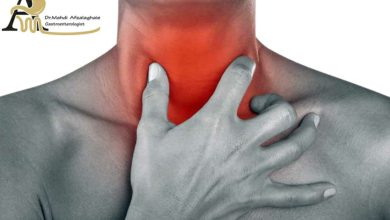
Everything about pharyngitis - gastroenterologist in Mashhad Dr. Mehdi Afzal Aghaei

How does esophageal thrush occur?
Normally, there is a trace of Candida fungus on the surface of the skin and inside the human body. The immune system can regulate these good and bad organisms in the body. However, sometimes a change in the balance between Candida and healthy bacteria can cause yeast overgrowth and infection.
Who are susceptible to esophageal thrush?
If you are in good health, you are unlikely to develop this condition. People with weakened immune systems, such as people with HIV, AIDS or cancer, and the elderly are at greater risk. AIDS is the most common underlying risk factor for this disease.
According to the Centers for Disease Control and Prevention (CDC), 20 percent of people with cancer also have thrush. People with diabetes are also at increased risk of developing thrush, especially if their sugar levels are not well controlled. If you have diabetes, there is often a lot of sugar in your saliva. Sugar allows this yeast to grow. More importantly, uncontrolled diabetes damages the immune system, which allows Candida to thriveIn babies who are born naturally, if the mother has a vaginal yeast infection during childbirth. Babies can also suffer from oral thrush. Also, if their mother's nipples become infected, as a result of breastfeeding, babies will get oral thrush. Esophageal thrush is rare in this method.
There are other risk factors that increase the probability of contracting this disease. If you have the following conditions, it means that you are at higher risk:
- Smoke and cigarettes
- Using artificial prosthesis or partial
- You use certain medicines such as antibiotics
- You use inhaled steroids for diseases such as asthma
- You have dry mouth
- You eat a lot of sweet foods
- have a chronic disease
Study proposal: liver infection
Identifying the symptoms of esophageal thrush
Symptoms of esophageal thrush are:
- White discharge on the lining of the esophagus that may look like cheese and bleed if scratched.
- Pain or discomfort when swallowing
- Dry mouth
- nausea
- bring up
- Weight loss
- chest pain
Esophageal thrush can also spread into the mouth and become oral thrush. The symptoms of oral thrush are:
- White and creamy spots inside the cheeks and on the surface of the tongue
- White spots on the roof of the mouth, tonsils and gums
- Make a crack in the corner of the mouth
Nursing mothers can get Candida infection in their nipples and pass it on to their baby through breastfeeding. The symptoms of nipple infection are:
- Red, sensitive, cracked or itchy nipples
- A lot of pain is felt deep in the chest
- Severe pain during breastfeeding or pain between breastfeeding
If you experience these conditions, you should monitor your child for signs of infection.
Although babies cannot recognize that they are feeling uncomfortable, they may become more moody and irritable. They may also have the distinctive white lesions associated with thrush.
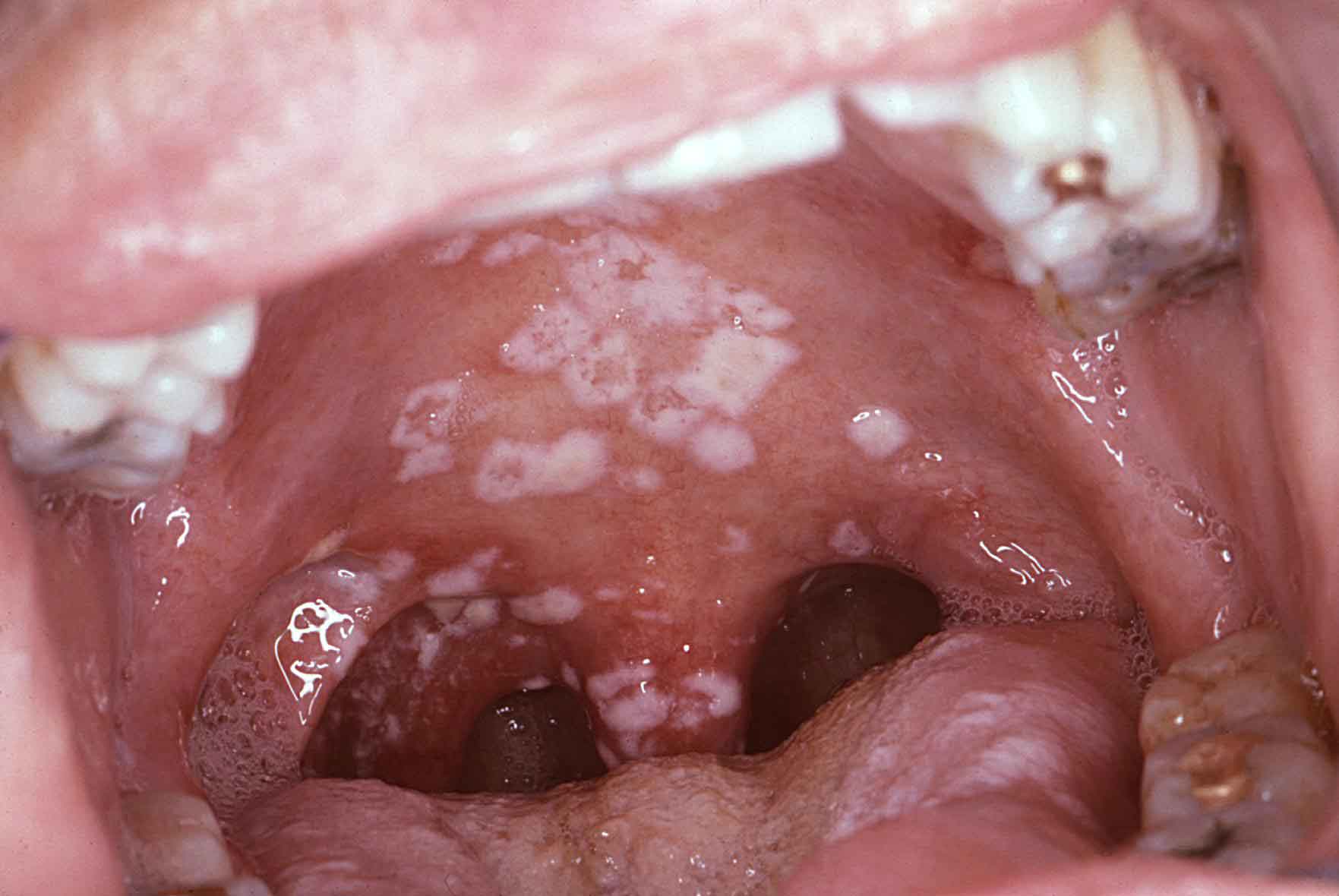
Esophageal thrush test and diagnosis
If the doctor suspects esophageal thrush, he will perform an endoscopic examination.
Endoscopy examination
During this examination, the doctor looks down the throat using an endoscope. An endoscope is a small, flexible tube with a small camera and light source at the end. This tube can also be lowered into the stomach or intestine to check for infection.
Esophageal thrush treatment
The goal of thrush treatment is to eliminate the fungus and prevent its spread. Esophageal thrush requires systemic antifungal therapy, and antifungal drugs such as itraconazole are likely to be prescribed. This prevents the fungus from spreading and removes it from the body. This medicine may be in different forms such as tablets or liquid that you can swirl in your mouth like a mouthwash and then swallow.
If your infection is a little more serious, you will be given an antifungal drug called fluconazole intravenously in the hospital. People with advanced stage HIV need stronger drugs such as amphotericin B. More importantly, HIV treatment is also important to control esophageal thrush. If esophageal thrush has compromised your ability to eat, your doctor can discuss nutritional options with you. This can include high-protein shakes or alternative feeding options, such as a feeding tube in severe cases and if tolerated.
Esophageal thrush prevention
You can reduce your risk of developing esophageal thrush by doing the following:
- Eat yogurt every time you take antibiotics.
- Treat vaginal fungal infections.
- Maintain good oral and dental hygiene.
- See your dentist for regular checkups.
- Limit the amount of sweet foods.
- Limit the amount of foods containing yeast.
Although people with HIV and AIDS are at increased risk for developing esophageal thrush, doctors rarely prescribe prophylactic antifungal medications. Yeast can also become resistant to treatments.
Esophageal thrush health effects in the future
After developing esophageal thrush, the risk of complications is higher in people with weakened immune systems. These complications include the inability to swallow and oral thrush that spreads to other parts of the body. If you have a weakened immune system, it is very important to seek oral thrush treatment as soon as you notice symptoms. Thrush can easily spread to other parts of the body, including:
- Lungs
- Liver
- Valves of the heart
- Intestines
You can reduce the risk of spreading thrush by getting treatment as soon as possible.
Thrush perspective
Esophageal thrush can be painful and, if left untreated, can become a serious or even fatal disease. Talk to your doctor at the first symptoms of oral thrush or esophageal thrush. The possibility of spreading thrush of the esophagus is very high. The more areas of the body are affected, the more severe the infection. Medications are available to treat esophageal thrush, including antifungal medications. It should be noted that quick and accurate treatment can reduce your pain and discomfort. href="https://twitter.com/intent/tweet?text=%D9%87%D9%85%D9%87+%DA%86%DB%8C%D8%B2+%D8%AF%D8%B1%D8%A8%D8%A7 %D8%B1%D9%87+%D8%A8%D8%B1%D9%81%DA%A9+%D9%85%D8%B1%DB%8C&url=https://dr-afzalaghaie.ir/esophageal-thrush/"> Twitter Pinterest WhatsApp Telegram Viber Share by email 
Team Content
Similar posts

benign esophageal stricture
2023-06-17
What is the treatment of symptoms of mild gastric acid reflux?
2019-04-17
Everything about achalasia or esophageal disorder
2022-11-13