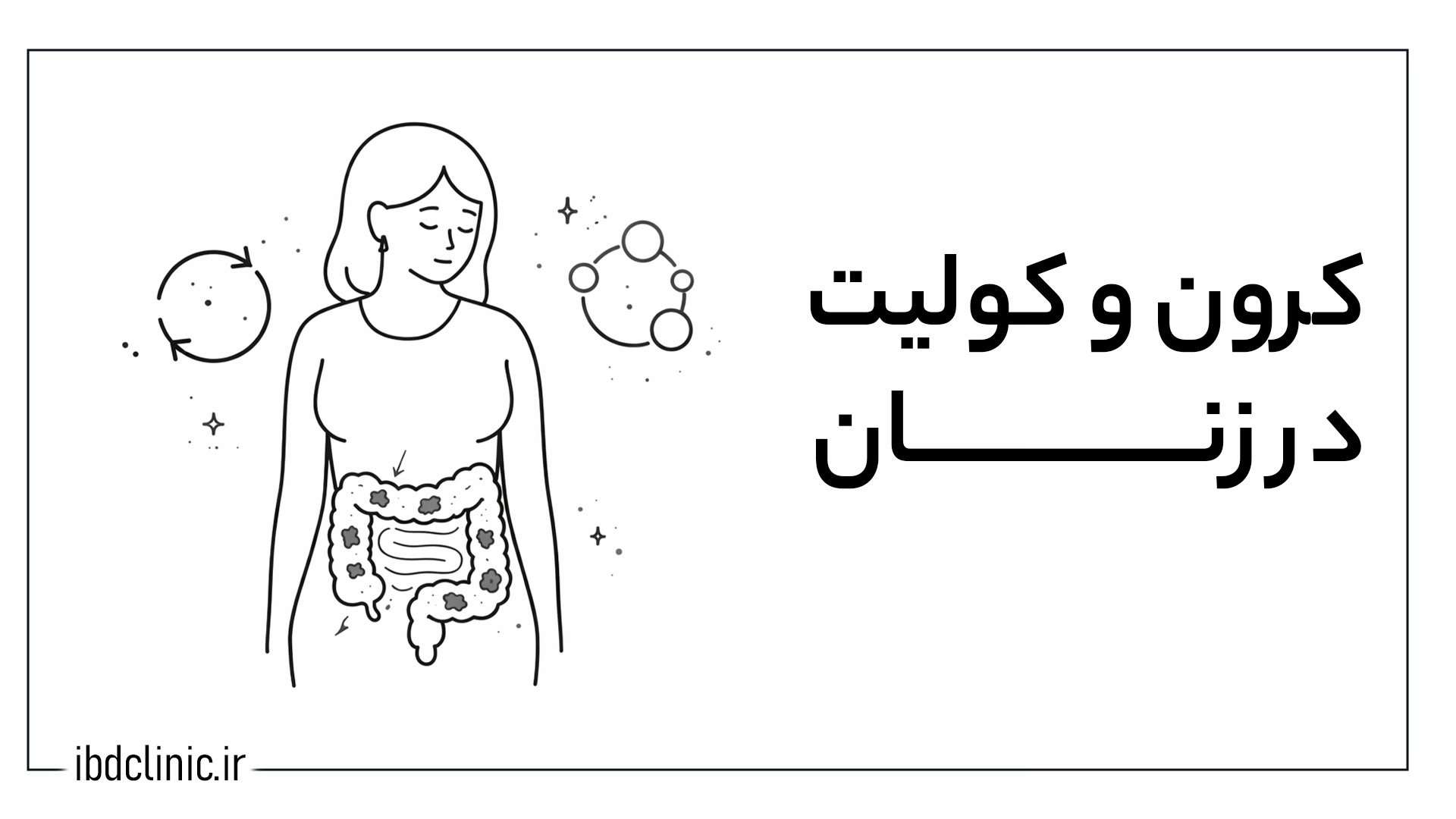


کرون و کولیت در زنان
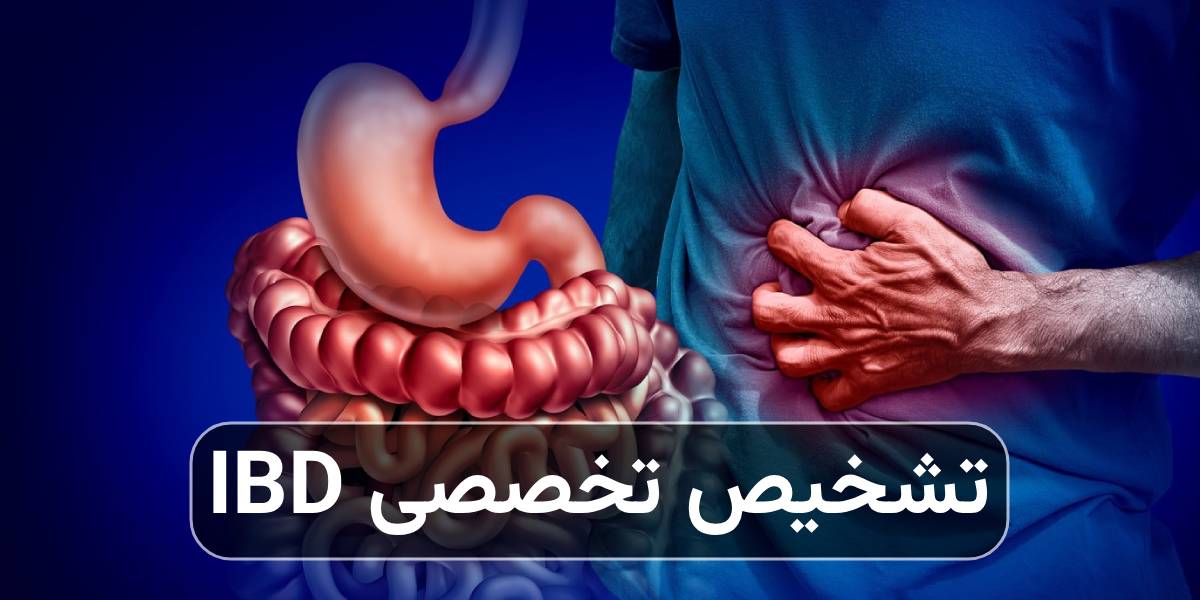
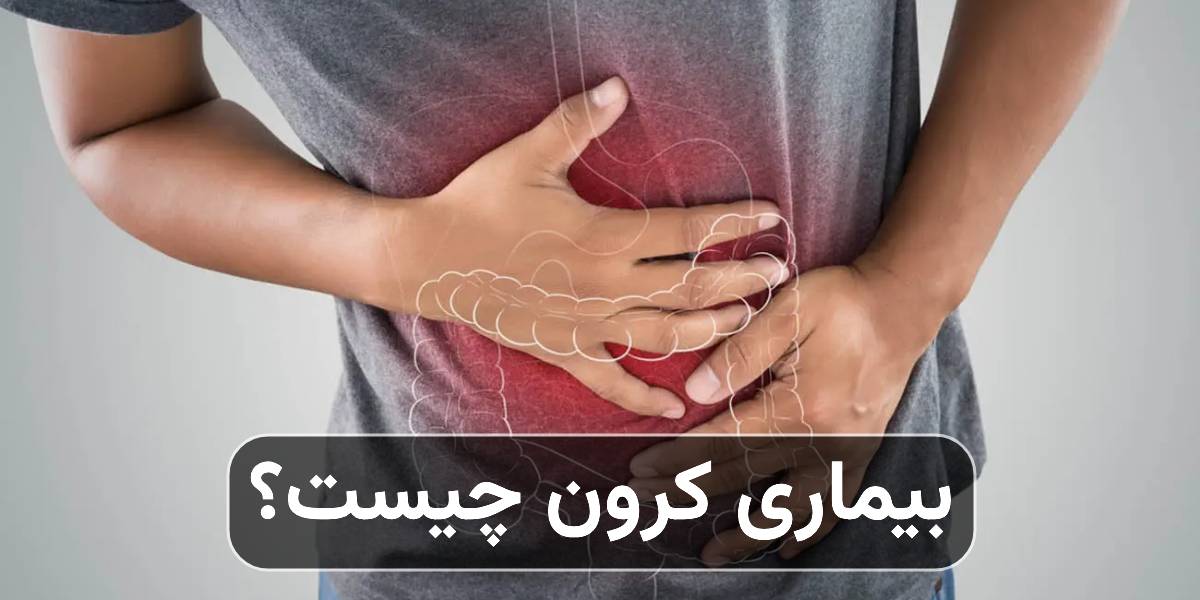
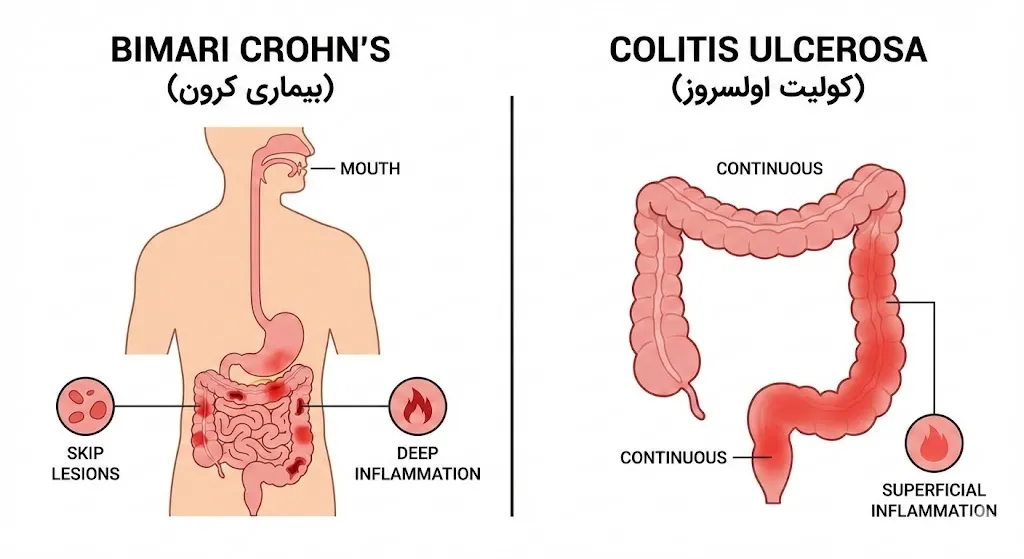
بیماری کرون و کولیت اولسروز، که مجموعاً به عنوان inflammatory bowel disease شناخته میشوند، از بیماریهای مزمن گوارشی هستند. More than sixty thousand Iranians have this disease. Crohn's disease causes inflammation in the lower part of the small intestine (Ileum), large intestine or any other part of the digestive system; While ulcerative colitis causes ulcers and scratches in the inner lining of the large intestine and anus.
If you have IBD, you will likely experience symptoms such as diarrhea, abdominal pain, rectal bleeding, and fever. Also, anorexia and weight loss are common symptoms of this disease. Although the exact cause of IBD is still unknown and there is no definitive treatment, many effective treatments have been used to control this disease. If medications fail to control symptoms or certain complications occur, surgery may be required. However, despite the physical and emotional challenges, most patients experience a normal life. These diseases are mainly diagnosed between the ages of 15 and 25 years, although these diseases can appear at any age.If you are a woman with inflammatory bowel disease, it is very important to know your life events (such as menstruation, pregnancy and menopause)
how they affect your condition and at the same time, your disease may also affect these sensitive stages. Here are some common questions and answers about women with IBD:
1- Why do I have irregular periods with this disease?
Many factors such as hormone levels, proper nutrition and stress levels play a role in regulating menstruation. When IBD is active, inflammation can disrupt the body's hormonal function. Restoring the health of the hormonal system is the key to restoring regular periods.
2- My symptoms seem to get worse the week before or the week of my period; Is this normal?
Yes, these fluctuations are normal in many diseases. It is important to understand the changes of symptoms related to menstruation and not to worry about their temporary increase or decrease too much.
3- Does having Crohn's disease or Ulcerative colitis cause pain during sexual intercourse?
In general, there is no scientific reason for the development of painful intercourse (dyspareunia) due to these diseases. But in women with Crohn's disease, pain can be a sign of disease activity in the area around the anus or the presence of a fistula in the vagina; And in women with ulcerative colitis, it may be a sign of severe inflammation. If these symptoms occur, it is important to consult an IBD Specialist or a gynecologist.
4- Is the risk of iron deficiency higher in women with IBD?
Yes, due to menstrual bleeding and inflammation of the small intestine, women with IBD are more likely to be iron deficient than women of the same age who do not have the disease.
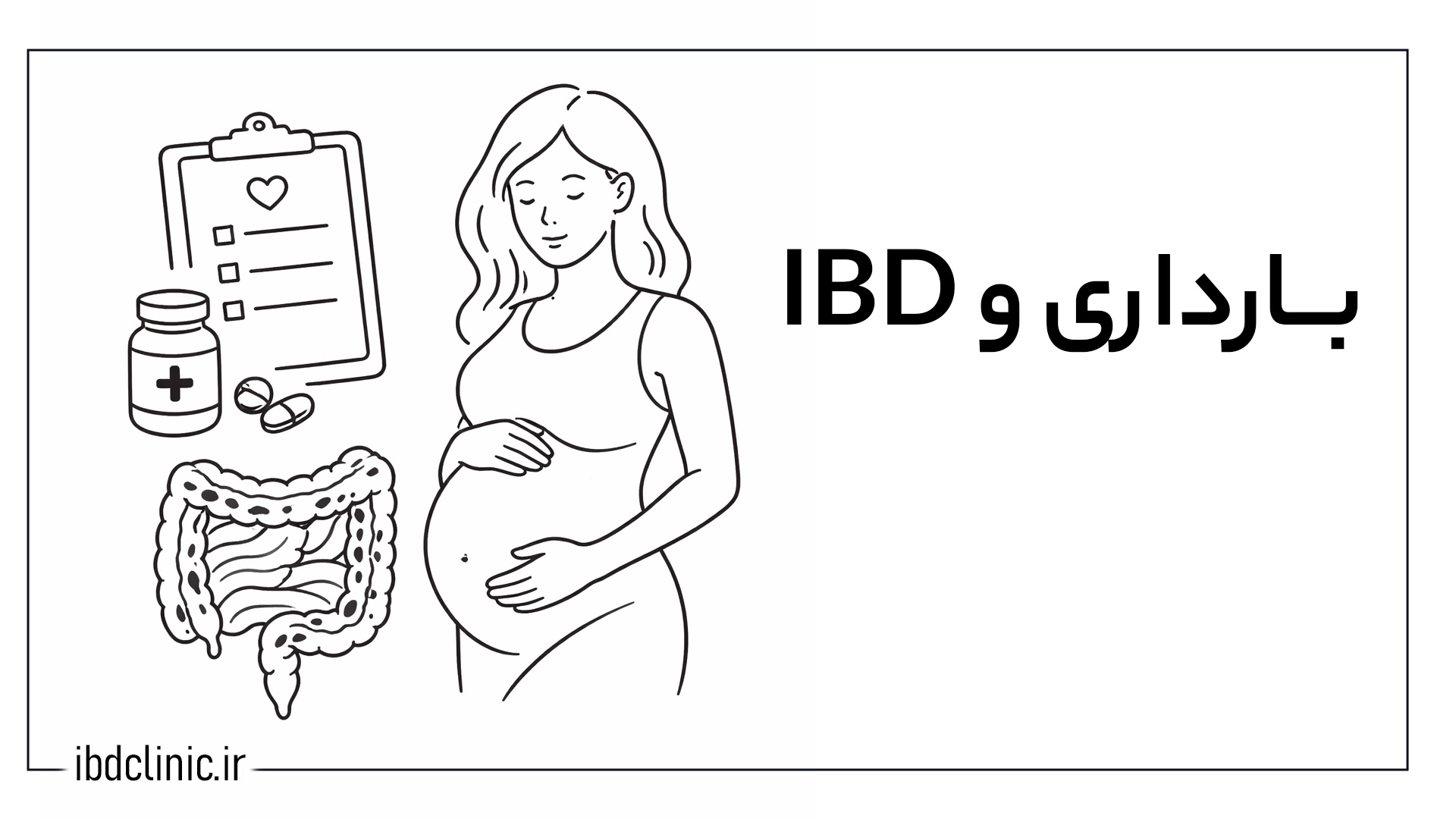
5- Can women with Crohn's disease and Ulcerative colitis get pregnant easily?
In general, women with ulcerative colitis and Crohn's have the same fertility rates as other women when the disease is fully controlled. Active disease may affect fertility And pelvic surgeries like colectomy can also have a negative effect. Also, a temporary male infertility may occur if your partner uses sulfasalazine; In this case, it is recommended to change the use of this medicine before trying to conceive.
6- Does pregnancy aggravate the disease in women with IBD?
It is best to start pregnancy when the disease is in remission. Studies show that if pregnancy occurs during the inactive period of the disease, it will usually be a healthy pregnancy. But in the active periods of the disease, there is a possibility that the symptoms will remain or worsen.7- How likely is it that the child of a woman with IBD will also get this disease?
If one of the parents has Crohn's disease or Ulcerative colitis, the probability of the child getting it is about 2-9%; But if both parents have this disease, the probability reaches 36%.
8- Does having IBD affect menopause?
No, IBD does not affect menopause if the disease is inactive and menstrual periods are regular.
To learn more about advanced treatment of Crohn's and advanced treatment of ulcerative colitis and benefit from Advancing Crohn's & Colitis Care, you can visit the IBD Specialist Center. As an experienced IBD Specialist, Dr. Ali Reza Sima is always by your side to help you better manage inflammatory bowel disease with up-to-date solutions.
Be healthy!