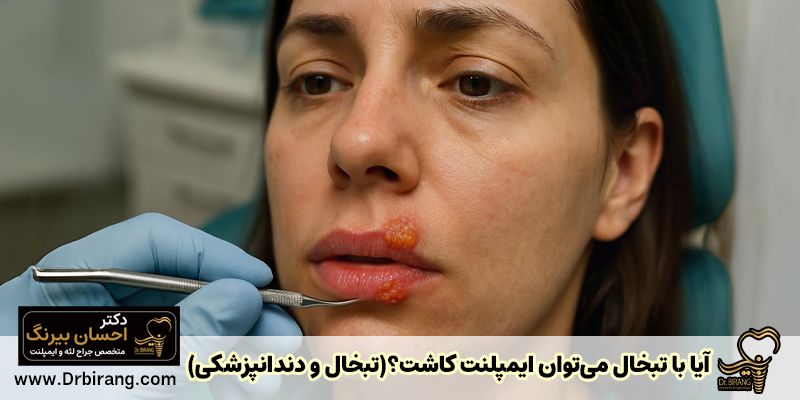


Oral herpes, also known as herpes labialis, is one of the most common viral infections that affect the mouth and lips. involves.
The cause of this complication is the herpes simplex virus type 1 (HSV-1) and its characteristic is the appearance of small, painful sores, usually grouped around the lips, and sometimes inside the mouth such as the gums, tongue and cheeks. This virus is highly contagious and it is estimated that about 70% of the adult population has encountered it at least once in their lifetime.
For dental patients, especially those who intend to undergo more complex treatments such as implant placement, awareness of the connection between herpes and dental procedures is particularly important. In this article from the site of Dr. Ehsan Birang,the best dental prosthodontist in Tehran, we will comprehensively review herpes, how it is transmitted, potential risks in the dental environment, its management and special considerations for implant patients.
Table of Contents
What is herpes and how is it transmitted?
Herpes simplex virus type 1 (HSV-1) is the main cause of oral herpes. After the first infection, the virus remains latent in the body and can be reactivated under certain conditions. These conditions include stress, illness, exposure to sunlight, hormonal changes, weak immune system, and sometimes even physical damage to the mouth area (such as some dental procedures).
Virus transmission mainly occurs through direct contact with an active lesion or the saliva of an infected person. Kissing, sharing personal items such as glasses, spoons, toothbrushes or infected lipstick can lead to the transmission of the virus.
The connection between herpes and dentistry: an important point in the dental environment is that the virus can also be spread through aerosols (particles suspended in the air) that are created during the use of rotating tools such as turbines or ultrasonic devices. Studies have shown that the herpes simplex virus can survive on inanimate surfaces for up to 72 hours, which doubles the importance of careful disinfection of the environment and equipment.
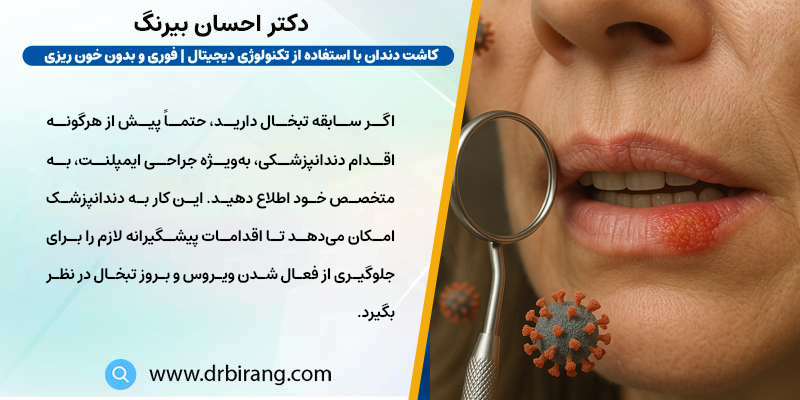
Why is herpes a concern in dentistry?
The dental environment is prone to transmission of various infections, including herpes, due to the nature of the work and close contact with the oral mucosa and saliva of patients.
- Dangers for the dental staff: Dentists, assistants and other clinic staff are at risk of herpetic infections such as "herpetic vitiligo" (painful infection of the fingers) or "herpetic keratitis" (inflammation of the cornea of the eye). These side effects can be very serious and debilitating.
- Dangers for patients: A patient presenting with an active herpes lesion can transmit the virus to staff or through contaminated surfaces to other patients.
- Provocation of Herpes by Dental Procedures: Some dental procedures, especially those involving soft tissue manipulation or stress (such as tooth extraction, gum surgeries, or implant placement), can activate latent HSV-1 virus and lead to herpes outbreaks, even if the patient does not have an active lesion at the time of presentation.
Management of herpes in the dental office
In order to manage herpes in the dental office it is necessary to follow the principles of infection control and proper management of patients with herpes to maintain the health of all people in the dental environment:
- Deferral of non-emergency treatments: The most important principle is to postpone all elective (non-emergency) dental treatments in patients with active herpes lesions. Treatment should be delayed until the lesions are completely healed (usually 1 to 2 weeks).
- Use of personal protective equipment (PPE): The dental staff must always use masks, protective glasses, gloves and, if necessary, gloves.
- Hand Hygiene and Surface Disinfection: Frequent and proper hand washing and thorough disinfection of surfaces, the dental unit and all instruments after each patient, according to standard infection control protocols, is critical.
- Education to patients: Patients should be informed about the contagious nature of herpes, the ways of transmission and the importance of postponing a dental visit if they have an active lesion.
- Drug therapy (if necessary): In some cases, especially for severe or frequent cold sores, a doctor or dentist may prescribe oral or topical antiviral medications (such as acyclovir) to reduce pain, duration of illness, and speed recovery.
Herpes and implants: what patients should know
Implant implantation is a surgical procedure and like any other surgery, it can be stressful for the body. This stress, along with the manipulation of oral tissues, has the potential to activate the latent herpes virus.
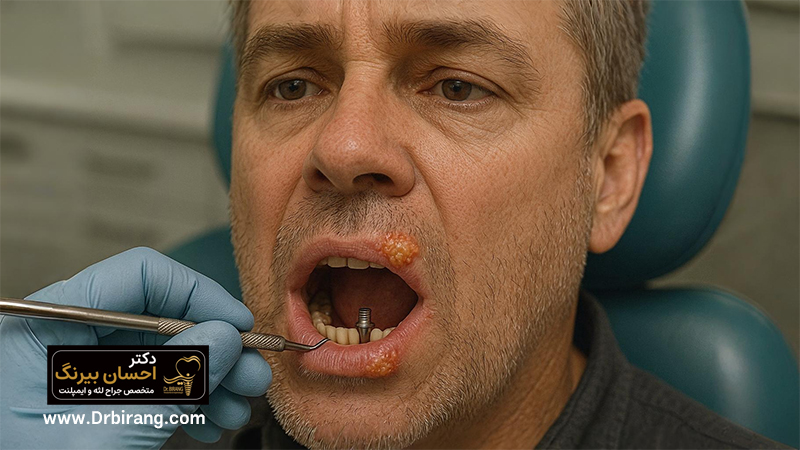
- Can an implant be implanted with active herpes? No. Implant surgery is not recommended in the presence of an active herpes lesion. The presence of an active virus in the surgical site can lead to the risk of wound infection, the spread of the virus to deeper areas, and finally, the failure of the implant treatment. Your implant specialist will definitely postpone surgery until the herpes is completely healed.
- Stress of implant surgery and herpes: Even if you don't have active herpes on the day of surgery, the stress caused by surgery and tissue repair after that can be a trigger for herpes in the days after implant implantation.
- The importance of notifying the implant specialist: If you have a history of frequent cold sores, be sure to discuss this with your implant specialist before planning an implant.
Learn more:5 causes of gum whitening after implants and ways to treat it
Prevention of herpes before and after implant implantation
-
- Prophylactic antiviral drugs: In patients with a history of frequent and severe herpes, the implant specialist may consider prescribing antiviral drugs (such as acyclovir or valacyclovir) prophylactically (preventatively) a few days before surgery and for a few days after. This can significantly reduce the chance of herpes after surgery. This decision is made entirely at the discretion of the specialist and according to the patient's condition.
- Stress management: Trying to reduce stress before surgery through relaxation techniques can be helpful.
- Post-surgery care: Inform your specialist immediately if herpes develops after implant placement. Avoid manipulating the waste and carefully follow the health and drug instructions to prevent the spread of infection and negative impact on the implant healing process.
General prevention of herpes and its recurrence
In addition to special dental considerations, observing the following can help reduce the frequency and severity of cold sores:
- Avoidance of triggers: Identifying and avoiding the factors that cause herpes recurrence in you (such as stress, fatigue, strong sunlight, cold).
- Use of lip sunscreen: Special lip sunscreen creams with suitable SPF can prevent the irritation of cold sores caused by the sun's ultraviolet rays.
- Strengthening the immune system: A balanced diet, enough sleep and regular exercise help to strengthen the immune system and reduce the possibility of virus activation.
- Observation of oral and dental hygiene: Timely treatment of dental and gum infections and regular visit to the dentist for a check-up prevents the weakening of the immune system due to oral problems and thus the activation of the herpes virus.
Conclusion
Oral herpes is a common viral infection that requires attention and proper management, especially in the dental setting and for patients undergoing complex treatments such as implant placement. Honest and open communication with your dentist or implant specialist about your herpes history is key to safe and successful treatment planning. By observing the principles of prevention, infection control and, if necessary, the use of drug treatments, the risk of herpes transmission and recurrence can be minimized and the oral and dental health of patients and medical staff can be guaranteed.
If you are planning to have an implant implant and you are worried about herpes, or you have a history of frequent herpes, be sure to raise this issue with us during the consultation session so that the best solutions are considered for you.