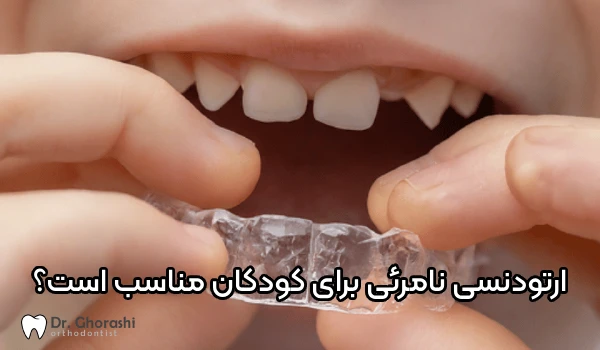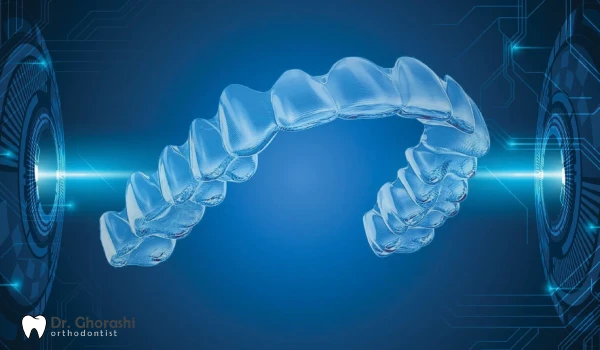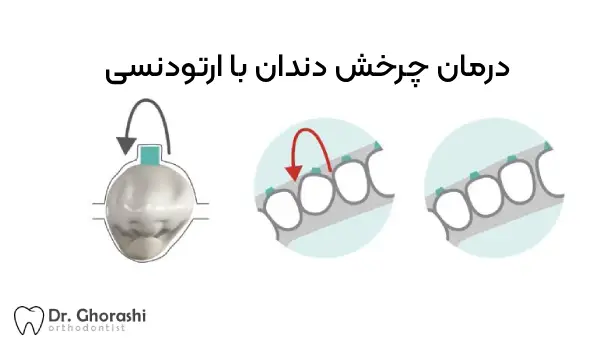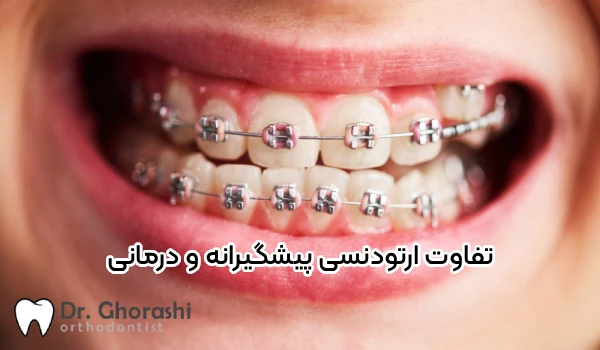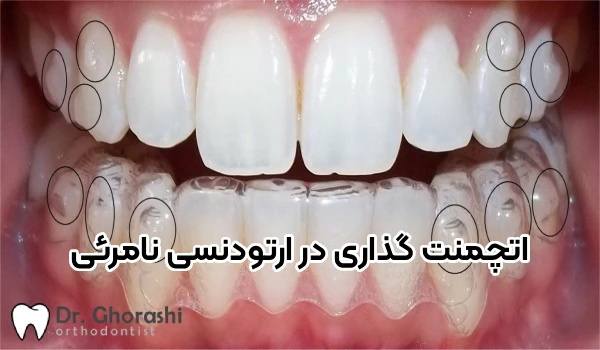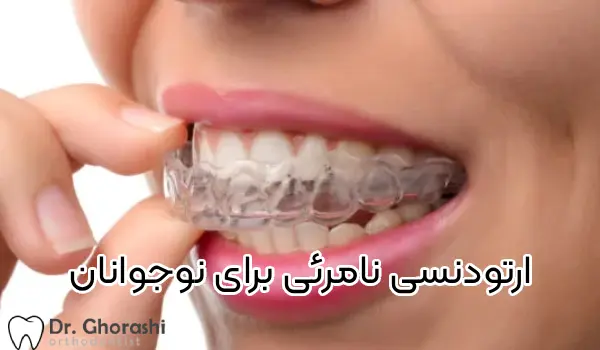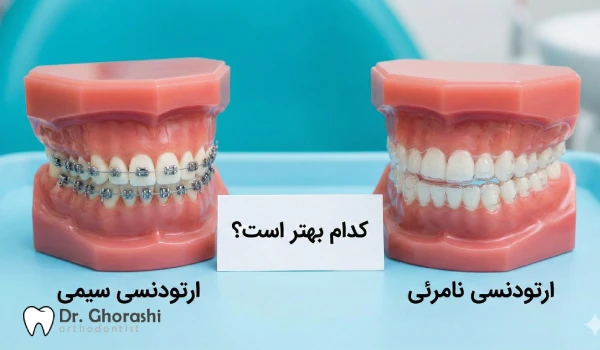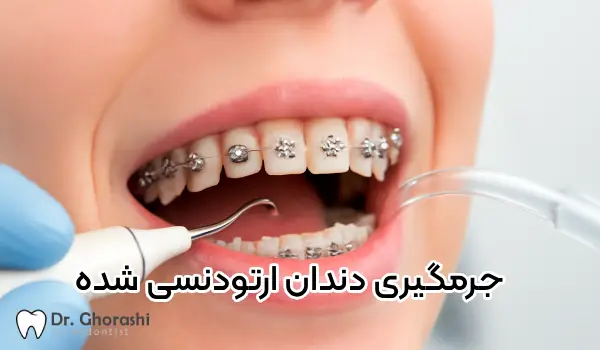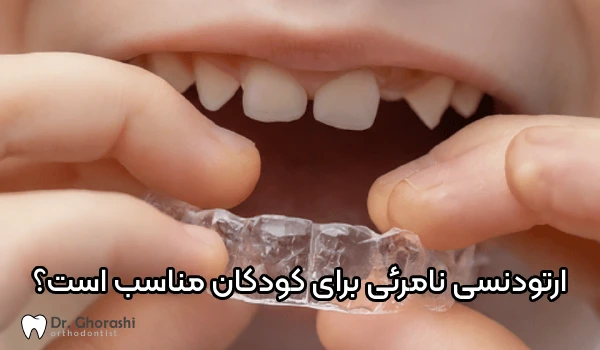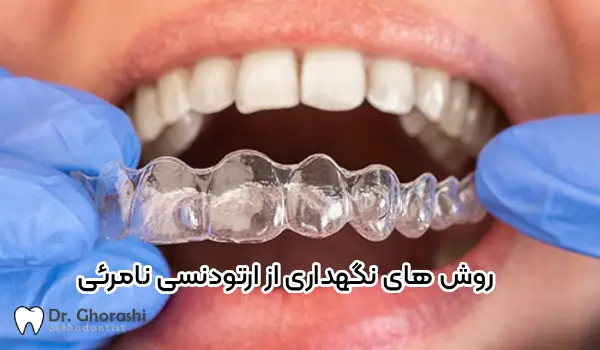
Movable orthodontic plates are one of the important treatment tools used to correct mild to moderate dental abnormalities, or to stabilize teeth They are used after the end of orthodontics. The result obtained from these plaques largely depends on the cooperation of the patient; That is, how regularly the plaque is used and how it is cared for daily.
If maintenance of invisible orthodontics is not done correctly, it will change color and smell, and it can cause gum inflammation and increase the possibility of tooth decay. In this article, we are going to talk in detail and step by step about how to care for and clean mobile plaques so that both the plaque itself remains healthy and the teeth do not face any problems during treatment.
When invisible orthodontics is used, the aligners are on the teeth most of the day and night, and this creates a perfect environment for bacteria to accumulate. If the teeth are not clean before placing the aligner, food particles and plaque will be trapped under it and the possibility of decay and gum inflammation will increase. For this reason, maintaining oral hygiene is the basis of successful treatment.
Brushing your teeth after every meal and flossing daily will help keep your teeth clean before aligners are placed. Toothpaste containing fluoride also plays an important role in protecting tooth enamel. The health of the gums is very important during this period, because the aligner is in direct contact with the gum line, and any inflammation can cause discomfort and disruption in use.
Useful article: Children's Orthodontist
15 ways to take care of invisible orthodontics
By observing the following 15 tips, you can take care of your invisible orthodontics to a great extent.
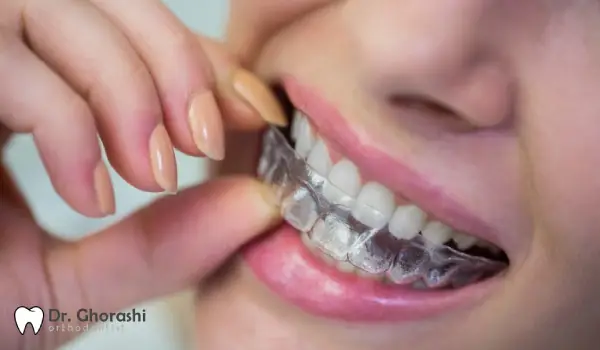
1. Cleaning aligners regularly
Every time you take out the aligner to eat, after brushing your teeth, wash the aligner as well so that the contamination does not remain inside.
2. Using a soft toothbrush
Use a soft toothbrush and cold or lukewarm water to clean the aligner. This prevents scratches on the plate.
3. Avoid toothpaste
Toothpaste scratches the surface of the plaque and causes a change in color and bad smell. Do not use it.
4. Rinse after each removal
As soon as you take the aligner out of your mouth, rinse it with cold water so that saliva and bacteria do not remain on it.
5. Keeping the aligner in clean water
When the aligner is not in the mouth, put it in a container of clean water so that it does not dry and change its shape.
6. Using special cleaning solutions
Use special cleaning solutions for aligners or retainers once a week. These solutions completely destroy the surface mass.
7. Using white vinegar
If plaque is smelly or cloudy, soaking it in white vinegar for a few minutes will help soften the plaque.
8. Use alcohol-free mouthwash
Alcohol-free mouthwash reduces plaque surface contamination and helps to make it clear. Alcohol can ruin the material of the liner.
9. Cleaning with baking soda
A mixture of water and baking soda is a mild and effective cleaner for removing odors and plaque surface stains.
10. Using ultrasonic
This device is the best method for thorough and deep cleaning of the aligner. Of course, it should be used with expert opinion.
11. Keep out of the reach of children and animals
Plaques are fragile. They should not be accessible because there is a high possibility of them breaking or getting dirty.
12. Placing the aligner in the special cover
When you are not using the license plate, put it inside the cover so that it is not lost or damaged.
13. Removing the aligner while eating and drinking
Remove the aligner before eating any food or drink; Hot or colored drinks can change the shape of the plaque.
14. Not smoking
Cigarette changes the color of the aligner, smells bad and reduces the life of the plaque. Do not smoke while using it.
15. Regular visit to the specialist
If the aligners are deformed, broken, or not cleaned with regular cleaning, you should consult an orthodontist to prevent further damage.
Challenge Common issues in the maintenance and care of invisible orthodontics
Invisible aligners are convenient, but they are not always easy to care for. There are a few issues that most patients struggle with, and if you know in advance, it will be much easier to control them.
Aligners
Most patients face plaque staining when they have the aligner in their mouth and drink coffee or tea. The eyeliner becomes cloudy very quickly and loses its transparent appearance. The best solution is for the patient to only drink water with the aligner and wash his mouth after eating anything else.
Brushing your teeth after every meal is not always easy, especially at work or school. Carrying a small toothbrush and floss helps. If it is not possible to brush your teeth, washing your mouth with water will at least prevent food particles from getting stuck under the aligner.
Seeing damage to the aligner
Cracking or breaking of the aligner most often happens when it is left outside the mouth or placed in a pocket. Keeping it in a special box prevents a large part of these problems.
Unpleasant odor of license plate
When the aligner is not washed well, bacteria accumulate and create an unpleasant smell. Daily washing with a soft toothbrush and periodic use of special disinfectant solutions will solve this problem to a large extent.
Useful article: The best orthodontist in East Tehran
Invisible orthodontics, like fixed orthodontics, creates limitations for you and it is better not to do the following things.
- Activity in martial arts such as boxing, karate, judo and...
- Interactive group sports such as basketball, rugby
- Using cigarettes or tobacco with plaque on the teeth
- Chewing gum or hard foods with plaque in the mouth
- Placing the plate in hot water, direct sunlight or a warm environment
Concluding remarks
Care of invisible orthodontics and removable plaques plays an important role in the success of treatment and teeth health. Take seriously the training provided by the orthodontist and observe oral hygiene regularly; Otherwise, the accumulation of mass and bacteria on the plaques can cause decay, inflammation of the gums and disruption of the treatment process.
In case of any breakage, deformation or unremovable dirt of the aligner or retainer, it is necessary to see your specialist immediately so that the treatment can continue properly.