15 signs and symptoms of vitamin C deficiency
Vitamin C (C) is one of the essential nutrients that must be consumed regularly to prevent its deficiency.
Although vitamin C deficiency is relatively rare in developed countries due to the availability of fresh produce and the addition of vitamin C to some foods and supplements, it still affects approximately 7% of the adult population.
The most common risk factors for vitamin C (C) deficiency are unhealthy diet, alcohol addiction, anorexia nervosa, several mental illnesses, smoking and dialysis.
While it may take several months for severe vitamin C deficiency symptoms to appear, you should be aware of some mild symptoms.
Learn more:Vitamin D is found in what fruits?
15 common symptoms of vitamin C (C) deficiency
1... Roughness and roughness of the skin
Vitamin C plays a key role in the production of collagen, a protein that is abundant in connective tissues such as skin, hair, joints, bones and blood vessels.
If the level of vitamin C in the body is low, a skin disease called keratosis pilaris occurs.
In this situation, due to the formation of keratin protein in the pores, the skin on the back of the arm, thigh or buttock becomes "chicken skin".
Usually, keratosis pilaris caused by vitamin C deficiency appears after three to five months of not receiving vitamin C and is resolved by taking supplements.
However, keratosis pilaris has many other causes, so the occurrence of this disease alone is not enough to diagnose vitamin C deficiency.
Learn more: Quick treatment of negative thoughts with just vitamins
SummaryVitamin C deficiency can lead to small acne-like bumps on the arms, thighs, or buttocks. However, these bumps alone are not enough to diagnose a deficiency.
2... twisting body hair
Vitamin C deficiency causes defects in the formation of the protein structure of growing hair.... As a result, the hair grows bent or twisted.
Hair loss is one of the symptoms of vitamin C deficiency, but it may not be obvious because the affected hair is more likely to fall out.
In most cases, the hair abnormality resolves within a month of treatment with adequate amounts of vitamin C.
SummaryUnusual thinning and curling of hair is one of the symptoms of vitamin C deficiency, but it can be difficult to diagnose because the affected hair falls out.
3.... the red hair follicle lights up
The hair follicles on the surface of the skin have very small vessels that bring blood and nutrients to this area.
If the body is deficient in vitamin C, these small blood vessels are vulnerable and break easily. As a result, small red spots are seen around the hair follicle.
This condition is called perifollicular bleeding, which is a clear sign of vitamin C deficiency.
Usually taking a vitamin C supplement will solve this problem within two weeks.
SummaryHair follicles have many small blood vessels that may break due to vitamin C deficiency and red spots can be seen around the follicles.
Learn more: Is white hair related to vitamin and mineral deficiency?
4... spooning nails with spots or red lines
In this condition, the nail becomes concave and is often thin and fragile.
Nail biting is mostly due to iron deficiency anemia, but it is also related to vitamin C deficiency.
Also, due to vitamin C deficiency, red spots or vertical lines can be seen in the nail, which is due to weakened blood vessels that tear easily, which is called splinter bleeding.
Although the appearance of fingernails and toenails can help identify a possible vitamin C deficiency, remember that it is not enough to make a diagnosis.
SummaryVitamin C deficiency is related to spooning of the nails and red lines or spots under the nails.
5... Dry and damaged skin
Healthy skin, especially in the epidermis (or outer layer of the skin), contains large amounts of vitamin C.
Vitamin C keeps the skin healthy by protecting the skin from oxidative damage caused by sunlight and exposure to pollution such as cigarette smoke or ozone.
It also helps in the formation of collagen, which keeps the skin young and fresh.
High consumption of vitamin C increases the quality of the skin, while low consumption increases the risk of skin dryness and wrinkles by 10%.
Although dry and damaged skin can be one of the symptoms of vitamin C deficiency, it also occurs due to various other factors, so this symptom alone is not enough to diagnose vitamin C deficiency.
SummaryLow consumption of vitamin C causes dryness and sunburn of the skin, but these symptoms may also occur for various other reasons.
Learn more: Types of vitamin C tablets
6... bruises
A bruise occurs when blood vessels under the skin rupture and leak blood into the surrounding area.
Bruising the skin with the slightest impact is one of the symptoms of vitamin C deficiency because poor collagen production leads to weak blood vessels.
A bruise caused by vitamin C deficiency may cover a large part of the body or appear as small purple dots under the skin.
Bruising with the slightest impact is one of the first obvious signs of vitamin C deficiency, and the amount of vitamin C in the body should be tested more often.
SummaryVitamin C deficiency causes the vein to weaken.... As a result, the body bruises with the slightest injury.... In most substances, this symptom is one of the first obvious signs of vitamin C deficiency.
Read more:What is vitamin C?... The main role in strengthening your immune system!
7.... The scar heals slowly
Because vitamin C deficiency slows down collagen production, wounds heal more slowly.
Research shows that people with chronic leg ulcers are more deficient in vitamin C than people who don't have this problem.
Even in severe cases of vitamin C deficiency, old wounds may reopen and increase the risk of infection.
Delayed wound healing is an advanced symptom of vitamin C deficiency and usually does not appear until a person has been deficient for several months.
SummaryVitamin C deficiency interferes with tissue formation....as a result, scars heal slowly....This symptom is one of the advanced symptoms of deficiency, so other symptoms are seen earlier...
8.... joint pain and inflammation
Since joints contain connective tissue rich in collagen, they are affected by vitamin C deficiency.
Many people who suffer from vitamin C deficiency suffer from joint pain. In most cases, the pain is so severe that it causes limping or difficulty walking.
Also, people suffering from vitamin C deficiency may experience intra-articular bleeding, which leads to more inflammation and pain.
But both of these symptoms can be compensated by taking supplements and usually resolve within a week.
SummaryVitamin C deficiency in most substances leads to severe joint pain. In severe cases, intra-articular bleeding occurs, leading to painful inflammation.
9 .... bone weakening
Vitamin C deficiency also affects bone health.... In fact, its low consumption increases the risk of fractures and osteoporosis.
Research shows that vitamin C plays a vital role in bone formation, so its deficiency increases the rate of bone decay.
Especially, children's skeletons suffer from vitamin C deficiency because they are still developing.
SummaryVitamin C is important for bone formation, and its deficiency increases the risk of bone weakening and fragility.
10... Bleeding gums and tooth decay
Redness, inflammation and bleeding gums are other common symptoms of vitamin C deficiency.
Gum tissue without enough vitamin C becomes weak and inflamed, and veins bleed easily.
In advanced stages of vitamin C deficiency, the gums appear purple and rotten.
Eventually, teeth fall out due to unhealthy gums and weak dentin (the inner layer of the tooth).
SummaryRedness and bleeding gums are common symptoms of vitamin C deficiency, and its severe deficiency causes tooth decay.
[sibwp_form id=5]
11... Weak safety
Research shows that vitamin C accumulates in different types of immune cells to help fight disease and eliminate the cause of disease.
Vitamin C deficiency is associated with a weakened immune system and increased risk of infection, including serious illnesses such as pneumonia.
In fact, many people with scurvy (a disease caused by vitamin C deficiency) eventually die because of a weakened immune system.
SummaryVitamin C is one of the most important nutrients for the immune system... Vitamin C deficiency increases the risk of infection, while its severe deficiency causes death from infectious diseases.
12 .... chronic iron deficiency anemia
Anemia due to iron deficiency and vitamin C usually occur together.
Symptoms of anemia caused by iron deficiency include paleness, extreme fatigue, breathing disorders during exercise, dry skin and hair, headache and spoon nails.
Low levels of vitamin C contribute to iron deficiency anemia by reducing iron absorption from plant foods and negatively affecting iron metabolism.
Vitamin C deficiency also increases the risk of severe bleeding, which aggravates anemia.
If iron deficiency anemia persists for no apparent reason, it is best to check vitamin C levels.
SummaryVitamin C deficiency causes iron deficiency anemia by reducing iron absorption and increasing the possibility of bleeding.
13.... Excessive fatigue and low mood
Fatigue and moodiness are two examples of the first symptoms of vitamin C deficiency.
These symptoms appear even before complete deficiency.
Although fatigue and mood swings are among the first symptoms to appear, they usually disappear after a few days of adequate consumption or within 24 hours of taking a strong supplement.
SummaryExcessive fatigue and moodiness appear even with low to normal levels of vitamin C, but with adequate vitamin C intake, they are immediately resolved... You should consult an internal medicine specialist to find out the cause of fatigue.
14... excessive weight gain
Vitamin C protects the body against obesity by regulating the release of fat from fat cells, reducing stress hormones and reducing inflammation.
Research shows that there is always an association between low vitamin C intake and excess body fat, but it is usually not clear whether the relationship is causal.
Interestingly, low levels of vitamin C in the blood are associated with increased belly fat, even in people of normal weight.
Although excess body fat alone is not enough to diagnose vitamin C deficiency, it does not hurt to check it after other factors have been ruled out.
SummaryLow vitamin C intake is associated with increased body fat in humans, but other factors such as diet quality may be involved.
15.... chronic inflammation and oxidative stress
Vitamin C is one of the most important water-soluble antioxidants.
This vitamin prevents cell damage by neutralizing free radicals that cause oxidative stress and inflammation in the body.
Inflammation and oxidative stress are involved in the occurrence of many chronic diseases such as heart disease and diabetes, so reducing these problems will be beneficial.
Low consumption of vitamin C leads to increased inflammation and oxidative stress and increases the risk of heart disease... Before taking any supplement, consult with internal specialists.
The results of a study showed that the probability of heart disease in people with low levels of vitamin C in their blood, even if they do not have a deficiency of this vitamin, is 40% higher within 15 years than people who have sufficient amounts of this vitamin in their blood.
SummaryRegular use of antioxidants such as vitamin C is good for health....while low consumption increases the risk of inflammation and oxidative stress.
The best food sources of vitamin C (C)
The recommended intake (RDI) of vitamin C per day is 90 mg for men and 75 mg for women.
Smokers are advised to consume 35 mg more per day because tobacco reduces the absorption of vitamin C and increases the consumption of nutrients in the body.
To prevent scurvy, a small amount of vitamin C is needed.... Just 10 milligrams per day is enough, which is about the same as a tablespoon of fresh paprika or the juice of half a lemon.
The following are among the best food sources of vitamin C:- Areola cherries: 2740% of the RDI
- Guava: 628% of the RDI
- Black English: 338% of RDI
- Sweet red pepper: 317% of the RDI
- Kiwi: 273% of the RDI
- Serkhalu: 226% of RDI
- Lemon: 187% of the RDI
- Orange: 160% of the RDI
- Strawberries: 149% of the RDI
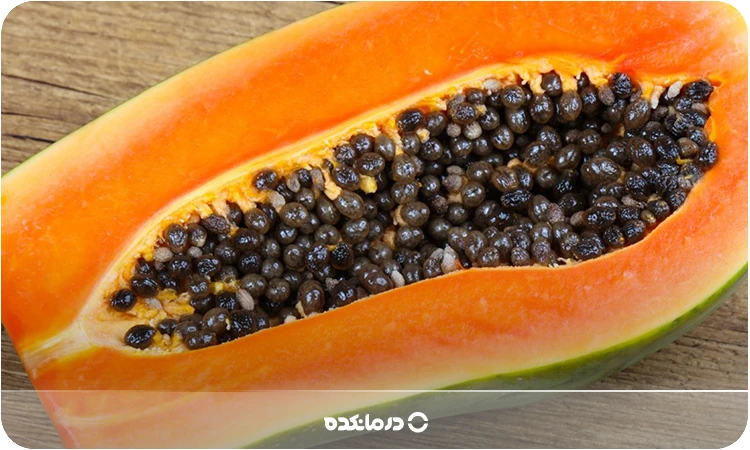
- Papaya: 144% of the RDI
- Broccoli: 135% of the RDI
- Parsley: 133% of the RDI
Vitamin C breaks down immediately after exposure to heat, so raw fruits and vegetables are a better source than cooked fruits and vegetables.
Since the body does not store vitamin C in large quantities, it is recommended to use fresh fruits and vegetables every day.
Taking vitamin C supplements does not lead to poisoning, but taking more than 2,000 mg per day can cause abdominal cramps, diarrhea, and nausea, and increase the risk of oxalate kidney stones in men.
Additionally, if you take more than 250 mg of vitamin C per day, it may interfere with tests that detect blood in the urine or stomach... Therefore, supplementation should be stopped two weeks before the test.
SummaryFresh fruits and vegetables are an excellent source of vitamin C, and you won't be deficient if you eat them every day... Vitamin C supplements do not lead to toxicity, but high doses can cause unpleasant side effects.
Last word
Vitamin C deficiency is relatively rare in developed countries, but still affects more than one in 20 people.. Since the body cannot produce vitamin C or store it in large amounts, we must consume it regularly to avoid vitamin C deficiency (the best way to get vitamin C is through fruits and vegetables).
Vitamin C deficiency has many signs and symptoms, most of which are related to collagen production disorders or not consuming enough antioxidants. The first symptoms of vitamin C deficiency are excessive fatigue, red gums, bruising and bleeding, joint pain, and dry and rough skin.
As the deficiency progresses, bones become brittle, nail and hair abnormalities occur, wound healing takes longer, and the immune system weakens.. Inflammation, iron deficiency anemia, and excessive weight gain are other symptoms to be aware of.
Fortunately, deficiency symptoms disappear once vitamin C levels are adjusted.. If you are taking vitamin C supplements and experience any of the above symptoms, consult an internist at GCORP LLC as soon as possible.
Source: Healthline
Was this article helpful to you?
![Which fruit increases blood pressure [high and low]? 18 effective fruits](/storage/posts/covers/2026_01_08/ef00bb701cbb99e90a24ba8d73265ba4c08936335e859a33b69553f5c5e737a2.webp)
![For whom is rhinoplasty dangerous? [10 groups+cause+solution]](/storage/posts/covers/2026_01_06/3e06a993c87e243daaf67dc69ac3e484d377b2708c93656820e0084ea4f080d6.webp)
![What fruits have vitamin B12? [13 fruits + consumption tips]](/storage/posts/covers/2026_01_06/dfaeceb7cb9a203805aeba8715bf7cdea6f5cb2b5b9314e1898807545e874bb1.webp)
![Is nasal massage necessary after surgery? [Training + 5 effective benefits]](/storage/posts/covers/2026_01_06/1f2686c8d522130d256828a51d7d46594dbde31ec2253325e6a8a38f04094789.webp)
![The best drops to reduce eye pressure [14 powerful drugs + method of administration]](/storage/posts/covers/2026_01_06/0177c50098eb80d878d1c883d09ae31ad2f489b17e1288f52018e3f8ef213e5f.webp)
![What is hair filler? [9 benefits, how to inject + durability of hair filler]](/storage/posts/covers/2026_01_06/c21c5e1ff48e9af8214111dfe0b867586f298e3d74a95fadda02b0b04df12598.webp)
![The strongest antibiotic for tonsil infection [7 drugs + method of administration]](/storage/posts/covers/2026_01_06/7b5adf6bb8cf556824d96570b6adba58f824b3a7f248993cfaafb73c0b5b8610.webp)
![Garlic pills for weight loss [4 effective benefits and side effects + how to use]](/storage/posts/covers/2026_01_06/c49f08b482d5860218c8635e48194a50f2ed48b51ef15925aa2d73d8393ff3ab.webp)
![What foods increase eye pressure? [8 harmful foods and drinks]](/storage/posts/covers/2026_01_06/52929c4d1b9ed7916d3fc5a8e45060479fb186f332dd217e68905f71f89a33f0.webp)
![What foods lower eye pressure? [18 useful foods]](/storage/posts/covers/2026_01_06/f180eb15f8e64fc9b386f9d5dc7936a5e416af36032be3bdcdf9054925a21d43.webp)
![itchy scalp; 18 causes [medical treatment + 11 home remedies]](/storage/posts/covers/2026_01_06/a1e116ec1c6243fd5c4e6fb951da5cb33bbd92a09c44e29b845852a86f550681.webp)
![What is intestinal colitis and what are its symptoms? [3 causes + definitive treatment]](/storage/posts/covers/2026_01_06/d3384e9221c036ff3eb447c69ffabb109dd6c0c35f5e5f0af775c4545cfd7ea5.webp)
![The best pills for irritable bowel syndrome [10 powerful drugs]](/storage/posts/covers/2026_01_06/70f02d6808fab88d67b0c6734a623e5e71982d323dbd2fb8158c29669849b813.webp)