Diabetic foot ulcer is one of the serious complications of diabetes, for which proper care and basic dressing are very important. Dressing is not only covering the wound, but it also includes protection, prevention of infection and helping to repair the tissue, and following the principles, checking the symptoms and choosing the right dressing is the key to quick recovery and prevention of more serious problems. In this article, we are with you from your doctor to examine in detail how to dress a diabetic foot wound. Stay with us.
Important principles of diabetic foot wound dressing
The principles of dressing diabetic foot ulcer include paying attention to signs of infection, removing dead tissue if needed, and reducing pressure on the wound. Compliance with these principles leads to better recovery and prevention of complications. In the following, we will explain each of these points in more detail.
Important action
Brief description
Wound inspection before dressing
Observe the color, depth, discharge, abnormal odor and the condition of the surrounding skin for early detection of infection or worsening of the wound
Correct washing of the wound
Gentle cleaning Wound with normal saline serum to remove contamination without damaging healthy tissue
Drying around the wound
Drying the skin around the wound without drying the wound bed, to prevent irritation and skin damage
Debridement if needed
Removal of dead or black tissue by a specialist to prepare the wound bed for repair
Using medicine Prescribed
Exact use of ointment or topical medication only according to the doctor's order and according to the stage of the wound
Selecting the appropriate dressing
Choosing the type of dressing based on the amount of discharge, depth of the wound and the presence or absence of infection
Maintaining controlled humidity
Creating a balanced moist environment to accelerate healing and prevent excessive drying or wetting Wound
Fixing without pressure
Fixing the dressing without creating pressure that impedes blood flow or causes pain
Reducing pressure on the wound
Using appropriate shoes, medical insoles or weight reduction to prevent re-degradation of the wound
Timely replacement Dressing
Change dressing based on the amount of discharge, type of dressing and doctor's recommendation
Continuous monitoring of the healing process
Regular review of wound progress and referral to a doctor if there is no improvement or warning signs appear
In this table, important actions during diabetic wound dressing are reviewed.
English text: Different wound dressings vary in their levels of absorbency, so a very wet wound can be treated with an absorbent dressing (such as an alginate dressing) that draws excess moisture away from the wound in order to avoid skin damage, whilst a drier wound can be treated with a more occlusive dressing to maintain a moist environment. Translation Farsi: The types of dressings differ in the amount of moisture absorption. For larger wounds, absorbent dressings such as alginate are used to absorb excess moisture from the wound and prevent damage to the surrounding skin. Drier wounds are also treated with more covering dressings to maintain adequate wound moisture and promote better healing.
The principles of diabetic foot ulcer dressing include paying attention to signs of infection, removing dead tissue if needed and reducing pressure on the wound.
1. Attention to the symptoms of infection
The first principle in diabetic foot ulcer dressing is to pay attention to the symptoms of diabetic foot ulcer infection. Before each dressing, you should look at the wound carefully and pay attention to its changes. Redness around the wound, swelling, purulent discharge, bad smell or increased pain can all be signs of infection.
In diabetic people, sometimes pain is not felt well due to the reduction of sensation in the feet. For this reason, don't just rely on the pain and take the appearance of the wound seriously. It is even important to change the color of the skin around the wound or to make it warmer than other areas of the leg. If you see any of these symptoms, a simple home dressing is not enough and you must definitely consult a doctor or a wound nurse. In this situation, the dressing should be appropriate to the condition of the infection and accompanied by drug treatment.
2. Debridement if needed (removal of dead tissue)
One of the important points in dressing a diabetic foot wound is to pay attention to the presence of dead or black tissue in the wound. These tissues prevent repair and create a suitable environment for the growth of microbes. In such situations, debridement or removal of dead tissue is necessary.
Debridement is not something that can be done at home without training. This should be done by a doctor or wound specialist so as not to damage the healthy tissue. After debridement, the wound healing process usually becomes faster and more effective. If the wound is not excised, even the best dressings will not give good results. Therefore, one of the important principles of dressing is to make sure that the wound bed is ready for repair.
3. Reducing pressure on the wound
Reducing the pressure on the diabetic foot ulcer is one of the principles that is sometimes ignored. Even if the dressing is done perfectly, but the pressure of the body weight on the wound continues, healing does not happen well. Using suitable diabetic shoes, medical insoles or in some cases resting the foot plays an important role in wound healing.
Wounds that are under the soles of the feet are the most damaged by pressure. The dressing is effective when pressure is removed from the wound at the same time. This simple principle makes a big difference in the treatment process.
Diabetic foot wound dressing steps at home
The steps of dressing a diabetic foot wound at home include removing the previous dressing, cleaning the wound, using prescribed medicine or ointment, and applying the appropriate dressing. Following the correct order of these steps will speed up the healing process. Next, we will explain each step step by step.
1. Removing the previous dressing and examining the wound
The first step in dressing is to gently remove the previous dressing. This should be done with clean hands or gloves so as not to transfer contamination to the wound. If the dressing is stuck to the wound, it should not be removed by force. The dressing can be slightly moistened with saline solution so that it can be removed more easily. After removing the dressing, carefully examine diabetic foot ulcer symptoms and note the color, discharge, and condition of the surrounding skin. This simple examination will help you notice changes in the wound early and take the necessary measures if needed.
2. Cleaning and preparation of the wound
At this stage, the wound should be gently cleaned. The best option for washing is normal saline serum. Washing should be gentle and avoid direct pressure on the wound. Using irritating substances or strong detergents is not suitable for cleaning the diabetic wound. These substances can damage healthy tissue and slow down the healing process. After washing, gently dry the area around the wound, but the wound itself should not be completely dry. Maintaining proper moisture is one of the important principles of wound healing.
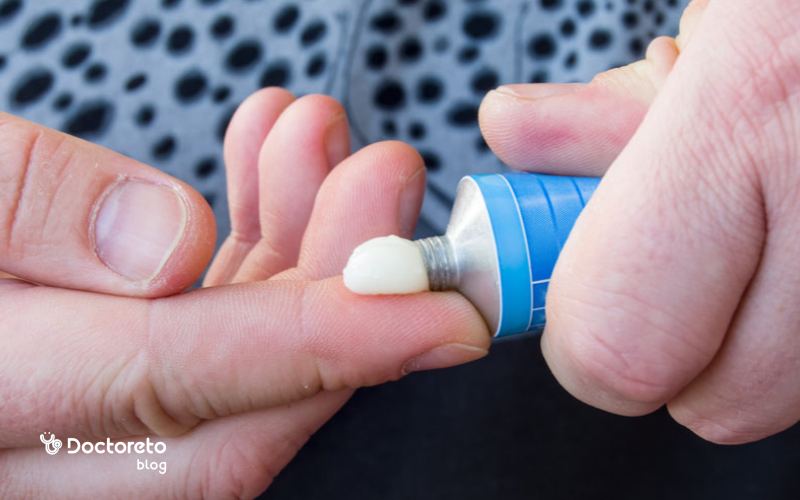
3. Use of prescribed medicine or ointment
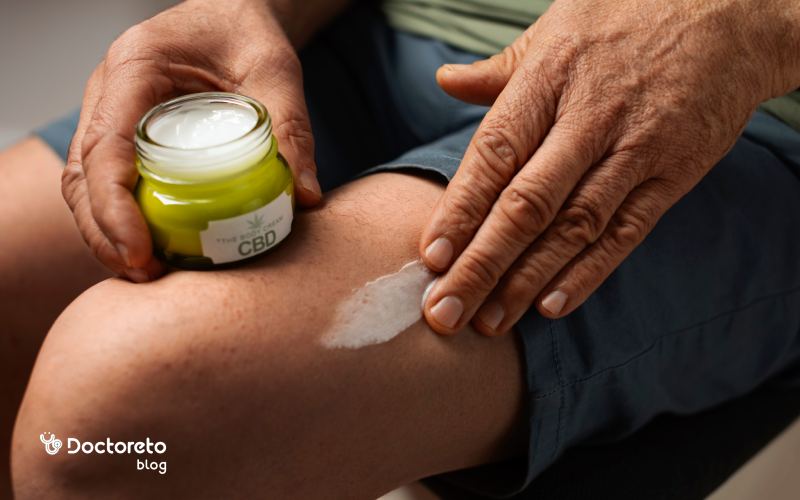
If the doctor has prescribed a special ointment or medicine, it must be used exactly as directed. The amount of medicine, the number of times it is used and the type of dressing that comes with it are very important. Arbitrary use of various ointments or changing medicine without a doctor's opinion can damage the wound. Some drugs are suitable for a certain stage of the wound and their long-term use is not recommended. The medicine should be placed evenly on the wound bed and direct hand contact with the wound should be avoided.
4. Applying appropriate dressing and fixing without pressure
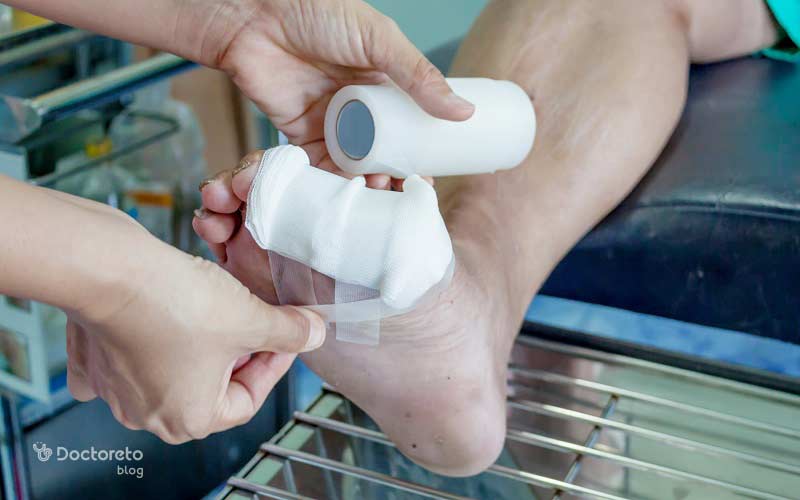
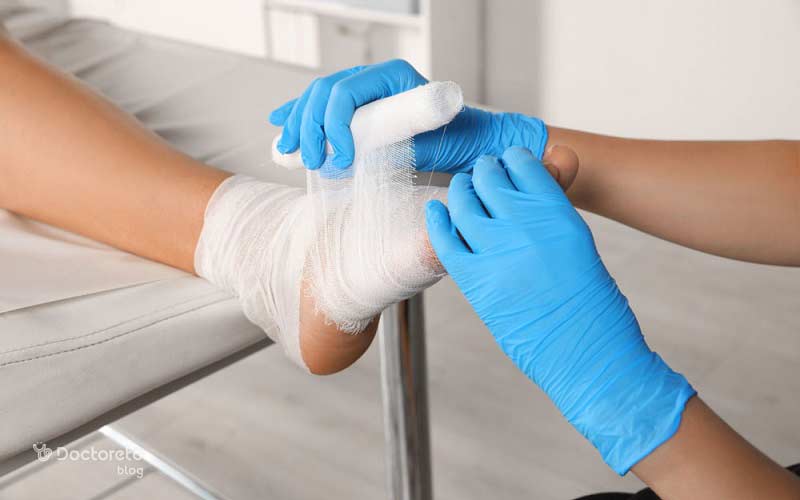
Choosing the right dressing is an important part of how to dress a diabetic foot wound. The dressing should cover the wound, retain moisture and allow the skin to breathe. The dressing should not be tied too tightly, as excess pressure reduces blood flow. The dressing should be fixed in such a way that it remains stable and does not harm the foot. After dressing, it is better to keep the leg slightly elevated to improve blood circulation and reduce swelling.
How to properly wash a diabetic foot ulcer
Washing the diabetic foot wound should be done in a simple, clean and gentle way so as not to damage its sensitive tissue. The best option for this is saline serum, because it maintains the natural balance of the wound and does not irritate the tissue or dry it too much. When washing, it is better to clean from the inside of the wound to the outside so that the contamination does not enter the depth of the wound again.
For this, sterile gas is usually used to minimize the contact of bacteria or new contamination with the wound surface. The number of washing times varies depending on the condition of the wound, the amount of discharge and the doctor's opinion, and there is no fixed prescription for everyone. On the other hand, excessive washing is not recommended, because it can destroy the newly repaired tissue and slow down the healing process.
Choosing the type of dressing depends on the depth of the wound, the amount of discharge and the state of infection.
Types of dressing suitable for diabetic foot ulcers
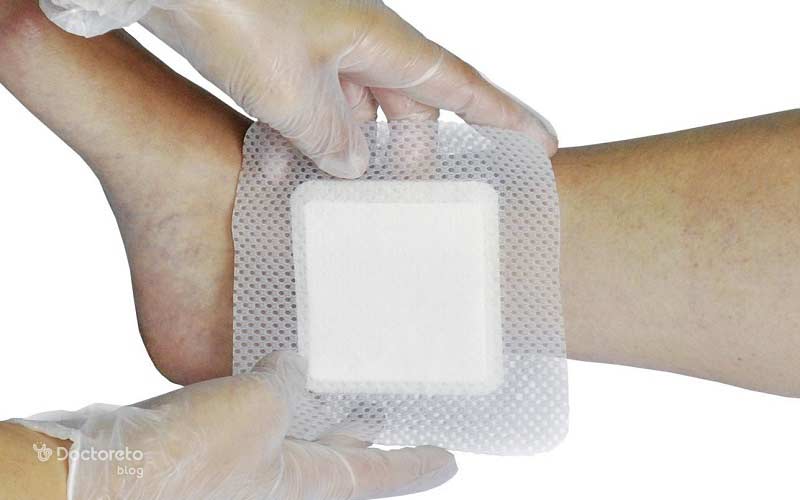
There are different types of diabetic wound dressings and each one is designed for different wound conditions; From simple sterile gauze to more advanced dressings such as foam, hydrogel and alginate. Choosing the type of dressing depends on the depth of the wound, the amount of discharge, the infection status and the sensitivity of the patient's skin.
For wounds that have little discharge or are dry, simple dressings or hydrogels can provide a moist and suitable environment for healing. On the other hand, exuding wounds need dressings with higher absorption power to control excess moisture and prevent damage to the surrounding skin. Foam and alginate dressings are usually recommended for these types of wounds because they both collect moisture and protect against contamination.
In cases where there is a possibility of infection, the selection of dressings containing antimicrobial substances are used only in selected cases with evidence of infection. This choice should be made with the opinion of a doctor or wound specialist nurse to carefully evaluate the condition of the wound. Making the wrong choice when diabetic foot ulcer care can slow the healing process, spread infection, and even increase the risk of more serious injuries. For this reason, in diabetic wounds, the type of dressing is never a simple or accidental issue and must be chosen carefully.
English text: Gauze dressings can be used but may adhere to the wound if allowed to dry. target="_blank" rel="noreferrer noopener">my.clevelandclinic
How often should the dressing be changed?
The frequency of dressing changes depends on types of diabetic foot ulcers and the dressing. Some wounds need to be changed daily and others can stay with a dressing for several days. If the dressing becomes wet, dirty or loose, it should be changed sooner. Also, an increase in discharge or an unpleasant smell is a sign of the need to examine the wound. It is not recommended to change the dressing too much, because it makes the wound healing environment unstable.
Conclusion
Finally, How to dress a diabetic foot wound is not just a simple care task, but an important part of the treatment process and prevention of more serious infections. Observing the principles of gentle washing, choosing the right dressing based on the amount of discharge and the condition of the wound, and paying attention to the warning signs of infection can make the healing process faster and safer. These cares should be done carefully, patiently and preferably under the supervision of a specialist doctor or nurse. Any change in the appearance of the wound, unpleasant odor or increased pain requires professional evaluation. It is important for the patient to avoid putting pressure on the wound and neglecting daily care. Overall, the right dressing can make a big difference between a manageable wound and a serious problem.
Your doctor takes care of your health!
Frequently Asked Questions
Yes, in many cases daily dressing is necessary, but the exact number of times depends on the type of wound and the doctor's opinion. It depends.
The best dressing is a dressing that is chosen according to the conditions of the wound. There is no single dressing for all wounds.
No, using betadine (povidone-iodine) routinely or Long-term use is not recommended for diabetic ulcers, especially in clean, granulated, or healing wounds; Because high concentration (such as full betadine or 10%) is cytotoxic and damages fibroblasts, keratinocytes and wound healing cells and slows down the healing process. Complete betadine, hydrogen peroxide and similar substances should not be used for diabetic ulcers because they cause more complications; However, in cases of severe infection, dry gangrene or diluted/in certain forms (such as low-concentration PVP-I foam) may be of limited benefit under medical supervision, but standard treatment includes saline irrigation, debridement, and wet dressings. Be sure not to use betadine on a diabetic wound without consulting a doctor, because it can interfere with healing.
The time to change a diabetic wound dressing depends on the type of dressing, the amount of wound discharge and the doctor's order; It is usually done every 1-3 days (or 1-2 times a week for advanced dressings such as foam or hydrofiber) to maintain a moist environment and prevent infection. Frequent (e.g., daily) changes are only necessary for wounds with profuse discharge or infection, whereas modern dressings are preferably changed less frequently (1-2 times per week) to minimize disruption of the healing process; Be sure to follow your doctor's or wound specialist's advice, as improper replacement can slow healing.