Honey can play a role as a supplement in reducing the symptoms of a mild infection, and its properties help to reduce throat irritation, relieve cough, and soften the mucus in the respiratory tract. Consumption of honey, especially when combined with teas or herbal combinations such as ginger, thyme or lemon, has more supportive effects. But is the use of honey for home treatment of lung infection really effective or is treatment of lung infection with honey possible? In the rest of this article, ask your doctor to join us so that we can get to know the correct methods of using honey, safety tips, and herbal compounds that enhance its effect.
Treatment of lung infection with honey
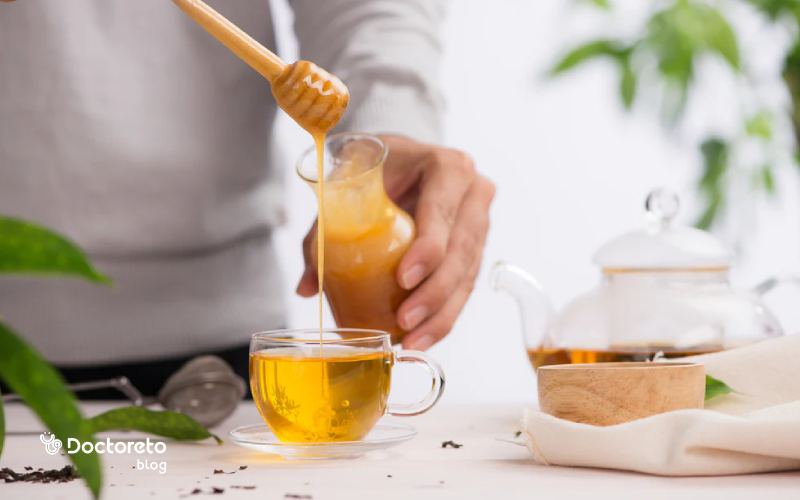
Honey with antioxidant properties can help relieve cough and improve sore throat. However, honey is not an alternative treatment for prescription drugs and should only be used as an adjunct to medical treatment. Daily consumption of a spoonful of pure honey or adding it to herbal teas such as ginger, thyme or borage can have supportive effects for the body. properties of honey for the lung is usually increased in combination with:
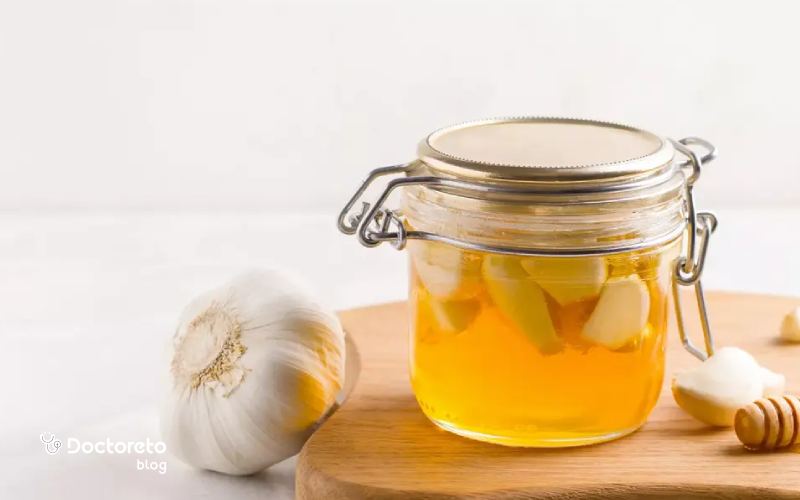
garlic and honey
Lemon juice and honey
onion and honey
turmeric and honey
thyme and honey
1. Properties of honey for lungs
Honey has beneficial properties for the lungs and respiratory system, but it should be noted that these effects are supportive and do not replace medical treatment. According to scientific studies, the properties of honey for the lungs include the following:
Muscle expectorant and throat softener: With its sticky and sweet texture, honey can soften the mucus in the throat and lungs and relieve dry coughs.
Strengthening the immune system: consumption of honey can indirectly help the body fight against mild respiratory infections by supporting the function of the immune system.
However, honey alone is not able to cure lung infection and in moderate to severe cases, antibiotics or medical treatment is necessary.
English text: Honey is generally safe for adults and children over the age of 1. Avoid giving honey, even in small amounts, to infants under the age of 1. Honey may lead to a rare but serious gastrointestinal condition known as infant botulism, triggered by exposure to Clostridium botulinum spores. Persian translation: Honey is generally safe for adults and children over one year is Do not give even small amounts of honey to babies under one year of age, as it may lead to a rare but serious gastrointestinal illness called infant botulism, which is caused by contact with Clostridium botulinum spores. noopener">newsnetwork.mayoclinic
2. Properties of garlic and honey for lung infection
Garlic and honey both have lung health support properties; But they are not the definitive treatment for lung infection alone and should be used along with medical treatment:
Garlic: contains active compounds such as allicin, which has antibacterial, antiviral and anti-inflammatory properties.
Honey: helps relieve cough and soften lung mucus. Also, by strengthening the immune system, the body's ability to deal with respiratory infections increases.
In moderate to severe infections, drug treatment and medical attention are necessary.
The combination of garlic and honey helps to strengthen the immune system.
3. Properties of honey lemon juice for lungs
The combination of lemon juice and honey is a supportive drink for lung health. Lemon juice is rich in vitamin C and antioxidants. Honey relieves cough with its expectorant effect. This combination can make the healing process of mild respiratory infections easier, but it is not a substitute for prescription drugs.
4. Onion and honey for lung infection
Onion contains sulfur compounds and anti-inflammatory flavonoids that can reduce respiratory tract inflammation. Combining onion with honey, which has antibacterial and expectorant properties, can help relieve cough and soften lung mucus. Taking this combination is useful as a complementary treatment, but in moderate and severe infections, medical treatment is necessary.
5. Treatment of shortness of breath of lung infection with honey
Honey may make breathing a little easier in some people by reducing cough and softening the throat, but there is not enough evidence to reduce airway obstruction or treat shortness of breath in lung infection, and if you feel shortness of breath, it is necessary to see a doctor immediately.
English text: Honey contains various bioactive compounds, including flavonoids and phenolic acids, which possess anti-inflammatory properties. These compounds help reduce inflammation in the respiratory tract, which is crucial for managing chronic respiratory conditions such as asthma and bronchitis. By reducing inflammation, honey can help alleviate symptoms and improve overall lung function. Persian translation: Honey contains various bioactive compounds such as flavonoids and phenolic acids that have anti-inflammatory properties. These compounds help reduce inflammation in the respiratory tract, which is important for managing chronic respiratory diseases such as asthma and bronchitis. By reducing inflammation, honey can relieve symptoms and improve overall lung function.
6. Properties of turmeric and honey for lungs
Turmeric contains curcumin, which has anti-inflammatory and antioxidant properties. Combining it with honey, which has an expectorant effect, helps to reduce cough, soothe the throat and strengthen the immune system. This combination is a complementary treatment and does not replace prescription drugs.
You can combine a spoonful of natural honey with fresh lemon juice in a glass of warm water or tea.
7. Thyme and honey for lung infection
Thyme has anti-inflammatory and expectorant properties that can clear the lungs and reduce coughing. Consuming thyme with honey, which has antibacterial and expectorant properties, can make breathing easier. This combination is not the main treatment and should be used along with the prescription drugs of the doctor.
Composition
Benefits
How to use
Garlic and honey
Antibacterial properties and strengthening the immune system
Mix a few cloves of chopped garlic with a spoonful of honey and consume 1 to 2 times a day. Do it
Lemon juice and honey
Reduces inflammation of the respiratory tract and improves cough
Mix the juice of half a lemon with a spoonful of honey in warm water and drink it 2-3 times a day
Onion and honey
Shows antimicrobial activity and relieves the symptoms of respiratory infections such as cough Gives
Mix grated onion with honey, let it sit for a few hours and then consume 1 to 2 spoons of the resulting syrup daily
Turmeric and honey
Turmeric curcumin has anti-inflammatory properties
Mix half a teaspoon of turmeric powder with a spoon of honey in water and drink 1 to 2 times a day Drink
thyme and honey
combination of expectorant thyme with honey improves night cough and sleep quality
sweeten thyme tea with a spoonful of honey and consume 2 times a day
ginger and honey
relieve sore throat and cough Gives
Brew pieces of fresh ginger in boiling water, sweeten it with honey and drink it 2-3 times a day
Table of properties of honey for lung infection and its ingredients
Important tips when consuming honey for lung infection
When using honey for cleansing the lungs from infection, some important points should be noted. Using honey as a supportive supplement in lung infection can help relieve cough and strengthen the immune system, but it requires compliance with safety precautions and proper consumption. Choosing natural honey and paying attention to individual conditions will improve its therapeutic effects.
Important points when using honey for lung infection are:
Honey is not suitable for children under one year because there is a risk of botulism.
Balanced consumption of honey is necessary to prevent blood sugar increase.
Combining honey with herbal infusions such as ginger, thyme or lemon strengthens the properties of honey.
People with diabetes or allergies should consult a doctor before regular consumption.
Conclusion
Treatment of lung infection with honey alone is not enough and works as a complementary treatment. In severe cases or shortness of breath, it is necessary to see a doctor and take medication. Consuming honey can help reduce the symptoms of a respiratory infection, and its cough-relieving properties soothe a sore throat. Combining honey with herbal teas such as ginger, thyme or lemon enhances its therapeutic effect and can help to soften the lung mucus and facilitate breathing. Balanced consumption of honey is important for blood sugar control, and people with diabetes or allergies should consult a doctor before regular consumption.
Your doctor takes care of your health!
Frequently Asked Questions
Honey can be useful for lung infection but as a complementary treatment, not a substitute for medicine. Its properties help relieve cough and soften mucus. Balanced consumption and combination with herbal teas such as ginger or thyme has a more supportive effect, but in severe infections, it is necessary to see a doctor.
Mix a tablespoon of honey with the juice of half a lime in Hot water can be consumed 2 to 3 times a day; Once in the morning, once in the evening and once before sleeping to reduce cough. For children over one year of age, limit the dose to half to one teaspoon and avoid consuming too much lemon to avoid stomach upset. If you see severe symptoms such as high fever or shortness of breath, see a doctor immediately and use this method only as a supplement.
I have started my activity in the field of content production and management since 1995 and I am always eager to face new job opportunities. Getting to know a different world in different fields such as medicine and health also encourages me to follow a healthy lifestyle. That's why I started working with your doctor.