
نکات مهمی که باید در مورد تغذیه نوزادان نارس بدانید
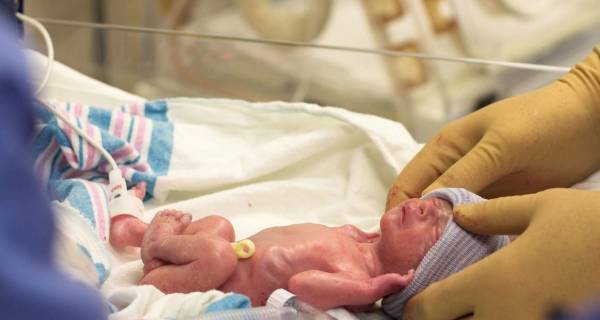
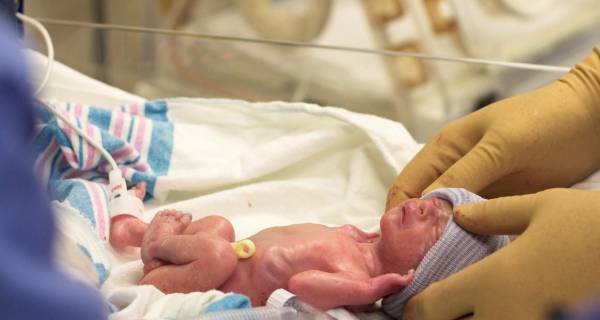
نوزادان نارس نوزادانی هستند که دوره کامل بارداری را در رحم مادر خود نمی گذرانند و قبل از هفته 37 بارداری به دنیا می آیند. Various factors such as multiple births, nutrition during pregnancy, rupture of the amniotic sac surrounding the fetus, etc. are effective in the birth of premature babies. Premature babies often require special care and are usually initially kept in the neonatal intensive care unit (NICU). Feeding premature babies is very important, so we dedicate this section to feeding premature babies?

Important points you should know about feeding premature babies
All premature babies should be breastfed because there are many antimicrobial substances and minerals such as sodium, chlorine, magnesium and iron in the milk of premature babies, so feeding the baby with breast milk makes him less likely to get hospital infections and gastrointestinal complications.
Feeding with breast milk helps regulate blood sugar of the baby.
Breastfeeding helps prevent jaundice in premature babies.
Breast milk prevents the sudden death of premature babies.
Feeding premature babies with breast milk causes them to suffer from metabolic syndrome to a lesser extent after they grow up.
Feeding premature babies with breast milk causes high blood pressure and LDL levels to decrease in them.

Important points you should know about feeding premature babies
Breastfeeding href="https://fa.wikipedia.org/wiki/%DA%A9%D9%88%D8%AF%DA%A9" target="_blank" rel="noopener">baby prematureBreastfeeding establishes an emotional connection between the child and the mother and is very important in improving the growth process of the premature baby. Contact between mother and premature baby immediately after birth and inhalation of breast milk has a positive role in feeding the premature baby, so skin contact in the first hours is very important.
Babies who are born before 34 weeks are unable to be fed with a bottle or use breast milk due to the lack of simultaneous regulation of swallowing, breathing and sucking processes. Respiratory problems of premature babies, low oxygen levels in babies, blood flow problems and blood infections are other problems of premature babies that may interfere with sucking breast milk.

Important points you should know about feeding premature babies
Very small or sick premature babies who are unable to suckle from the mother's breast or bottle receive food and fluids through intravenous feeding. As the baby grows stronger, he can receive milk or formula through a tube that goes from his mouth or nose to his stomach, this type of feeding is called gavage.
When the premature baby gets bigger, he can receive the mother's expressed milk with a spoon, dropper or syringe. When the baby is able to suck, the infant should feed from the mother's breast.
Babies born at 34 weeks or later can use a bottle or breast milk. It is more difficult for the baby to use a feeding bottle because he cannot control the flow of milk and may suffer from respiratory arrest, so breast milk is easier for these babies at first. Pacifiers, pacifiers, or milk bottles are prohibited for babies.
Get food supplement
In the previous sections, you read that some premature babies need nutritional supplements for better growth, because premature babies have not been in the womb long enough to store the nutrients they need, so they need nutritional supplements.
Breastfed babies need to use a breast milk fortifier to be mixed with breast milk. This supplement gives them more protein, calories, iron, calcium and vitamins. For babies who are breastfed, getting supplements means getting 1 to 2 bottles of fortified breast milk.
Babies who use formulas (powdered milk) for premature babies, which have more fat and protein, need to receive supplements of vitamins A, C, D, and folic acid. Some babies need more supplements than others to grow.
Babies who have proper nutrition should have 6 to 8 bowel movements and 6 to 8 wet diapers per day.

Important points you should know about feeding premature babies
increase Milk of mothers with premature babies
Mothers who give birth to a premature baby often face a decrease in their milk secretion and only a few drops of milk come out of their breasts. To increase breast milk, the mother should express her milk with an electric pump 6 to 12 hours after giving birth and repeat this work 8 to 12 times in 24 hours so that her breast is completely emptied each time, this will increase breast milk. Mothers who breastfeed can put the milk in a syringe and keep it in the refrigerator at 4 degrees Celsius for 4 days.
In order to increase milk, it is effective to increase skin-to-skin contact between the mother and the baby, reduce stress, pay attention to the mother's proper diet and sleep and rest, and set a schedule for milking, and finally use some medications.
The milk of premature mothers has more copper and zinc than mothers who give birth to a full-term child, which decrease over time.
Lactose of lactating mothers who give birth to premature babies is significantly higher. The amount of leptin in preterm and full-term milk does not differ, leptin is produced by mammary glands and secreted in milk and plays a role in the growth of the baby after birth. Bile solute-stimulating lipase activity is the same in preterm and full-term milk, but the activity of lipoprotein lipase is higher in full-term milk.

Important points you should know about feeding premature babies
Premature babies are not discharged from the hospital and kept in the incubator until they have constant and steady weight gain. In the neonatal intensive care unit, babies are weighed every day. The baby must weigh at least 1.8 kg before being discharged from the hospital.
Weight loss is normal in the first few days of birth, but most premature babies begin to gain weight after the first few days of birth.
Very small 24-week-old babies gain 5 grams per day, and 33-week-old babies gain 20 grams per day. On average, a baby should gain 15 grams of weight per day.
Important points you should know about feeding premature babies
Important points you should know about feeding premature babies Important points you should know about feeding premature babies Important points you should know about feeding premature babies Important points you should know about feeding premature babies Important points you should know about feeding premature babies