In pregnancy, high blood pressure can be a sign of an important problem, and for this reason, it should be properly managed from the beginning. To know more about ways to reduce blood pressure during pregnancy, it should be said that there are usually several types of measures depending on the severity of the situation. In mild stages, home methods such as light activity and proper diet are usually used. When blood pressure remains high or danger signs appear, drug therapy is initiated to bring the condition under control more quickly. In severe cases, hospital care and sometimes hospitalization is necessary. But what are the most important ways to lower high blood pressure during pregnancy? In the rest of this article, ask your doctor to be with us so that we can check it more closely.
What are the ways to reduce blood pressure during pregnancy?
The ways of treatment of high blood pressure in pregnancy are chosen based on the severity of the blood pressure. In mild cases, pressure control is usually done with daily monitoring, lifestyle modification, proper nutrition, and weight management. If blood pressure remains high or warning signs appear, medical treatment is necessary under the supervision of a doctor. In general, the following are considered blood pressure control methods:
- Home monitoring of blood pressure with a device and daily recording
- Regular visits and strict adherence to the prescription
- Relative rest and enough sleep
- The role of lifestyle modification along with medical treatment
- Observe proper diet
- Controlling weight gain during pregnancy
- Avoidance of consuming high-risk plants
- Reducing blood pressure in pregnancy by taking safe drugs
- Admission and hospital care in high-risk cases
| Method | Explanation | Time of use |
|---|---|---|
| Home monitoring of blood pressure | Regular monitoring of blood pressure at home using a valid device and daily recording of results for early detection of changes and better management | During pregnancy, especially for women with high blood pressure Chronic or high-risk bleeding |
| Regular visits and strict adherence to the prescription | Periodic visits to the doctor and strict adherence to medications and medical recommendations to monitor the condition of the mother and fetus | From the beginning of pregnancy to postpartum |
| Relative rest and sufficient sleep | Relative daily rest and sufficient sleep to reduce stress and improve circulation Blood | daily, especially in cases of mild hypertension or to prevent complications |
| the role of lifestyle modification in addition to medical treatment | combining lifestyle changes such as diet and exercise with drug treatment for better blood pressure control | always, as a supplement to medical treatment in chronic hypertension or pregnancy |
| adherence to a proper diet | in pregnancy from Avoid high salt intake and have a healthy diet throughout pregnancy, especially to prevent or control high blood pressure. Controlling weight gain during pregnancy. Herbs such as ginseng that may raise blood pressure or cause drug interactions | Always in pregnancy, especially with high blood pressure |
| Lowering blood pressure in pregnancy with safe medications | Using drugs such as labetalol to control blood pressure | When high blood pressure is not controlled by home treatment |
| Hospitalization and care In high-risk cases | Hospitalization for close monitoring | In severe hypertension or preeclampsia symptoms |
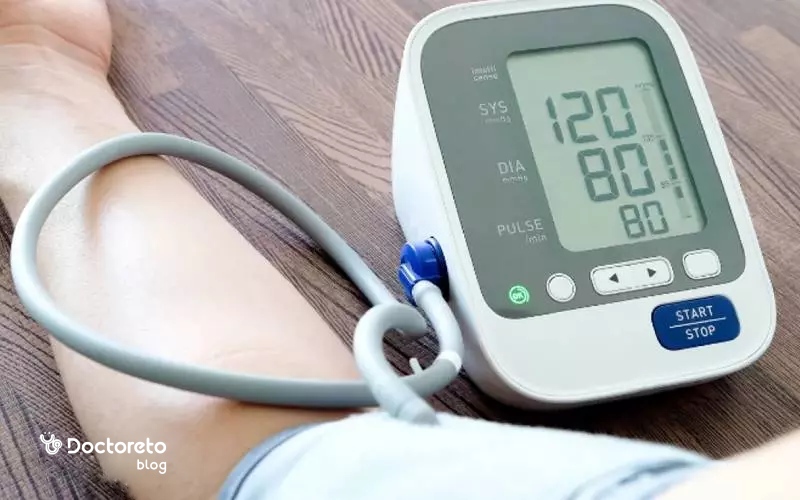
1. Home blood pressure monitoring with arm device and daily recording
Measure your blood pressure at the same time every day. Consult your doctor how many times a day or week you need to measure. Each time, measure your blood pressure twice with an interval of one minute and record the results. With this, the process of your pressure changes will be clearly defined.
Introduction The best sphygmomanometer for blood pressure monitoring
2. Regular visits and strict adherence to prescription
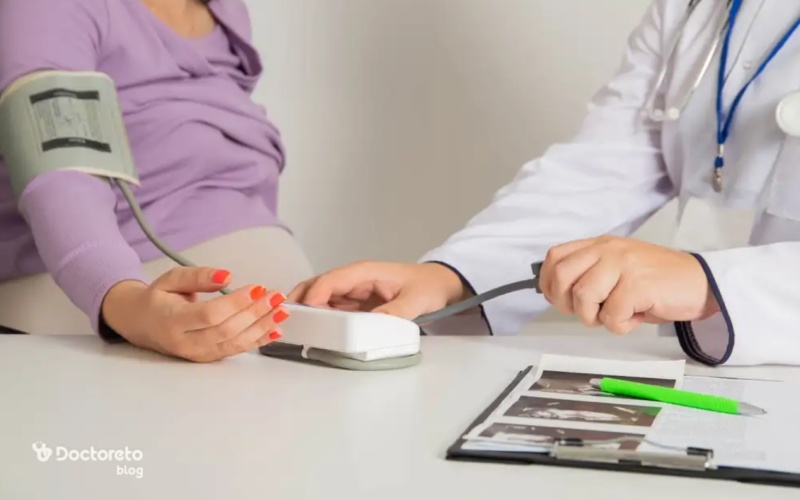
During pregnancy, it is very important to visit the doctor regularly so that the blood pressure and health of the mother and fetus can be checked carefully. Your doctor will determine the safest medication and dosage for you, and provide you with physical activity recommendations. Strict adherence to the prescription and medical instructions also prevents serious complications.
3. Relative rest and enough sleep
Adequate rest is one of the ways to control blood pressure during pregnancy. Reducing heavy activities and setting aside time for short rest during the day helps to reduce physical tension and regulate blood flow. Quality night sleep, usually 7 to 9 hours, reduces stress hormones and stabilizes blood pressure. Creating a peaceful sleeping environment, observing regular sleeping hours and limiting caffeine also help to improve blood pressure.
4. The role of lifestyle modification along with medical treatment
Lifestyle modification along with drug treatment makes the process of controlling and high blood pressure treatment more stable and safer. Light physical activity such as walking, reducing salt intake, drinking enough water and choosing a diet rich in fruits and vegetables help improve cardiovascular function. Managing stress with relaxation techniques and avoiding processed foods is also important. These changes strengthen the effect of medical treatment.
5. Adhering to a proper diet
Adhering to a proper diet during pregnancy plays a very important role in maintaining the health of the mother and fetus. A healthy diet can help control blood pressure, prevent excessive weight gain, and provide essential nutrients for fetal growth. Choosing a combination of natural and healthy foods from different food groups is the basis of a balanced and safe diet during pregnancy:- Fruit: apple, berries, orange, mango, banana
- Vegetables: broccoli, sweet potato
- Whole grains: brown rice, oatmeal, whole wheat bread
- Proteins: lean meat, chicken, eggs, fish, beans and lentils, nuts
- Low-fat or fat-free dairy products: milk, yogurt, cheese, lactose-free dairy products
- Healthy fats and oils: olive oil, oil found in avocados, nuts and seafood
English text:
Based on the findings, it was found that walking for 20–30 min, four times a week, from 14 to 34 weeks of pregnancy can prevent pregnancy transient hypertension and preeclampsia in women at risk of gestational abnormal blood pressures.
Persian translation:
According to the findings, it was found that walking daily for 20 to 30 minutes, four times a week, from 14 to 34 weeks of pregnancy can prevent temporary increases in blood pressure and preeclampsia in women exposed to abnormal blood pressure during pregnancy. noopener">pmc.ncbi.nlm.nih
6. Weight control by reducing blood pressure during pregnancy
Managing weight within the recommended range is one of the important factors in preventing high blood pressure. Excess weight gain can increase the burden on the heart and increase the risk of preeclampsia. Following a balanced diet, consuming nutritious sources and avoiding high-fat and sugary foods, along with light activities will help maintain a healthy weight.

7. Avoiding high-risk plants
Some herbs during pregnancy can increase blood pressure or stimulate uterine contractions. Herbs such as licorice, borage, and ginseng may cause unwanted effects and should be used with caution. Due to the lack of sufficient evidence about the safety of many plants, it is recommended that pregnant women avoid consuming teas and herbal supplements without consulting a doctor. This reduces the risk of increased blood pressure and possible complications.
8. Lowering blood pressure in pregnancy by using safe drugs
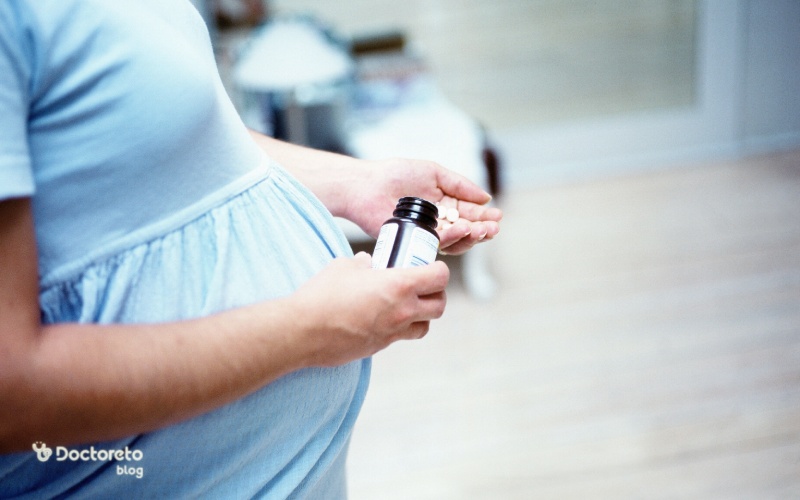
Various medications are used to manage high blood pressure during pregnancy. The most common drugs include hydralazine, labetalol, and nifedipine, which are prescribed under the supervision of a doctor and in appropriate doses. These drugs control blood pressure and reduce maternal and fetal complications.9. Admission and hospital care in high-risk cases
Hospitalization is necessary in pregnancies with dangerously high blood pressure or symptoms such as severe headache, severe swelling, blurred vision, or symptoms of preeclampsia. In this situation, the blood pressure is continuously monitored, intravenous drugs are used to quickly control the pressure, and the health of the fetus is checked with ultrasound and monitoring.
Conclusion
During pregnancy, controlling blood pressure is one of the most important measures to maintain the health of the mother and fetus, and it is better to do ways to reduce blood pressure during pregnancy both at home and medically, combined and targeted. Daily monitoring of blood pressure and maintaining a healthy lifestyle can be very helpful in mild stages.
If blood pressure remains elevated despite these measures, prescription drug therapy should be initiated. In case of danger symptoms such as severe headache, blurred vision, upper abdominal pain or sudden swelling, it is necessary to see a doctor immediately. In general, any change that seems unusual or blood pressure that reaches the high warning limit requires a specialist investigation.
Your doctor takes care of your health!