Laparoscopy of the uterus for infertility Dr. Narges Mehrabi
3 weeks ago
169 بازدید
Dr. Narges Mehrabi
تهران
Surgeon and gynecology and infertility specialist
Uterine laparoscopy for infertility
Infertility is one of the complex challenges that many couples around the world face. These conditions can have deep emotional, psychological and even social effects on people's lives. While there are many reasons for infertility, accurate diagnosis and choosing the right treatment method is the first step to overcome this problem. With significant advances in medical science, new methods have been invented that not only increase the accuracy of diagnosis, but also provide the possibility of minimally invasive and effective treatments. One of these advanced methods is uterine laparoscopy for infertility, which allows doctors to access the abdominal and pelvic cavity with a clear and precise view.
In the past, open and invasive surgeries were often needed to diagnose and treat uterine problems that lead to infertility. These surgeries were associated with larger incisions, longer recovery periods, and more risks. But today, with the use of laparoscopic techniques, these limitations have largely disappeared. This new method allows the doctor to use a thin instrument equipped with a camera (laparoscope), through several small incisions, to observe and fix possible problems of the uterus and adjacent organs. This approach has created a great evolution in the field of infertility treatment and has paved the way for more couples to realize their dream of having children. In the following, we will carefully examine the benefits, uses, preparation process and steps of this minimally invasive surgery. The information provided in this article will help you make an open and informed decision about your treatment options and be more prepared for the process. href="#%D9%84%D8%A7%D9%BE%D8%A7%D8%B1%D8%A7%D8%B3%DA%A9%D9%88%D9%BE%DB %8C-%D8%B1%D8%AD%D9%85-%DA%86%DB%8C%D8%B3%D8%AA-%D9%88-%DA%86%D9%87-%D 8%AA%D9%81%D8%A7%D9%88%D8%AA%DB%8C-%D8%A8%D8%A7-%D8%AC%D8%B1%D8%A7%D8% AD%DB%8C-%D8%A8%D8%A7%D8%B2-%D8%AF%D8%A7%D8%B1%D8%AF%D8%9F">Laparoscopy What is the uterus and how is it different from open surgery?
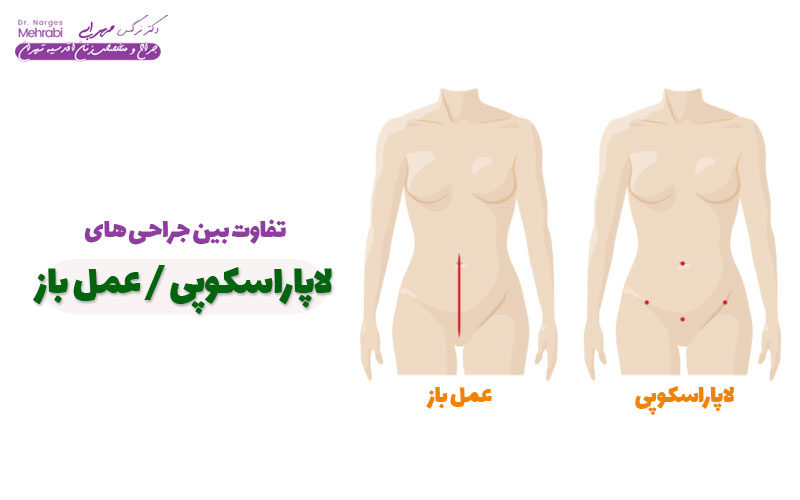
What is laparoscopy of the uterus and how is it different from open surgery?
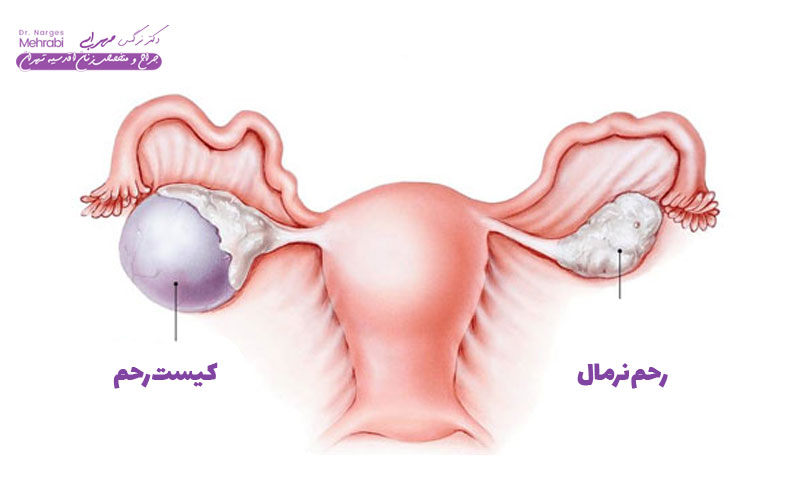
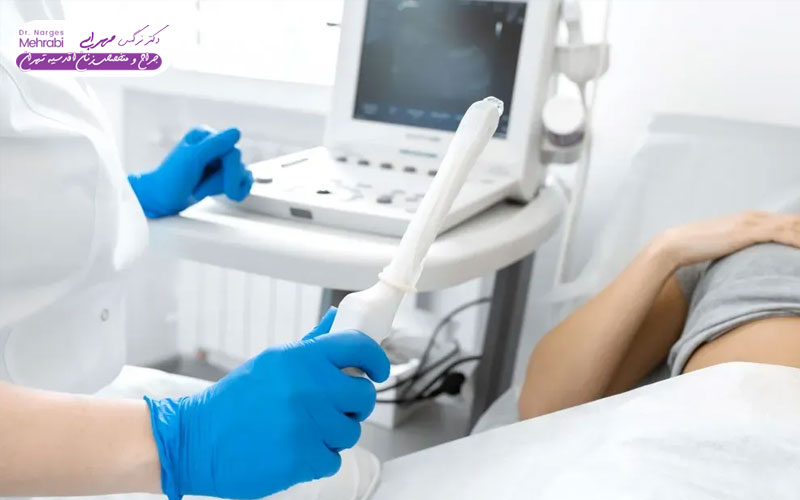
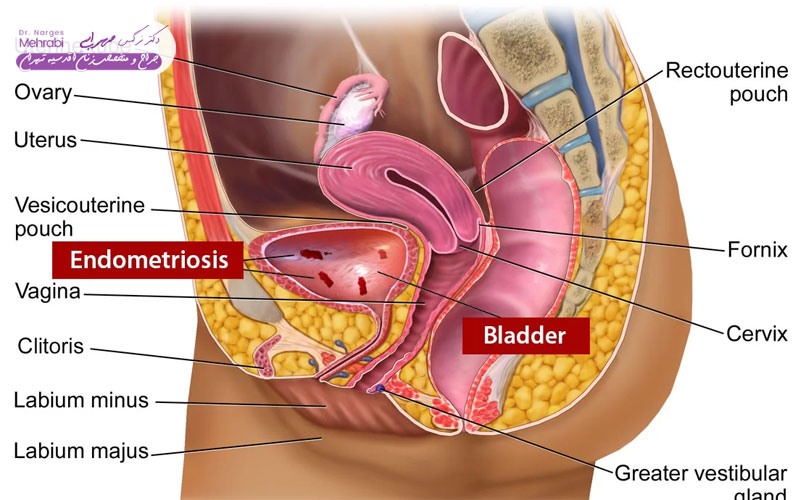
In addition to endometriosis and fibroids, uterine laparoscopy for infertility is also used to investigate and treat other problems such as pelvic adhesions, blockage of fallopian tubes, and diagnosis of other uterine abnormalities. Adhesions can disrupt the normal movement of the fallopian tubes and prevent the transfer of the egg to the uterus. During laparoscopy, the doctor can release these adhesions and unblock the tubes. This method is also used as a diagnostic tool so that the surgeon can observe the condition of the internal organs with his own eyes and determine the exact cause of infertility. It is very important and can help to improve the result and reduce the risks. The first step is to consult a doctor. The doctor will ask about your medical history, medications, and any allergies you may have. Blood tests, ultrasound, and other diagnostic tests may also be ordered to assess your general condition and confirm the need for laparoscopic surgery. In this meeting, be sure to ask all your questions to the doctor so that you can enter the process with complete confidence.
A few days before the surgery, the doctor may give you special instructions. For example, you may need to stop taking certain medications, such as blood thinners or herbal supplements. Also, you are advised to avoid eating and drinking the night before the procedure. Strict adherence to these instructions is necessary to avoid anesthesia complications. The doctor may order the use of some bowel washing solutions to keep the bowel clean for the surgery.
On the day of the surgery, you must arrive at the hospital on time and bring the necessary documents with you. Before entering the operating room, the nurse will check your vital signs and give you a special gown. Then the anesthesiologist will talk to you and explain the type of anesthesia. Uterine Laparoscopy for Infertility is usually done under general anesthesia, which means you will be completely asleep during the surgery and will not feel any pain. Relaxation and reassurance at this stage can help improve your experience.
Uterus laparoscopy procedure and its duration
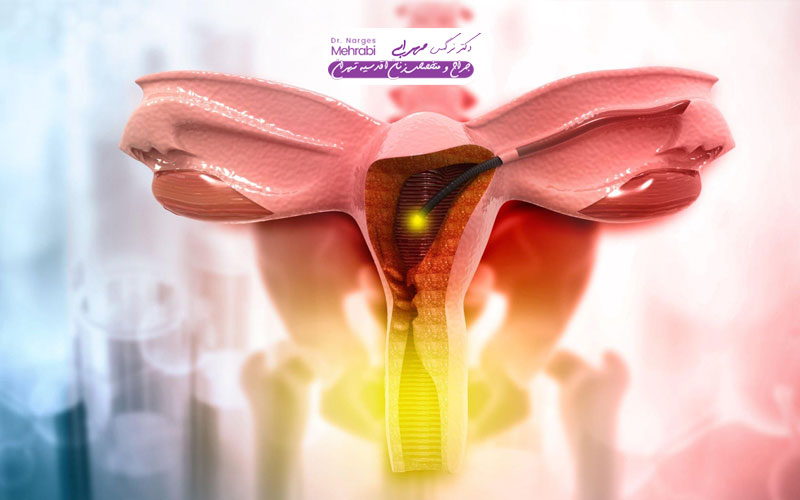
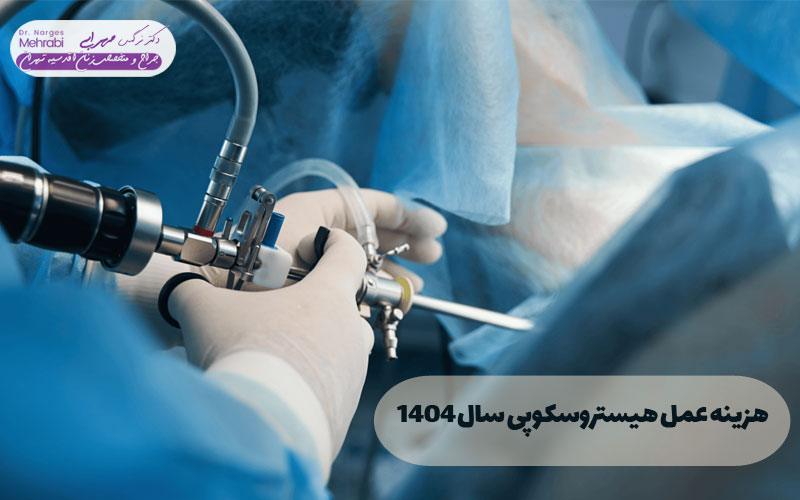
Uterus laparoscopy for infertility begins in the hospital under general anesthesia. After complete anesthesia, the surgeon makes a small incision near the navel. Through this incision, a thin needle is inserted into the abdomen and carbon dioxide gas is injected. This gas provides the free space needed for the movement of tools and better visibility. Then the laparoscope (camera) enters the abdomen through this incision and transmits the images to the monitor. By viewing these images, the surgeon checks the condition of the internal organs.
After the initial examination and accurate diagnosis of the problem, the surgeon may make one or two more small incisions in the lower abdomen. These incisions are used to insert delicate surgical instruments such as small scissors, cautery (cautery) or laser. Using these tools, the surgeon can loosen adhesions, remove endometriosis lesions, remove fibroids, or fix other problems. All these procedures are performed with high precision and under direct supervision on the monitor.
The duration of uterine laparoscopy for infertility varies depending on the type and complexity of the problem. A simple diagnostic procedure may take only 30 minutes, while a more complex procedure to remove large fibroids or treat severe endometriosis may take 2-3 hours or even longer. After the surgery, carbon dioxide gas is removed from the abdomen and the incisions are closed with small sutures.
care after laparoscopic surgery
care after uterine laparoscopic surgery for infertility is very important for quick recovery and prevention of possible complications is Immediately after the operation, you will be transferred to the recovery room to recover from the effects of anesthesia. You may have abdominal pain or discomfort that can be controlled with pain medication. You may also feel pain in your shoulder or neck due to the injected gas, which usually goes away after a few days. Nurses and doctors will constantly check your vital signs.
After you leave the hospital, getting enough rest is your first priority. Although laparoscopy for infertility is a minimally invasive procedure, your body needs time to heal. Your doctor will advise you on when to resume daily activities, such as driving and exercising. You can usually return to light activity after a few days, but avoid heavy lifting and vigorous activity for a few weeks.
care of the incision site is also very important. You should keep the wound clean and dry and follow your doctor's instructions regarding dressing changes and bathing. If you notice any symptoms such as redness, swelling, fever, severe pain, or unusual discharge from the incision site, you should contact your doctor immediately. Strictly following the doctor's instructions will help you to recover quickly and without problems and prepare for the next stages of infertility treatment.
benefits and risks of uterine laparoscopy for infertility
uterine laparoscopy for infertility Many advantages over open surgeries has One of its most important advantages is its low invasiveness. Smaller incisions mean less pain, less bleeding, and a lower risk of infection. This method also leads to the creation of a small and imperceptible scar. Faster recovery is another key benefit that allows patients to return home and resume their normal activities in a shorter period of time. In laparoscopic surgery, the doctor has a very detailed and magnified view of the internal organs through the laparoscope camera, which allows him to operate more accurately.
Like any other surgery, uterine laparoscopy for infertility also has risks, although these risks are rare. Some possible risks include damage to nearby organs such as the bladder, bowel, or blood vessels. There is also a risk of infection at the incision site. Adverse reactions to anesthesia are also possible risks. Also, in some cases, the surgeon may have to convert laparoscopic surgery to open surgery due to unexpected complications. However, these risks can be minimized by choosing an experienced surgeon and carefully following pre- and post-operative instructions.
Finally, the decision to use Laparoscopy of the uterus for infertility should be made in full consultation with a specialist physician. By evaluating your condition and reviewing your medical history, the doctor can help you with the possible benefits and risks of this method and determine the best treatment option for you.
Cost of uterine laparoscopy for infertility
The cost of uterine laparoscopy for infertility can vary depending on various factors. One of the most important factors is the location of the surgery. The cost in public hospitals is usually lower than in private hospitals. Also, the city and geographical area also affect the final price. The second factor is the salary of the surgeon and the anesthesia team. The experience and reputation of the surgeon can affect the cost of surgery.
During the surgery, you will be under general anesthesia and will not feel any pain. After the procedure, you may feel mild to moderate pain in the incisions and abdomen. Also, due to the injection of carbon dioxide gas, you may also feel pain in the shoulder or neck area. These pains can usually be controlled with painkillers and disappear within a few days.
How long is the recovery period after laparoscopy?
The recovery period after Laparoscopy of the uterus for infertility is much shorter than open surgeries. Most patients are discharged from the hospital the same day or the next day. You can return to light activities after a few days, but you should avoid strenuous activities and heavy lifting for a few weeks. Full recovery usually takes 2 to 4 weeks.
Does laparoscopy of the uterus for infertility cause new adhesions?
Laparoscopy of the uterus for infertility due to Being less invasive and less damaging to the tissues, the risk of creating new adhesions is greatly reduced. In open surgeries, large incisions and more tissue manipulation increase the possibility of adhesions. However, in rare cases and depending on individual conditions, there is a possibility of adhesion.
When can we try to get pregnant after laparoscopy?
The exact time to try to get pregnant after laparoscopy of the uterus for Infertility depends on the reason for the surgery and your individual situation. In many cases, the doctor recommends waiting for a few weeks to a few months for the body to fully heal. It is very important to consult a doctor in this regard and he will determine the best time based on your condition.
Is laparoscopy suitable for all infertility problems?
No. Laparoscopy of the uterus for infertility is most appropriate for cases where the cause of infertility is related to physical problems in the uterus, fallopian tubes, or ovaries, such as endometriosis, fibroids, adhesions, and blocked tubes. If the cause of infertility is problems such as hormonal disorders, ovulation problems or male infertility, laparoscopy will not be a suitable option. ">
Yes. In rare cases, due to unforeseen complications during the surgery, such as heavy bleeding, severe adhesions, or the presence of large masses, the surgeon may decide to convert the laparoscopic hysterectomy for infertility to open surgery in order to fix the problem more safely. This decision is made in order to preserve the health of the patient.
Uterine laparoscopy for infertility.
This article is being updated and expanded to meet SEO standards.