به یاد فرزندان جاویدان این سرزمین

یادشان همواره در قلب این خاک زنده خواهد ماند

Endometriosis laparoscopy Dr. Narges Mehrabi
مقاله تخصصی

Endometriosis laparoscopy Dr. Narges Mehrabi

3 weeks ago
546 بازدید
Dr. Narges Mehrabi

Dr. Narges Mehrabi

تهران

Surgeon and gynecology and infertility specialist

Endometriosis laparoscopy

Endometriosis disease, which is characterized by the growth of tissue similar to the inner lining of the uterus (endometrium) outside the uterine cavity, is one of the most complex and painful health problems among women of reproductive age. This disease, which is also known as the "silent disease", can cause a wide range of symptoms, from chronic pelvic pain and severe menstrual pain to infertility, and can severely affect a person's quality of life.

Despite significant advances in non-invasive diagnostic methods such as ultrasound and MRI, often the only definitive way to definitively diagnose and effectively treat endometriosis lesions is to use surgical techniques. In the meantime, laparoscopic surgery, as a minimally invasive method, has created a revolution in the management of this disease and is known as the gold standard for endometriosis diagnosis and treatment.

We are going to discuss how this delicate surgery allows surgeons to identify, evaluate, and destroy abnormal tissues with minimal incisions and preserve maximum fertility, so that the patient can return to a normal life as quickly as possible without pain. href="#%D8%A2%D9%86%D8%AF%D9%88%D9%85%D8%AA%D8%B1%DB%8C%D9%88%D8%B2-%DA %86%DB%8C%D8%B3%D8%AA-%D9%88-%DA%86%D9%87-%D8%B2%D9%85%D8%A7%D9%86%DB%8C -%D9%86%DB%8C%D8%A7%D8%B2-%D8%A8%D9%87-%D8%AC%D8%B1%D8%A7%D8%AD%DB%8C-%D Endometriosis What is it and when does it require surgery?

  • role Laparoscopy in the treatment of deep endometriosis and endometrioma
  • era Recovery and care after laparoscopic surgery
  • role The skill of the surgeon in the success of laparoscopic endometriosis surgery
  • conclusion

  • What is endometriosis and when does it need surgery?

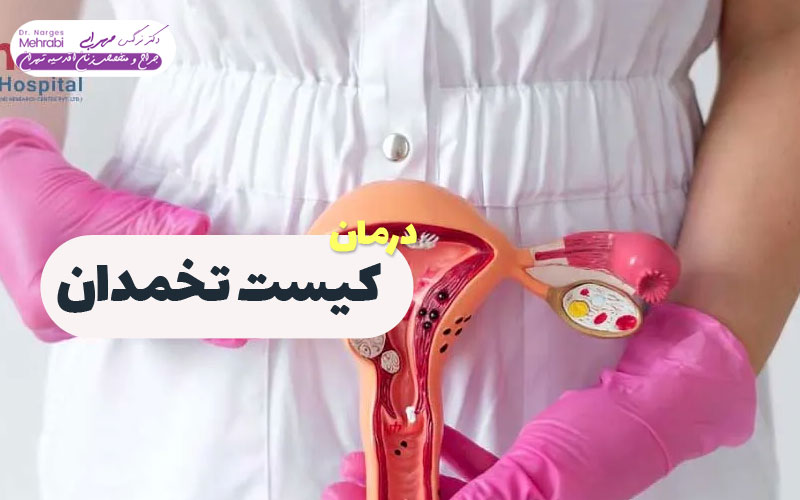
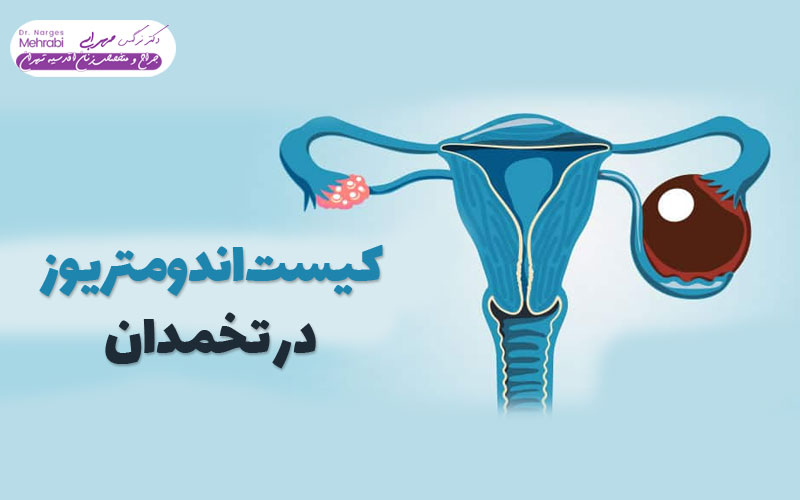
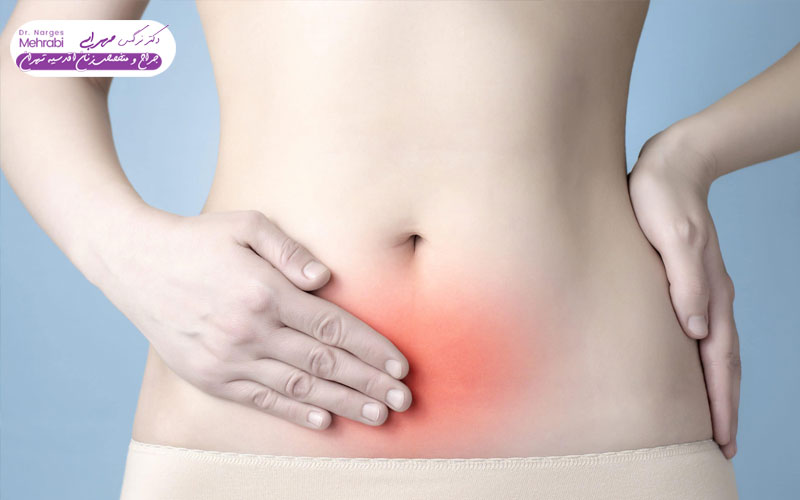
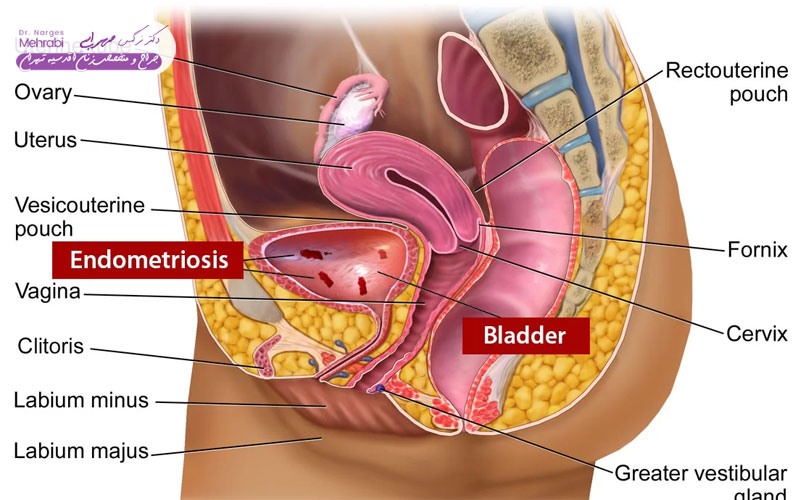
    Endometriosis is a chronic disease in which tissue similar to the inner layer of the uterus (endometrium) grows outside the uterus, mainly in the pelvis, ovaries and peritoneum. This misplaced tissue is affected by monthly hormonal cycles and bleeds just like the endometrium. Since this blood has no way to leave the body, it causes inflammation, pain, formation of adhesions and scar tissue.

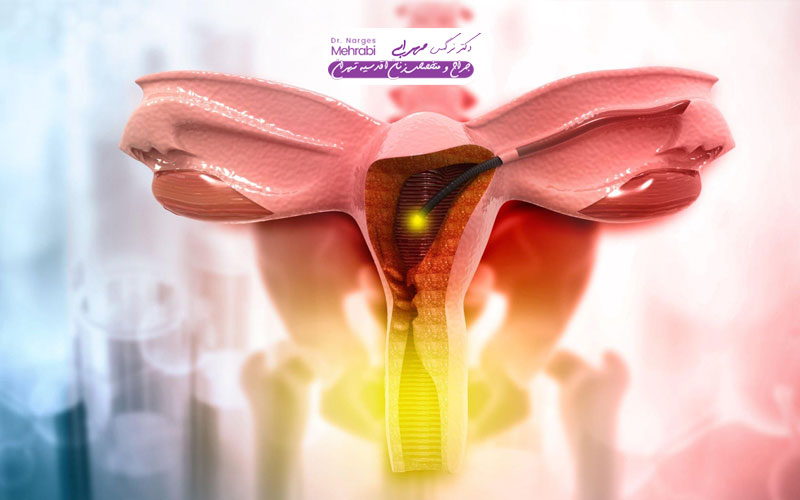
    images of endometriosis
    images of endometriosis

    This disease has different degrees from mild to severe. In the early or mild stages, drug treatments such as pain relievers and hormone therapy are usually prescribed to control pain and prevent disease progression. However, when the pain becomes chronic and unbearable or when the patient is facing infertility problems due to the presence of endometriosis, more detailed interventions are needed.

    The need for surgery is often suggested when clinical symptoms do not respond to medical treatments, or in cases where

    key advantages of endometriosis laparoscopy compared to open surgery

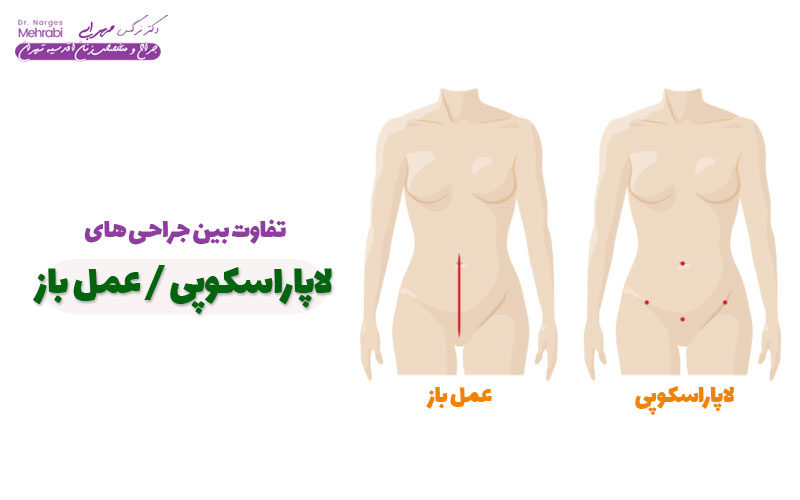
    endometriosis laparoscopy has significant advantages over traditional open surgery methods due to its minimally invasive nature, which has made it the gold standard for the treatment of this disease. Open surgery requires a large incision in the abdomen so that the surgeon can directly access the internal organs, while laparoscopy uses several small incisions (usually less than one centimeter).

    This reduction in the size of the incisions directly affects the patient experience. The most important advantage is less pain after the operation, because there is less invasion of muscle and skin tissues. Reduced pain means less need for strong painkillers and easier management of the recovery period.

    In addition, the recovery and return to daily activities time in endometriosis laparoscopy is significantly shorter. In open surgery, the patient may require weeks of absolute rest, while in laparoscopy, many patients can return to light activities within days.

    Also, the reduced size of the incisions means reduced risk of infection and reduced post-surgical adhesions. Adhesions are one of the common side effects of abdominal surgery, which can lead to chronic pain. While laparoscopy minimizes this risk by causing minimal damage.

    Steps of performing endometriosis laparoscopy for diagnosis and treatment

    Endometriosis laparoscopy surgery is a precise and multi-step process. It is a procedure that is often performed under general anesthesia. The first step is to create access. The surgeon makes a very small incision (usually near the navel) and inserts a special needle into the abdomen to inject carbon dioxide gas.

    The carbon dioxide gas inflates the abdominal cavity and separates it from the abdominal wall. This allows the surgeon to see the internal organs more clearly and insert instruments without damaging the viscera. In the second stage, the laparoscope (a narrow tube with a camera and a light source at the tip) is inserted through the same umbilical incision.

    uterine endometriosis
    uterine endometriosis

    Laparoscope magnified images of the pelvic cavity on The monitor displays. During this step, the surgeon makes other small incisions needed to insert the delicate surgical instruments. This step is the most critical part of diagnosis; Because the surgeon can directly observe all endometriosis lesions, adhesions and cysts and accurately assess the severity of the disease. Finally, the treatment phase begins. Using special tools and techniques such as burning (coagulation) with laser or electrical energy, the surgeon separates and removes endometriosis lesions from healthy tissues. If there are ovarian cysts (endometrioma), the surgeon carefully drains them and removes the cyst capsule. After ensuring the complete removal of the lesions, the gas is evacuated and the incisions are closed with fine sutures.

    The role of laparoscopy in the treatment of deep endometriosis and endometrioma

    Endometriosis can penetrate at different levels of the pelvic cavity; Superficial lesions that are easily visible and deep endometriosis that has penetrated more than 5 mm into tissues, such as the bladder, bowel, or uterine ligaments. Endometriosis laparoscopy has a vital function in dealing with these complex lesions, due to the possibility of image magnification.

    The high magnification of the laparoscope image allows the surgeon to see the border of the deep endometriosis lesion much more accurately than open surgery. This is especially important when removing lesions that are close to vital organs and minimizes the risk of injury to them (such as the ureters, bowel, or pelvic nerves). style="border-width:15px">

    Myomectomytest Pap smearLabiaplasty With laser Vaginal fatPrinoraphServices of Dr. Mehrabi

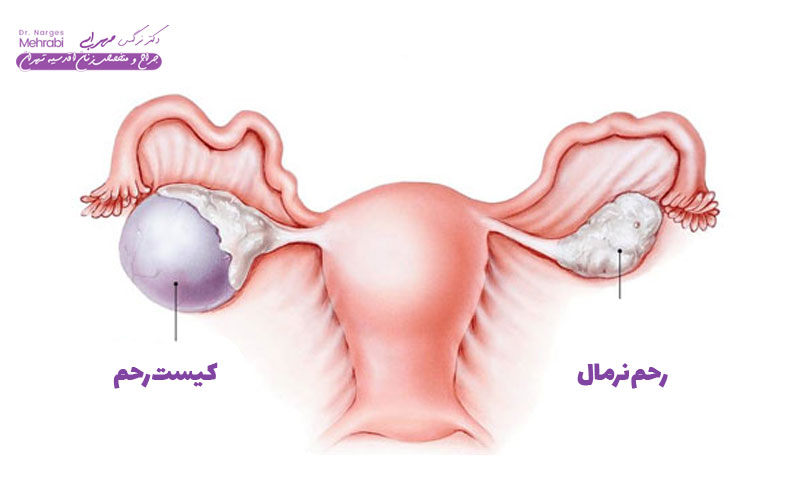
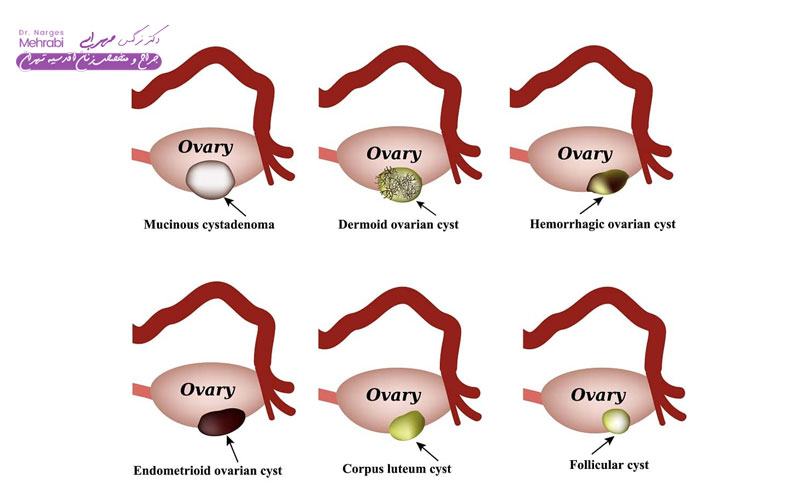
    In the case of endometrioma (chocolate ovarian cysts), endometriosis laparoscopy is the preferred method. With delicate surgical techniques, the surgeon can carefully separate the cyst from the ovarian tissue and remove its capsule completely. The goal here is to completely remove the cyst and at the same time preserve the maximum amount of healthy ovarian tissue, which is necessary to preserve the ovarian reserve and future fertility of the patient. In general, for the successful treatment of deep endometriosis and endometrioma, a complex surgery is required and skills that only surgeons specializing in advanced laparoscopy of endometriosis have. This method, by providing a clear and precise view, enables the complete excision (removal) of lesions with the least side damage.

    Effect of endometriosis laparoscopy on improving the chance of pregnancy

    One of the main motivations to perform laparoscopy Endometriosisin women trying to conceive, increasing the chance of a natural pregnancy or success in assisted reproduction methods (such as IVF). Endometriosis can cause infertility through various mechanisms, such as creating chronic inflammation in the pelvis, creating adhesions that disrupt the path of the fallopian tubes and ovaries, and negatively affecting the quality of eggs and embryos. Laparoscopic endometriosis surgery can eliminate these physical and chemical obstacles by removing endometriosis foci and lesions. The removal of adhesions allows the fallopian tubes to properly direct the egg released from the ovary to the uterus and the normal function of the pelvic organs returns.

    Removing endometrioma cysts also, despite the possible risks of reducing the ovarian reserve if the surgeon is not skilled, usually reduces chronic inflammation in the ovary and provides a better hormonal environment. Studies have shown that after successful laparoscopic surgery, the chance of pregnancy in women with mild to moderate endometriosis increases significantly.

    However, it should be noted that endometriosis laparoscopy is not a definitive cure for infertility, but rather a contributing factor. The success rate depends on the severity of the disease, the age of the patient and the skill of the surgeon. In any case, for patients whose infertility is caused by the mechanical and inflammatory factors of endometriosis, this surgery can be the key to return to the fertility path. Laparoscopy for endometriosis has a shorter recovery period than open surgery, but this does not mean that care is not needed. Immediately after surgery, the patient may experience mild to moderate pain in the area of ​​the incisions as well as pain in the shoulder, which is caused by the carbon dioxide gas injected into the abdomen. The incision area should be kept clean and dry, and signs of infection such as redness, swelling, or abnormal discharge should be reported to the doctor immediately.

    Laparoscopy of uterus for endometriosis
    possible side effects and risks related to endometriosis laparoscopy

    Although laparoscopy Endometriosisis considered a minimally invasive and relatively safe procedure, but like any surgery, it has its own risks and potential complications that patients should be aware of. Common and mild side effects include nausea, mild pain in the incision area, and shoulder pain due to stimulation of the diaphragm by carbon dioxide gas, which usually resolve quickly.

    However, more serious risks exist, although they are rare. These risks include damage to adjacent internal organs such as the bladder, bowel, or large blood vessels, requiring immediate repair and possibly conversion to open surgery. The risk of organ damage is higher, especially in patients with deep endometriosis and extensive adhesions.

    Other complications include the risk of infection at the site of incisions or in the abdomen, blood clots (DVT), and adverse reactions to anesthesia. To reduce these risks, it is vital to choose a surgeon with experience and skill in endometriosis laparoscopy and complete preoperative evaluations. It should be noted that recurrence of endometriosis is also a possibility after surgery, as this disease is chronic. Surgery removes existing lesions, but does not prevent new lesions from forming. Therefore, endometriosis laparoscopy is often accompanied by a postoperative drug therapy regimen to minimize the risk of recurrence.

    The role of surgeon skill in the success of endometriosis laparoscopy

    Surgical success Laparoscopy for endometriosis highly depends on the skill, experience and expertise of the surgeon. Endometriosis is a variable disease and its lesions are often hidden or located near vital structures. Therefore, the surgeon must be skilled in the diagnosis of different types of lesions, including superficial lesions and deep endometriosis. A surgeon skilled in endometriosis laparoscopy is not only able to remove visible lesions, but also uses advanced techniques to separate adhesions and remove lesions that are attached to vital organs (such as the bladder and bowel) without damaging them. This skill becomes doubly important in complex surgeries, especially in cases where the goal is to preserve fertility.

    In addition to technical skill, the experience of the surgeon in the field of minimally invasive surgeries is also an important factor. Surgeons who routinely perform complex laparoscopic surgeries are better prepared to manage unexpected intraoperative complications. This can be the difference between a successful surgery with a quick recovery and a complicated, long-term situation.

    So, when choosing a doctor for endometriosis laparoscopy, carefully check his or her qualifications and surgical history. Expertise in the field of advanced laparoscopy and successful history in the treatment of severe cases of endometriosis show the necessary competence to guarantee the best treatment result for you. It has provided definitive treatment for chronic pain and improved chances of fertility in women with this challenging disease. Advantages such as less pain, smaller incisions and faster recovery time compared to open surgery make this method the preferred choice. By carefully removing active lesions and adhesions, this surgery not only relieves the patient's symptoms, but also makes the pelvic environment favorable for the normal functioning of the organs and increasing the likelihood of fertility.

    Success in laparoscopic endometriosis surgery is highly dependent on the expertise and experience of the surgeon, especially in cases where the disease has deeply penetrated vital organs or there is a large endometrioma in the ovaries. Choosing a surgeon with advanced laparoscopy skills and sufficient knowledge in preserving ovarian reserve is a key decision to achieve optimal treatment results and maintain the patient's quality of life. Finally, despite the chronic nature of endometriosis and the possibility of recurrence, endometriosis laparoscopy is an important and effective step in the management of this disease, which can be stabilized with post-operative care and appropriate treatment follow-ups (usually hormonal therapy). This surgery is a new hope for women who seek to get rid of pain and achieve their dream of becoming a mother.

    Contact information of Dr. Narges Mehrabi

    Dr. Narges Mehrabi, surgeon and gynecologist in Tehran

    WhatsApp

    09056911016

    office phone

    02126140124


    FAQ

    How long does endometriosis laparoscopy take?

    The duration of endometriosis laparoscopy surgery varies depending on the severity and spread of the disease. For mild cases and a simple diagnosis, it may only take 30 to 60 minutes. But in severe cases, where there is deep endometriosis, large cysts (endometrioma) or extensive adhesions, the surgery can last from 2 to 4 hours or more. Is it?

    Endometriosis laparoscopy is the most effective way to remove visible lesions and relieve symptoms, but it is usually not a definitive cure. Endometriosis is a chronic disease and after surgery, there is a possibility of recurrence of lesions. For this reason, doctors often recommend that surgical treatment be combined with drug therapy (hormone therapy) after surgery to minimize the risk of recurrence. Should I return?

    One of the main advantages of laparoscopy is the short recovery time. Most patients can return to light activities and office work within 3 to 7 days. However, for more vigorous activities, such as strenuous exercise or heavy lifting, it is usually recommended to wait 4-6 weeks for full recovery.

    Is shoulder pain normal after laparoscopy for endometriosis?

    Yes, shoulder pain after laparoscopy for endometriosis is a common and completely normal side effect. This pain is caused by the stimulation of the diaphragm by carbon dioxide gas, which is used to inflate the abdomen. This pain is temporary and usually resolves within 24 to 48 hours with movement and absorption of gas by the body.

    After endometriosis laparoscopy, when can I try to get pregnant?

    Time Suitable for trying to get pregnant after endometriosis laparoscopy depends on the severity of the disease, the type of surgery performed and the doctor's opinion. In many cases, doctors recommend that after passing 1 to 3 menstrual cycles for complete restoration of pelvic tissues. In cases where hormone therapy has been prescribed after surgery, you should wait until the end of the treatment period.

    Can endometriosis laparoscopy reduce ovarian reserve?

    If endometriosis lesions (Endometrioma) are present in the ovary and need to be removed, yes, there is a possibility of a slight decrease in the ovarian reserve. This decrease is due to possible damage to healthy follicles around the cyst when its capsule is removed. However, surgeons experienced in laparoscopy for endometriosis use advanced techniques to minimize this damage to preserve as much healthy ovarian tissue as possible.

    Laparoscopy for endometriosis.

    This article is being updated and expanded to meet SEO standards.

    This article is part of the content collection Gynecological surgeries is.

    اشتراک‌گذاری:

    مقالات مرتبط

    مقالات دیگر از Dr. Narges Mehrabi

    31 مقاله
    Laparoscopy of the uterus for infertility Dr. Narges Mehrabi
    مطالعه بیشتر

    Laparoscopy of the uterus for infertility Dr. Narges Mehrabi

    Uterine laparoscopy for infertilityInfertility is one of the complex challenges that many couples around the world face....

    3 weeks ago بخوانید
    Uterine cyst treatment Dr. Narges Mehrabi
    مطالعه بیشتر

    Uterine cyst treatment Dr. Narges Mehrabi

    Uterine cyst treatmentThe uterus, this complex and vital organ in the female reproductive system, sometimes hosts small...

    3 weeks ago بخوانید
    Laparoscopy of the uterus for endometriosis Dr. Narges Mehrabi
    مطالعه بیشتر

    Laparoscopy of the uterus for endometriosis Dr. Narges Mehrabi

    Uterine laparoscopy for endometriosisEndometriosis is a chronic and often painful disease that affects the lives of mill...

    3 weeks ago بخوانید
    The difference between laparoscopy and hysterectomy Dr. Narges Mehrabi
    مطالعه بیشتر

    The difference between laparoscopy and hysterectomy Dr. Narges Mehrabi

    The difference between laparoscopy and open hysterectomyChoosing the right surgical method for the treatment of uterine...

    3 weeks ago بخوانید
    The best pill for uterine infection Dr. Narges Mehrabi
    مطالعه بیشتر

    The best pill for uterine infection Dr. Narges Mehrabi

    best pill for uterine infectionGynecological diseases and infections of the reproductive system, especially uterine infe...

    3 weeks ago بخوانید
    What is an ovarian cyst? Dr. Narges Mehrabi
    مطالعه بیشتر

    What is an ovarian cyst? Dr. Narges Mehrabi

    What is an ovarian cystThe female reproductive organs, especially the ovaries, are the focus of complex and precise horm...

    3 weeks ago بخوانید
    The best time for uterine and ovarian ultrasound Dr. Narges Mehrabi
    مطالعه بیشتر

    The best time for uterine and ovarian ultrasound Dr. Narges Mehrabi

    The best time for uterine and ovarian ultrasoundUltrasound, as one of the non-invasive and highly efficient diagnostic t...

    3 weeks ago بخوانید
    Complications of uterine laparoscopy Dr. Narges Mehrabi
    مطالعه بیشتر

    Complications of uterine laparoscopy Dr. Narges Mehrabi

    complications of uterine laparoscopyUterine laparoscopy, as a minimally invasive surgical method, has revolutionized the...

    3 weeks ago بخوانید
    Kiton tablets Dr. Narges Mehrabi
    مطالعه بیشتر

    Kiton tablets Dr. Narges Mehrabi

    kiton pillIn recent decades, increasing attention has been paid to the role of nutrients and food supplements in improvi...

    3 weeks ago بخوانید
    Endometriosis cyst in the ovary Dr. Narges Mehrabi
    مطالعه بیشتر

    Endometriosis cyst in the ovary Dr. Narges Mehrabi

    Endometriosis cyst in the ovaryThe female body is an amazing network of hormones and cyclical processes in which the ute...

    3 weeks ago بخوانید
    Laparoscopic uterine prolapse surgery Dr. Narges Mehrabi
    مطالعه بیشتر

    Laparoscopic uterine prolapse surgery Dr. Narges Mehrabi

    Laparoscopy uterine prolapse surgeryIn today's fast-paced world, women's health issues have become especially important....

    3 weeks ago بخوانید
    Pain after uterine laparoscopy Dr. Narges Mehrabi
    مطالعه بیشتر

    Pain after uterine laparoscopy Dr. Narges Mehrabi

    Pain after laparoscopy of the uterusLaparoscopy surgery of the uterus, as a minimally invasive method, has made a big ch...

    3 weeks ago بخوانید
    Bladder endometriosis symptoms Dr. Narges Mehrabi
    مطالعه بیشتر

    Bladder endometriosis symptoms Dr. Narges Mehrabi

    Bladder endometriosis is one of the lesser-known subcategories of endometriosis, which is usually diagnosed with a delay...

    3 weeks ago بخوانید
    A comprehensive review of all types of ovarian cysts Dr. Narges Mehrabi
    مطالعه بیشتر

    A comprehensive review of all types of ovarian cysts Dr. Narges Mehrabi

    Comprehensive review of ovarian cyst typesThe female reproductive system is a complex and dynamic system that is affecte...

    3 weeks ago بخوانید
    The best pill for ovarian laziness Dr. Narges Mehrabi
    مطالعه بیشتر

    The best pill for ovarian laziness Dr. Narges Mehrabi

    The best pill for ovarian lazinessPolycystic ovary syndrome (PCOS) or ovarian laziness, is one of the most challenging a...

    3 weeks ago بخوانید
    The cost of hysteroscopy in 1404 Dr. Narges Mehrabi
    مطالعه بیشتر

    The cost of hysteroscopy in 1404 Dr. Narges Mehrabi

    The cost of hysteroscopy operation in 1404Hysteroscopy, as a minimally invasive diagnostic and therapeutic tool in the f...

    3 weeks ago بخوانید
    Post-operative care of endometriosis Dr. Narges Mehrabi
    مطالعه بیشتر

    Post-operative care of endometriosis Dr. Narges Mehrabi

    Endometriosis post-operative careThe decision to undergo surgery to treat endometriosis is often the last stop in the lo...

    3 weeks ago بخوانید
    Pagedone
    Resources
    Products
    ©GCORP LLC 2026, All rights reserved.