
Table of contents
Reproductive age of women refers to the period when the ability to conceive naturally and have a healthy child is at its highest level. Women are able to conceive from puberty (usually 12-15 years old) until menopause (average 45-55 years old), but fertility declines with age. Peak fertility is in the late teens to late 20s (about 20–29 years old), where the monthly chance of pregnancy is about 25–30%. It starts to gradually decrease from around 30 years old, and after 35 years old, it accelerates; So that at the age of 40, the probability of natural pregnancy reaches less than 5-10% in each cycle. This article by Dr. Toto has been compiled with the aim of carefully examining the age range of fertility, the factors affecting its reduction, the chances of pregnancy at different ages, and strategies to increase success, so that women can plan with knowledge.

At what age does female fertility start?
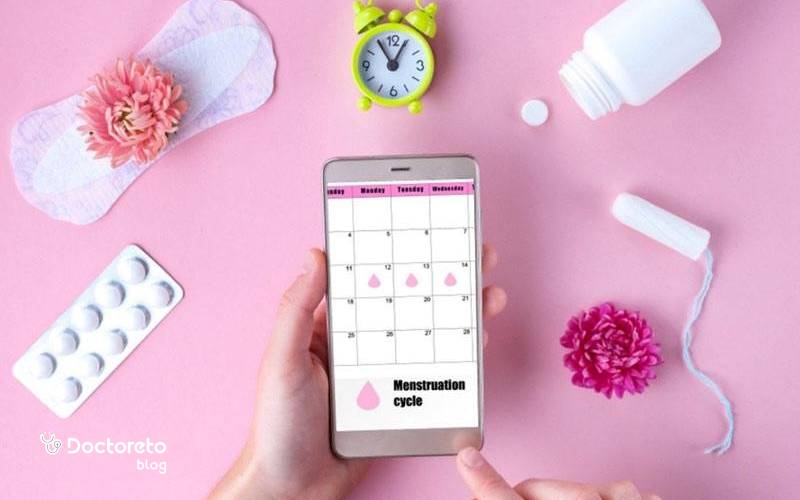
What is Fertile Period? A woman's reproductive age refers to the period when a woman can become pregnant and carry the pregnancy to term naturally. This period usually starts at the age of 12, at the same time as the biological onset of menstruation and sexual maturation of girls. In fact, when girls mature and start their menstrual cycles, the reproductive age also begins. Of course, this age is an estimate and depending on various factors, the reproductive age of women may start earlier or even later than this age.
For example, factors such as type of nutrition, weather conditions and genetics may change the onset of reproductive age in girls. For this reason, in some cases, the reproductive age starts from 10 to 15 years old.
English text:
Quoted from siemens-healthineers
Puberty is the process of physical changes by which a child's body becomes an adult body capable of reproduction. For females, puberty is marked by the onset of menstruation, an important milestone in their reproductive lives. Farsi translation: Puberty means the physical changes of the body in which the child's body becomes an adult's body and has the ability to reproduce. In women, this period is marked by the onset of menstruation.
| Reproductive ages | Influencing factors |
|---|---|
| Beginning of fertility (from about 15 years old) | Maturity, onset of menstruation, nutrition, genetics, weather conditions |
| Best reproductive age (25 to 30 age) | 25% chance of pregnancy per cycle, high egg health |
| gradual decrease in fertility (from age 35) | decline in the number and quality of eggs, hormonal changes |
| severe decrease in fertility (40 years and later) | 5-10% chance of pregnancy per cycle, DNA abnormalities More |
| End of fertility (49-50 years old) | Menopause, cessation of menstruation and ovulation |
| General influencing factors | Healthy lifestyle, smoking and alcohol cessation, exercise, diet, weight loss |
How old is the reproductive age of women?
The end of reproductive age of women is different in different people and depends on many factors. The average age of menopause in women is around 51 years old, when natural fertility ends. A sharp decline in fertility usually begins in the mid-40s. When menstrual cycles stop permanently, ovulation will also stop. Most women experience the first symptom of menopause between the ages of 45 and 55, which marks the end of normal fertility.
Critical ages and severe decrease of fertility
The reproductive age of women decreases gradually and under the influence of various cycles throughout life. In most women, around the age of 35, fertility gradually decreases, and with age, women's fertility decreases at a faster rate.
At the age of 40 and beyond, fertility decreases significantly and each woman has only a 5-10% chance of conceiving in each cycle. Taken together, declining fertility and age-related infertility are associated with:
- Decreasing the number of eggs
- decrease in egg quality; Older eggs have more DNA damage and abnormalities.
- Hormonal changes: affect the regularity of menstruation and ovulation.
- Uterine changes: decrease in acceptance of the uterine lining and increase in fibroids or endometriosis with age.
English text:
quoted from iswaryafertility
Fertility significantly reduced, with about 5-10% chance of pregnancy per cycle.
Persian translation:
Women's fertility significantly decreases at the age of 40 and reaches 5-10% per menstrual cycle.
When is the best medical age for pregnancy?
In her 20s, a woman has a 25% chance of getting pregnant during unprotected sex. This percentage is much lower between 32 and 34 years old. After that, this decline remains constant until about the age of 40. Therefore, it can be said that the best reproductive age for women in terms of the chance of natural pregnancy is late adolescence to late 20s (about 20 to 29 years old).
Effect of environmental factors and lifestyle on reproductive age
Although the reproductive age of women is often mentioned from 15 to 49 years (menarche to menopause), the effective reproductive age may be shorter or longer based on individual health, genetics and lifestyle. Due to some external factors, many women experience a decrease in fertility before menopause.
Some underlying diseases or genetic characteristics can affect women's reproductive age and menstrual and fertility calendar. In addition, sometimes an unhealthy and sedentary lifestyle may greatly affect women's fertility.

Methods to maintain and improve fertility at different ages
Having a healthy lifestyle is the key to improving fertility in women of all ages. Among these cases, the following solutions can be mentioned:
- Quit smoking and alcohol
- Exercising and having physical activity
- Weight loss
- Avoid the consumption of compounds that can affect the health of eggs
- Following a healthy diet
Conclusion
Women's reproductive age begins in late adolescence, around 10 to 15 years old, and reaches its peak in the late twenties. After the age of 30, women's fertility gradually declines, and this decline accelerates when reaching the mid-thirties of life. By age 45, fertility declines so much that it is unlikely to conceive naturally. با این حال عوامل مختلفی میتوانند روی توانایی باروری زنان و سن بارداری در آنها تاثیر بگذارد.
دکترتو مراقب سلامتی شماست!