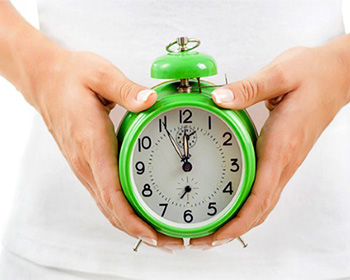
What is the biological clock of the human body and how does it work?

Seyed Morteza Ramezani
Shirazpsychologist
The human body has a very accurate internal clock that
1. Definition and structure
The main center of the biological clock is located in the suprachiasmatic nucleus (SCN) located in the hypothalamus of the brain. By receiving light signals from the retina, this area detects the time of day and night and sends messages to the rest of the body to coordinate the functions. Thousands of cells in the body have their own rhythm, but the SCN plays the role of leader.
2. How does it work?
Light is the strongest signal that regulates the internal clock. When morning light appears, the SCN sends a message that it's time to wake up; In the dark, the secretion of melatonin increases and prepares the body for sleep. In addition to light, temperature, meals and physical activity also affect rhythms.
3. The role of the biological clock in health
Disruption in the circadian rhythm can have several consequences: sleep disturbance, daily fatigue, decreased concentration, hormonal changes, increased risk of obesity and diabetes, and increased likelihood of heart diseases. People who work at night or regularly make long trips with time changes are more exposed to these problems.
4. Factors affecting the regulation or disorder
- Light and darkness: Regular exposure to natural light in the morning and avoiding blue light at night.
- Sleep and wake timing: Having a regular sleep schedule helps.
- Nutrition: Eating irregular meals can disrupt rhythms.
- Life style and Stress: Regular exercise, stress management and eliminating caffeine stimulants before sleep are effective.
- Genetics and age: Genetic structure and aging can change the state of the internal clock.
5. Practical tips for adjusting your biological clock
To synchronize your internal clock and improve sleep quality, you can take these simple steps:
- Go to bed and wake up at the same time every day — even on vacation.
- Expose at least 10 to 20 minutes of natural light in the morning.
- At night, avoid screens and blue light at least one to two hours before bed or use a blue light filter.
- Regular meals and avoid eating a heavy meal right before sleep.
- Keep the sleeping environment dark, calm and cool; Limit the consumption of caffeine and alcohol at the end of the day.
6. When should you see a specialist?
If you have chronic insomnia, excessive daytime sleepiness, or frequent changes in your sleep pattern for more than a few weeks, professional consultation is helpful. At Mehrshadi Clinic, we can help you by evaluating sleep patterns and providing cognitive-behavioral counseling and circadian rhythm regulation programs.
7. Summary
The biological clock is an integral part of physical and mental health. Adjusting this clock with simple daily methods can improve sleep quality, daily energy and mood and reduce the risk of diseases. Observing a regular sleep schedule, natural light in the morning, and regular nutrition are the first effective steps.
Frequently Asked Questions
- Does changing the work shift necessarily disrupt the biological clock?
- Yes; Frequent change of work shift or night work can disrupt the circadian rhythm and requires regulatory and support measures.
- Does supplemental melatonin help regulation?
- Melatonin can be useful in some cases and according to expert opinion, but arbitrary use is not suitable.
- How long does it take to adjust the body clock?
- Depending on the severity of the disorder, several days to several weeks. kills; Consistency in regulatory measures is important.