Table of Contents
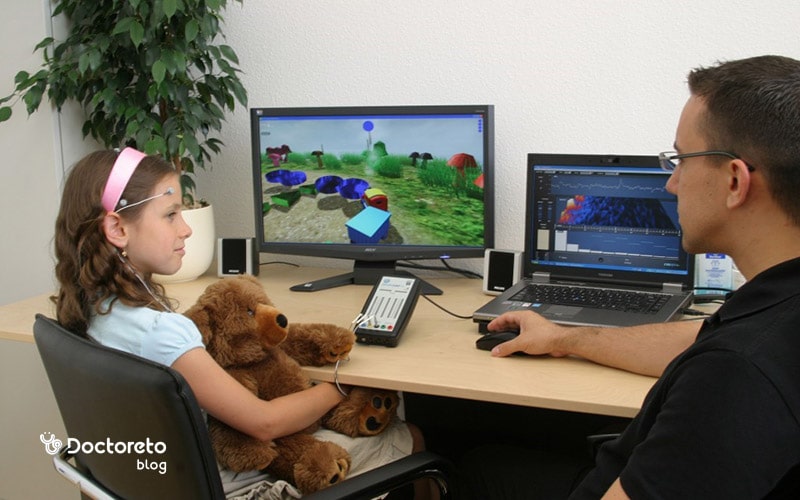
Neurofeedback is a non-invasive way to adjust brain patterns and improve disorders such as ADHD and anxiety in some people, but like any other treatment method, it may have side effects. According to medical studies, most patients experience minor and temporary complications. Mild headache, fatigue, transient anxiety, dizziness or brain fog are some of the side effects of neurofeedback. If you also intend to do this treatment but want to know what are the side effects of neurofeedback, ask your doctor to stay with us until the end of this article.
What are the common side effects of neurofeedback?
The side effects of neurofeedback are usually mild and temporary and include mental fatigue, light headaches and dizziness. Transient anxiety and brain fog are other commonly reported side effects that are caused by the initial adjustment of EEG patterns.
Usually, before starting neurofeedback treatment sessions, doctors inform patients that some side effects are normal and there is no need to worry or worry about them. Common side effects of neurofeedback include the following:
- Mild headache
- Lightheadedness and mental fatigue
- excitability or transitory anxiety
- Temporary sleep changes
- Scalp sensitivity at the electrode site
| Complication type | Frequency | Severity | Description |
|---|---|---|---|
| Fatigue | Common (temporary) | Mild | Feeling tired after initial sessions; Usually a sign of brain regulation |
| Headache | Rare to moderate | Mild | Mild and usually short-term headache |
| Sleep problems | Rare | Mild | Insomnia or temporary drowsiness associated with stimulation Cerebral |
| Anxiety or irritability | Rare | Mild to moderate | Temporary increase in emotional anxiety or irritability |
| Emotional fluctuations | Very rare | Mild | Short-term mood changes such as crying Sudden |
| Brain fog | Rare | Mild | Temporary and transient feeling of confusion or lack of concentration |
mild headache
One of the most common risks of neurofeedback is a mild headache that may occur during or after the session and sometimes accompanied by dizziness. Experts usually associate this state with dehydration or fatigue; In most cases, this situation can be resolved by drinking enough water and taking some rest. Usually, this complication is temporary and minor and is due to the effort and activity that is requested from the brain.

Lightheadedness and mental fatigue
Lightness after neurofeedback sessions is usually due to the practice of fast brain waves (such as beta waves), which creates a temporary balance in brain activity. Mental fatigue is also the most common complication, similar to muscle fatigue after exercise, because the brain uses more energy to learn new patterns. In people with a history of brain damage, these symptoms may be more severe and require more careful monitoring.
excitability or transient anxiety
It is normal for people to experience more sensitivity or have mood swings and irritability while adapting to new brain wave patterns or changes in their lives. This happens because the brain adapts to new conditions and processes emotions differently. These changes usually decrease with time, so it is recommended to give yourself time to adapt to these changes and allow the brain to get used to new patterns and neurofeedback exercises.
Another mental side effect of neurofeedback is anxiety, which may be caused by the stress caused by the electrodes being placed on the head or even the patients' natural concern about the treatment. Some patients experience severe anxiety before the session, but these feelings usually decrease with the beginning of the treatment process.
English text:
Some sites in the brain may be more challenging to treat than others, leading to side effects more frequently.
Persian translation:
Some areas of the brain are more difficult to treat than other areas, and this issue can cause more side effects in them. href="https://chicagomindsolutions.com/blog/are-there-any-side-effects-neurofeedback" target="_blank" rel="noreferrer noopener">chicagomindsolutions
temporary sleep changes
Since neurofeedback changes brain patterns and replaces them with new ones, the body needs time to adapt to these changes. In this situation, a person may have a sleep cycle disorder. This disorder can manifest itself differently in each patient. Fortunately, these changes are usually temporary and usually after a few days the body gets used to the new conditions and the sleep cycle returns to normal.
Scalp sensitivity at the electrode site
Since sensors (electrodes) are placed on the scalp or other areas during neurofeedback treatment, a person may experience mild sensitivity or skin irritation at the contact site. This condition is usually caused by prolonged contact of the electrode with the skin or pressure on it. The sensitivity caused by the electrode is temporary in most cases. However, if it continues in subsequent sessions, you can ask the doctor to change the placement of the electrodes.

What are the serious side effects of neurofeedback?
Serious side effects of neurofeedback are rare and occur mostly in cases where the treatment method is not set correctly or the patient has a history of a certain disease. These side effects can include worsening of initial symptoms (such as increased anxiety or depression) or even increased risk of seizures in those with a history of epilepsy, but usually resolve with a change in treatment. Research shows that neurofeedback is generally safe and poses little risk if performed by an experienced practitioner. There is no scientific evidence of permanent brain damage with this method.
Memory problems
One of the most serious risks of neurofeedback that requires medical intervention is temporary memory problems. Although these problems are rare, they may occur in some people. In fact, this problem does not occur to all patients, and if the therapist is not properly trained, patients may have difficulty concentrating during the session and even after it.
English text:
quoted from theinsightclinic
Neurofeedback training doesn't affect your overall personality; it teaches your brain to function more efficiently.
Persian translation:
Neurofeedback exercises do not affect your overall personality, but teach your brain to function more efficiently.
probability of seizures after neurofeedback
This is very rare and occurs mostly in people who have a history of epilepsy or seizure disorders. In most cases, seizures are temporary and do not cause serious brain damage. Neurofeedback therapists are also trained to control the situation in such situations by immediately stopping the session and using appropriate treatment methods. However, if you have a history of epilepsy or seizures, be sure to inform your doctor before starting neurofeedback.
How to reduce the effects of neurofeedback?
Some side effects of neurofeedback are controllable and preventable to some extent. Some of the measures you can take to reduce the likelihood of these complications include:
- Choose an experienced neurofeedback therapist
- Avoid too much pressure on the brain
- Follow a healthy diet
- Choose the number of sessions according to individual tolerance
Which doctor should we refer to for neurofeedback treatment?
For more information about neurofeedback, you can make an appointment with the best neurologists in Iran.
In the following, you can see a list of the most prominent neurologists in some different cities of Iran:
Conclusion
Neurofeedback is a specialized treatment that, despite its effects in improving behavioral and mental disorders, may also have side effects. Knowing what are the side effects of neurofeedback can help you better understand this treatment and know ways to prevent and control its side effects. Of course, there is no need to worry because most of these side effects are temporary and will decrease over time. Also, by choosing an experienced therapist and following safety tips after treatment, you can prevent many of these side effects.
Your doctor takes care of your health!