

Male infertility is the cause of 30% of infertility and almost similar to female infertility, it is the inability of couples to achieve a real pregnancy. The good news is that most cases of male infertility can be treated by treating the problem or using fertility treatments. When the problem cannot be solved with the existing methods, an infertile couple due to male infertility can use a sperm donor to help the family and create fertility.
What is male infertility?
About 10 to 15 percent of couples are unable to conceive after one year of unprotected intercourse. From this group, the following statistics are presented about the cause of infertility in general:- One third of couples face fertility problems in men.
- A third of couples have fertility problems on both sides. Or they consider infertility unexplainable.
- And finally, one third of couples lead to problems related to fertility in women.
Given that one third of couples lead to problems related to fertility in men, this part of the investigation is very important.

Diagnosis of male infertility
Male infertility is usually diagnosed with a sperm analysis test. This test is relatively simple and the man provides a sample of semen for a laboratory to evaluate. The laboratory uses this sample to measure the volume of semen, the number of sperm, evaluate the sperm motility and its shape.
Ideally, the test should be done at least twice and two to three months apart to confirm the results.
Often, semen analysis is the basis for diagnosing male infertility. However, additional tests may be performed which include:
- General and specialized physical examination by urology specialist
- Specialized sperm analysis, including genetic testing of sperm (to look for antibodies) and evaluation of motile sperm (to see if they are dead or alive).
- Blood test to check hormone levels, usually FSH and testosterone, but sometimes also LH, estradiol or prolactin.
- Genetic karyotype, if repeated miscarriages have been observed.
- sonography
- Urine test After ejaculation, go back to check ejaculation.
- testicular tissue biopsy
- Imaging
Symptoms of male infertility
Any symptoms that indicate weakness and forms of male strength from birth to marriage age can be predictive and testicle Undescended one-sided or two-sided
risk factors for male infertility
The risk factors of male infertility are:
- Obesity
- Age (over 40 – yes, men have biological clocks too)
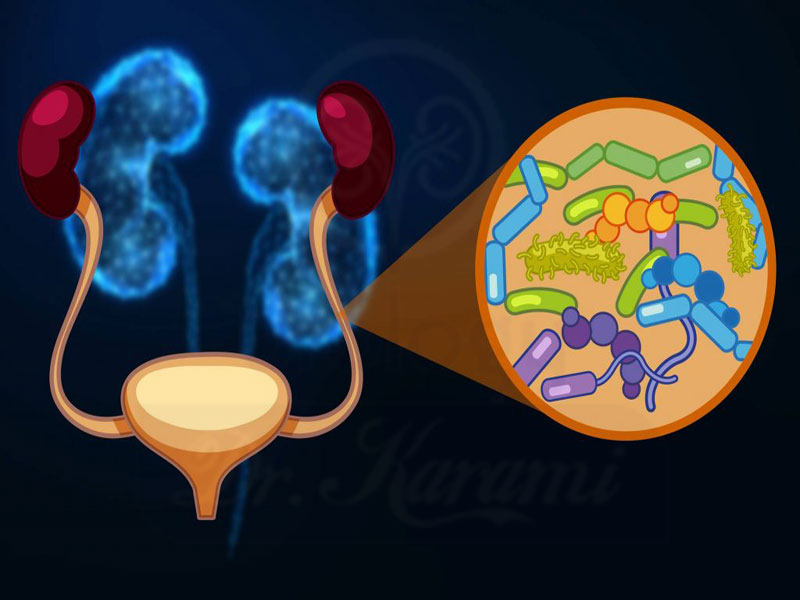
- Current or previous infection caused by
- Smoking or drinking too much alcohol
- Some medications can also reduce fertility.
For more information, it is recommended to read the following article:

causes of male infertility
The reasons for male infertility are divided into the following 4 groups:
- Pretesticular causes or brain causes
- Testicular diseases
- Causes of testicular dimension
- factors related to sperm
In the rest of this article, we will explain these factors.

Pretesticular causes or cerebral causes
The brain is the primary and main command of reproduction.
The first part that initiates the reproductive process is the hypothalamus, which instructs the pituitary gland to secrete FSH and LH hormones. These hormones instruct the testicles to produce sperm and secrete sex hormones. Any disturbances in the secretion of brain hormones cause infertility. Among these diseases are Kallman's syndromes, which have olfactory disorders and infertility.

Testicular diseases
Testicular diseases include any structural, genetic and functional disorders of the testicles, which inherently do not allow sperm production. Klinefelter syndromes, testicular trauma, mumps, Malt fever, They are common causes of testicle damage and lack of sperm production.

The causes of testicular dimension
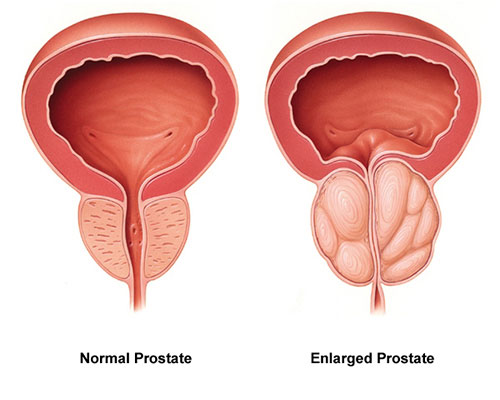
Any blockages in the sperm exit path from the testicle to the duct are included in this group. Injuries of ventilator tubes such as
Sperm related factors
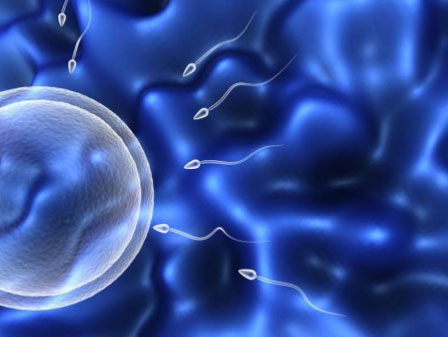
There should be enough sperm in the semen. If the number of sperm in your semen (sperm count) is low, it is less likely that one of your sperm will fertilize your partner's egg. Also, sperm must be functional and able to move. If your sperm motility or function is abnormal, sperm may not be able to reach or penetrate your partner's egg, and other factors related to

Treatment of male infertility
Some causes of male infertility can be treated with drugs or can be treated through surgery. There are options for treatment which include:
Surgery
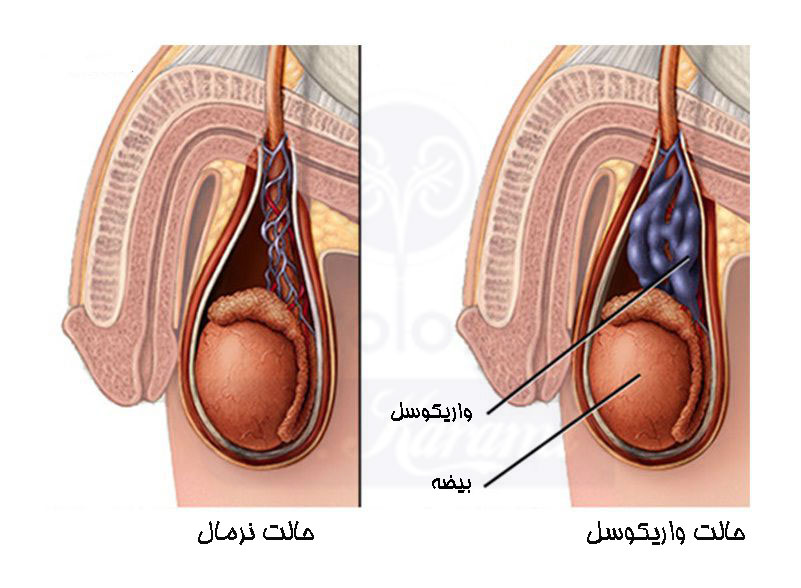
For example, a varicocele can often be surgically corrected or an obstructed vas deferens repaired. Previous vasectomy can be reversed. In cases where there are no sperm in the ejaculate, sperm can often be retrieved directly from the testicles or epididymis using sperm retrieval techniques.
Treatment of infections with antibiotics
Antibiotic treatment may cure a genital tract infection, but it does not always restore fertility.
treatment of sexual problems
Medication or counseling can improve fertility in conditions such as erectile dysfunction or Hormonal and drug treatments
In cases where infertility is caused by high or low levels of certain hormones or problems with the way the body uses hormones, your doctor may assisted reproductive technologies
In cases where the above treatments are ineffective or when the cause of male infertility is unknown or untreatable, In vitro fertilization (IVF) is recommended.
- IUI treatment, in which sperm are transferred to the uterus through the cervix and is usually used in cases of low or low quality sperm.
- In vitro fertilization treatment, or IVF, may be suggested when IUI is not successful or appropriate, or if the problem is female infertility. In this method, sperm and eggs are combined in the laboratory and then transferred into the uterus.
In some cases, the doctor may prescribe a procedure as Recommend Intracytoplasmic Sperm (ICSI). ICSI is performed as part of IVF treatment, which involves injecting a single sperm into an egg.
If sperm is produced but does not appear in ejaculation, the doctor may be able to collect sperm directly from the testicles or bladder (in cases of When treatment doesn't work!
In rare cases, male fertility problems cannot be treated and it is impossible for a man to have children. In such cases, the doctor may suggest you and your spouse to use donor sperm or adopt a child.