مقاله تخصصی
What is hemochromatosis?
3 months ago
764 بازدید
**Hemochromatosis is a disorder in which iron accumulates excessively in the body. Sometimes it is called "iron overload". Normally, the intestine absorbs an adequate amount of iron from the foods that humans consume. But in hemochromatosis, the body absorbs iron too much and there is no way to remove it.**
**Therefore, the body stores excess iron in the joints and organs such as the heart, pancreas, and liver, which can cause damage to these organs, and if the patient is not treated, it can stop the function of various body organs.**
**\*Gastroenterologist in Mashhad\***
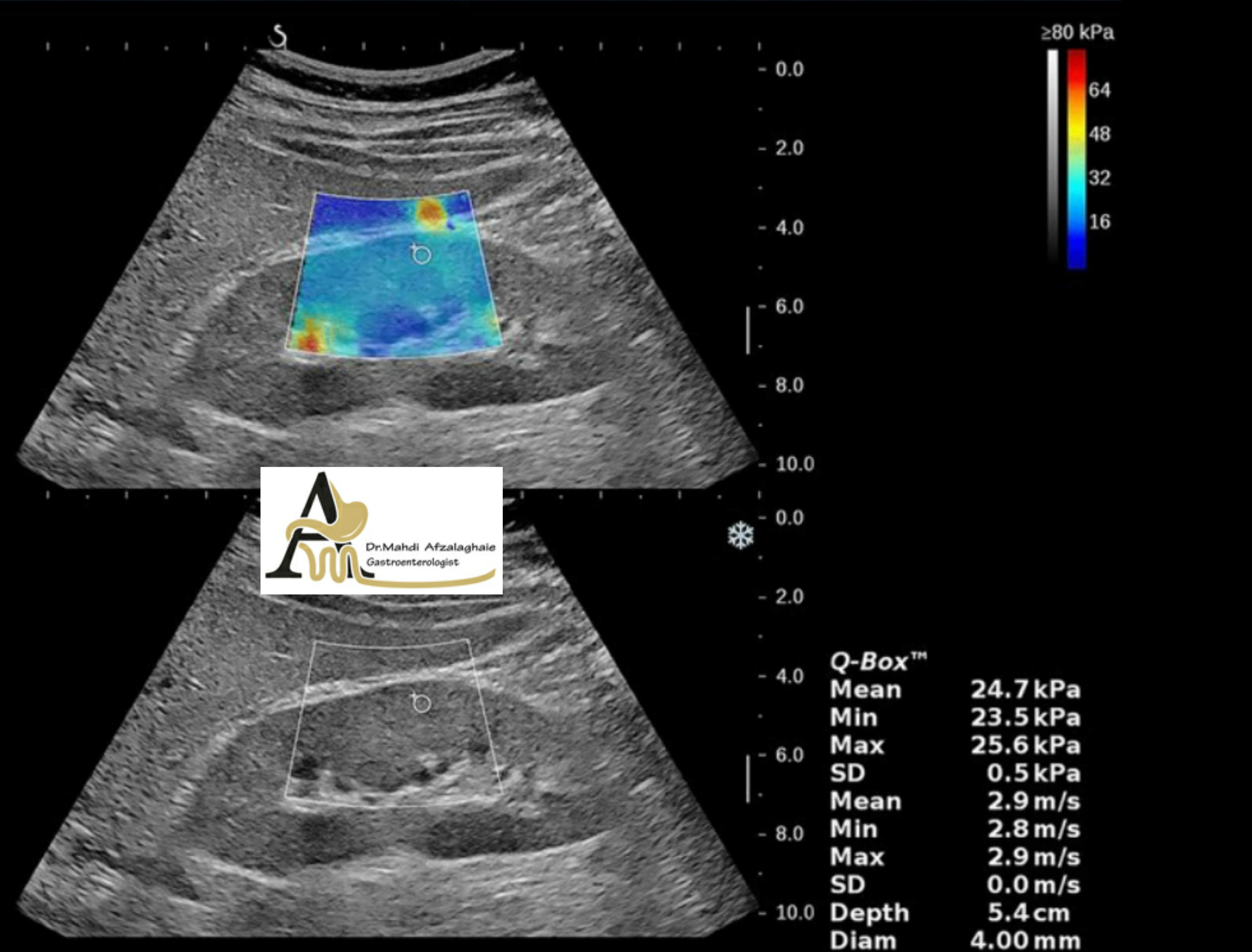
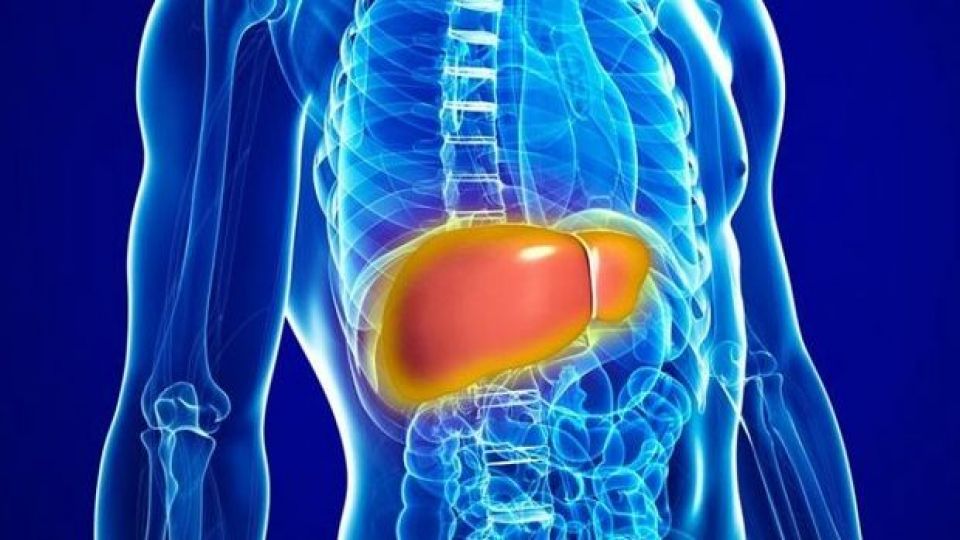
**Liver**
**The liver is an important and sensitive organ of the body. It is known as the largest gland in the body and is located in the upper part of the abdomen, on the right side, under the diaphragm. The liver has very important functions in the body. Secretion of bile, synthesis of blood clotting factors, removal of waste materials and other toxic substances from cells, destruction of worn-out red blood cells, regulation of blood sugar, etc. are among the weaknesses of this sensitive organ.**
**Liver is the heaviest organ of the body and after the skin, it is the largest organ of the body and removes toxic substances and most of the chemical drugs through decomposition. The liver plays a role in the activities of the immune system and also breaks down certain amino acids during the urea cycle. Various molecules such as iron, glucose, copper and vitamin B12 are stored in the liver.**
Important proteins such as albumin, prothrombin, fibrinogen, lipoproteins and heparin are made by liver cells, therefore the health of this organ is very important for the continuation of a person's life.
**One of the most important characteristics of the liver is that it can regenerate itself. Liver cells can divide into two daughter cells just like a single cell and a non-polar stem cell and create liver tissue and organs again.**
**Nutrients found in the liver include iron, vitamin B12, vitamin A, riboflavin, folate, and choline. Contrary to the common misconception that the liver is a place where toxins accumulate, this organ processes toxic substances and removes them.**
**What is iron and why is it important?**
Iron is a nutrient that plays a vital role in oxygen transport in the human body. It binds to hemoglobin, a special protein, and helps it transport red blood cells from the lungs to other body tissues.**
**Iron is naturally present in all kinds of foods that we consume. Two main types of iron – heme and non-heme iron – are found in a variety of foods. The term "heme" is derived from a Greek word that translates to "blood". This type of iron is obtained from animal protein such as chicken, fish and beef.**
**Non-heme iron comes from plant sources, including legumes, leafy greens, and nuts. Heme iron is readily absorbed by the body and 14-18% is available in mixed diets. Non-heme iron can be found between 5 and 12% in vegetarian diets.**
**Iron overload refers to the gradual accumulation of excessive iron in the body. This disease is caused by the inability of the body's regulatory system to maintain iron levels in a healthy range. For most people, iron overload is not a concern. However, it becomes problematic for those who are genetically predisposed to absorb too much iron from the digestive tract. The most common iron overload disorder is hereditary hemochromatosis, which leads to the accumulation of iron in tissues and organs.**
**What is hereditary hemochromatosis?**
Hereditary hemochromatosis is a disorder in which excess iron accumulates in the body to harmful levels. If this disease is not treated, this accumulation will damage many parts of the body, including the liver, heart, pancreas, endocrine glands, and joints.**
**Hemochromatosis is a hereditary disease that shows its symptoms in middle age. Parents who have the gene that causes hemochromatosis cause this disease by transferring it to their children. But if only this gene is passed from one of the parents to the children, the probability of the person getting this disease is almost zero.**
**Where does excess iron accumulate?**
1. **Liver**
2. **skin**
3. **Heart**
4. Pancreas
5. **joints**
6. **pituitary gland**
**Excess accumulation of iron or hemochromatosis can cause damage to different body tissues and organs.**
**symptoms of hemochromatosis**
**Many people with hemochromatosis do not show significant symptoms, and when people do have symptoms, those symptoms may vary from person to person. In men, symptoms usually appear between the ages of 30 and 50. Women often do not develop symptoms until they are in their 50s or past menopause, perhaps because they lose iron during menstruation and childbirth.**
**But in general, some of the most common symptoms of hemochromatosis are:**
- **joint pain**
- **fatigue and weakness**
- **weight loss**
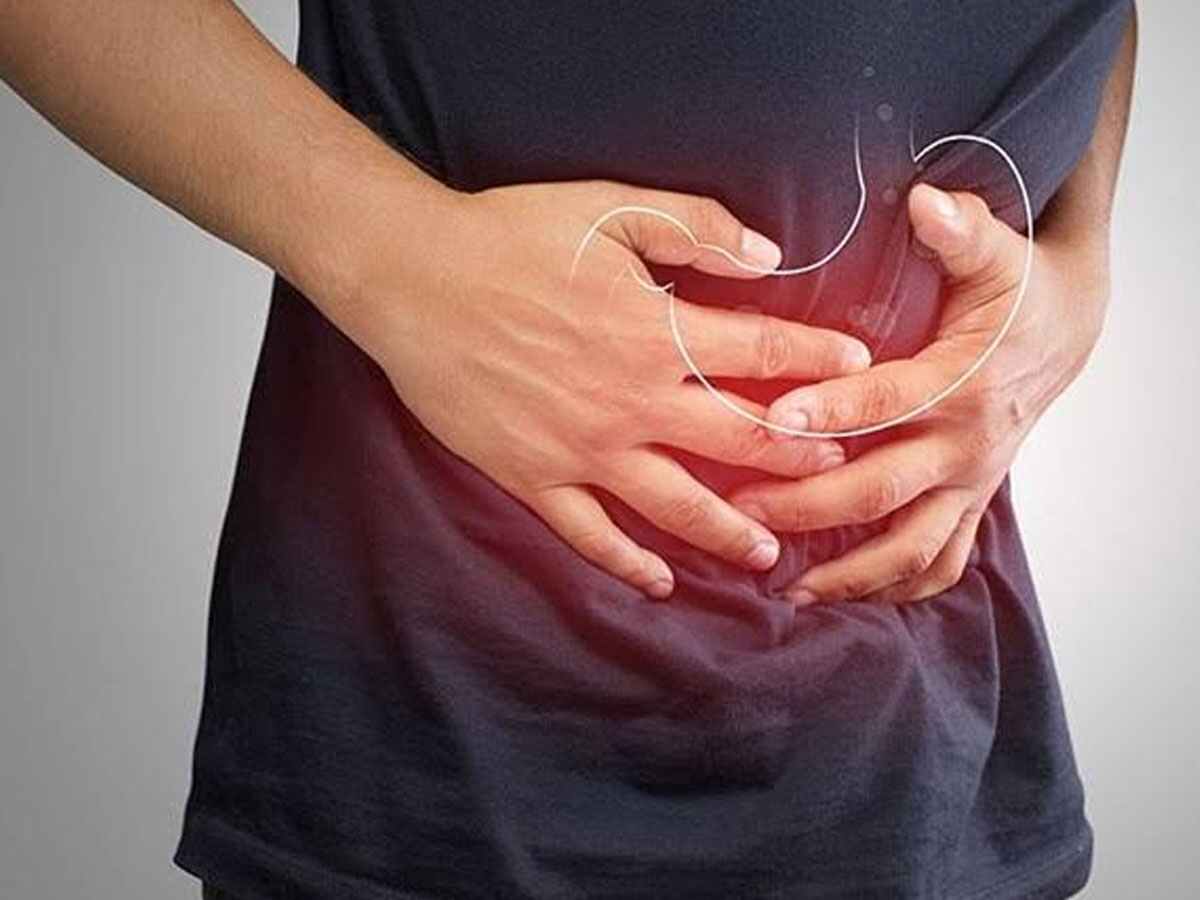
- **abdominal pain**
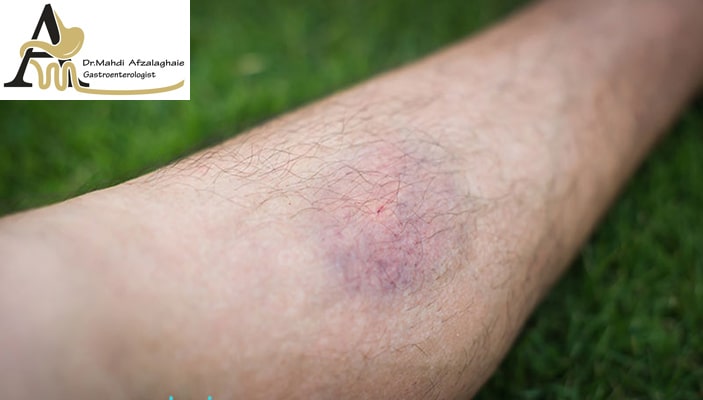
- **Bronze skin color**
- **Low libido**
- **heartbeat**
- **unreasonable weight loss**
- **Loss of body hair**
- **Pain in the joints, especially the knuckles**
**types of hemochromatosis**
- **primary hemochromatosis**
**Primary hemochromatosis is inherited. The HFE gene or the hemochromatosis gene in the human body controls the absorption of iron from food. This gene lives on the short arm of chromosome 6. Usually, a person with hereditary hemochromatosis inherits one copy of the defective gene from each parent. However, not everyone who inherits the genes will develop the disease, which is being investigated by researchers. If a person receives two of the genes that cause hemochromatosis from his parents (both father and mother), he will be at a higher risk of developing this disorder.**
- **secondary hemochromatosis**
**Secondary hemochromatosis is caused by reasons such as anemia, liver disease, or excessive blood transfusion. Other reasons, such as taking oral iron tablets or iron injections, with or without receiving large amounts of vitamin C, which helps iron absorption, as well as long-term kidney dialysis can also cause secondary hemochromatosis.**
**diagnosis of hemochromatosis**
- Check the symptoms
- **Question about the supplements that the patient may take.**
- **Question about the patient's personal and family medical history**
- **Do a physical examination**
- **recommendation of several tests**
**Symptoms can be similar to those of many other diseases, making diagnosis difficult. Several tests may be required to confirm the diagnosis.**
- **blood test**
**Blood tests, such as a serum transferrin saturation (TS) test, can measure blood iron levels. The TS test measures the amount of iron bound to the transferrin protein that transports iron in the blood. In this test, a transferrin saturation value of more than 45% is considered very high.**
**Another type of blood test to diagnose hemochromatosis is the serum ferritin test, which measures the amount of iron stored in the liver. If the results of the serum transferrin saturation test are higher than normal, the doctor suggests a serum ferritin test, and each of these tests may need to be repeated for more certainty.**
- **genetic testing**
**If the patient has a family history of hemochromatosis, the patient will find out about this by examining the DNA test. DNA testing can be useful for those who plan to start a family.**
- **liver biopsy**
**The liver is the main storage place for iron in the body. It is usually one of the first organs to be damaged by iron accumulation. A liver biopsy can show if there is too much iron in the liver or if the liver is damaged. The doctor takes a small piece of liver tissue for examination and testing in the laboratory.**
- **MRI**
**MRI scans and other non-invasive tests can also measure iron levels in the body. The doctor may recommend an MRI test instead of a liver biopsy.**
**How is hemochromatosis treated?**
**Different options for the treatment of hemochromatosis are available to the patient.**
- **phlebotomy**
**The main treatment for hemochromatosis is phlebotomy, which involves taking blood and iron from the body. A healthcare professional inserts a needle into a vein and the blood flows into a bag, just like when you donate blood, to remove excess iron from the body.**
**In the beginning, about 1 pint of blood is taken from the patient once or twice a week, and when the iron level returns to normal, it may be necessary for the patient to return every 2 to 4 months for treatment and blood donation.**
- **chelation or chemotherapy**
**Chelation, or the use of iron chelates to treat this disease, is a treatment in development that can help manage iron levels, but it is expensive and not a first-line treatment option. The doctor may inject drugs or give pills to the patient. Chelation helps the patient's body to excrete excess iron through urine and feces.**
**However, this treatment method may have side effects such as pain at the injection site and flu-like symptoms. Chelation may be suitable for people with cardiac complications or other contraindications to phlebotomy.**
**What complications are associated with hemochromatosis?**
**Complications may occur in organs that store excess iron. A person with hemochromatosis may be more prone to the following injuries than others:**
- **Liver damage that in some cases necessitates a liver transplant.**
- **Heart problems, including irregular heartbeat and heart failure**
- **Injuries and joint pain, such as arthritis**
- **Pancreas damage that leads to diabetes.**
- **Damage to the adrenal glands**
- **change in skin color**
- **problems of the reproductive system such as erectile dysfunction and menstrual irregularities**
**Rapid treatment and monitoring of the body's iron level can prevent these complications.**
**Correct lifestyle for diagnosis and treatment**
Actions that can help a person manage hemochromatosis:
- **Perform blood tests annually to monitor iron levels**
- **Avoid taking multivitamins, vitamin C supplements and iron supplements**
- **Following all the doctor's instructions and visiting according to schedule**
- **care to prevent infection**
- **Having a report of iron levels to check the amount of body iron changes**
- **Avoid alcohol consumption, which can cause more damage to the liver.**
- **If the symptoms worsen or change, contact the doctor.**
- **Ask your doctor whether the symptoms affect the patient's quality of life or not?**
**Diet modification**
- **Consumption of vitamin C increases the bioavailability of non-heme iron.**
- **Meat and seafood can also increase the absorption of non-heme iron.**
- **Different forms of calcium may reduce the bioavailability of heme and non-heme iron.**
- **Phytic acid, which is found in grains and legumes, reduces the absorption of iron.**
- **Fruits and vegetables are an excellent source of many antioxidants that reduce iron absorption.**
**Consumption of tea and coffee, both of which contain polyphenols that prevent iron absorption. lean protein**
- **Protein is an important part of a healthy diet. Even though protein contains iron, it should not be completely removed from the meal.**
- **Using protein sources that have less iron such as turkey, chicken and tuna**
**last word**
**Hemochromatosis is an inherited and genetic disease that is investigated by performing various tests. Therefore, if one of the family members is suffering from it, it is better to go to the doctor and do diagnostic tests even if there are no symptoms.**
Tags
Diet correction, types of hemochromatosis, diagnosis of hemochromatosis, treatment of hemochromatosis, symptoms of hemochromatosis, complications of hemochromatosis, liver, hereditary hemochromatosis