
تابهحال پیش آمده نیمهشب احساس خفگی کنید و از خواب بپرید؟ این خوابپرشی بهقدری کوتاه است که شاید یادتان نماند، شاید هم تپش قلب چند دقیقه بیدار نگهتان دارد! این عارضه «آپنه» نام دارد، یک اختلال تنفسی شبانه که آرام و بیصدا، خواب شبانه را تکهتکه میکند و در طولانیمدت به قلب، مغز و خلقوخو آسیب میزند. خیلیها بیآنکه بدانند، در طول شب بارها و بارها دچار وقفه در تنفس میشوند و روز بعد از خستگی مفرط و خوابآلودگی روزانه رنج میبرند. In this guide, we will tell you about sleep apnea in simple language, its causes and treatment methods.
The doctor measures the frequency of sleep interruptions to assess the level of apnea development:
- In mild apnea, 5 to 15 times per hour;
- In moderate apnea, 15 to 29 times per hour;
- In severe apnea, more than 30 times per hour.
The severity of this The complication of frequent awakenings, poor quality sleep, daily fatigue and increased risk of heart diseases, blood pressure and stroke will follow.
Now that you know what sleep apnea is, it is good to know that this complication is divided into two main types:
- Obstructive apnea (caused by blockage of the airway);
- Central apnea (caused by a disturbance in the command of the brain to the muscles) respiratory).
Note: Don't confuse apnea with snoring! Snoring means that the air passes through the airways harder and apnea means that breathing stops completely for a few seconds.
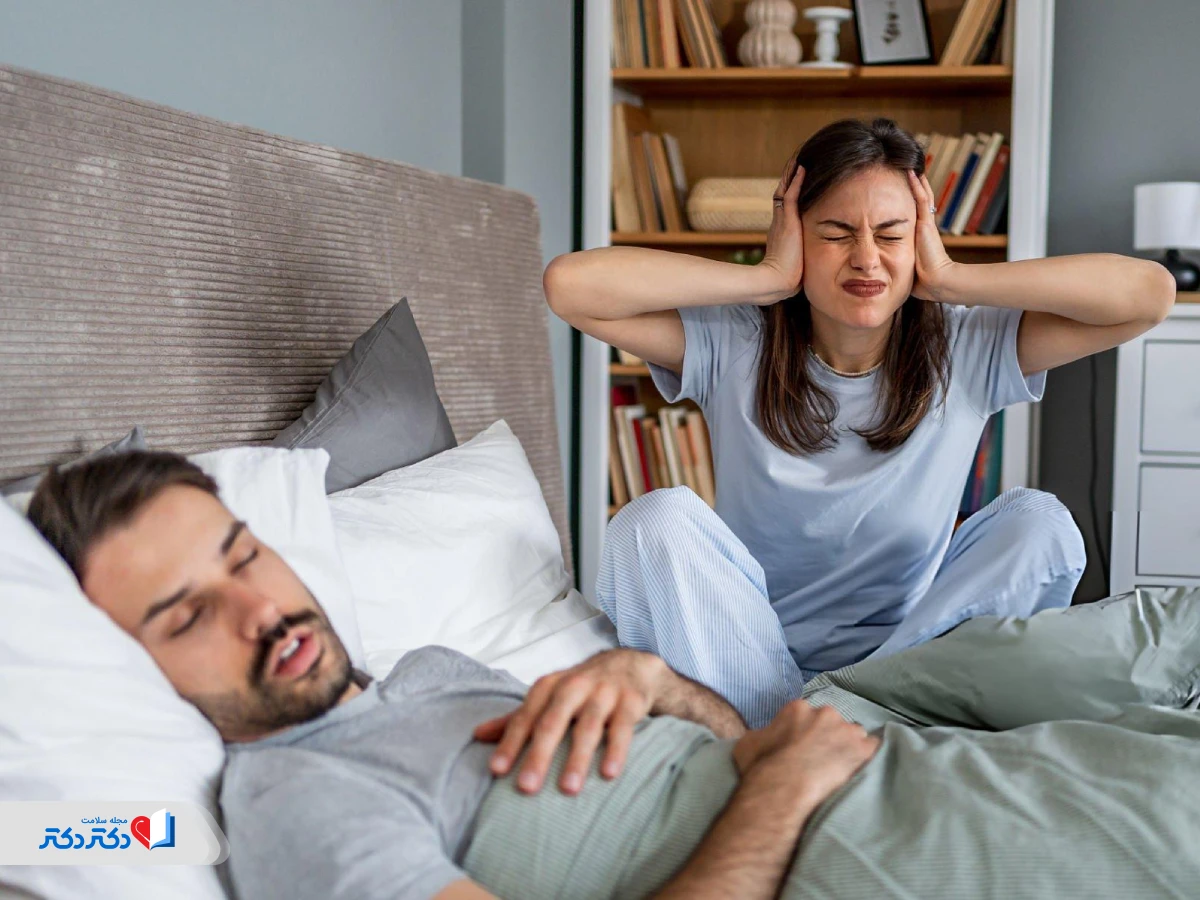
Obstructive sleep apnea (OSA) What is it?
In OSA obstructive sleep apnea, the airway is repeatedly blocked and not enough air reaches the lungs. This is the most common type of sleep apnea in adults and children, and factors such as obesity, enlarged tonsils, and changes in hormone levels increase the risk of its occurrence.
What is central sleep apnea?
In this type of apnea, the brain temporarily does not send the inhalation and exhalation signal to the respiratory muscles and despite the opening of the path Air flow is not transmitted. This disorder is usually caused by nervous disorders, heart failure, taking certain drugs or brain injuries.
What is the cause of sleep apnea?
The cause of sleep apnea is investigated according to its type. For example, the obstructive apnea that we said occurs due to narrowing of the upper airway, is usually the result of obesity, enlarged tonsils, large tongue, deviated nose, or weak throat muscles. While central apnea is rooted in brain dysfunction and occurs as a result of heart failure, stroke, or the use of sleeping pills and narcotics.
Causes of obstructive sleep apnea in adults
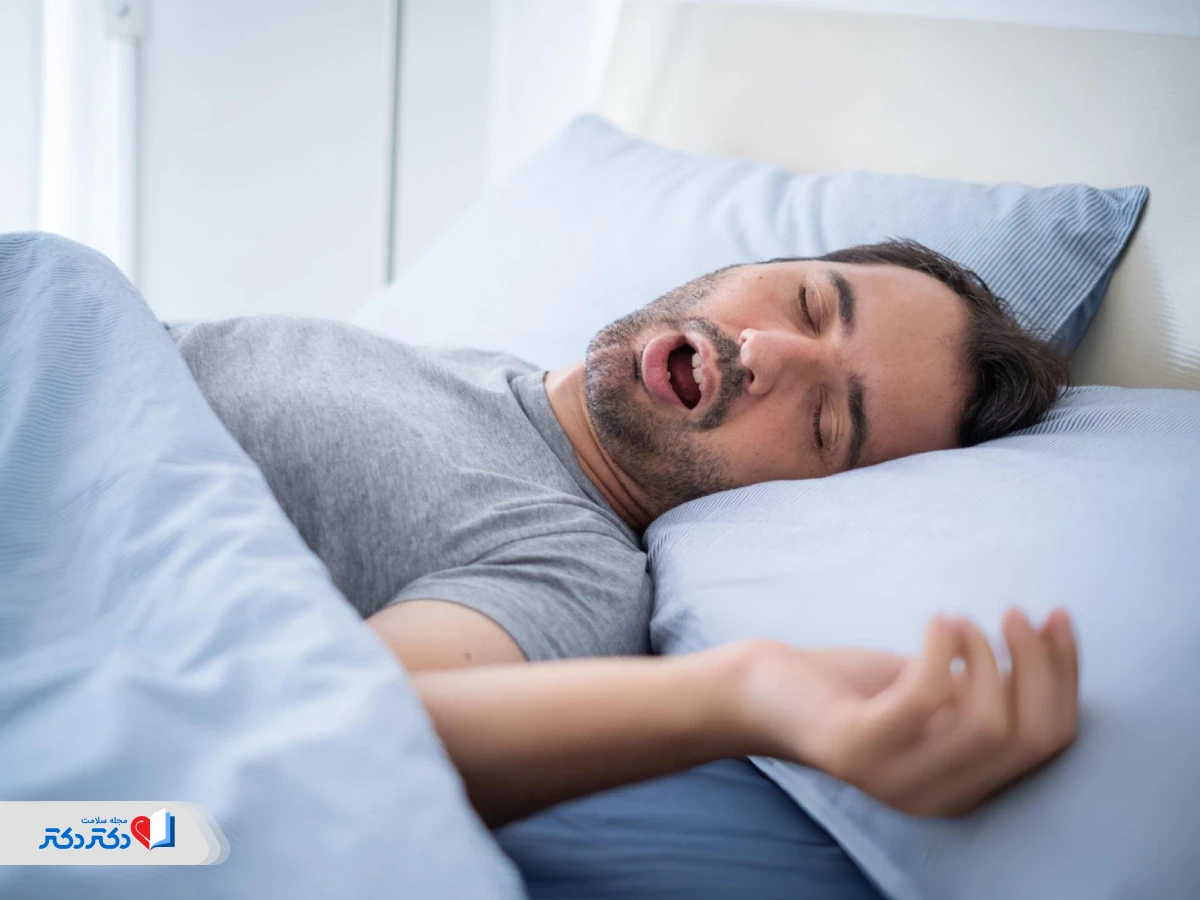
Obstructive sleep apnea occurs when the muscles behind the throat relax. These muscles actually support the soft palate, small tongue, tonsils, side walls of the throat and tongue. When the muscles relax, the airway narrows or closes, not enough air reaches the lungs and the blood oxygen level drops. In this condition, the brain understands that we cannot breathe. So it temporarily wakes us up to open the airway. This awakening is so short that we usually do not remember it. The reasons behind this incident are:
- Obesity and increase in fatty tissue around the neck;
- Enlargement of tonsils or tongue;
- Nose deviation or congestion;
- Weakness of throat muscles during sleep;
- Small or backward jaw;
- Age and decrease in muscle tone (permanent contraction of muscles during rest);
- Consumption of alcohol, sedatives or hypnotic;
- sleeping on the back (arched);
- family history of sleep apnea.
The cause of sleep apnea in babies and Children
Sleep apnea in children is related to one of these reasons:
- Enlarging tonsils or adenoids. This gland enlarges in case of infection and inflammation and closes the airway;
- Changes in muscle tone. Some genetic diseases such as Down syndrome or cerebral palsy reduce muscle tone in the head and neck areas. they do As a result, the tissues are closer together and the airway is blocked;
- bone structural abnormality. The narrowness of the facial bones, for example the smallness of a child's jaw, affects the amount of incoming air.
- Tumor. The growth of a mass in the airways causes obstruction.
Children are more at risk of sleep apnea in the following conditions:
- Suffering from asthma and allergies;
- Suffering from acid reflux stomach;
- suffering from an upper respiratory tract infection;
- history of cleft palate or pharyngeal flap surgery;
- family and biological history of apnea;
- life exposed to cigarette smoke;
- being overweight.
Symptoms of sleep apnea
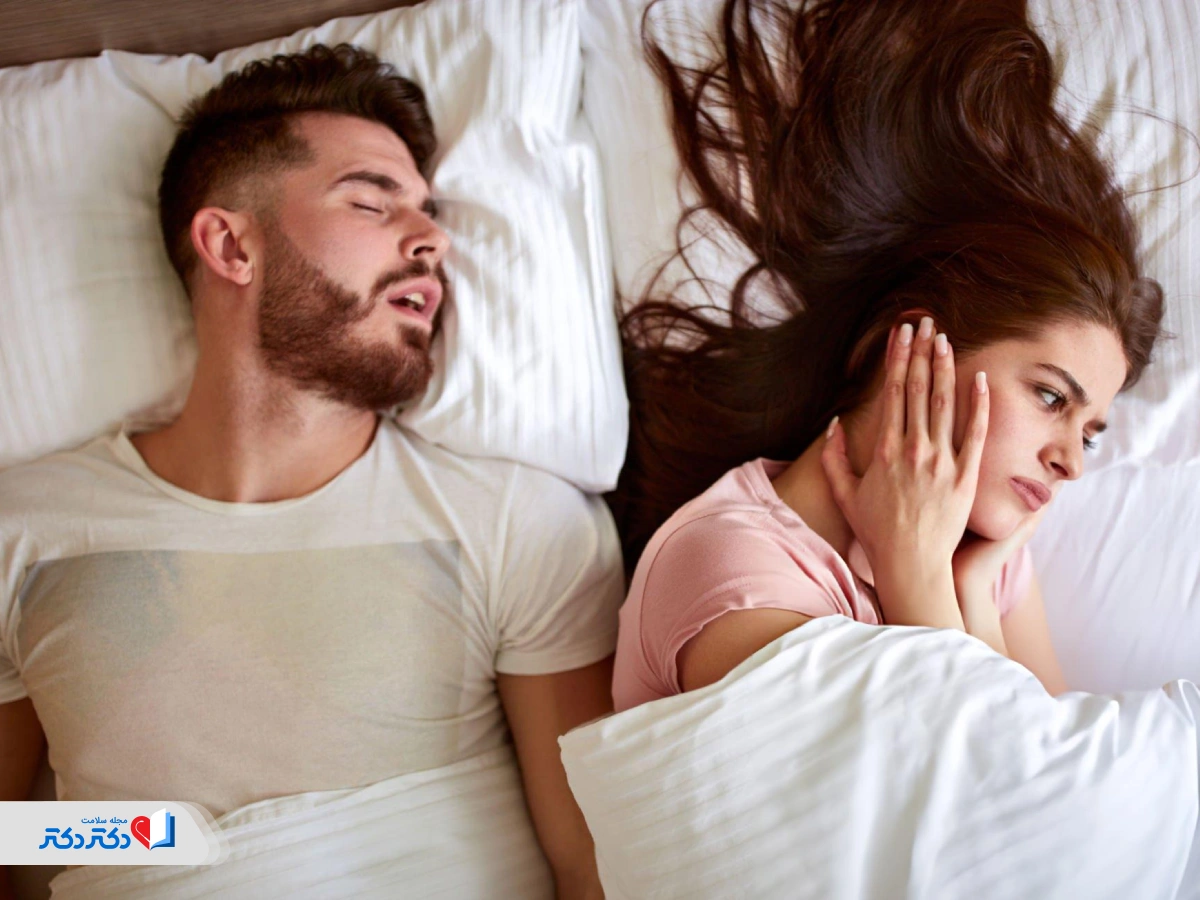
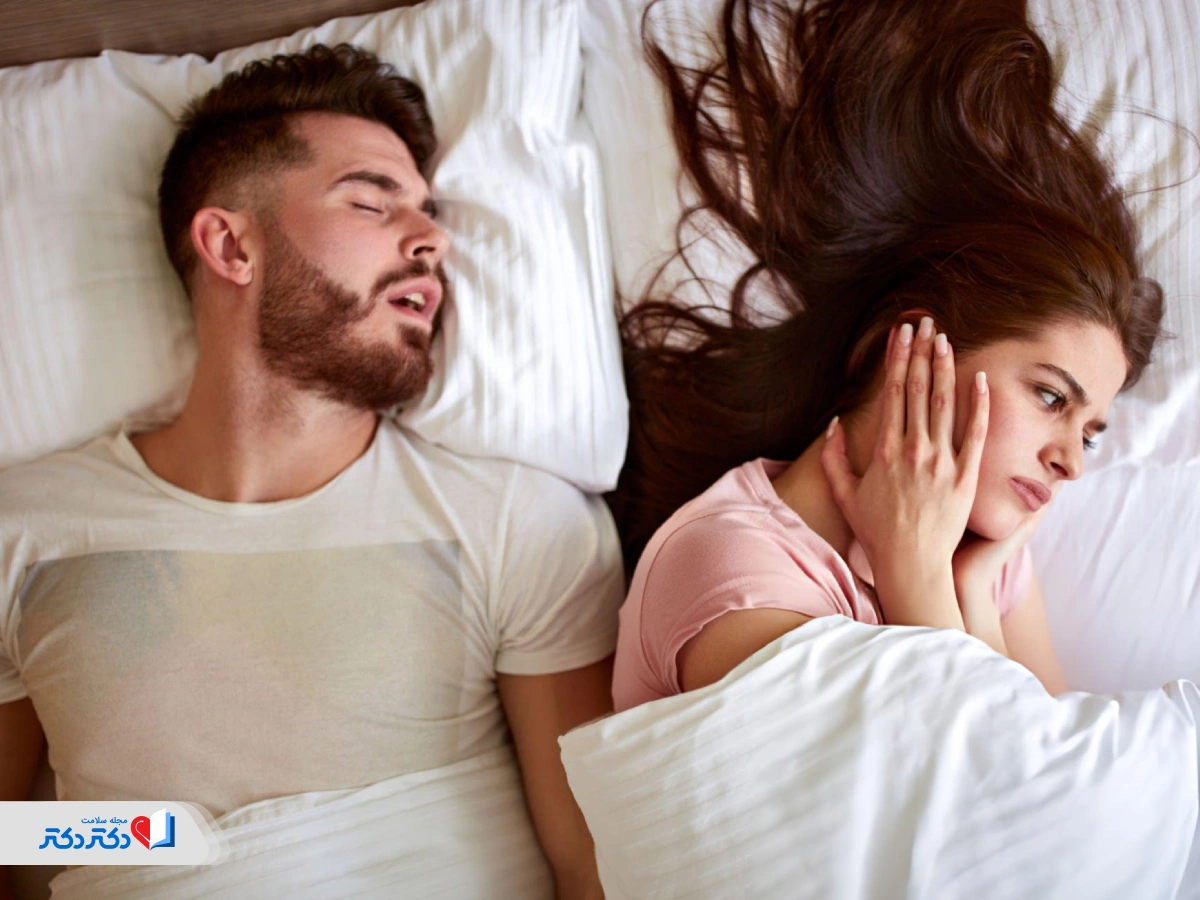
Diseases are not silent and asymptomatic; But almost most of its symptoms are seen and felt by the person sleeping next to you, unless the apnea causes complete awakening. They may not notice these symptoms themselves. For this reason, the person who sleeps next to you will notice these symptoms in you better:
- breathing interruption during sleep;
- frequent awakening during night sleep and feeling restless;
- loud and frequent snoring (mostly in men);
- abnormal breathing pattern and gasping in sleep;
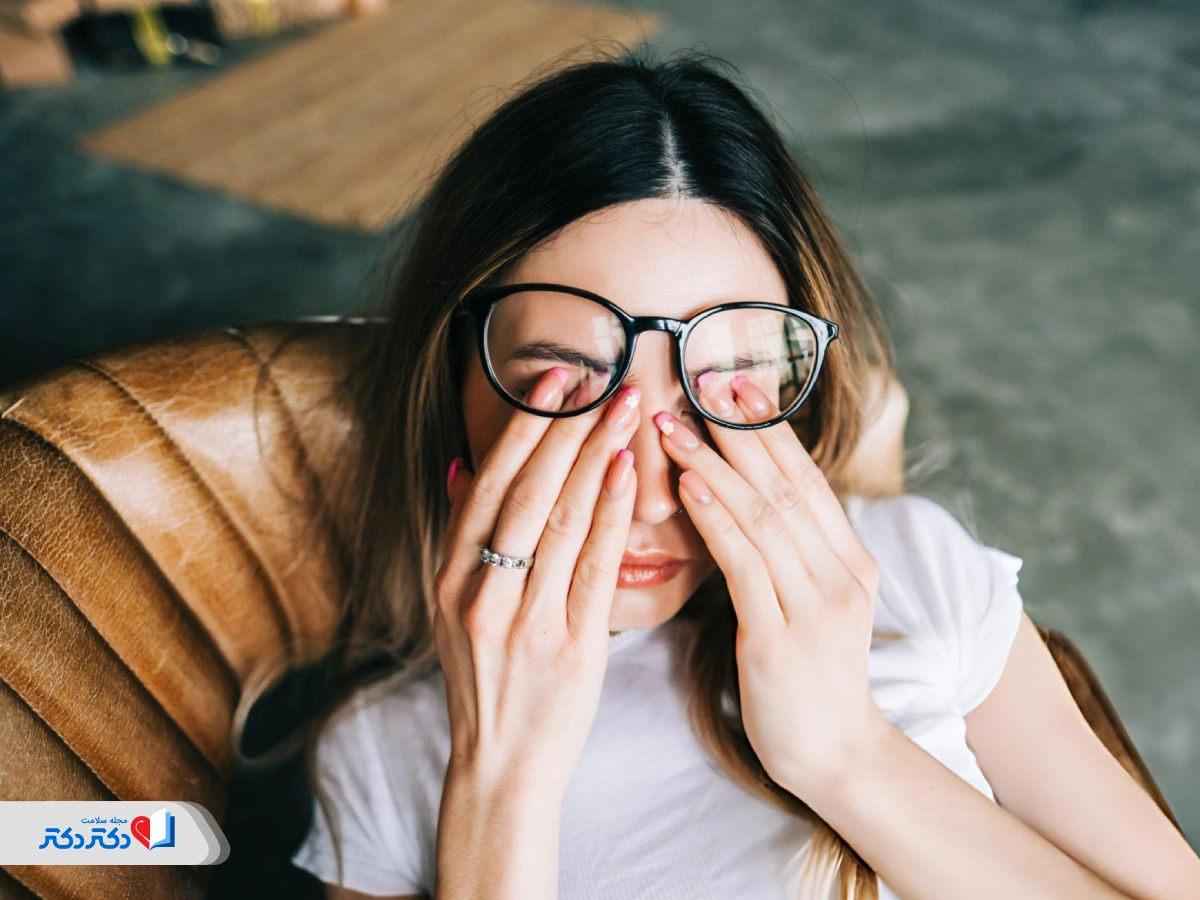
- drowsiness and Fatigue during the day (leading to poor learning, concentration and reaction); Dry mouth in the morning; Feeling of shortness of breath or suffocation in the morning; Morning headache; Night sweats; Surface sleep; Irritability; Dysfunction and decreased libido; Mood changes (depression and Anxiety).
Read more: Cause of falling asleep
Symptoms of sleep apnea in women
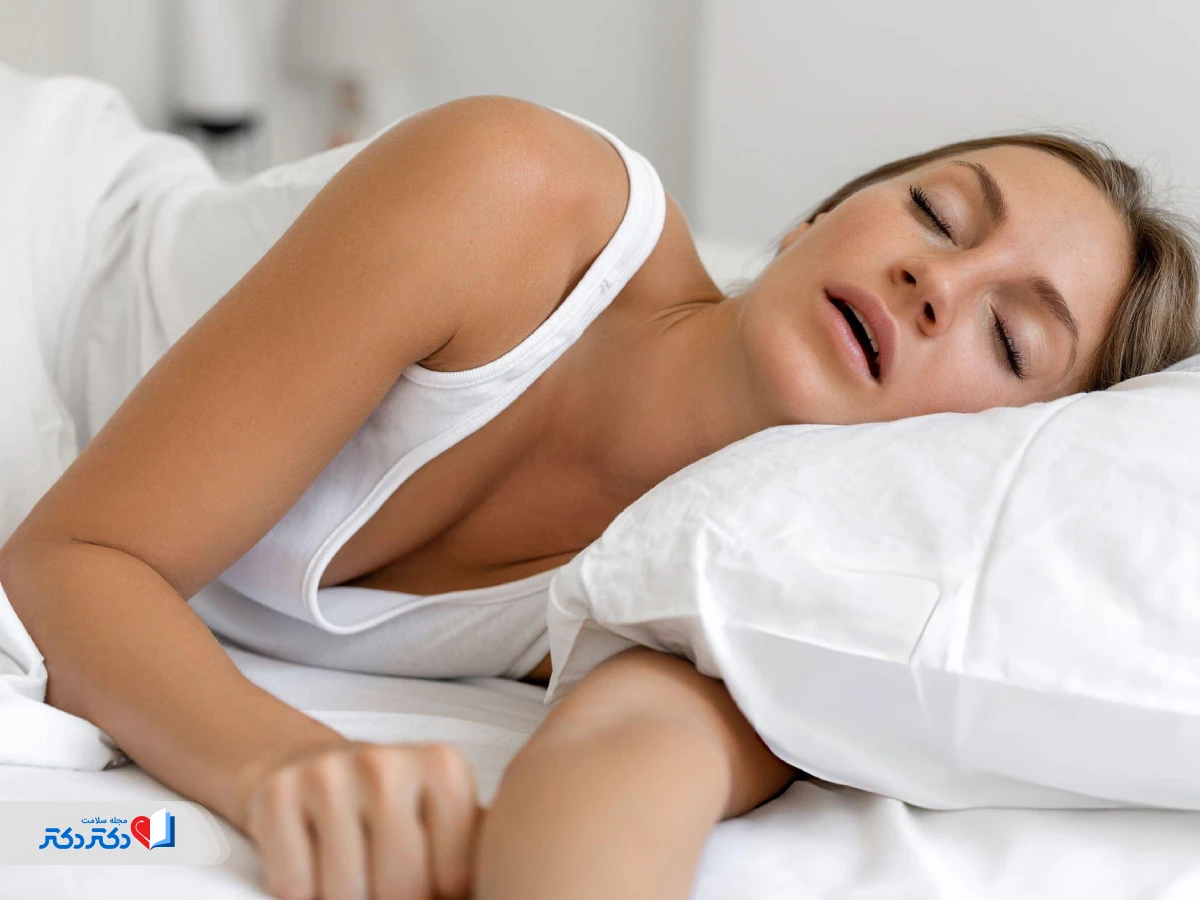
Women with apnea have more symptoms than men of excruciating fatigue, sleepiness during They suffer from anxiety or depression and insomnia during the day. They are more likely to wake up during sleep and experience morning headaches.
Symptoms of sleep apnea in children
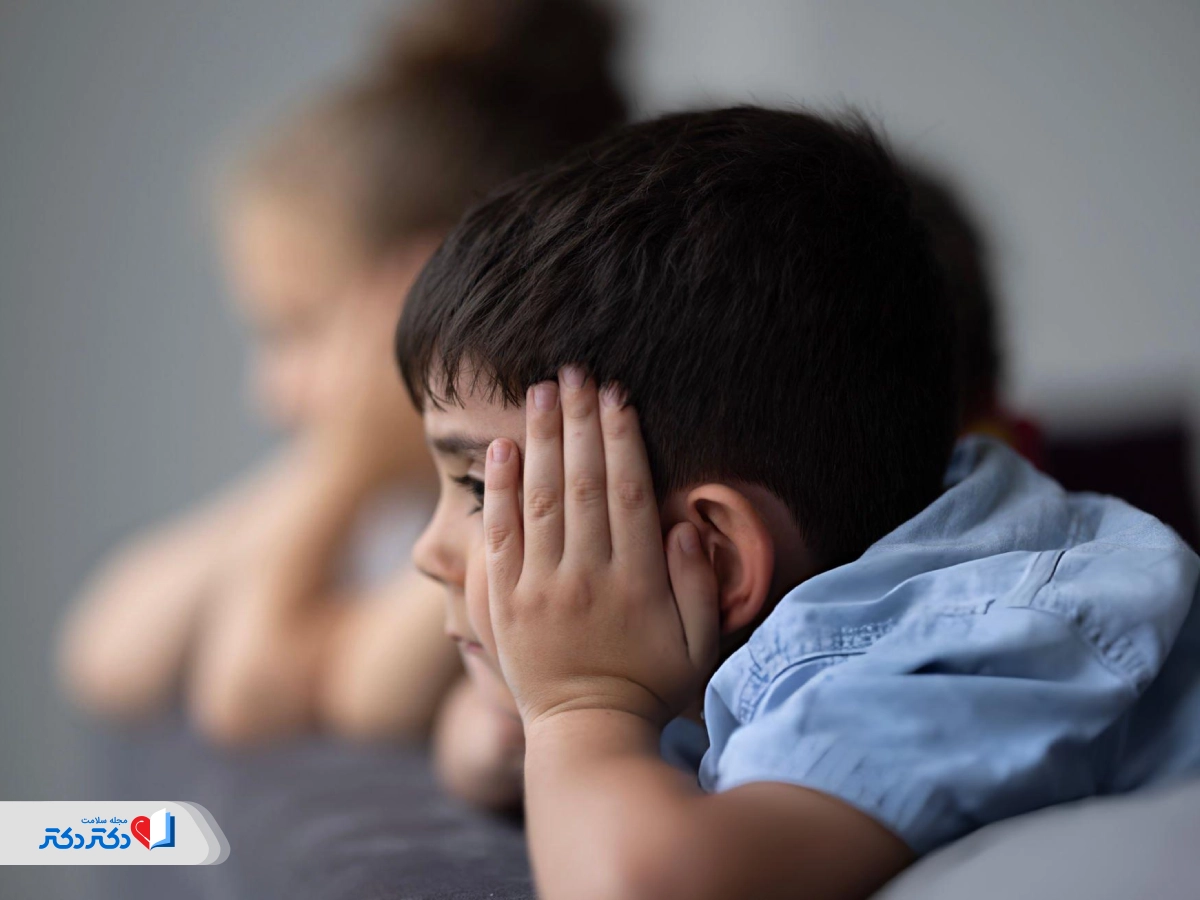
The most obvious symptoms of sleep apnea in children are waking up repeatedly during the night to urinate. These children usually become hyperactive, inattentive, aggressive and irritable and struggle with emotional and psychological problems.
Take these signs seriously in young children and discuss them with a specialist doctor or mental health counselor. By providing online visit services, the DoctorDoctor medical system has enabled quick and easy access to specialist doctors.
Other symptoms of this condition in children include:
- fatigue;
- morning headaches;
- mouth breathing and loud noise (snoring);
- stopped breathing; sleep;
- tossing and turning (restless sleep);
- sweating;
- walking or talking in sleep;
- sleepiness during the day;
- difficulty swallowing;
- mouth breathing during the day;
- clear movement of the chest inward during inhalation;
- heartburn;
- conditions Unusual sleep, such as sleeping on the hands and knees or with a stretched neck;
- Frequent movement of arms and legs during sleep.
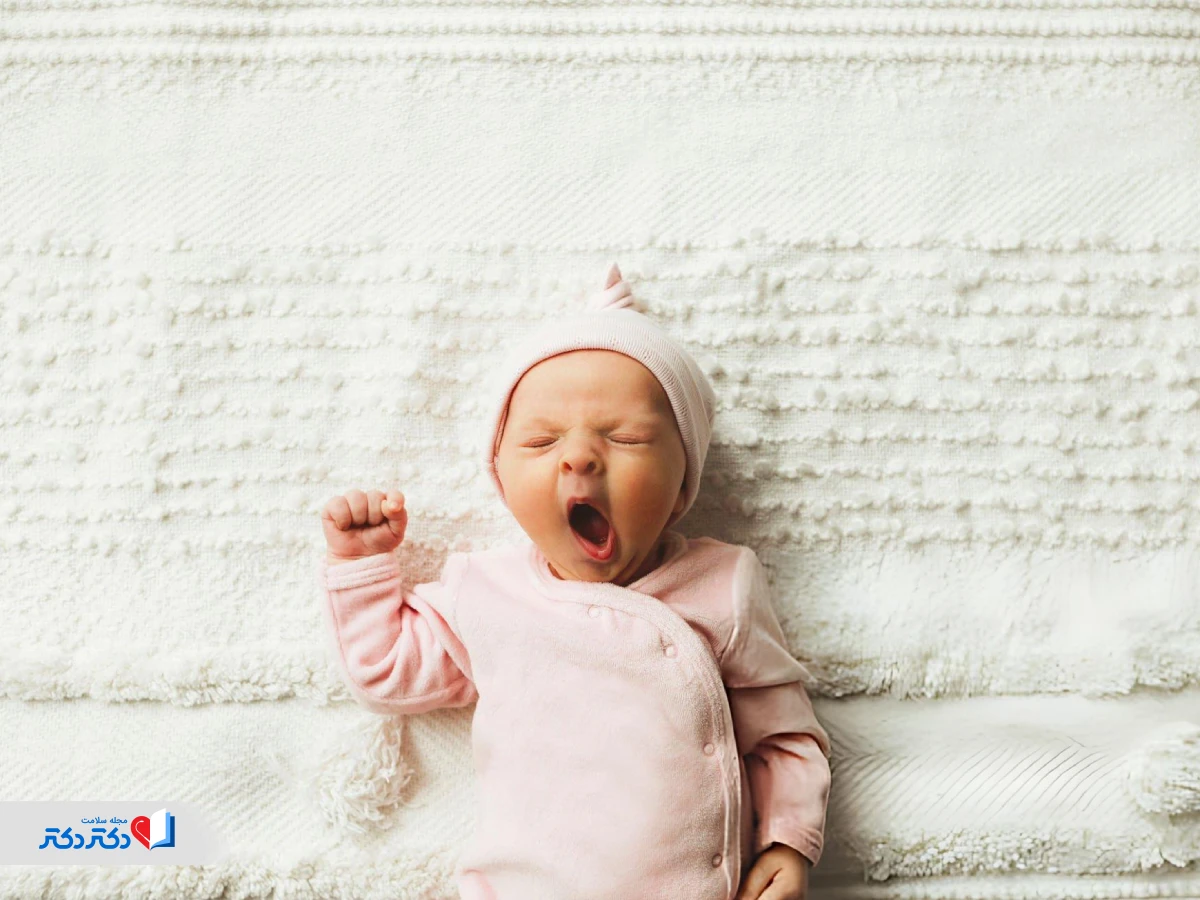
The most important symptoms of sleep apnea in babies
If your beloved child has neonatal sleep apnea, you will notice the following symptoms with a little attention to his sleeping position:
- Frequent pauses in breathing during sleep (more than 20 seconds);
- Shallow or irregular breathing;
- Cruising of the lips or facial skin during sleep;
- Snoring or unusual sounds of inhalation and exhalation;
- Restlessness and frequent awakenings during sleep;
- Difficulties feeding or poor sucking;
- Drowsiness or fatigue. Abnormal during the day.
Treatment of sleep apnea
in mild cases And moderate, the doctor recommends and prescribes management of underlying diseases and lifestyle modification to treat obstructive sleep apnea. If these measures are not effective and the apnea becomes more severe day by day, he recommends specialized medical treatments, such as breathing devices to create positive pressure and keep the airway open to treat sleep apnea.
Does sleep apnea have a definitive treatment? But by observing a series of points, in the long term, the symptoms of this chronic breathing disorder can be effectively controlled and complications minimized.Treatment of obstructive sleep apnea with CPAP device
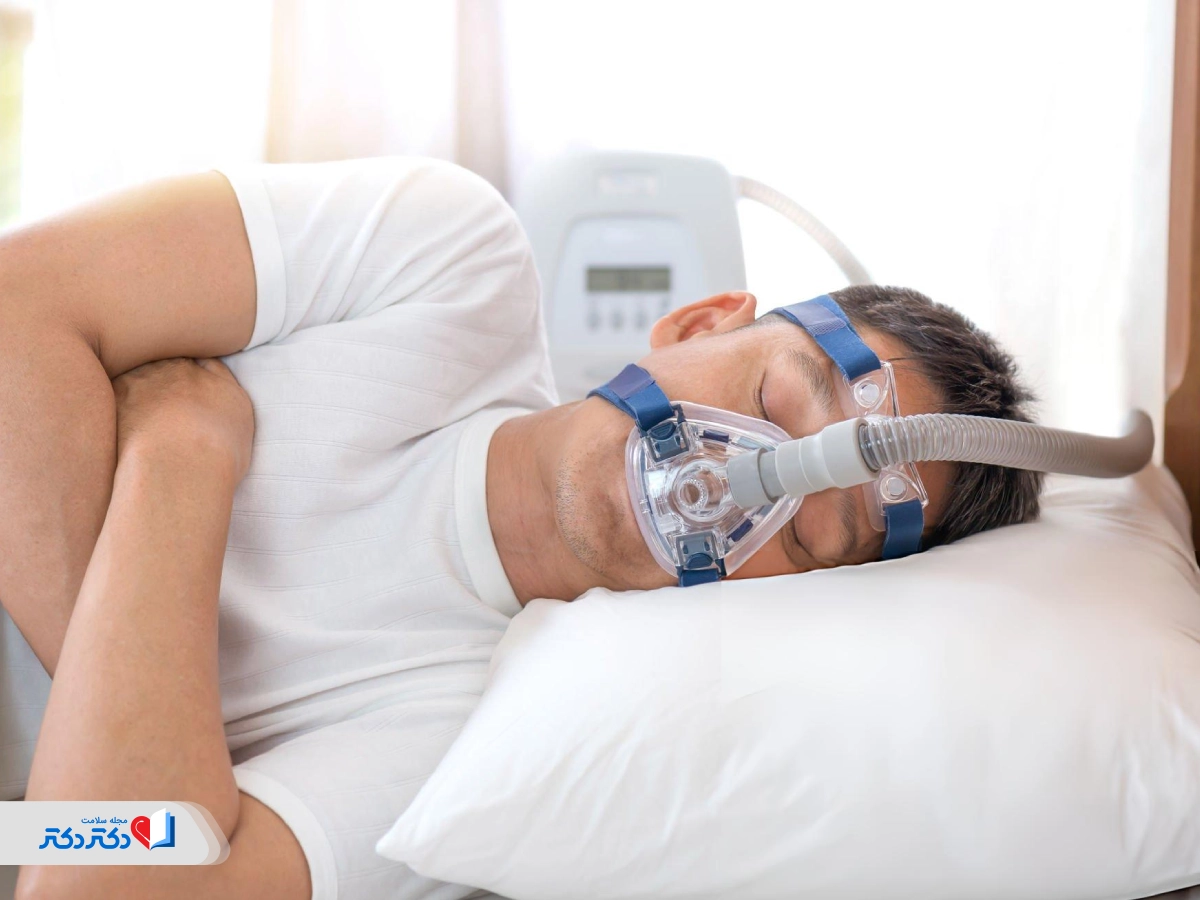
Specialized and medical treatment of sleep apnea includes the use of a mask-like device to deliver air to the airways. This device is called CPAP and is placed over the mouth and nose during sleep to prevent apnea and night snoring by transferring air to the lungs at the right pressure. The air pressure of this device is slightly higher than the ambient air pressure.
Similar and widely used devices include:
- Bi-Pap (BiPAP) device. Unlike CPAP, which has the same inspiratory and expiratory pressure, this device exerts more force when inhaling. This device automatically adjusts the air pressure according to the changes in the person's breathing during sleep.
- Automatic or adaptive ventilation (ASV). This device learns the person's breathing pattern and adjusts the air pressure level so that it is completely suitable for the person's breathing condition.
- Oral device: the mouth and tongue guard is asleep and keeps the airway open.
Read more: sleep disorders; Types, treatment and of course prevention

Prevention of sleep apnea
Not only there is no cure, there is no 100% and sure way of prevention! You can only reduce the risk of this disorder by developing healthy habits and managing any underlying diseases such as high cholesterol, high blood pressure, and type 2 diabetes.
Healthy Habits to Reduce the Chance of Sleep Apnea
- If you are overweight, consider losing weight. Even losing a little weight and melting some of the fat in the throat will open the way of breathing.
- Exercise. A half-hour a week of moderate activity such as brisk walking can do wonders for obstructive sleep apnea symptoms, even if it doesn't cause weight loss.
- Avoid alcohol and sedatives and hypnotics. These drugs relax the muscles in the back of the throat.
- Sleep on your side or stomach instead of on your back. In the position of lying on the back, the tongue and soft palate press against the back of the throat and close the airway. Preferably put something like a pillow next to you to prevent tossing and turning in your sleep.
- Don't smoke.
- Observe sleep hygiene and pay attention to regular bedtime and turn off electronic devices.
- See a doctor at least once a year for an examination.
Last word Do not confuse sleep apnea with snoring; This is a high-risk disorder that frequently wakes you up during sleep. The body silently screams that the respiratory and nervous system needs attention. Therefore, take the constant fatigue and morning headaches seriously and look at them as clues. This complication can be managed by creating a series of healthy habits such as exercise, weight loss, and avoiding alcohol and sedatives. In advanced cases, ventilators ensure better and more quality sleep.If you or a loved one has symptoms similar to sleep apnea, don't get used to daily fatigue and lack of sleep. Talk to a specialist doctor about symptoms and treatment approaches right now in DoctorDoctor Health System.
Frequently Asked Questions
What is the cause of obstructive sleep apnea in adults?The cause of obstructive sleep apnea in adults is upper airway obstruction during sleep. It usually happens due to obesity, enlarged tonsils and tongue, or structural problems of the nose and throat. What are the symptoms of sleep apnea in children?Sleep apnea in children appears with severe snoring, irregular breathing, interruptions in breathing during sleep, daytime sleepiness, concentration problems and aggressive behavior. Some also experience nocturia. Does sleep apnea have a definitive treatment?Sleep apnea does not have a definitive cure and the doctor recommends symptom management with lifestyle modification. In advanced cases, ventilators such as CPAP and sometimes surgery are prescribed to control symptoms and reduce complications. Resources
nhlbi.nih.gov mayoclinic clevelandclinic clevelandclinic nhs webmd
Tags: The content of this article is for your general information only and does not constitute medical prescription.
If you or a loved one has symptoms similar to sleep apnea, don't get used to daily fatigue and lack of sleep. Talk to a specialist doctor about symptoms and treatment approaches right now in DoctorDoctor Health System.
Frequently Asked Questions
Resources
nhlbi.nih.gov mayoclinic clevelandclinic clevelandclinic nhs webmd