Hyperactivity (ADHD). Examining the symptoms and control methods of this disorder

Dr. Melika Akbari Mehr
تهرانNeurologist and neurologist
To get an appointment, call 66565325(021).
Hyperactivity (ADHD) | Examining the symptoms and control methods of this disorder
- Diseases and Disorders
- »
- Hyperactivity
- »
- Hyperactivity (ADHD) | Examining the symptoms and control methods of this disorder
- Author: Mostafa Asgari Nejad
- Category: hyperactivity
The main headings of this content


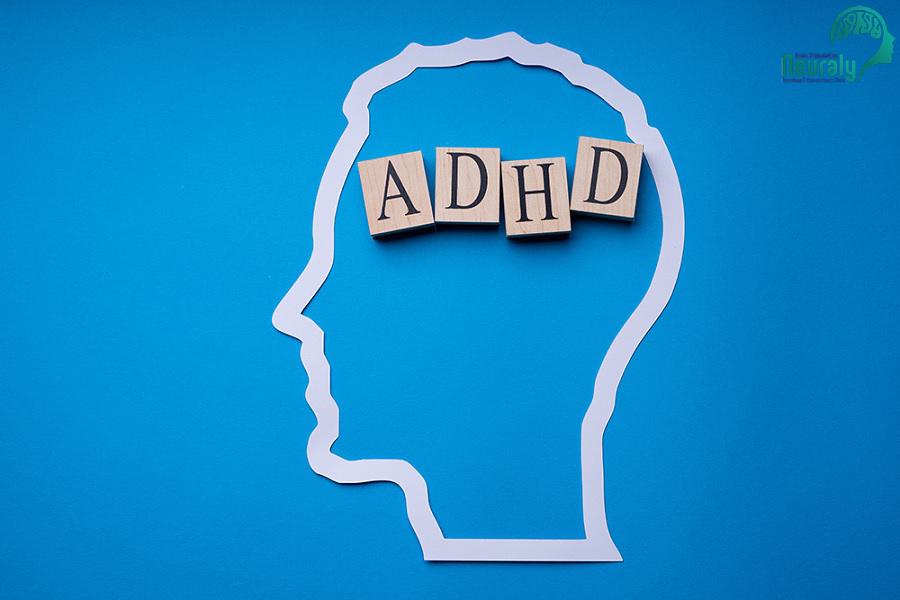
Many people may be familiar with the name ADHD, but do not know its exact definition. This condition is a known neurodevelopmental disorder that affects a person's ability to pay attention, control impulses, and the level of activity. A better understanding of ADHD helps to provide appropriate support rather than labeling. If you want to learn more about ADHD, don't miss this article.

Key symptoms of ADHD at different stages of life
Hyperactivity disorder (ADHD) can appear in different ways. In fact, the main symptoms of this disease include inattention, impulsivity (acting without thinking) and hyperactivity, each of which can cause problems in a person's daily life. This condition is often diagnosed in childhood, but it can continue into adulthood.
Detailed examination of the main symptoms of this disease:
- Inattentiveness: difficulty maintaining long-term focus on tasks or conversations
- Impulsivity: Responding or acting suddenly without thinking about the consequences
- Hyperactivity: excessive restlessness or inability to sit still
- Disorganization: Difficulty in planning, managing time and organizing things
- Amnesia: Frequent loss of memory and forgetting everyday details
Key differences in symptoms in children and adults
ADHD symptoms in adults can be slightly different from children. For example, hyperactivity and physical activity are more common in children, but in adults it may appear as an inner feeling (restlessness) and inability to relax. In both groups, difficulty in organizing and managing time is a big challenge. However, the key differences between the symptoms of adults and children can be seen in the table below.In children
In adults
Lots of physical activity and running
Inner restlessness, constant feeling of heartbreak
Frequently interrupting other people's conversations and games
Difficulty managing anger and low tolerance for waiting
Difficulty sitting in the classroom
Problems in interpersonal and professional relationships
Lost school supplies
Difficulty in time management
Doing assignments with careless mistakes
Severe distraction at work and home
Read Treatment of Hyperactivity | Expert guide to improve the quality of lifeA look at the root causes of ADHD
Although the main and single reason for the occurrence of ADHD (ADHD) has not been found, research shows that a combination of genetic and environmental factors play a role in the formation of this condition. Heredity is one of the strongest factors; This means that if one of the family members has this disorder, the probability of its occurrence in other people also increases. On the other hand, changes in the chemical structure and function of the brain, especially in relation to neurotransmitters such as dopamine, also have an effect on the occurrence of this disease.

In addition to these cases, certain environmental factors can increase the risk of this condition. For example, exposure to environmental toxins such as lead in childhood, premature birth, and low birth weight are among the things that have been linked to ADHD in some research. Knowing these risk factors can be very helpful in preventing the occurrence of this disorder or early intervention.
Practical strategies for managing symptoms of attention deficit hyperactivity disorder (ADHD)
Managing ADHD symptoms requires a comprehensive approach that includes specialized treatments and lifestyle changes. The combination of behavioral methods and, if necessary, medication, can significantly improve a person's performance at home, school, and the workplace. Behavioral strategies are focused on teaching skills and make a person better manage their behavior patterns.
Paying attention to a person's daily habits as well as using various help techniques such as the Pomodoro technique are also very useful for managing this disorder. A regular and predictable daily schedule (fixed schedule for work, food, rest, and sleep) can also provide proper structure for a person with ADHD. Read Adult Hyperactivity | Diagnosis and treatment at Neurali ClinicSome other methods to control ADHD symptoms are as follows:
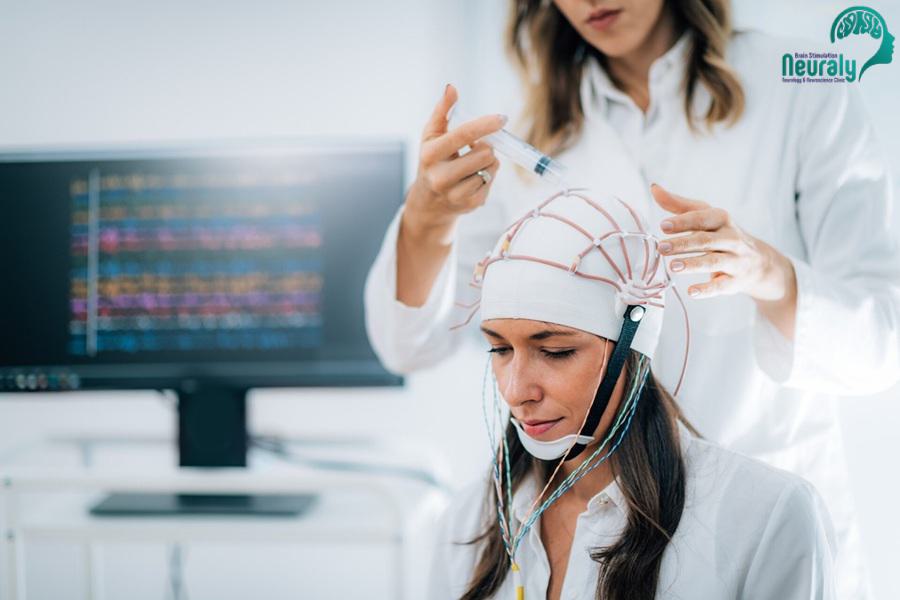
- Neurofeedback: a non-invasive treatment method to regulate brain waves and improve concentration
- Regular exercise: intense and effective physical activity in restlessness and mood improvement
- Organizing the environment: creating a work or living space (without distractions) to increase focus
- Adequate sleep: Maintain a consistent sleep schedule to reduce irritability and increase attention
Living with ADHD; Important tips for parents and affected people
Hyperactivity disorder (ADHD) can create challenges for the person and those around him. However, with proper understanding and application of appropriate strategies, quality of life can be improved. For parents, the key to success is patience, positive support, and teaching their child social skills. Instead of focusing on failures, families should tell the child's strengths and encourage them in this way. People with this disease, especially adults, must also learn how to accept their limitations. These people should adjust their environment and tasks in such a way that they perform best.

Some practical solutions for a better life despite this disorder are:
- Mindfulness techniques:: Exercises to increase attention and presence in the present moment and reduce distraction
- Adequate nutrition and sleep: following a healthy diet and consistent sleep pattern to support brain function
- Using professional help:: Refer to a psychologist or counselor to receive individual and specialized guidance
- Encouraging active rest: : Providing opportunities for movement and activity in short intervals
Due to the advancement of knowledge in the field of mental health, the management and treatment of ADHD has become much more effective than before. If you are struggling with this disease or have someone among you who is suffering from ADHD, you should know that it is possible to overcome this disorder with specialized treatments. Using the latest neuroscience treatment methods, Neurali neurology clinic helps hyperactive people to take control of their lives easily and achieve peace. In this prestigious clinic, we have the best doctors of the country as well as the most modern treatment and rehabilitation devices, including rTMS, advanced brain maps, nofeedback, biofeedback, etc. We have and we provide the best medical services.
FAQ
Does hyperactivity occur only in children?
No, this condition is a neurodevelopmental disorder that, although it begins in childhood, its symptoms in many cases continue into adulthood.
Is diet effective in controlling ADHD?
Some studies show a link between diet and reducing symptoms of hyperactivity; For example, reducing additives and sugar can help.
Is the neurofeedback method effective in treating hyperactivity or not?
Yes, neurofeedback is one of the non-drug treatments that help improve attention, reduce hyperactivity and impulsivity by regulating brain waves.
Rate this article
Make an appointment online
Click on the button below to receive an appointment.
021-66565325Receive a phone appointment