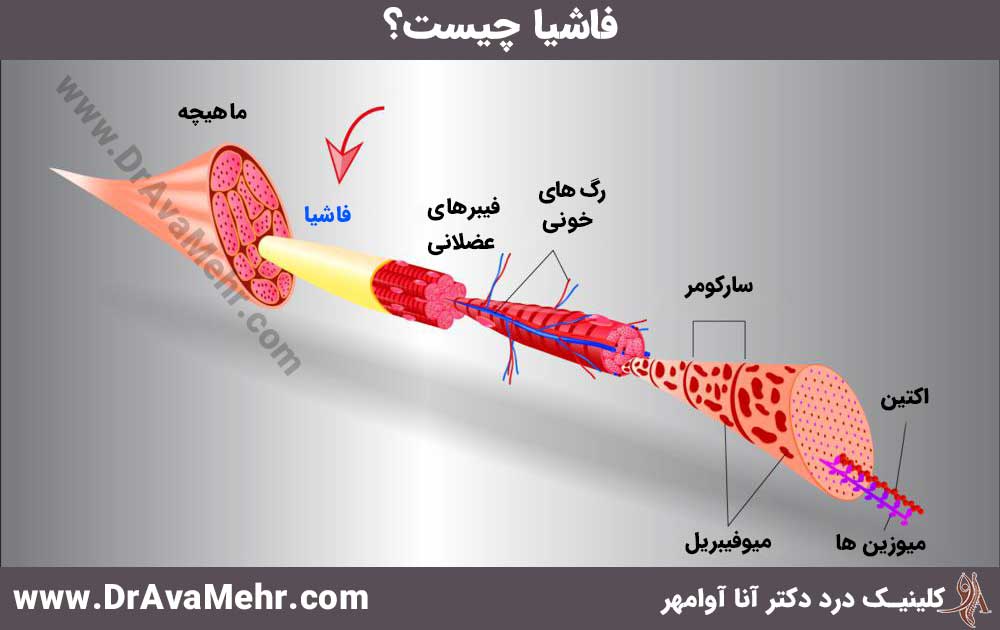

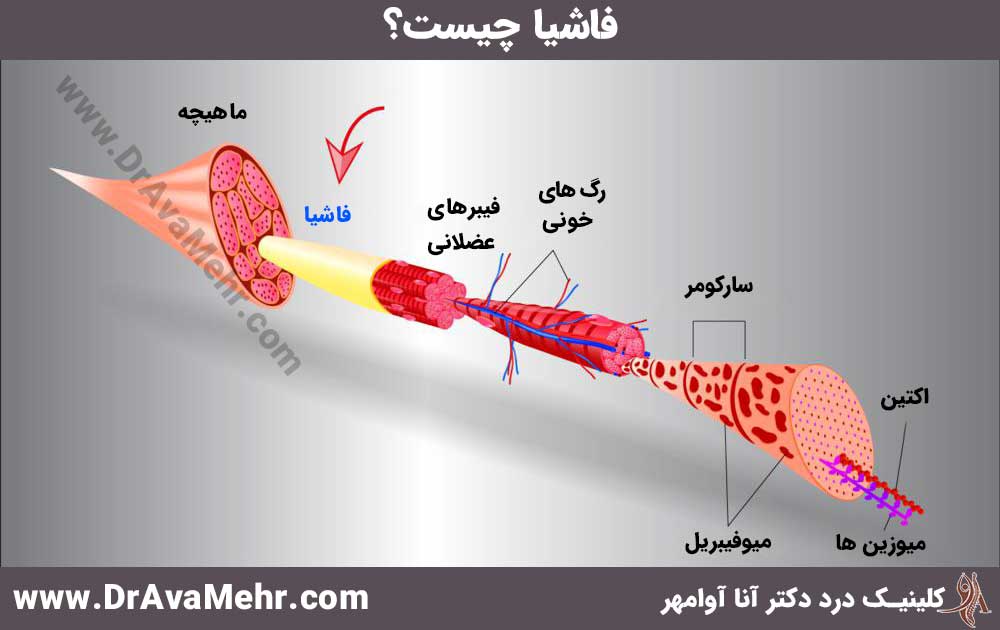
Fascia is a band of thin and fibrous connective tissue that covers every structure in the body. wraps and supports it.
Scientists originally thought that fascia only supported your organs, muscles, and bones. Recently, this definition has expanded to include the tissue that surrounds all cells, nerves, joints, tissues, tendons, and ligaments throughout the body. As part of this discovery, they learned that fascia is part of a vast network that regulates the shape and function of every part of the body. It is a continuous layer of tissue that is flexible and able to withstand tension.
Fascia is a stringy, white substance made mostly of collagen. Collagen is a type of protein that provides strength and flexibility. Fascia is soft, loose and consists of several layers. A liquid called hyaluronan is between each layer. Hyaluronan helps stretch your fascia as you move. Inflammation and trauma can dry out the hyaluronan and damage your fascia. When fascia becomes tight, it can restrict the movement of muscles and tissues in the body, causing pain and other ailments.
Fascia provides structure and support throughout your body. It holds the muscles together and allows them to contract and stretch. It provides a smooth surface for your muscles, joints and organs to slide over each other without friction or tearing.
Fascia also stabilizes body structures and gives strength to the body. It isolates muscles and reduces muscle tension. In addition, it helps to stabilize and move joints and improves blood circulation. Fascia provides an environment that enables all body systems to work together.
Fascia AnatomyFascia is a sheath of fibrous connective tissue that is mostly made of collagen and wraps and supports every body structure.
Where is the fascia?
Fascia is located all over the inside of your body. It connects to every muscle, tendon, ligament, bone, organ and tissue in your body and keeps it stable.
Fascia is similar to your tendons and ligaments. They are all made mostly of collagen, but their location and function are different. Tendons connect your muscles to bones, and ligaments connect one bone to another. Fascia wraps around all muscles and other parts of the body. Examples of fascia include thoracolumbar fascia, fascia lata, and plantar fascia.
The thoracolumbar fascia surrounds your back muscles and divides them into sections. The fascia lata attaches to a small band of muscle in your thigh called the tensor fascia lata or tensor fascia lata. The fascia lata helps this muscle balance the pelvis while walking, running, or standing. The plantar fascia is connected to the fascia plantaris muscle of the back of the foot. You don't use this muscle much, but it helps you bend your ankle and knee joints.
There are four different layers of fascia in the body: superficial, deep, visceral and parietal.
Superficial fascia
Superficial fascia is the outermost layer that lies directly under the skin. Layers of membrane, interwoven collagen and elastic fibers make up this layer. Superficial fascia is thicker in your chest and back (trunk) and thinner in your arms and legs. It also sometimes contains muscle fibers that help create certain structures in the body.
Deep fascia
Deep fascia surrounds your musculoskeletal system. It covers your muscles, bones, tendons, cartilage, nerves, and blood vessels. This layer is thicker than the superficial fascia. There are two subtypes of this layer:
- Aponeurotic Fascia: Aponeurotic is a thick, pearly white tissue that is easier to separate from your muscles.
- Epimysial Fascia: Epimysial is thinner than aponeurotic fascia and is more tightly attached to your muscles.
Visceral fascia
Visceral fascia surrounds your abdominal organs, lungs, and heart.
parietal fascia
The parietal fascia covers the walls of certain body cavities, such as the area around the pelvis.
When your fascia is healthy, it is relaxed and flexible. As you move, it pulls with you. When hyaluronan dries out, fascial layers can tighten around muscles and other tissues. This problem leads to pain and limited movement. Many conditions and disorders can affect your fascia. These may include the following:
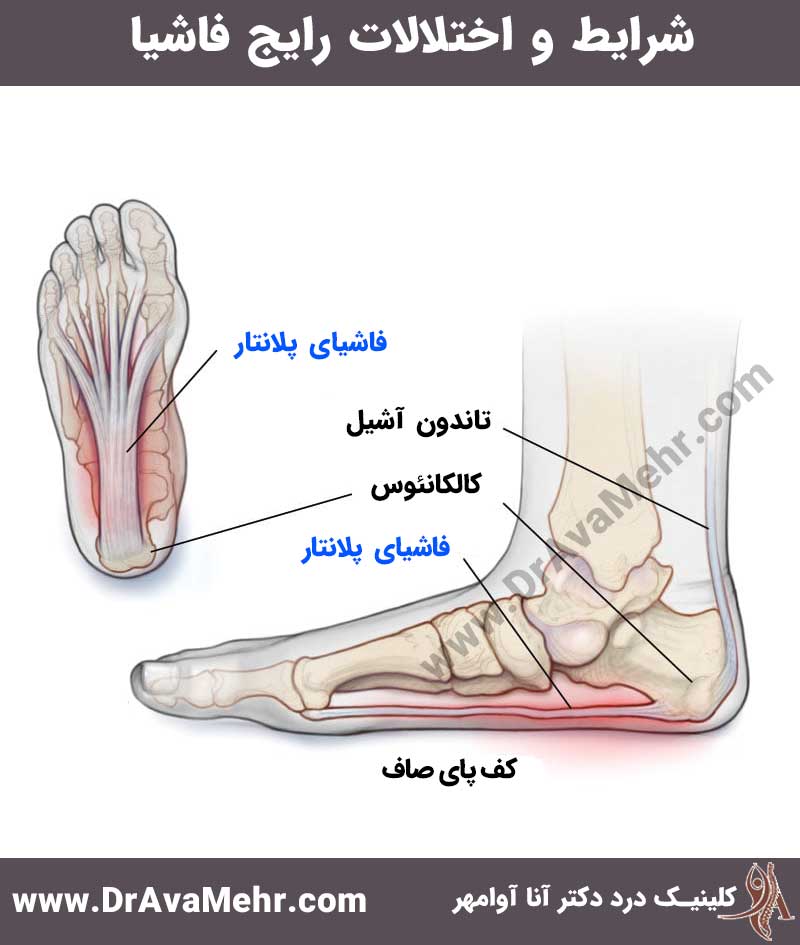
Plantar fascia
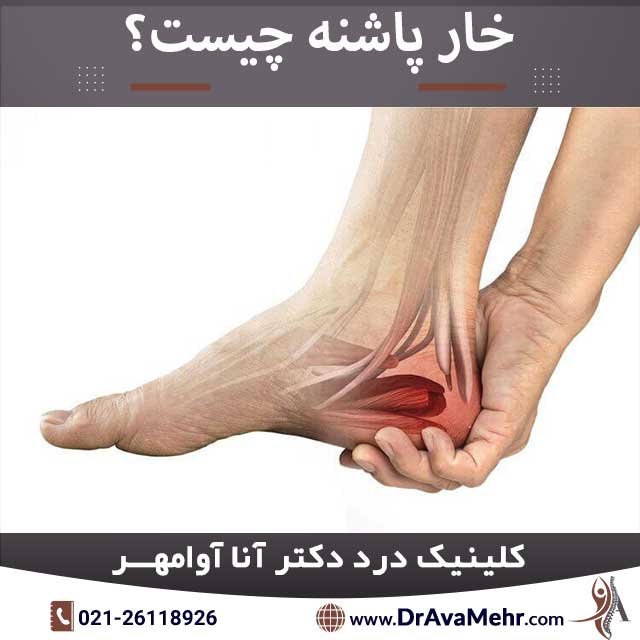
Plantar fasciitis causes inflammation and pain in the plantar fascia, which is the thick band of tissue that runs from the heel to the toes. It supports the arch of your foot by absorbing pressure and bearing weight. Plantar inflammation is one of the most common causes of heel pain.Myofascial pain syndrome
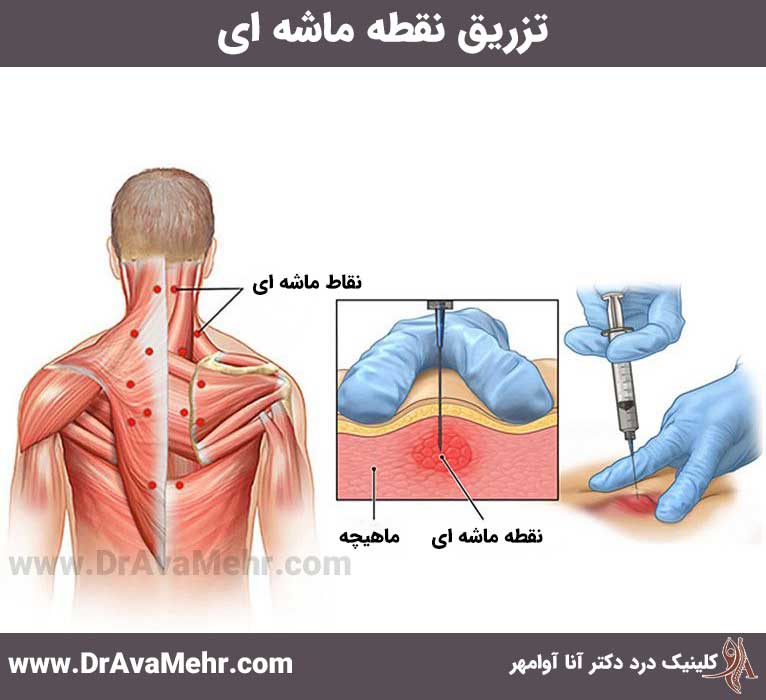
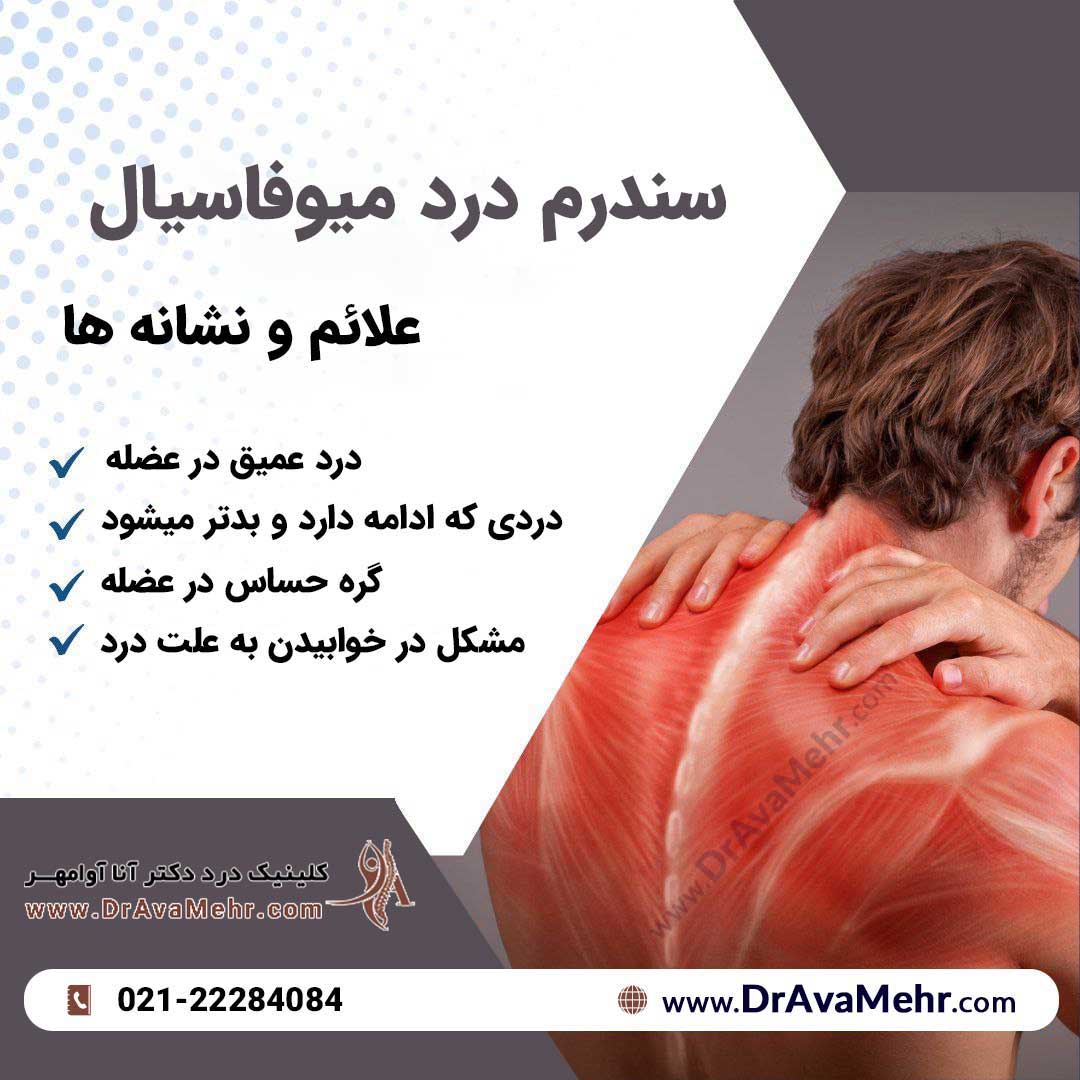
Myofascial pain syndrome (Myofascial pain syndrome) causes pain and sensitivity in the muscles in one or more "trigger points" in your body. When touched, trigger points feel like small bumps or knots in the muscles. They are very sensitive areas in the muscles that cause pain that you can feel in another part of your body.
Dupuytren's contracture
Dupuytren's contracture occurs when the fascia under the skin of your palms and fingers thickens and tightens. This causes your fingers to bend or contract. Cramped fingers affect your ability to perform daily tasks such as clapping or wearing gloves.Frozen Shoulder
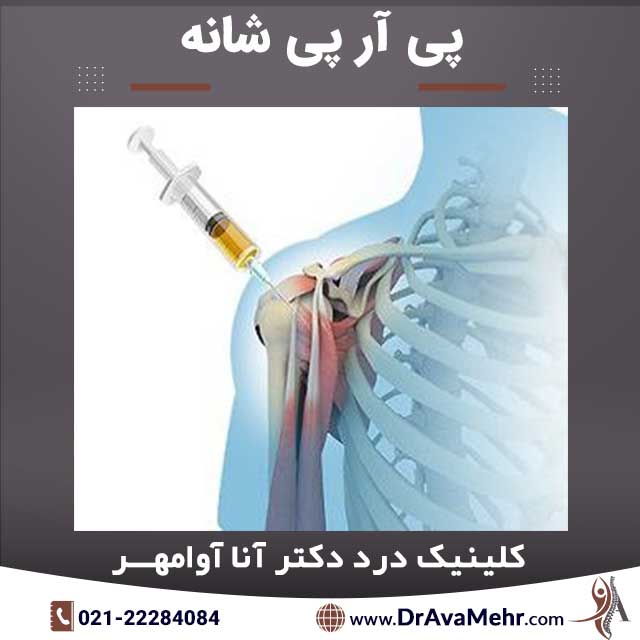
Frozen shoulder, also called capsular adhesion, is a painful condition in which the movement of your shoulder is limited. It occurs when the fascia around your shoulder joint becomes thick, stiff, and inflamed. Non-use causes the shoulder to thicken and stiffen, making it harder to move the shoulder.Peyronie's disease
Peyronie's disease is a condition in which scar tissue causes your penis to bend, curve, or lose length or girth. In some cases, it may cause pain and prevent sexual intercourse. You may be able to feel the scar tissue on your skin or you may have pain with the formation of scar tissue in a certain part of your penis.
compartment syndrome
Compartment syndrome is a condition that causes painful pressure in and around your muscles due to swelling or bleeding. This condition can restrict the flow of blood, oxygen, and nutrients to a group of muscles, nerves, and blood vessels in the body. The fascia around the compartment does not expand to make space, so the swelling or bleeding puts pressure on the nerves and muscles.Hernia
When the fascia does not have enough resistance, the internal structures can move too freely and cause a hernia. Types of hernias caused by defects or disorders in the fascia include inguinal hernia, femoral hernia, and umbilical hernia.
Genetic conditions affecting collagen can lead to fascia problems. These conditions are:
Ehlers-Danlos syndrome
Ehlers-Danlos syndrome is a condition that causes loose joints and weak skin that tears easily. A genetic defect has resulted in weak collagen or a lack of natural collagen in the tissues. This defect can damage the ability of connective tissue to hold muscles, organs and other tissues.
Marfan syndrome
Marfan syndrome is a condition that affects many body systems, including the heart, blood vessels, bones, tendons, cartilage, eyes, nervous system, skin, and lungs. Marfan syndrome is caused by a gene defect that encodes the structure of fibrillin and elastic fibers, the main components of connective tissue.How Can I keep my fascia healthy?
Fascia plays an important role in the structure and function of the body, so maintaining its health is very important. Some of the ways you can make sure you keep your fascia in good shape are:
- Stay physically active: Move as much as possible instead of sitting. Be sure to exercise regularly.
- Repeated stretching: Stretching makes the fascia more flexible. This can help reduce pain and inflammation.
- Sit up straight: Try to maintain good posture. Bending over can cause the fascia to tighten.
If you are experiencing painful trigger points from tight fascia, there are several treatments and therapies you can try. These may include the following:
- Yoga: Many yoga poses can help relieve pain from tight fascia. Search online or find a certified yoga therapist.
- Heat therapy: Place a heating pad on a painful trigger point, or try taking a warm bath or shower to loosen tight knots.
- Massage Therapy: Look for massage therapy that involves stretching and working on trigger points through myofascial therapy.
- Acupuncture: In acupuncture, a skilled acupuncturist places needles in your affected trigger points to help relieve congestion.
- Foam Roller: Roll a foam roller on areas of your body that are painful due to trigger points.
- Fascia Blaster: Fascia Blaster is similar to using a foam roller. It relaxes your fascia through physical manipulation and pressure.
From the pain clinic Dr. Anna Avamehr
Fascia is a sheath of fibrous connective tissue that surrounds all body structures. It supports your organs, muscles, tendons, ligaments, tissues, nerves, joints and bones. Fascia is a continuous layer, so it is flexible and moves with the body. When fascia becomes tight, it can restrict the movement of your muscles and tissues, causing pain and other health problems, so it's important to keep your fascia healthy by moving and stretching.
If you have any questions and problems related to the problems raised and their treatments, you can contact Dr. Anna Avamehr Physical Medicine and Spine Specialist for the necessary advice.