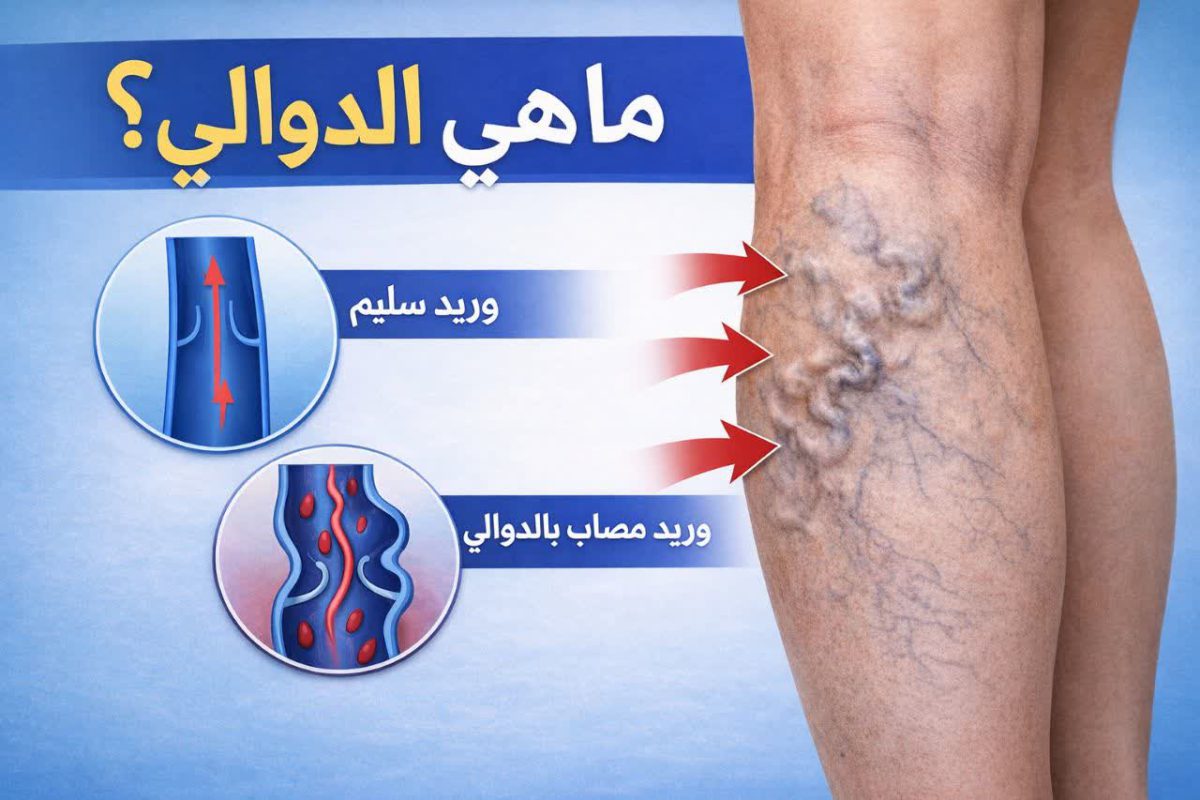
این مقاله درمورد درمان واریس با آب نمک می باشد که در سالهای اخیر این موضوع، توجه بسیاری را به خود جلب کرده و نیازمند بررسی علمی و دقیق میباشد. واریس یکی از شایعترین بیماریهای عروقی است که در آن رگهای سطحی و عمقی بدن، بهویژه در اندام تحتانی، دچار گشادشدگی و پیچخوردگی میشوند. It should be noted that the best method of treating varicose veins is definitive treatment by means of laser or intravascular RF.
مقاله تخصصی
Treatment of varicose veins with salt water - Dr. Mahmoud Hadizadeh
2 weeks ago
353 بازدید

Dr. Mahmoud Hadizadeh
IsfahanCardiovascular and varicose laser fellowship
This disease is not only annoying for patients in terms of aesthetics, but can also be associated with symptoms such as pain, heaviness of the legs, swelling and even skin wounds. The prevalence of varicose veins is high in different societies and it is estimated that between 20 and 30% of adults experience some degree of this disease. Several factors such as genetics, standing for a long time, pregnancy, obesity and aging play a role in its occurrence.
The treatment of varicose veins has a wide range. Including simple and preventive methods such as compression stockings and lifestyle changes, to advanced treatments such as laser and sclerotherapy. Along with these treatments, some people are looking for home and natural methods. One of these methods is the use of salt water, which has been proposed as an auxiliary treatment in traditional medicine and even some new studies.
The cause of varicose veins
Dr. Mahmoud Hadizadeh (salt water and its properties
Salt water is one of the simplest and yet most widely used solutions used in medicine and health care. This solution, which is formed by dissolving sodium chloride in water, can have different effects on body tissues depending on its concentration.
In medicine, 0.9% isotonic solution is usually used, because this concentration is most compatible with body fluids and without causing damage, it is used for washing wounds, intravenous injection and cleaning tissues. Due to its osmotic property, salt water can remove excess fluids from the tissues, and for this reason, it plays a gentle role in reducing inflammation and swelling.
Besides official medical applications, salt water also has a special place in traditional medicine and home care. Many people use a foot bath with salt water to reduce fatigue, improve superficial blood circulation and create a sense of relaxation. The heat of the water dilates the surface vessels and increases blood flow, and the salt in it can help reduce mild inflammation. However, these effects are mostly palliative and usually temporary.
Scientifically, salt water cannot repair the structure of the damaged vessels or repair the venous valves that have been disrupted in varicose veins. But due to its soothing, mild anti-inflammatory effects and ability to reduce swelling, some people use it as an auxiliary method to reduce the symptoms of varicose veins. This application is based more on personal experience and traditional medicine than on definitive scientific evidence, but it can still help improve the feeling of comfort in the feet along with the main treatments.
symptoms of varicose veins
From the point of view of Dr. Mahmoud Hadizadeh (Varicose treatment methods
Sclerotherapy is one of the most common methods of treating varicose veins, in which the doctor injects a special substance into the damaged vein. This substance irritates the vein wall and makes it stick to each other, and finally the vein is cured. After some time, the body absorbs this treated vein and its appearance disappears. This method is very effective for superficial and small veins and is performed without anesthesia.
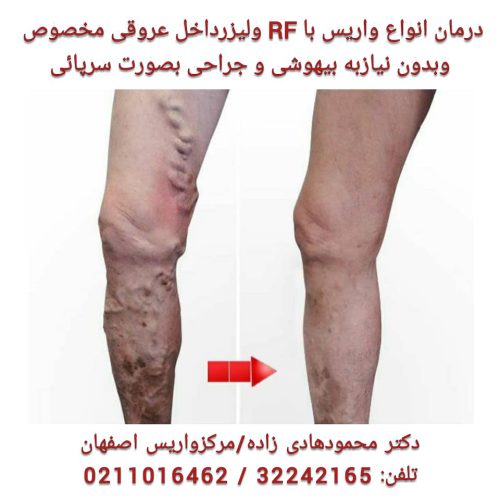
Patients notice a significant reduction in the appearance of their veins and symptoms after a few treatment sessions. Along with sclerotherapy, laser treatment also has a special place. Intravenous laser is a more advanced type of varicose vein treatment, which is used for larger veins, and by guiding the optical fiber into the vein, the necessary heat is provided for its treatment.
In this method, high-intensity light rays are irradiated to the varicose vein, and the resulting heat causes the vein to be treated. This procedure is performed without any incision and is painless. Radiofrequency is another new method of treating varicose veins that is performed using thermal waves.
In this method, a narrow tube enters the vessel and controlled heat waves are transferred to the vessel wall. This heat causes the vein to heal. Radiofrequency is usually suitable for larger and deeper veins. After performing this procedure, patients can return to their daily activities the same day.
Medical examination regarding the treatment of varicose veins with salt water
In recent years, the use of salt water as a home method to reduce the symptoms of varicose veins has attracted the attention of many patients, but the review of reliable medical sources shows that this method is not a definitive treatment for varicose veins. In fact, no valid scientific study has shown that salt water can repair the structure of damaged vessels or repair venous valves that have failed in varicose veins.
According to medical reports, placing the feet in salt water or even sea water may cause an instant feeling of lightness and reduce the pressure on the veins, because the water temporarily prevents the accumulation of blood in the varicose veins by creating hydrostatic pressure. But this effect lasts only as long as the person is in the water, and after leaving the water, the accumulation of blood starts again.
Besides these cases, some studies on water-based treatments such as balneotherapy (water therapy) have shown that these methods may reduce the severity of symptoms and pain caused by venous insufficiency to some extent, but the available evidence is limited and these methods do not replace the main treatments of varicose veins.
Methods to prevent varicose veins
Prevention of varicose veins is mostly based on maintaining healthy blood flow in the legs and preventing excess pressure on the veins. One of the most important ways is to have daily movement. Regular walking, raising and lowering the heels, or even a few simple stretching movements during the day will prevent the blood from stagnating in the veins, and the leg muscles will help return the blood like a natural pump.
This is especially important for people who sit or stand for long hours. Weight control also plays an important role in prevention. Excess weight puts more pressure on the leg veins and the possibility of increases venous insufficiency and varicose. By maintaining the right weight, the pressure on the veins decreases and the blood flow works better.
Besides this issue, it is recommended to avoid sitting or standing for a long time. If a person's job requires him to stay in one position for a long time, it is better to walk a few steps every half hour or move his legs a little so that the blood flows in the veins. Elevating the legs while resting is also one of the simple and effective ways to reduce the pressure on the veins.
Placing the feet above the level of the heart helps the blood return to the top more easily and prevents its accumulation in the surface vessels. The use of compression stockings is also recommended in many cases. By creating controlled pressure, these stockings prevent dilation of the veins and help blood flow, especially for people with a family history of varicose veins.
Concluding Remarks
Varicose veins are one of the most common problems of leg veins, which are caused by the failure of venous valves and accumulation of blood in the veins. At first, this disease manifests itself mostly with changes in the appearance of the veins, but gradually it can be accompanied by symptoms such as pain, heaviness, swelling, itching, and skin changes.Although genetic factors and aging play an important role in its occurrence, lifestyle, mobility and physical condition also have a significant effect on its severity and progress. Salt water and home methods can reduce the severity of the discomfort to some extent, but they are not a cure for varicose veins and cannot repair the damaged veins.
The main and effective treatments include sclerotherapy, laser and radiofrequency, which significantly improve the appearance of the leg and the symptoms of the disease by treating the diseased veins and directing blood to healthy pathways. These methods are performed without anesthesia and hospitalization, and there is no recovery period.
Besides treatment, observing preventive measures such as increasing mobility, controlling weight, avoiding standing or sitting for long periods of time, elevating the legs while resting and using compression stockings can play an important role in preventing the progression of the disease.