
درمان زگیل تناسلی نقش مهمی در پیشگیری از گسترش عفونت و کاهش عوارض آن دارد. روشهای درمانی متنوعی برای از بین بردن این ضایعات پوستی استفاده میشود. انتخاب روش مناسب به اندازه، تعداد و محل زگیلها بستگی دارد. علاوه بر درمانهای پزشکی، تقویت سیستم ایمنی بدن نیز میتواند به کنترل عفونت کمک کند. In this article, we discuss the effective methods of treating genital warts and important tips to prevent its recurrence.

What is genital wart treatment?
Treatment of genital warts caused by human papillomavirus infection includes various methods to reduce symptoms and eliminate warts. It should be noted that treatments do not remove the virus from the body, but only help to reduce symptoms and prevent the spread of warts. Some treatment methods are:1. Topical drugs
Medicines such as podophyllin, imiquimod and trichloroacetic acid are used topically to treat warts. These drugs help break down wart cells and are used at home.2. Cryotherapy
This method involves using liquid nitrogen to freeze and remove warts. This treatment is performed by a doctor and requires several treatment sessions.
3. Laser therapy
Laser is used to burn warts and remove them from the surface of the skin. This method is effective for large warts or warts resistant to other treatments.
4. Surgery
In some cases, if the warts are large and resistant to other treatments, the doctor uses surgery to remove the warts.

best method of treatment of genital warts
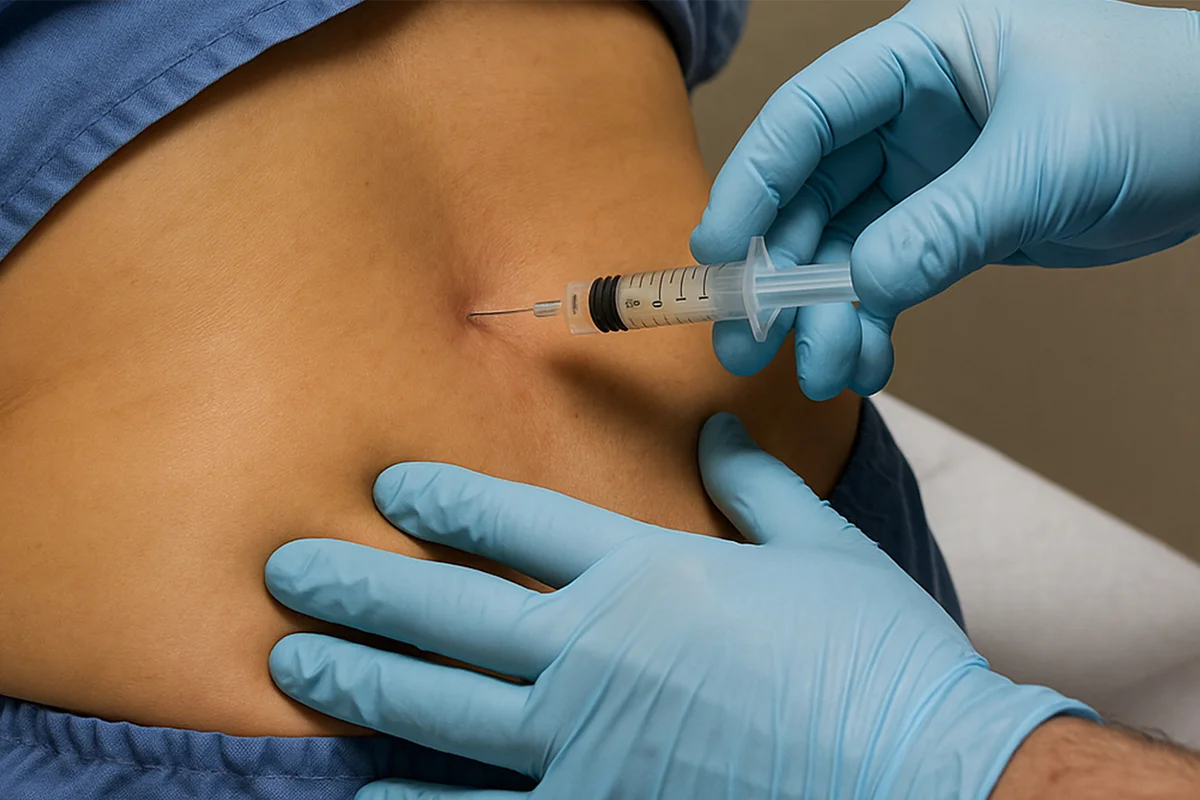
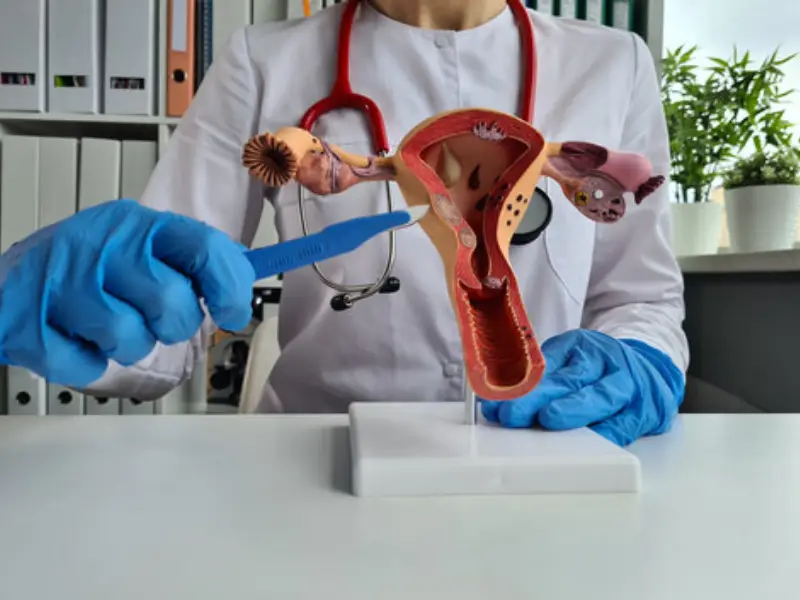
If the genital wart is widespread and conventional treatments such as cryotherapy or topical medications are not effective, surgery is the best treatment method. Surgery to remove warts is performed when the warts are in large areas or resistant to other treatments. This method includes using a scalpel to remove the warts or more advanced methods such as lasers to burn the warts.
Surgery is considered an effective option for the treatment of extensive genital warts due to the possibility of completely removing the warts from the area. After surgery, there is a need for post-operative care and medical follow-up to prevent recurrence of warts. In order to make a more accurate decision and choose the best treatment option, consultation with a gynecologist is necessary.
If the warts are not widespread and widespread, wart cryotherapy is considered a fast and effective way to eliminate genital warts, which uses liquid nitrogen to freeze the wart tissue and destroy it. This method is minimally invasive, has little pain and side effects, and removes warts completely within a few sessions.
Is the treatment of genital warts certain?
Genital wart treatment cannot definitively remove the human papilloma virus from the body, because HPV remains in the body. Treatments are mainly used to get rid of the warts and reduce the symptoms, but the virus remains in the person's body and in some cases the warts come back. In fact, even after treatment, there is a possibility of recurrence of warts.
HPV vaccines are effective in preventing certain types of HPV viruses that cause genital warts. Therefore, the treatment of genital warts includes management and control of symptoms so that a person can avoid further consequences.Does genital wart treatment have complications?
Genital wart treatment has side effects, but these side effects are temporary and controllable. Some of the possible side effects of different treatments are:
- In cryotherapy, possible side effects include redness, swelling, blistering or scarring of the treated area. These complications improve by themselves, but in some cases, they remain for several days or weeks. Possible side effects include pain, minor bleeding, changes in skin color, and infection at the treatment site. In rare cases, there will be wounds that will require more care. Medicines such as podophyllin or imiquimod cause burning, dryness, redness or inflammation of the skin in the treatment area. These side effects are temporary and will improve after stopping the drug.
- Surgery to remove warts is associated with pain, bleeding or infection. There is also a possibility of scarring or changes in the skin of the treatment area.
Which doctor should we refer to for the treatment of genital warts?
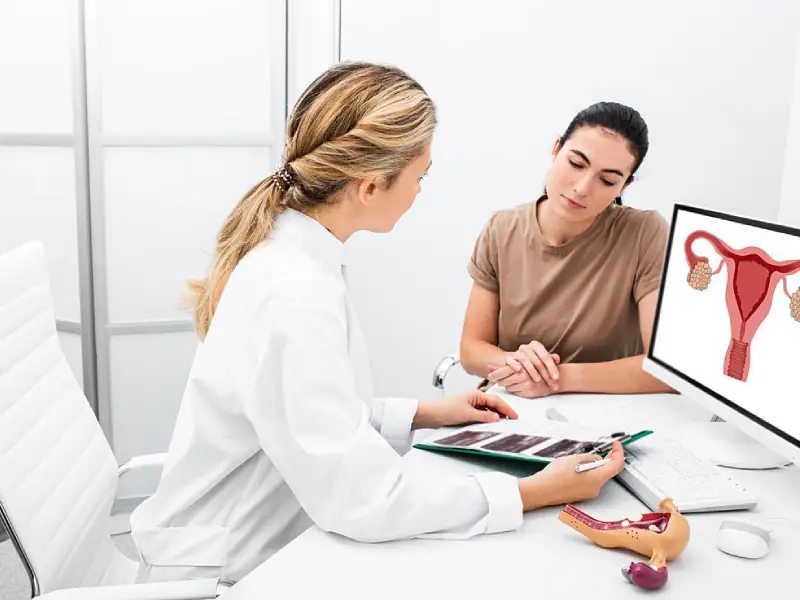
To treat genital warts, you should go to the best gynecologist, Dr. Fatemeh Alizadeh is known as one of the best in this field. These doctors have expertise in treating women's reproductive problems and managing sexually transmitted infections and help diagnose and provide appropriate treatment for genital warts. If you are looking for detailed advice and treatment, visit a gynecologist and benefit from the prescription of various treatments such as topical medications, cryotherapy or laser therapy.
How long does genital wart treatment take?
The duration of the treatment of this condition depends on the type of treatment chosen, the size and number of warts and the response of the individual's body to the treatment. Treatments such as cryotherapy or the use of topical medications may take a few weeks to a month to see significant results. In some cases, you need several treatment sessions.
Laser therapy or surgery to remove warts will also require more time to heal and repair. In general, although warts heal within a few weeks to a month, because the HPV virus remains in the body, there is a possibility of wart recurrence and preventive care should be continued.
Important tips to prevent the recurrence of genital warts after treatment
To prevent the recurrence of genital warts after treatment, it is very important to observe the following points:
- Consumption of foods rich in vitamin C and antioxidants
- Adequate sleep and stress reduction
- Quit smoking and alcohol that weaken the immune system
- washing regularly and keeping the genital area dry
- Using cotton and loose clothes to prevent sweating and inflammation
- Not touching the remaining warts to prevent its transfer to other parts of the body
- Using separate towels and personal items
- Using a condom in sexual relations (although it does not provide complete protection)
- Avoid having multiple sexual partners
- Sexual partner examination and treatment if necessary
- Do periodic examinations to ensure that the warts do not return
- If you see new symptoms, go quickly for timely treatment
Conclusion
The treatment of genital warts plays an important role in preventing the spread of infection and reducing the risk of complications. The sooner warts are diagnosed and treated, the more likely the virus will spread and problems such as pain, inflammation, and transmission to the sexual partner will decrease. In addition, neglecting treatment can cause warts to grow larger and make the treatment process more difficult. Observing hygiene, strengthening the immune system and visiting the doctor regularly are effective ways to control and prevent the recurrence of genital warts.