
Liver infection - gastroenterologist in Mashhad Dr. Mehdi Afzal Aghaei

Liver
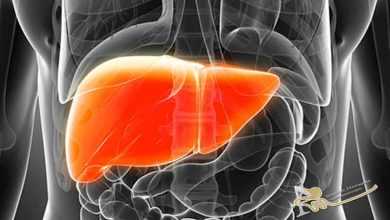
Liver In addition to producing bile, it secretes enzymes that play a role in food digestion. The liver also plays a role in supplying the body with energy. The liver is also responsible for clearing harmful substances such as chemicals. Liver abscess is the accumulation of purulent secretions in the liver caused by bacteria, fungi or parasites. More than one abscess can develop in the liver. This disease is relatively rare and mainly affects the elderly. Liver abscess is often caused by the spread of bacteria through the abdominal organs such as , intestines ( diverticulitis ) or bile ducts are formed. Prompt treatment of abdominal and other infections can reduce the risk of liver infection. Of course, in many cases, preventing the formation of an abscess is unavoidable.
A liver abscess is a serious infection that can lead to serious problems and even death. An abscess can damage the surrounding tissue. It can also cause symptoms such as fever, heartache, nausea ,Or intestinal perforationThe presence of infection in the blood
Bile duct infection
Endoscopy _ Safaravi
Strike (blow) that caused damage to the liver.
The most common bacteria that cause liver abscess are:
Bacteriosis
Enterococcus
Escherichia coli
Klebsiella pneumoniae
Staphylococcus aureus
Streptococcus
In most cases, there are several types of bacteria.
risk factors
Risk factors for liver infection include cancer, cancer treatment, corticosteroids, organ transplantation, weakened immune system, malnutrition, diabetes, old age, pregnancy, abdominal pain surgery, travel to tropical areas, Crohn's disease, abdominal or gastrointestinal infections, and steroid use.
Symptoms of liver abscess
chest pain (lower right side)
Changing the color of stool to the color of clay
Urine darkening
Fever, chills
Loss of appetite
Nausea, vomiting
pain in the upper right side of the abdomen (more common) or abdominal pain (less common)
Unwanted weight loss
weakness
yellowing of the skin (jaundice)
Complications
Complications of liver abscess can be serious and fatal. The abscess may rupture and spill its contents into the abdominal cavity, lungs, lining of the lung, heart, or brain. This can lead to empyema (accumulation of pus in one of the normal body cavities), endocarditis (inflammation of the heart), liver failure, pleural effusion (accumulation of fluid in the lung pleura), or sepsis (general body infection). .
Study suggestion: esophageal thrush
When should you see a doctor?
See a doctor if you see the following conditions:
Existence of symptoms of liver abscess
Severe abdominal pain
Confusion or loss of consciousness
Continuous high fever
Coping with unknown symptoms during or after liver infection treatment
Identification
Generally, the diagnosis of abscess is done using the following elements:
A blood test that identifies the type of germs that caused the infection.
X-ray imaging, ultrasound, CT or MRI can determine the presence of an abscess. The patient may be given a colored contrast agent to obtain more detailed images. If you are allergic to the contrast material, you must inform your doctor. Do not enter the MRI room with metal objects. The presence of metal in the MRI room can harm you. If you have metal objects or metal implants in your body, inform your doctor.
Aspiration (drainage) of liver abscess (confirms bacterial infection)
Analysis of the liver
Liver function test
Stool test
Treatment of liver abscess
The type of treatment depends on the cause of the liver infection. It also depends on the number and extent of abscesses. Liver abscess treatment may include the following:Drugs
In the first stage, liver infection is treated with antibiotics or antifungals. The patient must take medicine for several weeks. Medicines can be administered orally, i.e. tablets and syrups, or intravenously.
Abscess drainage
Along with medication, the doctor may also drain the abscess. Or when medications aren't working or the infection is causing other problems for the patient, draining the abscess may be prescribed. There are several ways to rule out a liver infection. The doctor can insert a special needle through the patient's skin into the abscess. Then use a syringe to drain the liquid. This process is called suction. In another method, the doctor inserts a thin wire through the skin. Then, using a CT scan or ultrasound, the thread is guided to reach the exact location of the abscess. Then a thin and flexible tube (catheter) is sent to the abscess site using a wire. This tube is left in place for 5 to 7 days to drain the fluid. In some cases, liver surgery may be performed to remove the abscess in order to drain the abscess.Care after treatment
(For example: CBC, test of liver parameters such as: amino transaminase, bilirubin and serum level of prescription drugs) is necessary. According to the doctor's plan, after treating the liver infection, the doctor may ask the patient to do liver imaging. This is often done with an ultrasound, CT scan, or MRI. Patients should fully follow the antibiotic treatment prescribed by the doctor. Patients who have had a drainage tube placed should follow the instructions carefully after leaving the hospital. If the patient thinks that the drug is not effective or has side effects, he should contact the doctor. Inform your doctor if you have any drug allergies. Make a list of the medications, herbal remedies, and vitamins you take and write down when and how much you take. Then, bring this list or box of medicines you take with you to your doctor's appointment.
Have a healthy and varied diet: This can give the patient more energy and speed up his recovery. Healthy foods include fruits, vegetables, whole grain breads, low-fat dairy products, legumes, lean meats, and fish. Get the necessary information from your doctor about a special diet.
Drink enough fluids as prescribed by your doctor: Adults should drink between 9 and 13 glasses of fluids a day. Consult your doctor about the appropriate amount of fluids to consume. For most people, suitable drinks include water, juice and milk.
Get enough exercise: Talk to your doctor about the best exercise program. Exercise can reduce the patient's blood pressure and improve his health.
Do not smoke: If the patient smokes, it is never too late to quit. Smoking exposes the patient to heart, lung, cancer and other diseases. Quitting smoking improves the health of the person and the people around him.
Stress Management: Stress can slow down the patient's recovery process and also cause illness. Learn new ways to reduce stress, such as deep breathing
Prevention
When traveling to tropical countries and countries with poor sanitation, drink purified and hygienic water. Do not eat raw and uncooked vegetables, do not eat fruits with skin. href="https://twitter.com/intent/tweet?text=%D8%B9%D9%81%D9%88%D9%86%D8%AA+%DA%A9%D8%A8%D8%AF%DB%8C&url=https://dr-afzalaghaie.ir/liver-infection/"> Twitter
LinkedIn Pinterest WhatsApp href="tg://msg?text=%D8%B9%D9%81%D9%88%D9%86%D8%AA+%DA%A9%D8%A8%D8%AF%DB%8C%20-%20https://dr-afzalaghaie.ir/liver-infection/"> Telegram Viber sharing via email
Content Team
Similar Posts

types of hepatitis
2021-10-21
Learn more about non-alcoholic fatty liver disease and its treatment methods
2019-02-12
proper diet for people with hemachromatosis
2021-12-14
How to have a healthy liver?
2022-05-19Write your opinion Cancel reply
See also
Close-
Digestive system
What is liver cirrhosis?
2019-02-14






