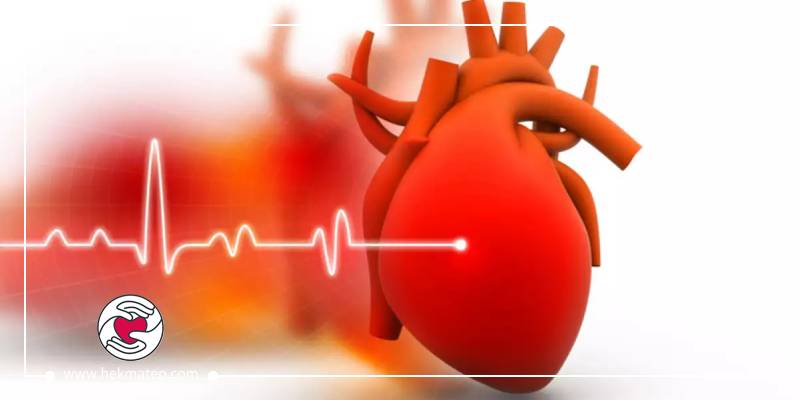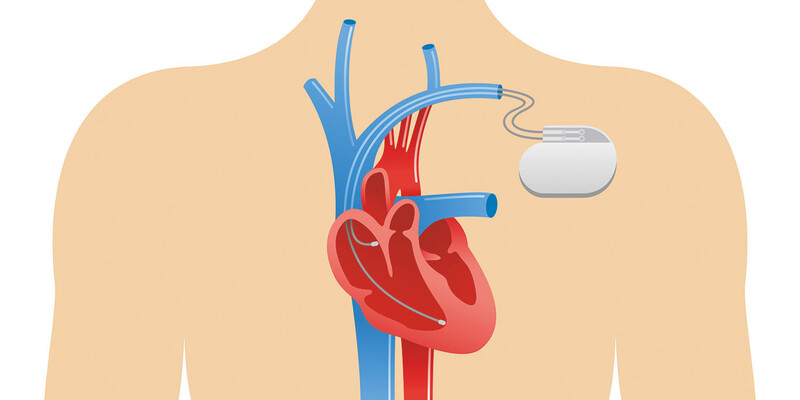

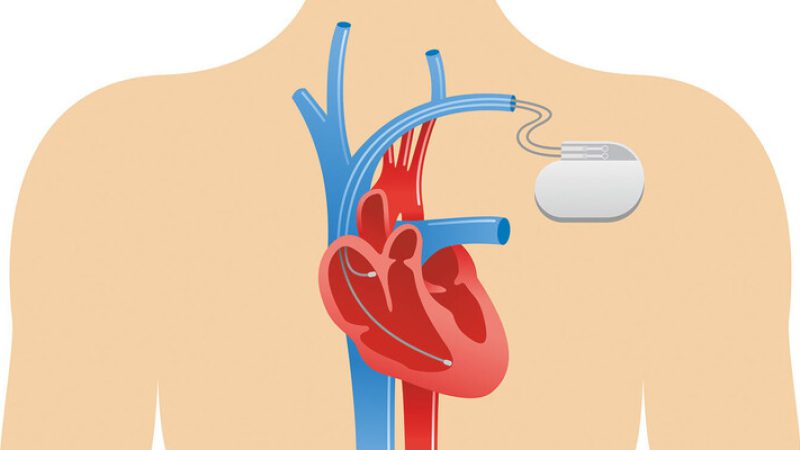
گره سینوسی قلب شما ضربان ساز طبیعی شماست (که در اتاقک سمت راست بالای قلب که به دهلیز معروف است) یافت میشود. The job of the pacemaker or micropace is to artificially take over the role of your sinus node if it is not working properly. A pacemaker is a small battery-operated device that sends electrical impulses to your heart. Electrical impulses are sent by the pacemaker to tell your heart to contract and make a heartbeat. Most pacemakers work when they are needed. But some pacemakers send pulses all the time, which is called a constant rate. Pacemakers do not shock your heart.
How are micro pacemakers installed?
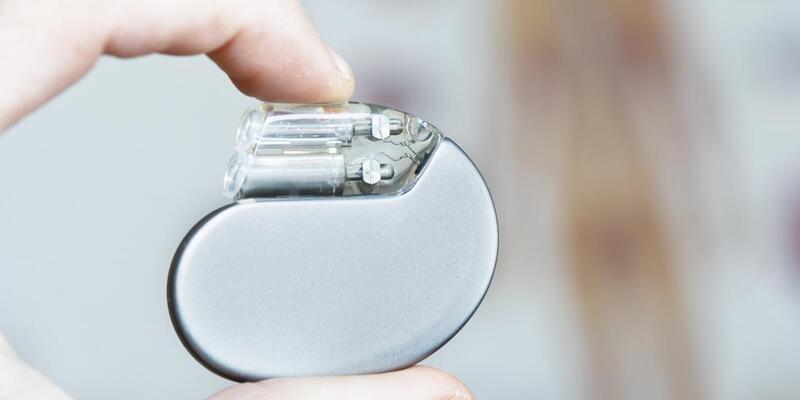
The beaters weigh 1 ounce (28 grams). Most pacemakers have 2 parts:
• The generator contains the battery and heart rate control information.
• Wires that connect the heart to the generator and transmit electrical messages to the heart.
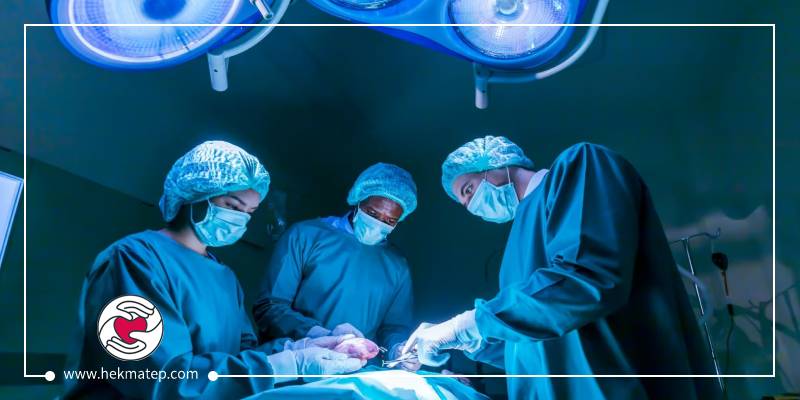
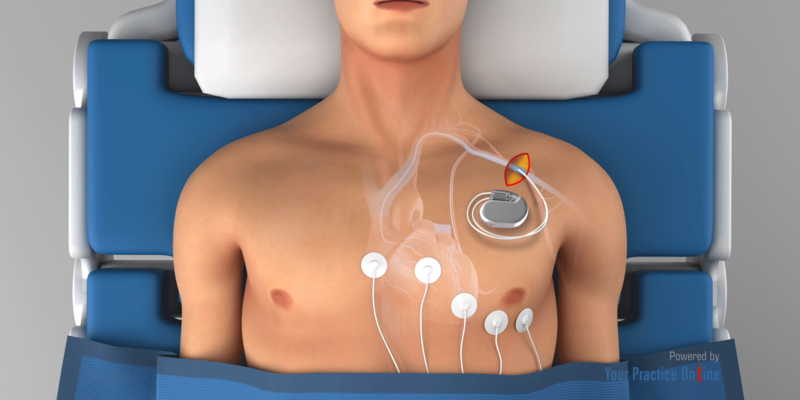
The pacemaker is implanted under the skin. This procedure takes about 1 hour in most cases.
A small cut (incision) is made. Often, the cut is on the left side (if you're right-handed) of the ribcage below the collarbone. The pacemaker generator is then placed under the skin at this site.
The generator may also be implanted in the abdomen, but is less common. The new "lead-free" pacemaker is an independent device that is implanted in the right ventricle of the heart.
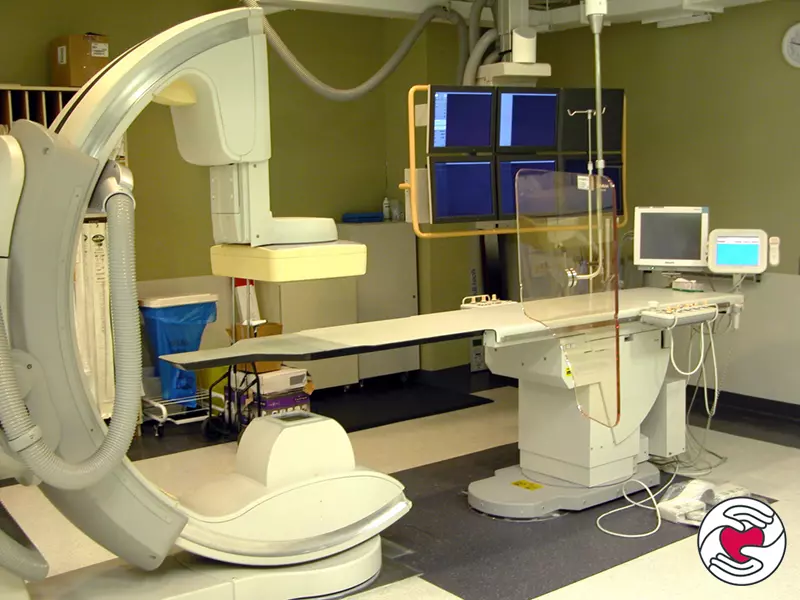
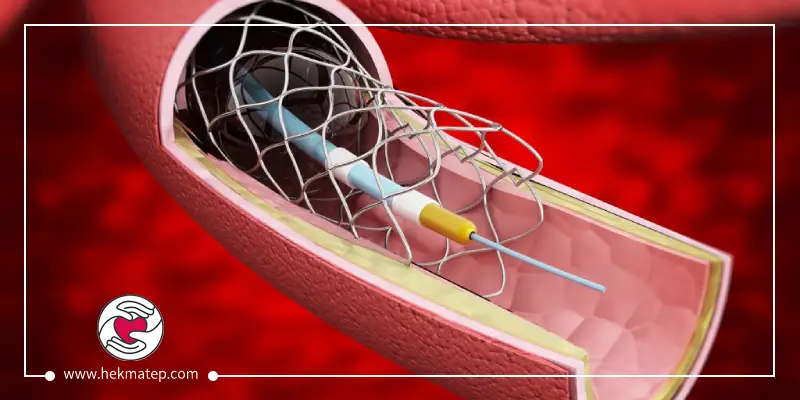
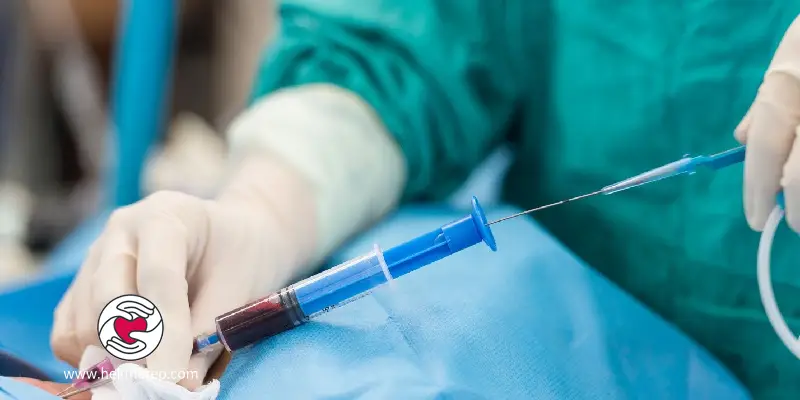
The doctor uses X-rays to see the area, inserts the lead through an incision, into a vein, and then into the heart. The leads are connected to the generator. The skin is closed with stitches. Most people go home within 1 day after surgery.
What are the different types of micropace?
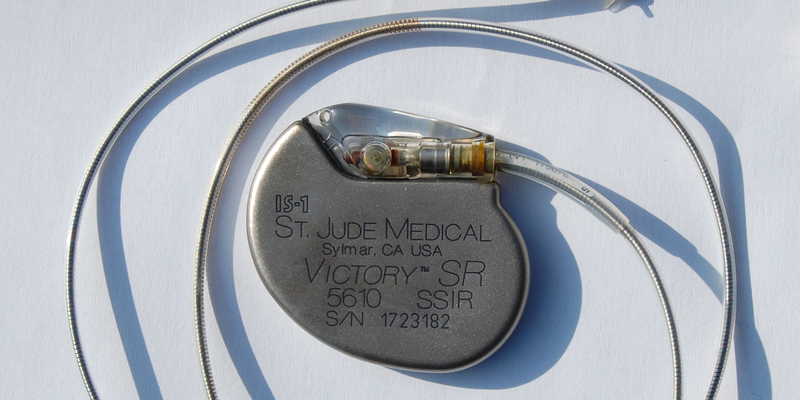
A pacemaker has a pulse generator – a battery-powered electronic circuit – and one or more lead wires:
• Single-cavity pacemakers have one lead
• Dual-cavity pacemakers have two leads
• Two ventricles have three leads
Some people need a special pacemaker called a pacemaker (CRT). This helps coordinate the pumping action of the heart muscle. People who need this type of pacemaker usually have heart failure, which means their heart is not working as well as it should.
What are the symptoms of heart failure?
You may need an artificial pacemaker if:
You have a certain type of heart block – a delay in electrical signals passing through the heart. They do, which can make the heart beat too slow.
Two common problems that cause a slow heart rate are sinus disease and heart block. When your heart beats too slowly, your body and brain may not get enough oxygen. Symptoms include:
• Lightheadedness
• Fatigue
• Fainting spells
• Shortness of breath
Your heart beats too fast and this is not effectively controlled by medication. Some pacemakers can be used to stop a very fast (tachycardia) or irregular heartbeat.
You have heart failure, which may cause your heart to pump out of sync. Other types of pacemakers can be used in severe heart failure. These are called biventricular pacemakers. They help coordinate the beating of the chambers of the heart.
Having a pacemaker can greatly improve your quality of life, and for some people it can be a lifesaver.
Most pacemakers are very reliable and comfortable. They are smaller than a regular matchbox and weigh about 20 to 50 grams. A pacemaker is placed just below the collarbone and has one or more leads that enter your heart through a vein.
Most dual-ventricular pacemakers implanted today can also work as implantable cardioverter defibrillators (ICDs).
ICDs restore a normal heartbeat by delivering a larger shock when a potentially fatal rapid heart rhythm occurs.
Before action
Always tell your doctor about all medications you take, even over-the-counter medications or herbs.
The day before surgery:
• Shower and shampoo.
• You may be asked to to wash the whole body from below the neck with special soap.
On the day of surgery:
• You may be asked not to drink or eat anything the night before the operation. This includes chewing gum. If you feel dry, rinse your mouth with water, but be careful not to swallow.
• Take the prescribed medication with a small sip of water.
How long does it take to set up a pacemaker?
It usually takes between one and two hours to have one implanted, but it may take longer if you are having other heart surgery at the same time.
After implantation heart pacemaker in Isfahan, most people can leave the hospital on the same day or one day after surgery.
Before leaving, your pacemaker will be thoroughly checked. Serious complications from a pacemaker are unusual.
Most people are fine after the operation, but if you feel dizzy, short of breath or have symptoms you had before your pacemaker, contact your GP or pacemaker clinic as soon as possible.
You will be given a pacemaker identification card detailing the make and model of your pacemaker. This card should always be with you. If you need further treatment in the future, it is important to show the card to the medical professional who is treating you.
After the operation
You will probably be able to go home after 1 day or even in some cases the same day. You should be able to return to your normal activities quickly.
Ask your doctor how much you can use the arm with the pacemaker. You may be advised to:
• Lift anything heavier than 10 to 15 pounds (4.5 to 6.75 kg).
• Push, pull, and rotate your arm for 2 to 3 weeks.
• Raise your arm above your shoulder for several weeks.
A pacemaker is a small electrical device that is implanted in the chest or abdomen. This medication is used to treat certain abnormal heart rhythms (arrhythmias), which can cause your heart to beat too slowly or stop beating.
How quickly will I recover after having a pacemaker fitted?
It is normal to feel tired for a few days after having your pacemaker fitted, but most people find that they can return to their normal lifestyle within a few days. come back.
At least one week after installation pace Heart Maker In Isfahan, you are not allowed to drive a car.
To be safe, it is recommended that you do not do any vigorous activities such as heavy sports for 4-6 weeks after the pacemaker is installed.
Will a cell phone affect my pacemaker?
It is okay to have a smartphone when you have a pacemaker, but you should be careful if it contains magnetic materials. It is recommended that smartphones be at least 6 inches away from where your device is located.
Apple's iPhone 12 models, including other products such as the iPad, contain additional magnets in their charging function that can disable the pacemaker. Apple recommends that you keep these products and their charging accessories no more than 6 inches from your device, or no more than 12 inches away from your device in the case of wireless charging (when magnets are in use).
Don't worry too much if your phone gets too close to your pacemaker, as they're designed to return to their normal settings once the magnet is removed.
If you're unsure about your phone for any reason, recommend Check its manual/instructions or talk to the manufacturer. You can also contact your doctor or clinic if you have concerns about your device.
Anything that produces a strong electromagnetic field, such as an induction plate, can interfere with a pacemaker. If you have an induction cooktop, keep at least 60 cm (2 feet) between the cooktop and your pacemaker. اگر این یک مشکل است، ممکن است بخواهید دستگاه را با چیز دیگری جایگزین کنید.
خطرات
عوارض مربوط به جراحی ضربان ساز یا داشتن پیس میکرو غیر معمول است، اما میتواند شامل موارد زیر باشد:
• عفونت در نزدیکی محلی در قلب که دستگاه در آن کاشته شده است
• تورم، کبودی یا خونریزی در محل ضربان ساز، به خصوص اگر از داروهای رقیق کننده خون استفاده میکنید.
• لخته شدن خون (ترومبوآمبولی) در نزدیکی محل ضربان ساز
• آسیب به عروق خونی یا اعصاب نزدیک ضربان ساز
• فروپاشی ریه (پنوموتوراکس)
• خون در فضای بین ریه و دیواره قفسه سینه (هموتوراکس)
• حرکت (تغییر) دستگاه یا لیدها، که میتواند منجر به سوراخ شدن قلب شود (نادر)
• ریتم غیر طبیعی قلب
اگر از هر یک از علائم نارسایی قلب در اصفهان رنج میبرید، میتوانید به کلینیک تخصصی قلب و آرتمی تپش اصفهان برای بررسی و معاینه مراجعه کنید، و در صورت نیاز به پیس میکرو یا ضربان ساز اقدامات لازم را انجام دهید.