The reason for the sensitivity of teeth to temperature changes and the treatment solution - dentistry

Dr. Bahare Sepahrian
TehranSurgeon - dentist
 Table of contents
Sensitivity of teeth to temperature changes, whether it's when drinking a glass of cold water or drinking a hot cup of coffee—is a common dental problem that can affect quality of life. This problem usually appears as short-term and sharp pain or shooting in response to thermal stimuli.
In this article, we discuss the main causes of this sensitivity, its diagnosis and treatment methods, and in a part of the text, we discuss the prevention of sensitivity after treatments such as [ We will mention the sensitivity after the dental implant].
Why does the tooth become sensitive to temperature?
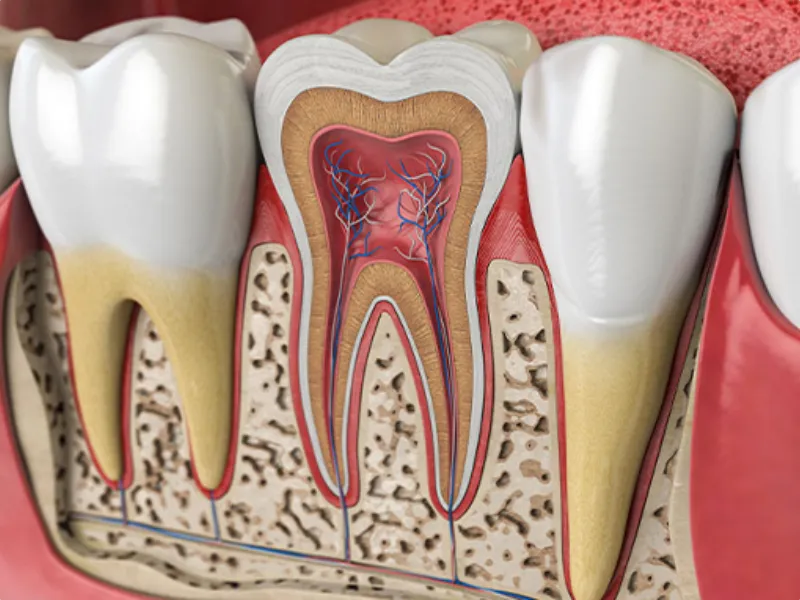
The tooth structure consists of several layers:
- Enamel: the hard outer layer of the tooth that protects it from external factors.
- dentin: the middle layer that contains microscopic tubes (dentin tubules).
- Tooth pulp: the central part that contains nerves and blood vessels.
When the tooth enamel is damaged or the gums decay and the dentin is exposed, thermal stimuli are quickly transmitted through the tubules to the nerve and cause pain.


The most important reasons for teeth sensitivity to temperature changes
-
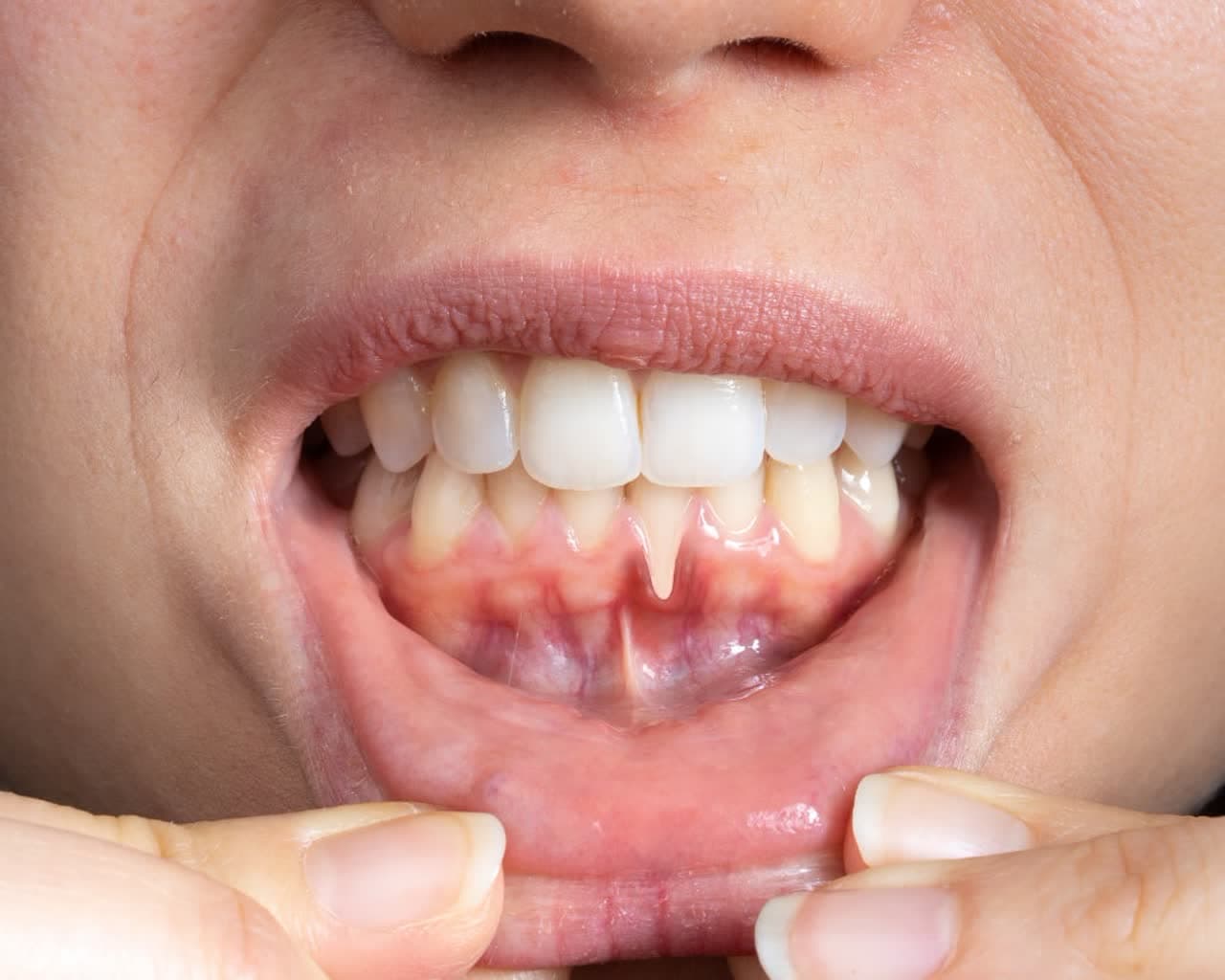
Gingival analysis
With receding gums, the root of the tooth, which does not have a protective layer of enamel, is directly exposed. This condition is usually caused by gum disease or improper brushing.
-
Tooth decay
The holes created in the enamel cause the tooth dentin to be exposed to external stimuli more quickly.
-
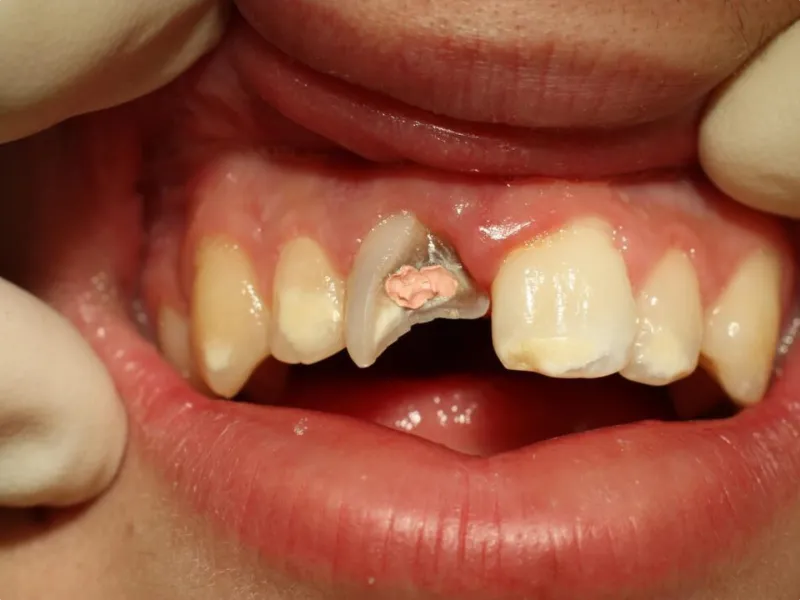
Fracture or hairline cracks of the tooth
Minor cracks that are sometimes invisible to the eye can shorten the path of heat transfer to the nerve.

-
Tooth enamel wear
Excessive use of rough toothbrushes or abrasive toothpastes, and even teeth grinding, causes enamel erosion and dentine exposure.
-
Recent dental treatments
Restorations, bleaching or even deep gum treatments can cause temporary sensitivity.
-
Root exposure to the oral environment
This condition is more common especially after gum surgery or implant treatments, if the post-operative care is not done properly.
How is tooth sensitivity diagnosed?
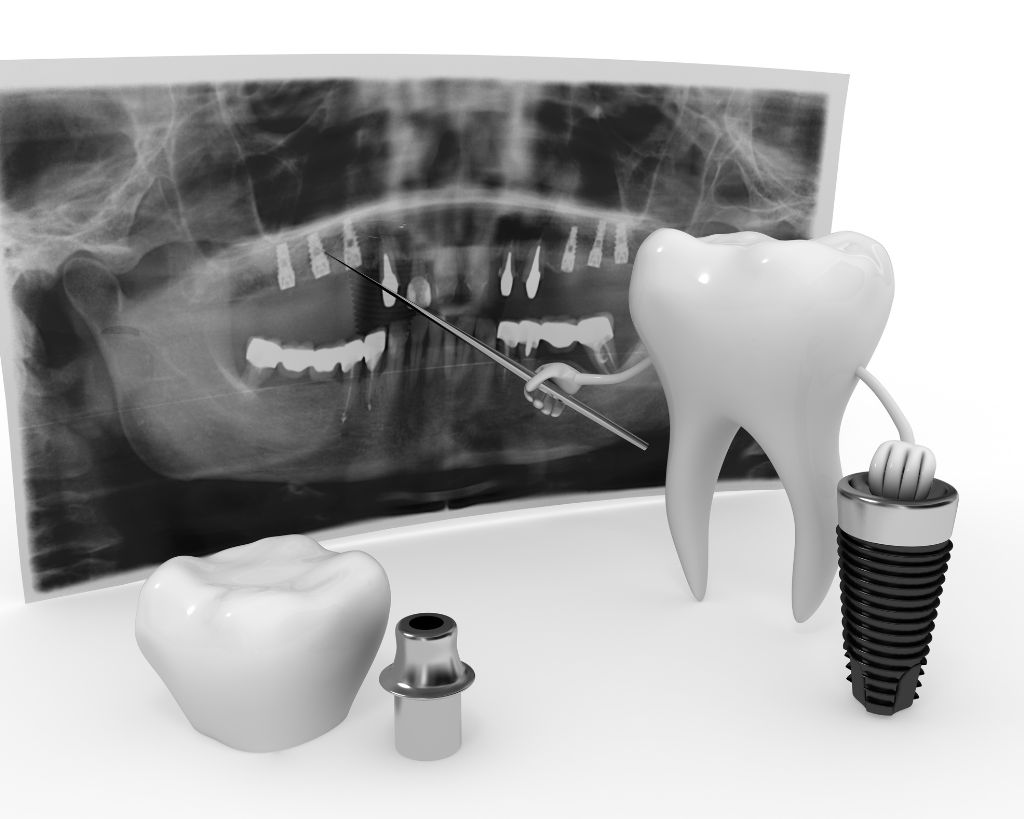
After the clinical examination, the dentist usually uses tools to test the reaction of the tooth to cold or heat. In some cases, X-rays (radiography) are needed to check for decay or bone loss.Solutions to treat tooth sensitivity
-
Home treatment and care
- Using antiallergic toothpaste containing potassium nitrate or strontium chloride
- brushing with a soft brush and gentle movements
- Avoid eating overly acidic foods (soda, lemon juice, pickles)
-
Dental treatments
- Fluoride therapy to strengthen tooth enamel and reduce the transmission of stimuli
- Bonding or resin coating for damaged parts of the dentin
- Gingival grafting in cases of severe erosion to cover the exposed root
- Root treatment (nerve removal) in cases of severe and uncontrollable sensitivity
The role of dental implants in sensitivity
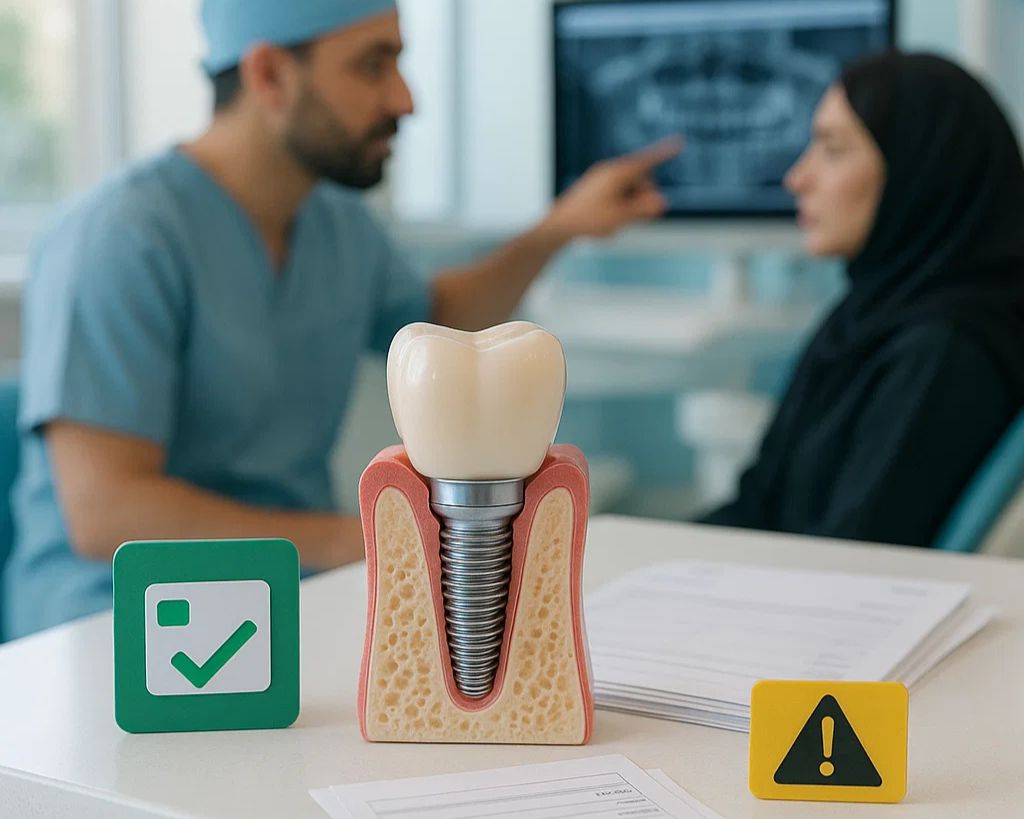
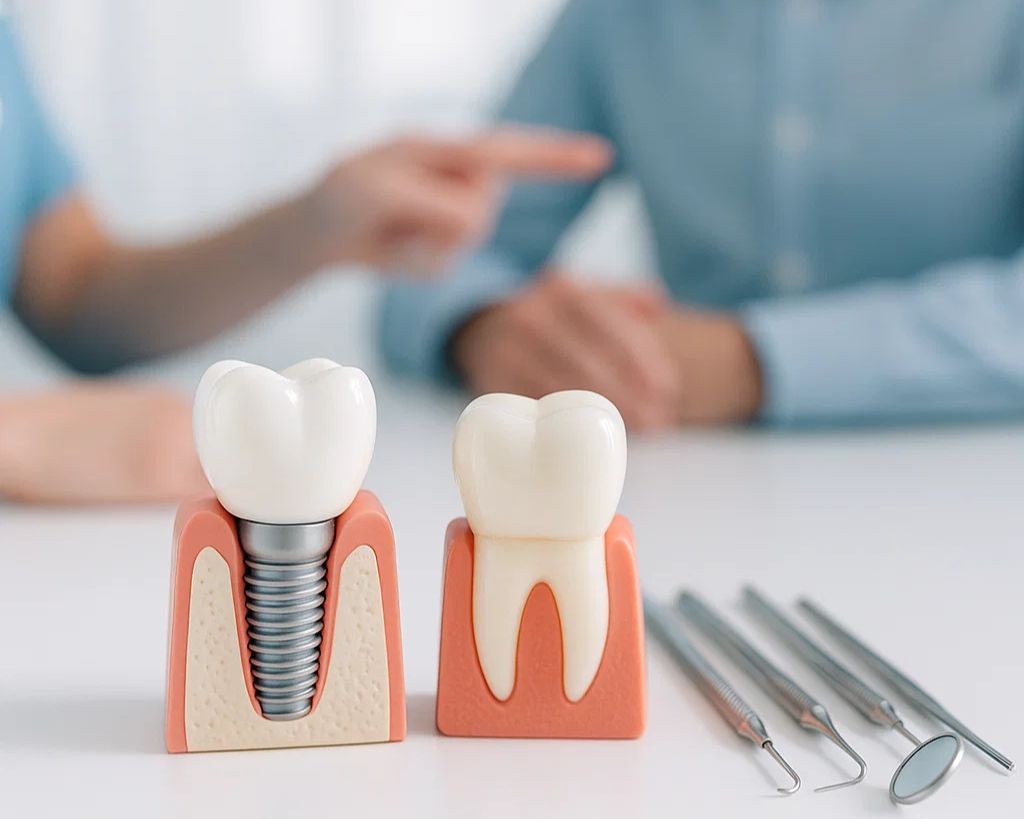
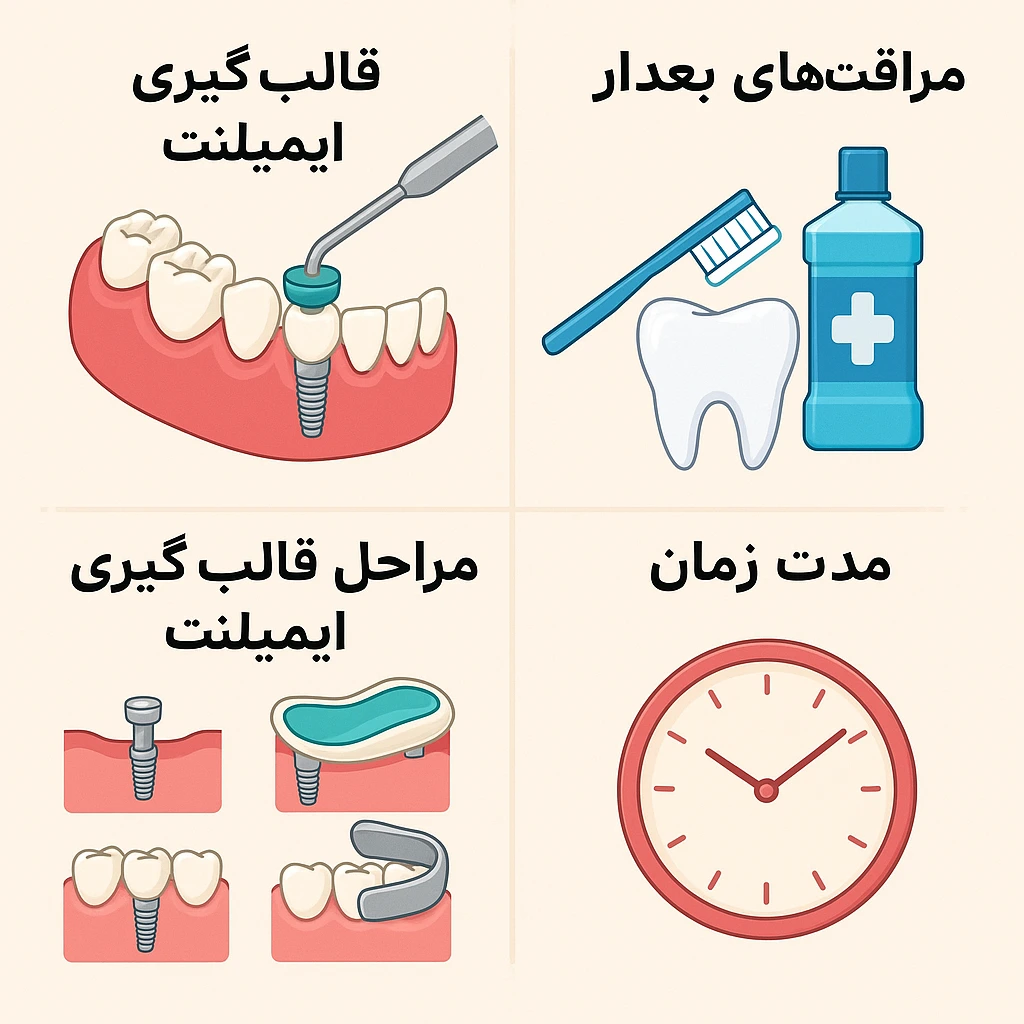
Although the implant itself does not cause nerve sensitivity like a natural tooth (because it has no nerve), the tissues around it, including the gum and bone, can be irritated. Observance of care tips can prevent sensitivity after implant. Getting to know the methods of [preventing sensitivity after dental implants] can help patients to adapt to this treatment more easily.
Tips to prevent tooth sensitivity to temperature changes
- maintain oral hygiene with a soft toothbrush and daily floss
- Regular use of mouthwashes containing fluoride
- Periodic visits to the dentist for scaling and checking the health of the gums
- Avoid opening bottles or breaking hard materials with teeth
- reducing the consumption of very cold or hot foods in a row
When should you see a dentist?
- Severe or prolonged pain
- sensitivity with bleeding gums or swelling
- Change in color or stain on the teeth
- Persistent sensitivity after dental treatments

Summary
Sensitivity of teeth to temperature changes can be caused by enamel damage, gingivitis, tooth decay or cracks. By observing proper hygiene, using anti-allergic toothpaste and visiting the dentist regularly, this problem can be controlled or prevented. Also, in treatments such as implants, observing the care tips and getting to know the strategies to prevent sensitivity after dental implants plays an important role in maintaining the patient's health and comfort.
Rate this post Last update on 2 Azar 1404Root canal surgery; Treatment to save teeth and stop deep infections
Read the article >>Broken Tooth Surgery: All About Repairing, Procedures, and Keeping Your Tooth
Read the article >>implanted tooth surgery; From diagnosis to specialized treatment
Read the article >>Does wisdom tooth surgery hurt? The fact that patients are not told!
Read the article >>Wisdom tooth surgery Full guide + price 1404
Read the article >>What is dental surgery? Types, steps, care and costs
Read the article >> 0 0 votes Scoring the article Subscribe to 0 comments the oldest the most recent The most votes Feedback (Feedback) inline View all comments