علت سردی پاها از زانو به پایین چیست؟ Do you suffer from constant cold feet (from the knees down)? Feeling cold in the feet is common, but persistent coldness may warrant attention. In this article, we will discuss the potential reasons behind this phenomenon and the types of doctors related to it.
Poor circulation and peripheral artery disease
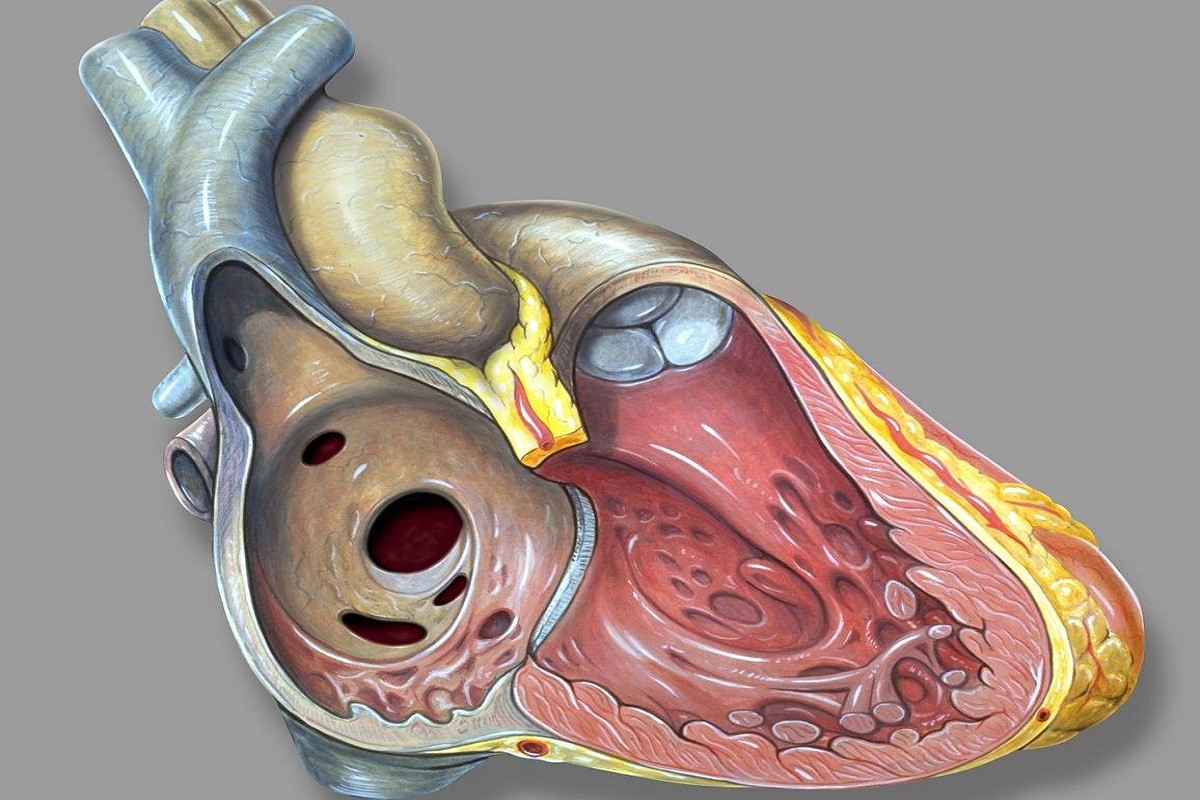
Decreased blood flow to the lower legs can lead to a feeling of coldness. Conditions such as peripheral artery disease (PAD) or blood vessel disorders may contribute to chronic coldness, numbness, or tingling in your lower extremities. PAD is caused by a buildup of fatty deposits in the arteries (atherosclerosis), which restricts blood flow to the lower extremities. As a result, the affected organs cannot receive enough blood. If your arteries are closed, you should from Use the strongest vasodilator for treatment.
Other signs and symptoms of PAD include pain or stiffness in the legs when walking (limping), hair loss on the legs, weak pulses in the legs, and slow-healing sores. Risk factors for PAD include family history, high blood pressure, high cholesterol, smoking, obesity, diabetes, and advancing age.
The cause of cold feet from the knees down due to stress
As you know, stress is an inseparable factor in our lives, which has increased today due to the wrong lifestyle. Sometimes a lot of stress makes your hands and feet cold. When a person is stressed, the brain tries to supply more blood to the more important organs, that's why you feel cold in your legs from the knees down and in your hands. One of the drugs that is usually recommended for stress control is Pranol 10. Of course, we do not recommend the per capita consumption of any medicine.
Neurological problems and peripheral neuropathy
Disturbance in nerve function can also cause feeling cold. Conditions such as peripheral neuropathy (PN) can affect nerve function in the legs. Symptoms of PN can include shooting, burning, or tingling along with cold feet. PN is caused by damage to peripheral nerves. These nerves send signals from the central nervous system to the rest of your body. PN is often the result of diabetes (diabetic neuropathy), traumatic injury, exposure to toxins, autoimmune diseases, hereditary disorders, liver disease, and kidney disease.
Other signs and symptoms of PN include:
- Muscle weakness
- Lack of coordination
- Increasing sensitivity to touch and feeling of wearing socks (when you are not wearing them).
Other potential causes of cold feet from the knees down
Musculoskeletal factors:
Structural problems such as nerve compression or joint problems may contribute to coldness in the legs.
Hormonal imbalance:
Diseases that affect hormones (such as hypothyroidism) can also affect blood circulation and cause cold limbs.

Which doctor should we visit for cold feet?
General practitioner:
It is better to see a general practitioner first; Because he can check your symptoms, perform preliminary tests and refer you to a specialist if needed.
Vascular specialist:
If poor blood circulation is suspected, a vascular specialist (vascular surgeon or cardiologist) can perform tests such as ankle-brachial index (ABI) to evaluate blood flow and recommend appropriate treatment.
Neurologist:
For nerve-related issues, a neurologist can perform nerve conduction studies and other tests to identify and manage potential problems.
Orthopedic:
If musculoskeletal problems are suspected, an orthopedic specialist can evaluate joint and structural problems in the feet.
Specialist Endocrine: If the problem is a hormonal imbalance, an endocrinologist can evaluate and manage conditions such as thyroid disorders.
Why are my feet always cold?
Question:
My feet are always cold, especially when I go to bed. Could there be a problem with my circulation?
Answer:
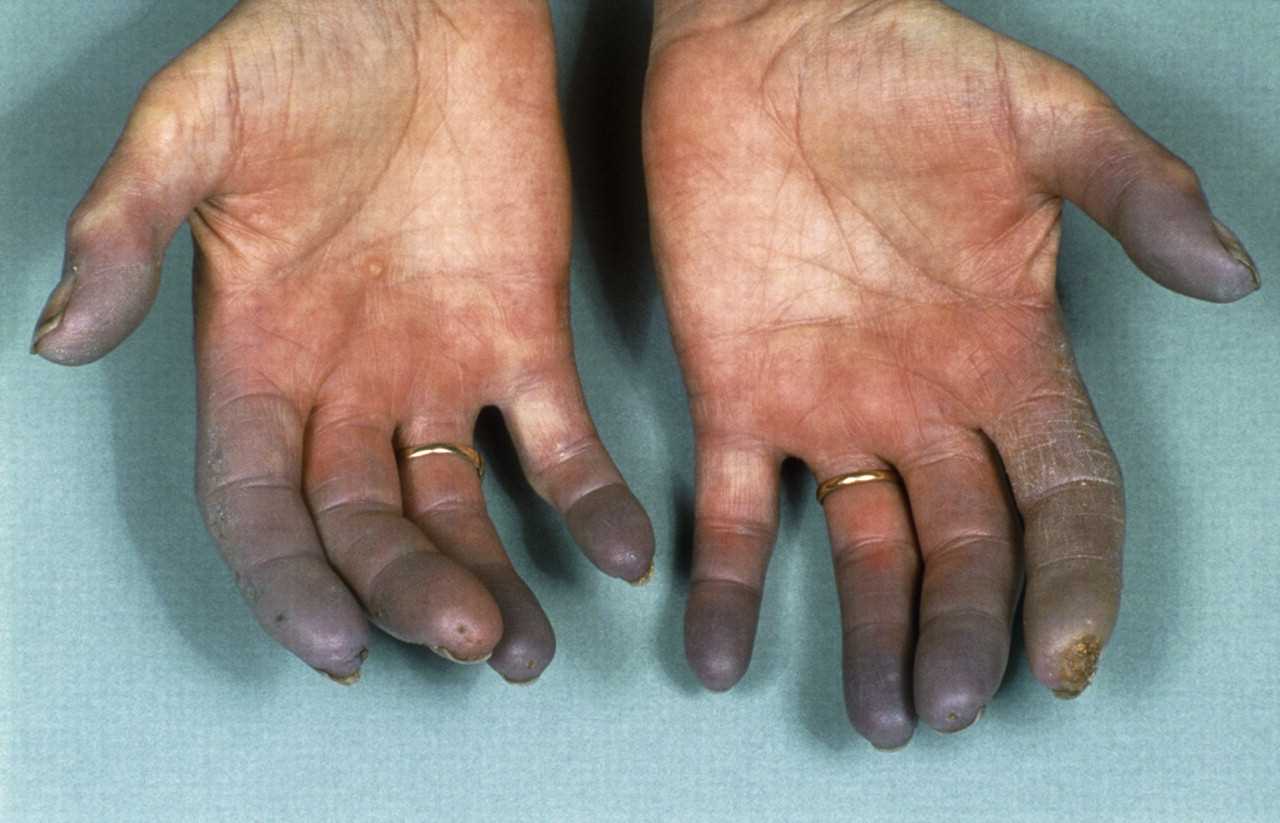
Many people have cold hands and feet. Some research suggests that this is a hereditary trait. When the body's core temperature drops, the small blood vessels in the hands and feet constrict. This shunts blood away from these organs to keep the internal organs warm. People with less body fat (and therefore less insulation) may suffer more. In Raynaud's syndrome, small blood vessels overreact to cold temperatures. This may cause the feet to feel cold and appear blue and then white. In response to hot temperatures, the feet turn red.
The main medical problems that cause cold feet are reduced blood circulation in the extremities and nerve damage known as neuropathy. One of the causes of decreased blood circulation is arteriosclerosis href="https://drhsnajafi.com/15297/%d8%aa%d8%b5%d9%84%d8%a8-%d8%b4%d8%b1%d8%a7%db%8c%db%8c%d9% 86-%da%86%d9%87-%d8%b9%d9%84%d8%a7%d8%a6%d9%85%db%8c-%d8%af%d8%a7%d8%b1%d8%af%d8%9f.html">Symptoms Arteriosclerosis (arteriosclerosis) in which the arteries are narrowed by fatty deposits and prevent blood flow in the organs. As a result, your legs may appear blue or purple when you are sitting and pale or white when you are lying down. You may feel pain in your lower leg when you walk. Your doctor can usually diagnose this condition (peripheral artery disease) by checking the pulses in the soles of your feet and legs.
Nerve damage can also cause cold feet. In this case, the person feels cold because the nerves that detect temperature do not work properly. The legs do not feel cold to the touch, but they may feel tingling or numb.
Source:

He is a specialist in cardiology and angiography and angioplasty fellowship. His other specialties include: blood pressure treatment, varicose vein treatment, Holter heart monitoring, etc.