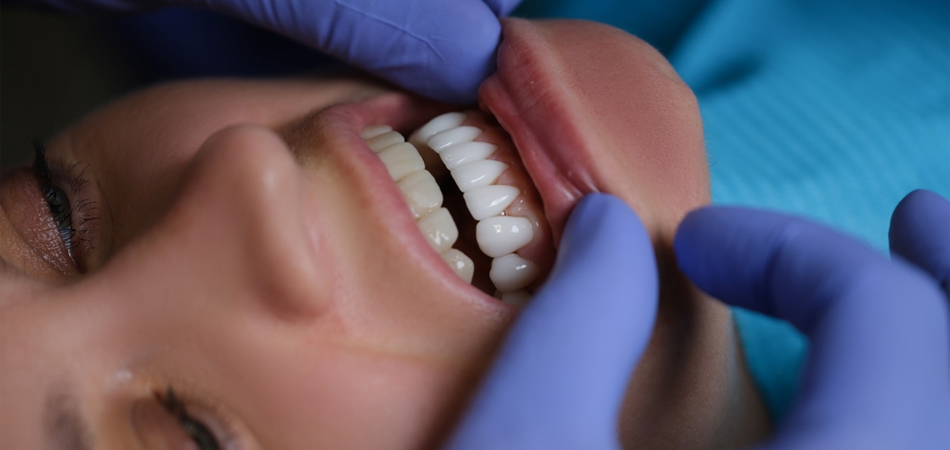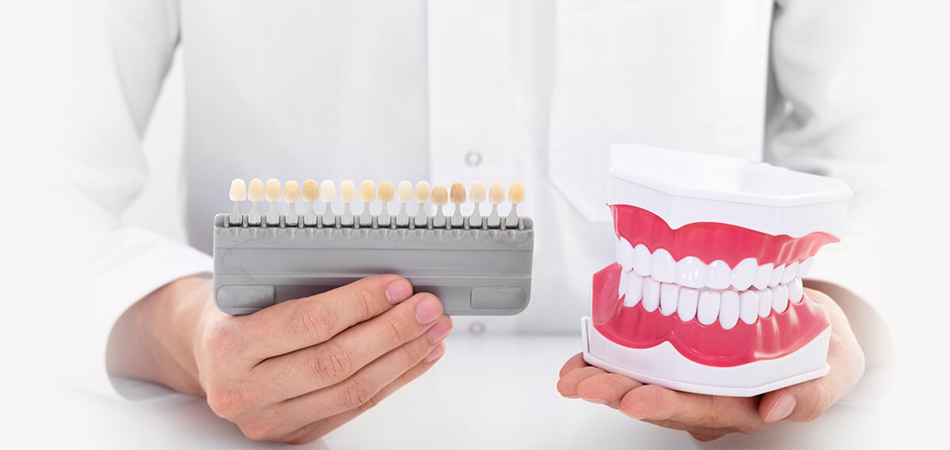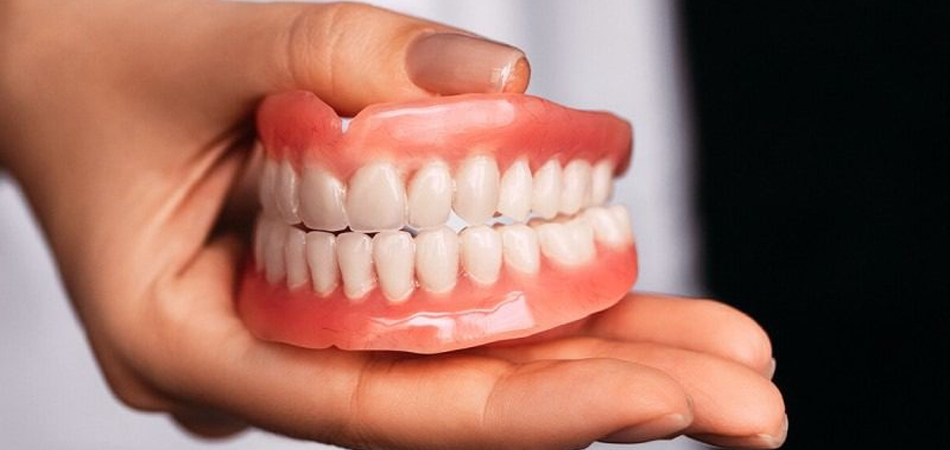

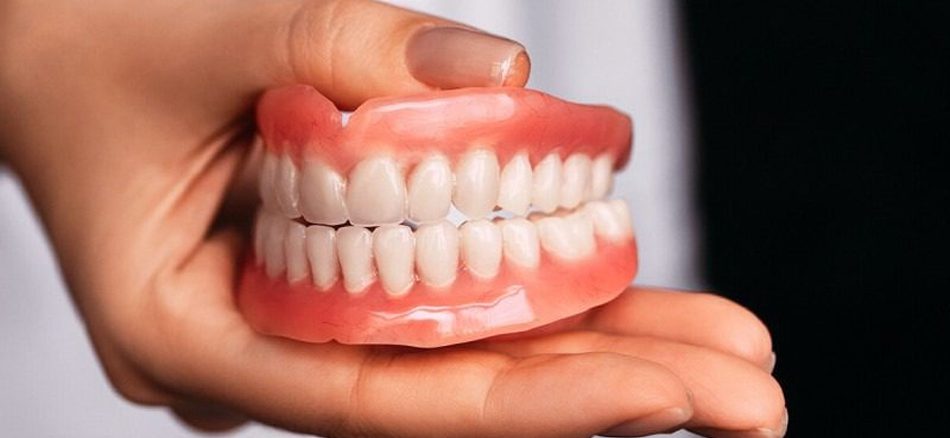
از دست دادن یک یا چند دندان فقط روی لبخند تاثیر نمیگذارد؛ Many times it affects eating, pronunciation and even self-confidence. Fortunately, today there are solutions that can replace a lost tooth without surgery and without an implant. In the dental implantation method without implants, tools such as bridges, prostheses or flippers are used to restore the appearance, function and comfort of the mouth to a large extent. If you're looking for a less invasive, faster, or more affordable method, these options can be safe choices. In the following, we will examine the types of methods, advantages, limitations, and tips that you should know before making a decision, so that you can calmly make the best decision for your own circumstances.
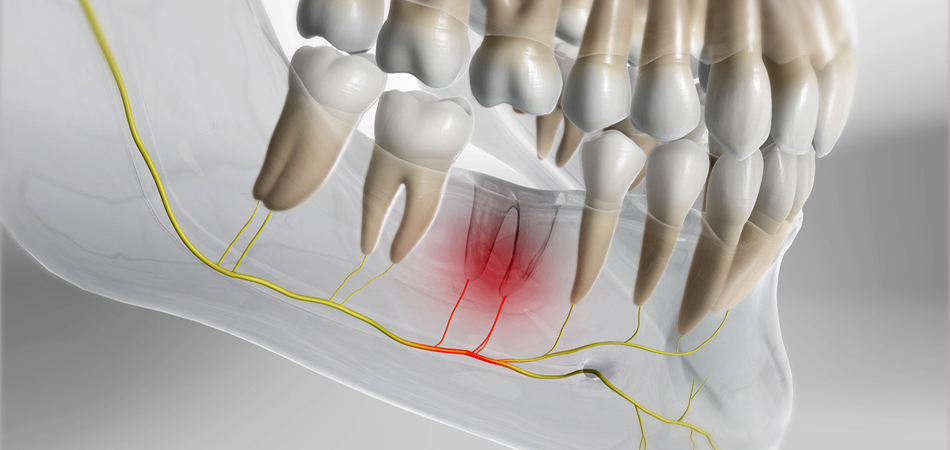
This method is called a series of treatments that replace the lost tooth without jaw surgery and without placing a titanium base. In these procedures, the replacement tooth is attached to the side teeth, gums or a light structure and significantly restores the appearance and function of the mouth. Options such as dental bridges, full or partial dentures, and flippers are selected depending on the number of missing teeth, gum condition, and aesthetic preferences. These methods are suitable for people who either do not have the possibility of surgery or who would like to experience faster and simpler treatment.
Types What is the method of implanting teeth without implants?
In the absence of a dental implant, there are several safe methods that can fill the void and restore the natural appearance of the smile. The choice between these methods depends on the number of missing teeth, gum health, bone condition and the opinion of a cosmetic dentist The most common options include dental bridges, various dental prostheses, and flippers, each of which has a different structure, cost, and lifespan.
1- Dental bridge implant (natural tooth implant)
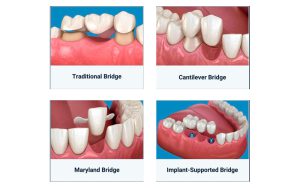
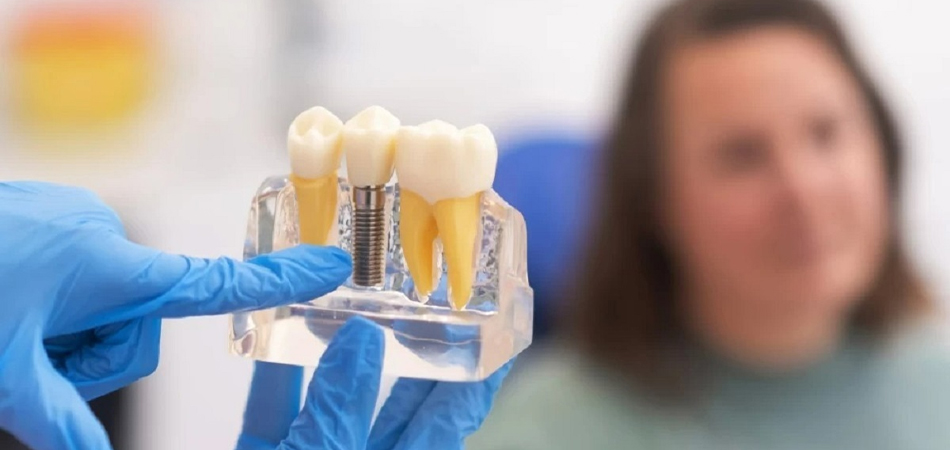
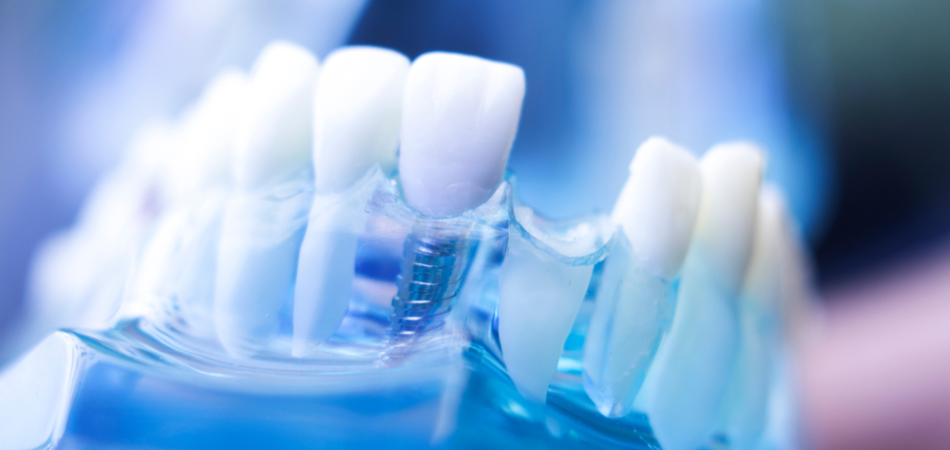
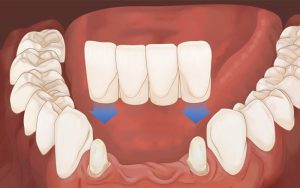
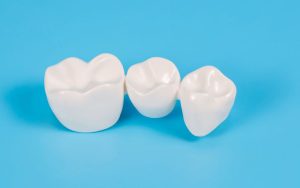
Bridge is one of the oldest and yet most popular tooth replacement methods. In this method, the middle artificial tooth (pontic) is connected to the two side teeth to fill the empty space without the need for surgery. dental bridge is suitable for replacing one or more adjacent teeth, especially if the side teeth are healthy and have strong roots.
Traditional Bridge
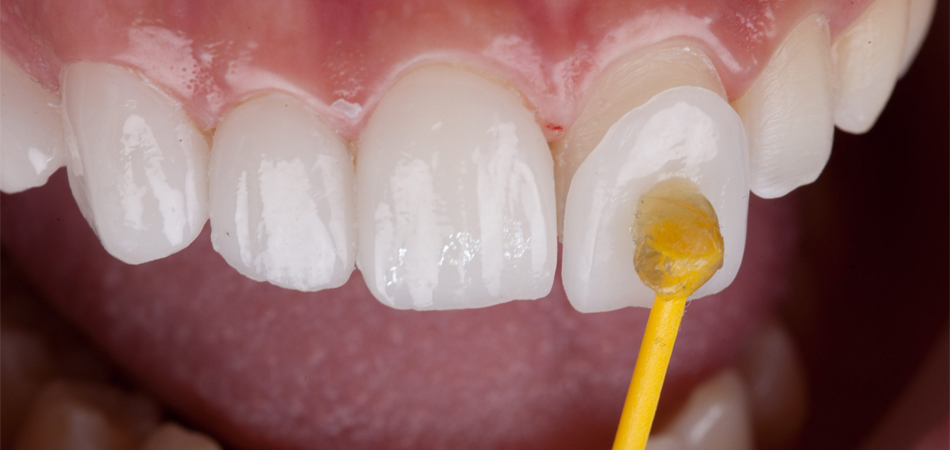
In this model, the side teeth are trimmed and a full cover is placed on them. The pontic is attached to these veneers, creating a solid bridge. This type of bridge has the strongest strength and is considered a good choice for the back areas of the mouth where chewing pressure is high.
Cantilever Bridge
If there is a healthy tooth on only one side of the empty space, this type of bridge is used. The pontic is attached to only one lateral tooth. This method is more suitable for front teeth that bear less pressure and in certain cases by or any other city.
Maryland Bridge
In this method, instead of grinding the side teeth, a metal or ceramic fin is attached behind the teeth and the pontic is placed between the two fins. This type is less invasive and is usually considered a good option for front teeth, especially in front teeth implants.
2- artificial tooth prosthesis
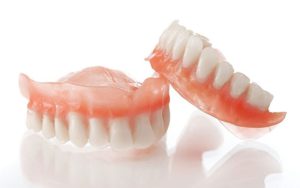
Prostheses are one of the most affordable and practical ways to replace several teeth or even all teeth. These prostheses are placed on the gums and provide the basic function of eating and speaking without the need for surgery.
Complete dental prosthesis
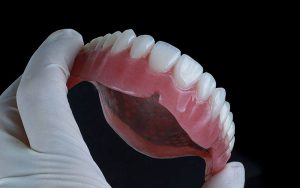
For people who have lost all the teeth in one or both jaws, full dentures are suitable. These prostheses are placed on the gums and after a short period of getting used to them, they can create an acceptable appearance and function. Many patients choose this method because it costs much less than implants and is prepared in a short time.
Partial or partial prosthesis
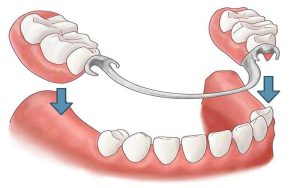
For those who have lost only a few teeth, partial dentures are a more suitable option. These prostheses are attached to the remaining teeth with a light metal or acrylic base and fill the space between them. In terms of price, it is more economical than Brij, but its stability is not as good as Brij.
3- tooth flipper
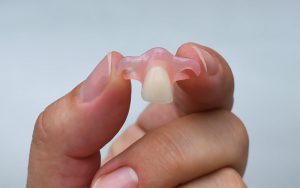
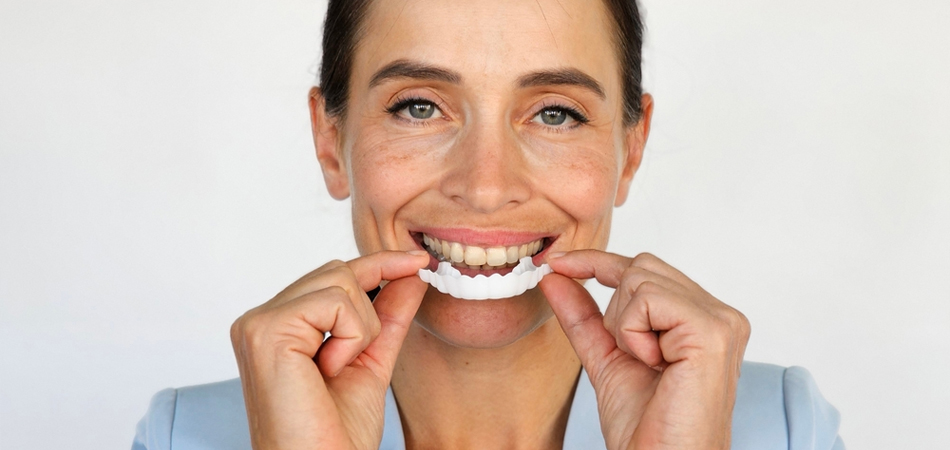
Flipper is a light and single-tooth prosthesis that is mostly used to temporarily fill teeth. This prosthesis is made of light resin, and a small artificial tooth is placed on it, which rests on the gums or side teeth with delicate clamps. Flippers are usually used when the patient is not yet ready for an implant, or needs a quick fix for the front area where appearance is important.
Manufacturing and installation process
First, a mold is made of the mouth, and then the flipper is custom made in the laboratory. It is usually ready within a few days. The flipper attaches to the gums and side teeth with a small clip or a light structure, making it easier to eat and speak.
Advantages and disadvantages of dental flipper
| Advantages | Disadvantages |
|---|---|
| Very low cost | Low durability and temporaryness |
| Fast build and multi-day prep | Possibility of breaking due to light weight |
| Suitable for implant waiting periods | Requires daily cleaning |
| Low weight and high comfort | Less stable than prostheses or bridges |
| Interchangeable and adjustable | Possibility of causing sensitivity in the first days |
method What is new about dental implants without implants?
In recent years, more advanced dental materials and minimally invasive techniques have made non-surgical procedures easier and more natural than before. One of the new approaches is the use of wide uncut bridges and light resin prostheses, which are installed with the help of stronger dental adhesives and put less pressure on the side teeth. These methods have found high use especially for front tooth implant implantation where the appearance of the smile is more important. In addition, more resistant flippers and three-dimensional CAD/CAM designs have made the result of the treatment more precise, more delicate and according to the anatomy of each person's mouth.
What are the advantages of dental implants without implants?
To replace teeth without surgery is a more comfortable, faster and more economical experience for many patients. These methods usually do not require a recovery period and are less expensive than implants. They are safer choices for people with poor bone health or conditions such as uncontrolled diabetes. Also, in cases where a person is looking for a temporary solution until immediate dental implant, a bridge or flipper can be an ideal option. be.
| Advantages of dental bridge | Benefits of dentures |
|---|---|
| More stability when chewing | Suitable for missing a few teeth or the entire jaw |
| Natural appearance especially in all-ceramic bridges | Lower cost than other methods |
| No need to remove from the mouth | Fast build and short time preparation |
| Suitable for front and rear areas | Adjustable and easy to repair |
| Feels more natural when speaking | It is a good choice for people with sensitive gums |
Although these methods have many advantages, none of them are perfect. Each method has its own limitations and the final choice should be made by examining the conditions of the mouth, gums and patient's preferences. In general, the dental bridge is dependent on the side teeth, and prostheses are less stable than implants. These points are the main reason why a detailed evaluation by a cosmetic dentist is important before making a decision.
Disadvantages of dental bridge
Despite its natural appearance and good strength, the bridge depends on the adjacent teeth and may put pressure on them in the long run.
| Advantages of dental bridge | Disadvantages of dental bridge |
|---|---|
| proper stability and natural appearance | need to sharpen side teeth |
| No need for surgery | Possible sub-Pontic food |
| Fast manufacturing (2 to 4 weeks) | Possibility of reducing the life of primary teeth |
| Suitable for one or two missing teeth | Shorter life compared to the life of a dental implant |
| Good choice for front and back teeth | Possibility of needing replacement every 5 to 15 years |
Disadvantages of fixed dentures without implants
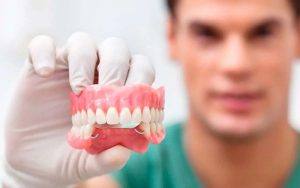
Fixed dentures are usually a quick and inexpensive choice, but over time they may need to be repaired or replaced. Because they are not attached to the jawbone like implants, they are less stable during hard chewing and may move a little during the day. Also, some patients feel an increase in volume or unfamiliarity in the mouth during the first weeks, which usually decreases with time. The durability of this method is acceptable if properly cared for, but it cannot last as long as the implant.
| Advantages of fixed prosthesis without implants | Disadvantages of fixed dentures without implants |
|---|---|
| Lower cost | Possibility of loosening or displacement |
| No surgery and no pain | Requires daily care and cleaning |
| Short treatment duration | Relatively natural looking but not as good as an implant |
| Suitable for people with osteoporosis | Less durable than other methods |
| Manufacturing capability for multiple teeth or the entire jaw | The possibility of ulceration on the gums in the first days |
Who can use dental implants without implants?
People who are looking for a minimally invasive, affordable and fast way to replace their teeth are usually the best option to use implant-free methods. Patients who are unable to undergo surgery due to physical problems or medical conditions, those with extensive bone loss, those seeking a temporary pre-implant solution, or those afraid of anesthesia and jaw surgery usually do well with a bridge, prosthesis, or flipper. These methods are a suitable and non-invasive choice for teenagers whose jaw growth is not complete.
For which people are teeth without implants suitable?
Although these methods can be used for many patients, they are not recommended for everyone. People who have lost multiple teeth in a row and require high chewing strength, or who are looking for a long-term and stable replacement, are usually not good candidates for bridges or light dentures. Also, patients whose side teeth are weak or decayed cannot receive a traditional bridge. In cases where a very natural appearance and function similar to a real tooth is more important, the implant is still the main option.
Are teeth restricted for diabetics?
Uncontrolled diabetes can complicate the dental treatment process, but in many cases, dental implants without implants are completely suitable and low-risk for diabetics. Because these procedures are performed without surgery, the risk of infection, bleeding, and delayed wound healing is much lower. People with controlled diabetes can usually use a bridge or prosthesis without restriction. The only important point is to observe oral hygiene and perform regular check-ups to prevent gingivitis.
The cost of non-implant methods varies depending on the type of treatment, the type of material, the number of missing teeth and the complexity of the work. However, the price of this method will be more reasonable than dental implant price. In general, bridges and prostheses have a lower cost and faster treatment than implants. The following table shows the common price ranges of these methods:
| method type | Approximate cost |
|---|---|
| dental bridge | Each unit between 2 and 3 million Tomans |
| Complete denture (jelly prosthesis) | Each jaw is about 10 million Tomans |
| Half hand of tooth | About 6 million Tomans |
| Partial prosthesis (incomplete) | For each tooth up to 4, between 1 and 2 million Tomans |
| Flipper (any additional teeth) | About 300 thousand Tomans |
In the table below, the main differences between implants and non-implant methods are summarized and compared:
| Features | Implant | Bridge | Complete/partial prosthesis | flipper |
|---|---|---|---|---|
| Need surgery | Yes | No | No | No |
| Duration of treatment | Long (3-6 months) | Short (2-4 weeks) | Short (2-8 weeks) | Very short (few days) |
| cost | up | Average | low | very little |
| Natural appearance | Very natural | Natural | Relatively natural | Relatively natural |
| Stability and durability | Very high (lifetime with care) | Medium (5-15 years) | low (5-7 years) | Temporary (1-3 years) |
| Care and Health | Similar to natural teeth | Needs cleaning under the pontic | need to leave the mouth and rinse | Simple care but sensitive to breakage |
| Recovery period | Long | a few days to a week | A few weeks to get used to it | a few days |
| resistance to bone resorption | Yes | No | No | No |
Conclusion
In conclusion, dental implants without implants can be a very acceptable option for many people who are looking for a faster, less expensive and non-surgical way to replace missing teeth. Each method—from bridges to full dentures, partials, or flippers—has its own capabilities and limitations, and the right choice occurs when the patient's functional needs, oral condition, budget, and aesthetic taste are considered simultaneously. Knowing the differences and benefits allows the patient to make a more intelligent choice and ultimately receive a result that is satisfactory both in terms of appearance and performance. If you are still hesitating between the methods, the best way is to consult a specialist dentist to suggest the most suitable option based on your individual conditions.
Frequently asked questions1. What is the best method of tooth implantation?
If surgery is possible and the bone conditions are suitable, dental implants are the best and most permanent option. But for people who are looking for a faster or less expensive method, a bridge or prosthesis can be a good alternative.
2. Is dental implant without implant permanent?
Usually these methods are not permanent and depending on the type of treatment, they last between a few years and about 10 years. For a longer lasting result, an implant is a safer choice.
3. What is the difference between dental implants without implants and implants?
The implant is fixed within the bone and has higher resistance, while implant-free methods rely on the tooth or gum. For this reason, the longevity and strength of the implant is greater.
4. Are dental implants without implants as resistant as implants?
The appearance of these methods is usually natural, but they do not reach the implant in terms of strength and longevity. However, it is considered a suitable and affordable option for many people.
5. Does dental implantation without implants hurt?
Because no surgery is performed, the pain is minimal and usually manageable. Only a little sensitivity or pressure may be experienced in the first days.
6. What is an implant alternative?
Bridges, partial dentures and flippers are some of the most common alternatives. Adhesive bridges (such as Maryland) are also a light and less invasive option.
7. At what age can dental implants be performed without implants in children?
Usually, these methods are recommended from around 12 years of age and depending on bone growth. For younger people, temporary treatments like flipper are more suitable.
8. What are the advantages of implantation techniques without implants?
Implant alternative methods usually have a shorter treatment time, require less cost, and are safer choices for people who do not have surgical conditions.
9. Can dental implants be done with glue?
Yes, in some cases "flippers" or temporary prostheses that are fixed with special dental glue are used. This method is not permanent, but it is used to temporarily cover the empty space, increase the beauty of the smile, and when the patient is not yet ready for the main treatment.
10. Is a dental bridge better than an implant?
For some patients yes, especially when there is not enough bone or the person does not want surgery. But it should be noted that the implant has a much higher durability and prevents bone loss. The choice between these two completely depends on the condition of the patient's mouth and teeth.
11. What are the advantages of a dental bridge?
The bridge quickly fills the empty space, creates a natural appearance and does not require surgery. The treatment time is short and the cost is lower than the implant. It can be a safe choice for patients who have a few healthy side teeth.
12. What are the advantages of dentures?
Full or partial dentures are more affordable, faster to make, and are the most suitable option for people who have lost a large number of teeth. These prostheses can be repaired and replaced easily and are installed without surgery.
13. Which method of implanting teeth without implants is cheaper?
Typically, flipper and partial dentures are the least expensive options. Full dentures are also less expensive than bridges and other methods. The final choice depends on the number of missing teeth and the patient's needs.
14. Is the bridge more expensive or the implant?
Implants are much more expensive than bridges because they involve surgery, specialized parts, and a longer treatment period. Bridge is a more economical method and is more financially manageable for many patients.
15. If I have lost more than 3 teeth, can I use dental implants without implants?
Yes, usually full dentures, partial dentures or larger bridges are suitable for these people. When the number of missing teeth is large, non-implant methods can restore the smile at a lower cost and without the need for surgery.