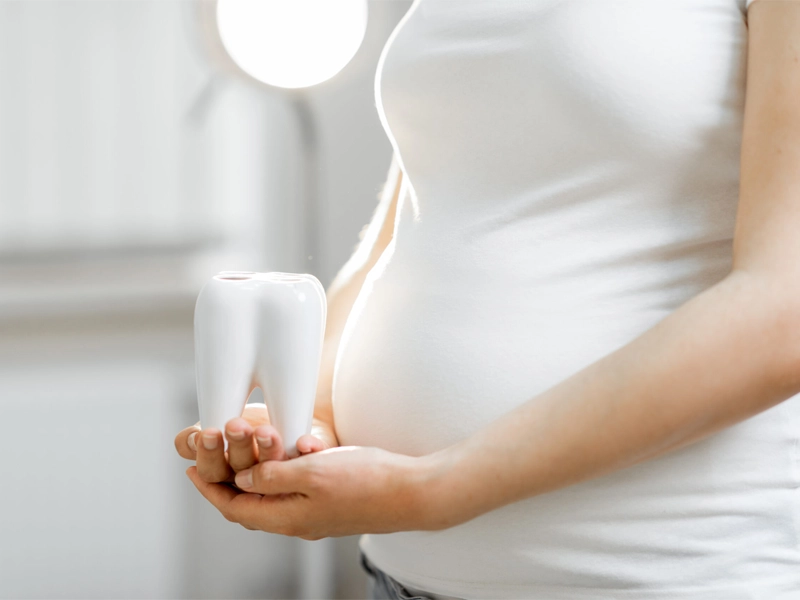

ایمپلنت دندان در بارداری یکی از سوالات پرتکرار و دغدغه برانگیز بین زنان باردار است؛ They want to know if it is safe to do it at this time or is it better to wait until after delivery?
The truth is that implant implantation is usually not recommended during pregnancy, but in certain cases, it is possible to make the right decision by observing safety principles and under the supervision of implant specialist doctors such as Dr. Shahriar Janani and his colleagues at the clinic.
In the following, we will scientifically and simply examine why this issue is important and when is the best time to do the implant. Stay with us until the end.

The first question; Can it be implanted during pregnancy?
One of the questions that arise among some pregnant mothers is whether dental implants are allowed during pregnancy or not? The short answer is that implants are usually not recommended during pregnancy.
The main reason for this issue is the high sensitivity of the body during this period and the direct effect of any treatment on the health of the mother and the fetus.
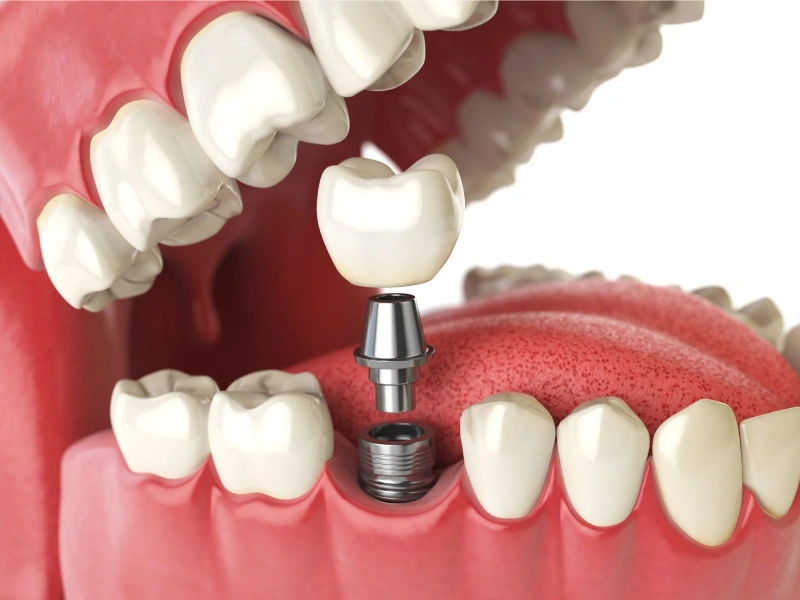
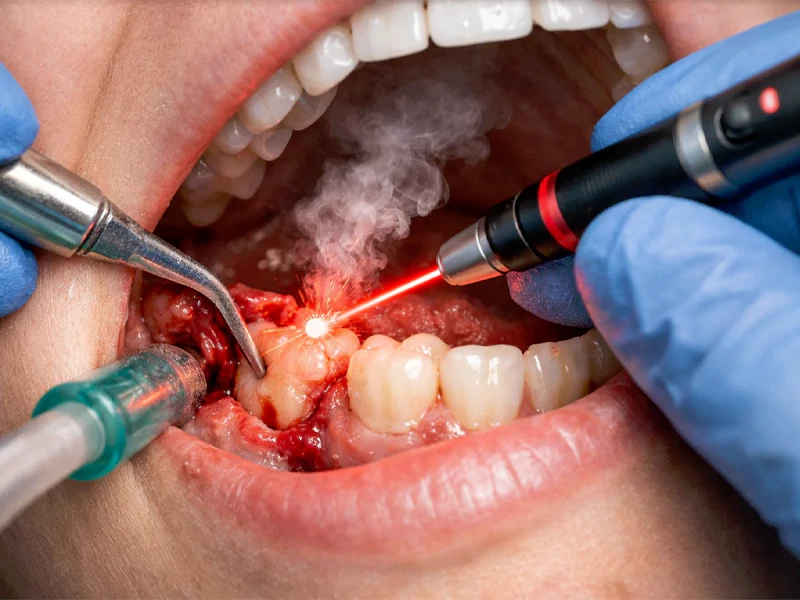
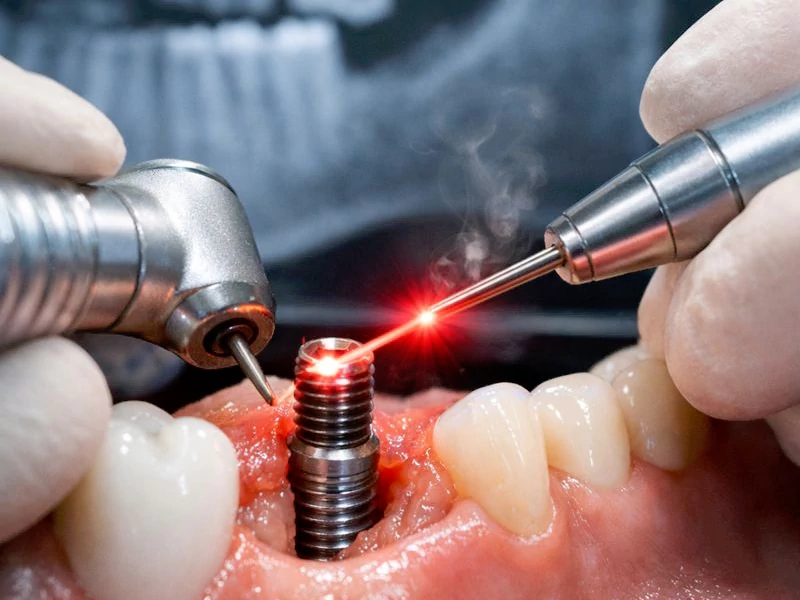
The implant implantation process includes surgery, anesthesia, radiology imaging, and sometimes the use of antibiotics and strong painkillers; Because these cases require caution and proper conditions, and pregnancy itself is highly sensitive, dentists do not recommend dental implants during this period.
Although in some emergency situations, the doctor may determine that Dental implant is necessary, but in most cases it is postponed until after delivery.
Why is dental implant dangerous in pregnancy?
During pregnancy, women's bodies undergo significant hormonal and physiological changes. These changes can affect the immune system, blood circulation and even the reaction of the gums. Since the implant process involves surgery in the gum and jaw bone area, problems may arise in the surgical process for the patient and cause physical and mental stress for the mother.
On the other hand, performing radiographs to check the condition of the bone and the position of the implant in the first trimester of pregnancy can be dangerous for the fetus and the mother, and doctors usually avoid it.
Also, the use of some drugs such as antibiotics or painkillers during pregnancy is limited and may be harmful to the fetus. For this reason, even if the implant is technically possible, doing it in this era is not recommended at all.

What are the risks and side effects of dental implants in pregnant women?
| Type of risk | Explanation | Severity of effect |
|---|---|---|
| Surgical site infection | Immune system in pregnancy It is weaker and the possibility of infection increases after surgery. | Moderate to high |
| Effect of drugs on the fetus | Use of antibiotics or special anesthetic drugs can affect the development of the fetus. | High |
| Stress and physical pressure | Surgery and General dental work is scary for some people and can cause anxiety and high blood pressure, which is not suitable for pregnancy. | Moderate |
| Intolerance of the surgical position | Long sitting in the dental chair during the last months of pregnancy may cause dizziness and low blood pressure. | Low to moderate |
| Chance of rejection. Implant | Due to hormonal changes and decreased bone density, the possibility of implant failure is higher. | Moderate to high |
Factors that cause dental implants to fail during pregnancy
The following factors do not allow the implant to be effective during pregnancy:
1. Hormonal changes
Increasing the level of estrogen and progesterone hormones during pregnancy causes inflammation and bleeding gums. This situation cannot prepare the oral environment for the proper fusion of the implant.
2. Reduction of jaw bone density
During pregnancy, the body needs more calcium for fetal growth; As a result, the mother's bone density may decrease in the jaw area. This problem causes the implant to not be completely connected to the bone.
3. Weakness of the immune system
The body's immune system is weaker during pregnancy to prevent rejection of the fetus. As a result, the possibility of infection or inflammation increases after surgery.
4. Stress and anxiety
Implant surgery is a precise and relatively long process. The stress caused by it can have a negative effect on the mental and physiological state of the mother and disrupt the healing process.
5. Medication restriction
Many medications used in implant placement (such as antibiotics, pain relievers, and anesthetics) are not suitable for pregnancy. If the patient cannot take medicine, the treatment process becomes difficult and dangerous.

Read more: Who is the best dental implant specialist in Karaj?
In what circumstances are dental implants recommended during pregnancy?
In general, the implant is postponed during pregnancy, but in certain circumstances, the doctor may decide to do it. This situation is usually when not implanting the tooth is more dangerous than implanting it.
For example, if the missing tooth has caused severe infection or uncontrollable pain and other treatments such as nerve rooting or tooth extraction have not helped, the doctor may need to take immediate action. In such a situation, the implant is usually performed in the second trimester of pregnancy, because this period is physiologically more stable and the risks for the fetus are less.
However, even in this situation, all procedures should be done under the supervision of an implant specialist and gynecologist to ensure the safety of the mother and fetus.
When is the best time for dental implants for women who have a baby?
After pregnancy and childbirth, the body needs time to return to its normal state. Usually, mothers are involved in breastfeeding, hormonal changes and energy recovery in the first months after giving birth. Therefore, doctors recommend that dental implants be done at least 3 to 6 months after giving birth. During this interval, the level of hormones returns to normal, the jaw bone density increases, and the mother's body is more prepared for surgery.
If the mother is breastfeeding, the doctor must carefully choose the type of anesthetic and antibiotic drugs so that their ingredients do not enter the milk and do not cause danger to the baby.
So with that said, the best time to Implant planting is when the mother's body is in a state of balance in terms of nutrition, sleep and general condition. Consultation with an implant specialist before starting the treatment will also lead to a better decision.
Read more: How much does dental implant cost in Karaj?

What happens if someone doesn't know they're pregnant and gets an implant?
Sometimes a person may implant his tooth without knowing about his pregnancy. In such a situation, there is usually no cause for serious concern, but it is necessary to inform the gynecologist and dentist immediately after realizing your pregnancy.
In the early stages of pregnancy, if safe drugs are used and X-rays are not done, usually no harm is done to the fetus. However, if X-rays or certain drugs were used during the treatment, the doctor must evaluate the patient's condition and, if necessary, take supportive measures for the fetus.
In any case, informing the doctor and medical follow-ups are very important to ensure that there is no negative impact on the pregnancy process. Be sure to inform your doctor about everything.
Alternative solutions for dental implant during pregnancy
Instead of dental implants in pregnant women, there are a series of alternative methods that you can use:
1. Use of temporary prosthesis
light movable prostheses or temporary dentures can fill the tooth gap until the end of pregnancy. This method does not require surgery and in terms of safety, there is no danger for the mother and the fetus.
2. Temporary bridge
One It is a non-surgical method that can be a temporary substitute for implants. This treatment preserves the beauty of the smile and facilitates chewing food, without putting pressure on the body.3. Plaque or dental guard
If the extracted tooth is in a hidden area, using a clear plaque can prevent other teeth from moving. This option is mostly used to maintain the order of the mouth and protect the gum tissue.
4. Strict adherence to oral hygiene and nutrition
During pregnancy, maintaining oral and dental health is doubly important. Regular brushing, flossing, alcohol-free mouthwash, and a diet rich in calcium and vitamin D can prevent new problems until the right time for implants.
Read more: Does dental implant hurt?

Dr. Shahriar Janani's experience and opinion in this field
Dr. Shahriar Janani, a dentist and implant specialist, with more than 30 years of experience in treating pregnant patients and young mothers, believes that the safety of the mother and fetus is always a priority.
According to Dr. Janani:
Doing dental implants during pregnancy should be done only in emergency cases and with the full coordination of the gynecologist. Otherwise, it is better to postpone the treatment until after childbirth and the return of the body's physiological conditions. Pregnant mothers should not avoid going to the dentist because of fear or worry. On the contrary, checking oral health during this period is very important and can prevent bigger problems.
Dr. Janani also reminds that during breastfeeding, choosing the type of medicine and the right time for surgery should be done carefully so that no substance is transferred to the baby through milk.
final speech
In the end, dental implant during pregnancy is a risky procedure from a scientific and medical point of view, and it is usually postponed until after delivery. The body is changing during this period and any pressure or surgery may be dangerous for the mother or the fetus. Instead, temporary and safe methods can be used to preserve the beauty of the smile and prevent oral and dental problems. Finally, the final decision should be made by the implant specialist doctor and in coordination with the gynecologist.
If you have experienced tooth loss during pregnancy or after giving birth, it is recommended to consult Dr. Shahriar Janani for a detailed examination of the condition of your mouth and to choose the best time for treatment.