Vegetarian diet during pregnancy

does not reign
KermanshahNutrition and diet therapy
vegetarian diet during pregnancy

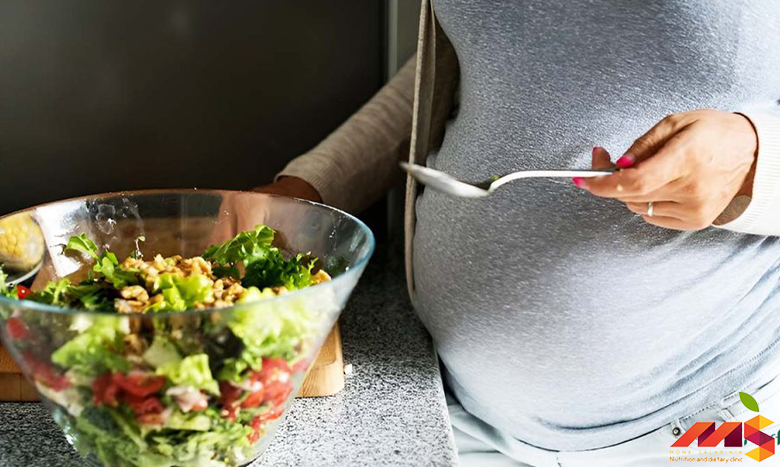
Vegetarian diet during pregnancy is one of the popular and healthy food styles that many expectant mothers choose. Consuming plant foods rich in fiber, vitamins, minerals and antioxidants can improve the health of mother and fetus. However, it is very important to follow the scientific and expert points in the vegetarian diet during pregnancy, because the lack of some nutrients can affect the health of the mother and the development of the fetus. Knowing the common mistakes, benefits, and proper planning methods is the key to success in implementing a healthy and effective vegetarian diet during pregnancy.
5 common mistakes in vegetarian diet during pregnancy
To receive a fully specialized and personalized diet plan, it is recommended to visit Mona Salari Nia Nutrition Clinic. The specialists of this clinic offer a program that ensures both the health of the mother and the fetus and ensures the provision of essential calories and micronutrients by examining the physical condition, medical records and needs of the mother.

protein deficiency
One of the most common problems of vegetarian mothers during pregnancy is insufficient protein consumption. Protein is necessary for the growth of fetal cells, the formation of tissues and maintaining the mother's health.
Signs and complications of protein deficiency:
- Decreased energy and constant fatigue
- Analysis of mother's muscles
- Fetal development disorder
Solutions:
- Consumption of beans, soy, tempeh and tofu
- combination of grains and legumes to complete amino acids
- Using a protein supplement if needed
deficiency of vitamin B12
Vitamin B12 is essential for the health of the nervous system and hematopoiesis and is only found in animal sources. Its deficiency during pregnancy can cause anemia, neurological problems and reduced fetal growth.
Solutions:
- Consumption of B12 supplement daily or weekly
- Choose foods enriched with B12 such as soy milk and breakfast cereals
- Perform regular tests to monitor vitamin levels
ignoring iron and zinc
Iron and zinc are vital for the development of the fetus and the health of the mother. Plant iron absorption is less than animal sources and requires careful planning.
Symptoms of deficiency:
- fatigue and weakness
- Hair loss
- Decreasing concentration
Solutions:
- Consumption of lentils, beans, spinach and pumpkin seeds
- Combination of iron sources with vitamin C to increase absorption
- Using nuts and seeds to provide zinc

Over-consumption of processed foods
Some vegetarian mothers turn to processed plant foods for convenience. These products are often rich in salt, sugar and low fiber.
Complications:
-
Unexpected weight gain
- Hunger control disorder
- Decreasing the quality of nutrition
Solutions:
- Focusing on whole and fresh foods
- Limiting the consumption of burgers, sausages and industrial products
- choosing healthy snacks such as nuts, vegetables and fruits
ignoring healthy fats
Healthy fats are essential for heart, brain and absorption of fat-soluble vitamins. The complete removal of fats can lead to a decrease in energy and digestive problems.
Solutions:
- Consumption of avocado, olive oil, nuts and seeds
- Using plant omega-3 sources such as flax seeds, walnuts and chia seeds
- Maintaining balance between fat and daily calorie consumption
Benefits of vegetarianism during pregnancy
- Supply of vitamins and minerals:
-
Rich in folate, vitamin C, potassium and magnesium
- Folate: preventing fetal neurological defects
- Vitamin C: strengthening the immune system and increasing iron absorption
- Potassium: blood pressure control
- Magnesium: reducing muscle cramps and improving the function of the mother's heart and muscles
- Reducing the risk of chronic diseases:
- Decreasing consumption of saturated fats and cholesterol
- Reducing the risk of heart diseases, type 2 diabetes and high blood pressure
- Reducing inflammation and improving vascular health
- Improving digestive function:
- Fiber found in vegetables, fruits, whole grains and legumes Regulating bowel movements and preventing constipation
- Improving the intestinal microbiome and increasing the absorption of nutrients
- Healthy weight control:
- Balanced vegetarian diet with appropriate calories and high fiber
- Creating a feeling of long-term satiety
- Reducing the risk of excessive weight gain during pregnancy and preventing birth problems and gestational diabetes
- Increasing energy and improving mood:
- balanced consumption of protein, complex carbohydrates and healthy fats
- Continuous energy supply and fatigue reduction
- Improving the mother's mood and cheerfulness

vegetarian-eating-plan during pregnancy
A healthy and balanced diet can include the following to meet all the needs of the mother and fetus:
Breakfast:
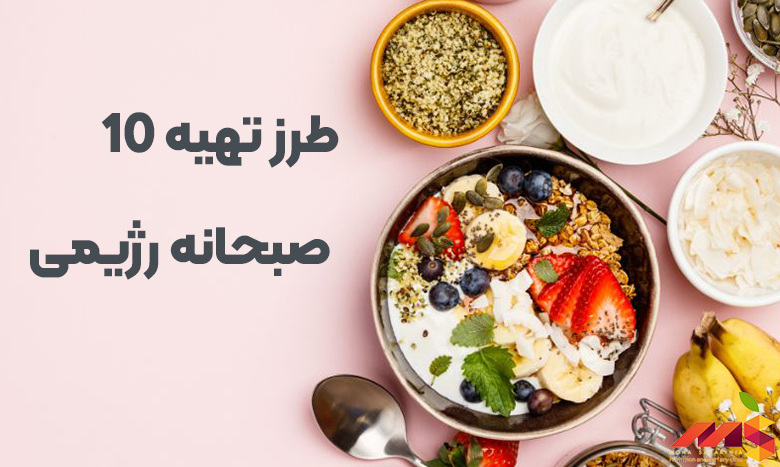
- Whole grains such as oatmeal or whole grain bread
- Plant milk enriched with calcium and vitamin B12
- Fresh fruit or natural juice
Lunch:
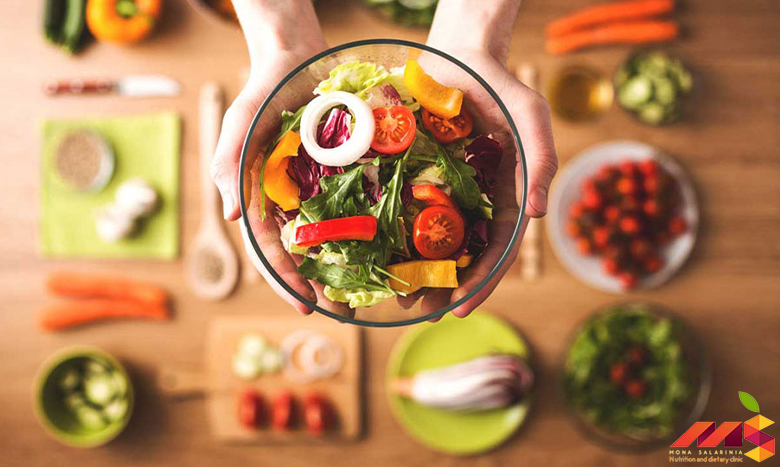
- various bean and vegetable salad
- Vegetable protein sources such as tofu, tempeh or beans
- Healthy oils such as olive oil or avocado
Dinner:
- steamed or grilled vegetables
- Whole grains such as brown rice or quinoa
- Seeds and nuts to provide healthy fats and complementary protein
Snacks:
- Fresh or dried fruit
- nuts and seeds
- Soy yogurt or other fermented plant products
- Raw vegetables with hummus or healthy sauce
Important tips of vegetarianism during pregnancy
- Use of vitamin B12, iron and vitamin D supplements: In a vegetarian diet during pregnancy, some vital nutrients are not naturally present in sufficient amounts in plant sources. Vitamin B12, iron and vitamin D are among the most important. B12 is essential for the health of the nervous system and the production of blood cells, and its deficiency can cause anemia and neurological disorders. Iron is important to prevent iron deficiency anemia and maintain mother's energy, and vitamin D is essential for bone health and calcium absorption. Taking supplements under the supervision of a nutritionist ensures that both mother and fetus have enough of these nutrients.
- Daily consumption of at least 25-30 grams of fiber: Dietary fiber is found in vegetables, fruits, legumes and whole grains and plays a key role in intestinal health and blood sugar control. Adequate consumption of fiber helps prevent constipation during pregnancy, regulates bowel movements and can reduce the risk of metabolic diseases. It is recommended that mothers consume at least 25 to 30 grams of fiber daily and get it from various sources.
- Drink enough water and stay hydrated: Adequate water is essential for the proper functioning of the mother's body and the healthy development of the fetus. Dehydration can lead to digestive problems, fatigue, headaches and reduced overall body function. Pregnant mothers should consume at least 8 glasses of water per day and can also use herbal teas without caffeine and natural fruit juices for variety.
- Personalized meal plan with a nutritionist: Each expectant mother has unique needs that depend on age, weight, activity level, medical history, and fetal growth status. A standard meal plan may not cover all individual needs. Working with a nutritionist to design a personalized program ensures that all the micronutrients, calories and protein needed by the mother and fetus are provided.
- Combination of different protein sources to provide essential amino acids: Proteins are vital for the growth of fetal tissues and maintaining the mother's muscle mass. Plant protein sources may lack some essential amino acids on their own. Therefore, combining different sources such as legumes with grains (for example, beans and rice) or using soybeans, tofu and tempeh along with nuts and seeds helps to provide all the essential amino acids in the mother's diet.
If you want to get more comprehensive information about the vegetarian diet, its types, benefits and special tips in vegetarian food planning, especially during pregnancy, be sure to read the article What is a vegetarian diet?. This article will help you follow a healthy and effective vegetarian diet with complete and scientific knowledge and avoid nutrient deficiencies and common mistakes.
Source: pmc.ncbi.nlm.nih.gov