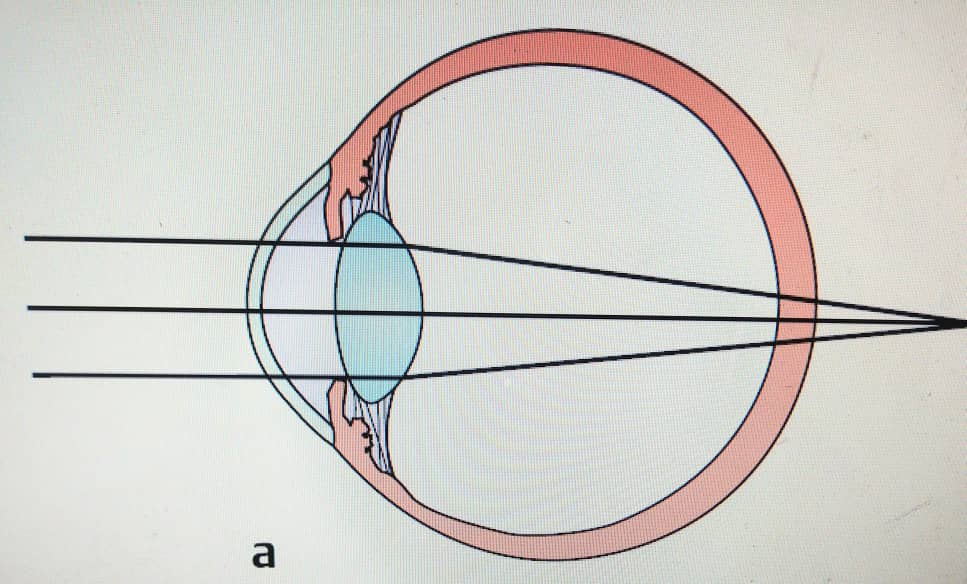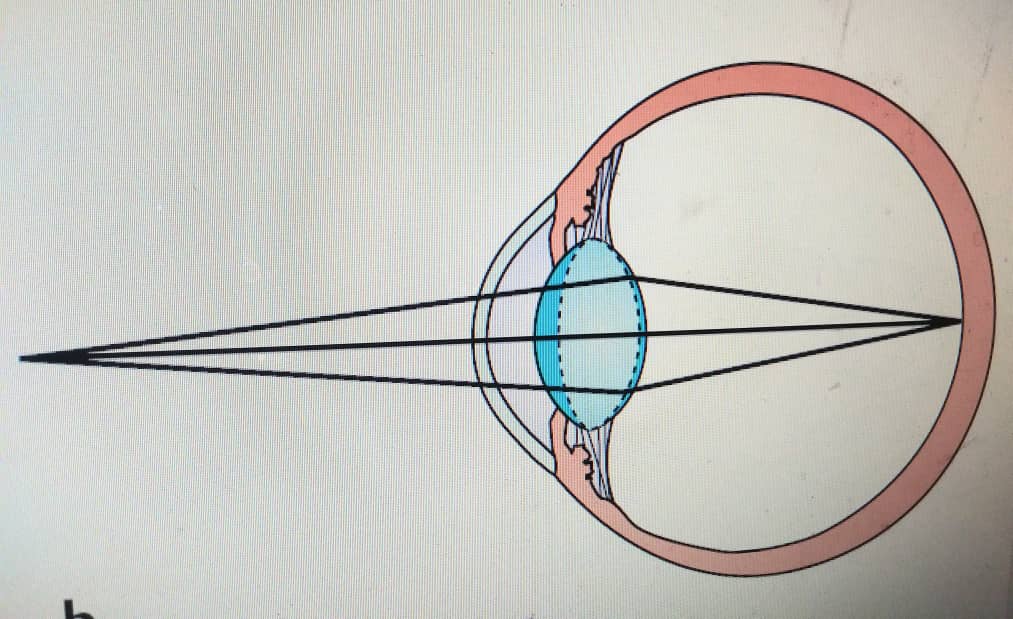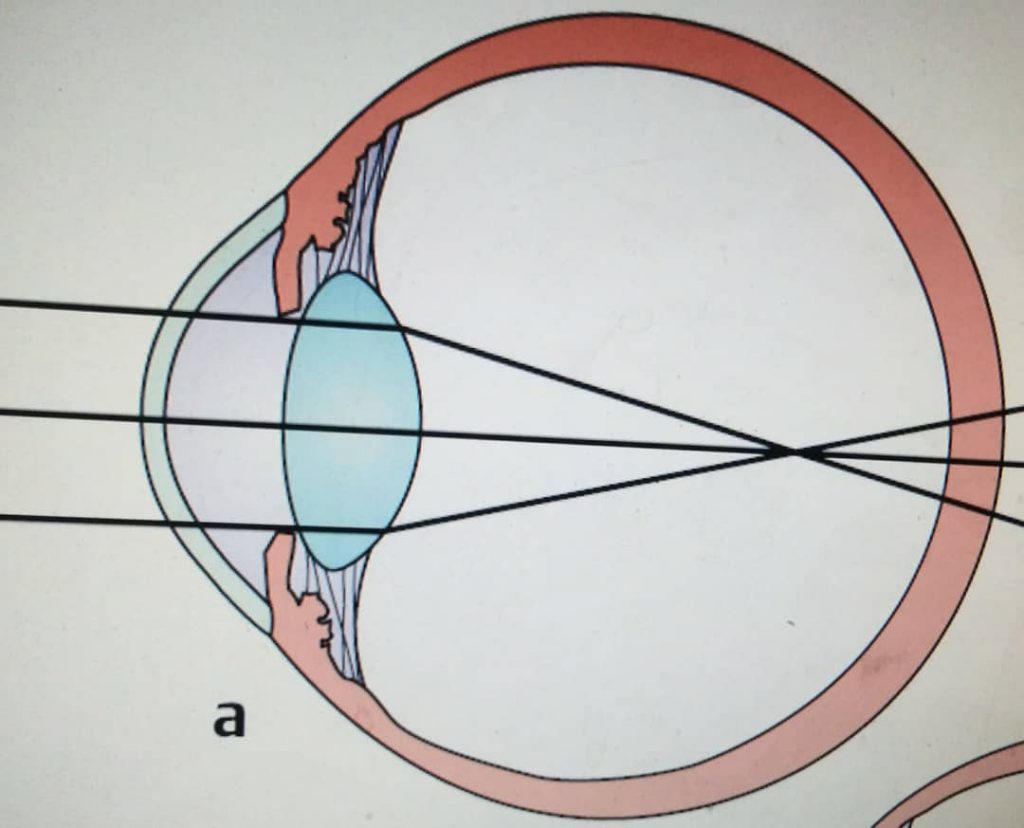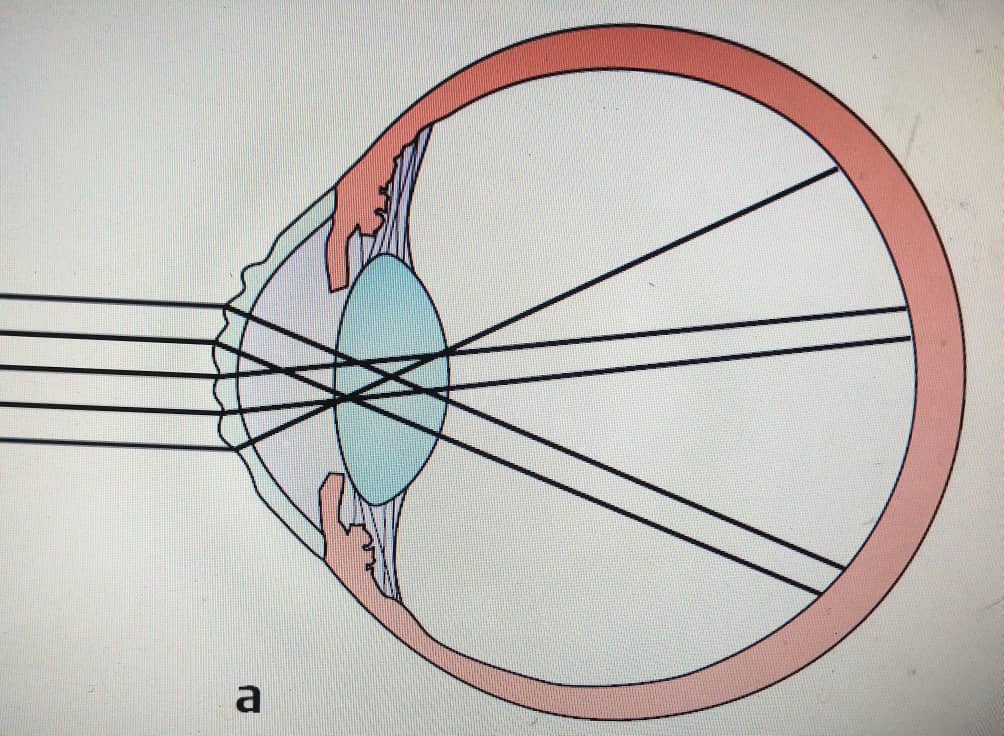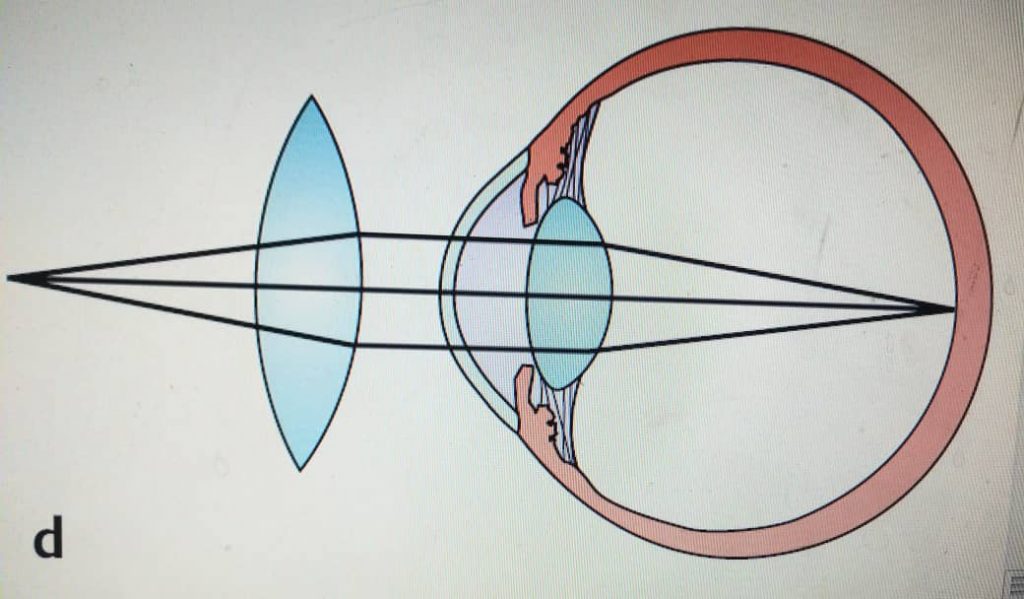
دوربینی چشم : یکی دیگر از انواع ضعیفی های چشم است که بر خلاف نزدیک بینی پرتوهای نوری پس از عبور از قرنیه ، زلالیه ، زجاجیه به صورت مجازی در پشت شبکیه چشم به هم میرسند . بنا بر این در این حالت شخص تصویر اشیاء و محیط پیرامون خود را تار میبیند . In this case, a farsighted person (as opposed to a myopic person who only sees distant objects blurry) sees both distant and near objects blurry. Of course, in low grades, the person with the camera may not have a particular problem in far vision, but in high grades of the camera, there is a disturbance in both far and near vision, but the near vision is far worse than the far vision.
Correction of farsightedness depends on important factors such as the amount of farsightedness, the age of the person, the occupation and demand of the person's vision and the presence of deviations in addition to farsightedness. If it is necessary to repair a camera, it must be done because failure to repair it, especially when working at a close distance, causes blurred vision, eye fatigue, and headaches. Children's eyes usually don't need to be corrected due to their greater and more active adaptation range, if they have a small degree of farsightedness and the eyes do not have any deviations and the child does not report headaches or eye problems. However, if in childhood one or both eyes have a certain amount of camera that cannot be compensated by adaptation and cause blurred vision and deviation in the eye, it must be corrected immediately because the child's eye may suffer from low vision and laziness, and failure to receive proper treatment until the age of 9 can impose irreparable results and complications on the child for the rest of his life. Therefore, in order to prevent this in children, the child's eyes should be examined once before the age of 3 and then once a year from the age of 4 to 9 by an optometrist or eye surgeon. Farsightedness in adults should be corrected if there is some deviation in the eye such as inward deviation and it causes vision problems and headaches in the forehead area while reading, working with a computer, sewing, embroidery. In people over 40 years of age, due to the decrease in the amount of adaptation and the onset of presbyopia, if there is blurring of near vision, eye fatigue and headache when reading and doing close work, it is necessary to visit an ophthalmologist or an optometrist for examination and appropriate glasses should be prescribed for them. Vision can also be corrected by installing convex lenses in the glasses or by using medical contact lenses and performing refractive surgery, but the use of glasses and contact lenses will have a much better result.