What is tracking?
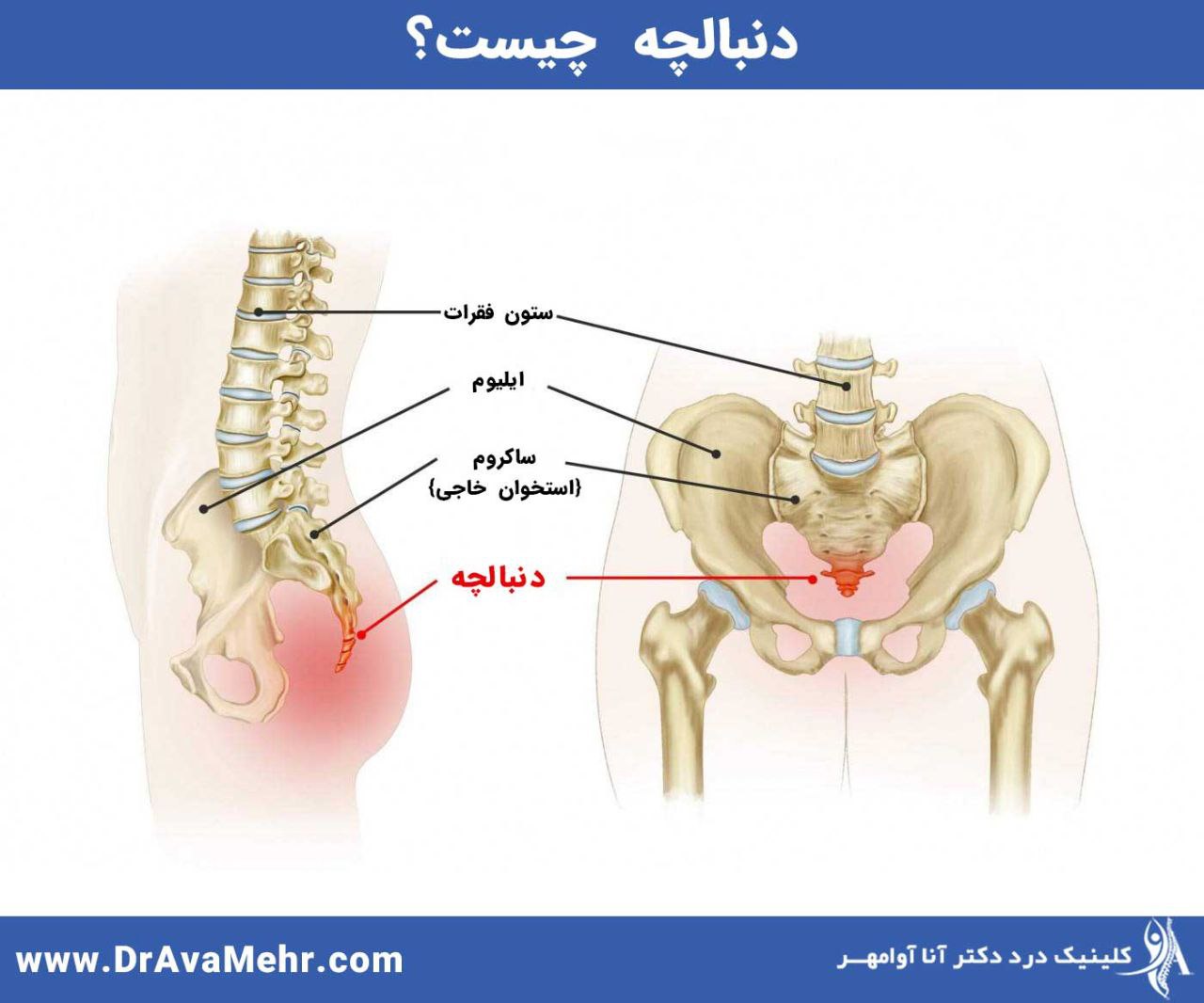
The last part of the spine is the coccyx. The coccyx is located just below the sacrum. Its bone consists of 3 to 5 small bones that are connected and form a single bone. Coccyx in English is called Coccyx bone.
The tailbone is a triangular and small bone and plays an important role in maintaining body balance and maintaining stability in the back, strengthening ligaments and muscles, distributing pressure on the pelvis and maintaining the correct position of the spine.
If you want to touch the coccyx, put your hand on the gap between the buttocks and give a little pressure.
Anatomy of the coccyx
The anatomy of the coccyx is such that, except for the first bone, other small bones are fused together. In the front part of the coccyx, we see a slight curve. We also see a depression in the back of the coccyx. We said that the sacrum and the coccyx are connected and these two bones have very little mobility.
The coccyx bone is connected to the gluteal muscle, anal muscles and pelvic floor muscles; Therefore, if the tailbone is damaged, pain and discomfort may reach the lower back, hips and legs.
Pain in the coccyx area occurs for various reasons and in many cases, it can be treated. When the coccyx is damaged, a person feels severe pain when sitting, standing up, driving and bending over.
Coccyx pain in English
Coccyx pain is known as coccydynia in medical science. Coccidiosis is more common among women than men.
In the following, we will learn about the causes of pain and inflammation in the coccyx.
The following are among the main causes of coccyx pain:
-
- Coccyx dislocation: The main cause of coccyx pain is coccyx dislocation forward and backward. Dislocation of the coccyx makes it difficult for people to do things like sitting, standing up and driving.
- Sitting on hard surfaces for long periods of time: If you sit for a long time on very hard surfaces, it puts a lot of pressure on your spine and you may feel severe pain in your coccyx. If you experience coccyx pain after riding a horse, riding a bicycle, sitting on a boulder, etc., you should know that pressure has been applied to the bone in this area and you should quickly return your body position to a normal position to remove the pressure from the coccyx.
- Falling from a height or severe fall: If a person falls to the ground from a height and sudden pressure is applied to the coccyx bone, there is a high possibility of damaging the coccyx and starting chronic pain in this area. In case of sports injury or physical injury, the joint of the coccyx with the sacrum is damaged and the surrounding ligaments become inflamed. In these cases, you should act immediately to treat coccyx pain.
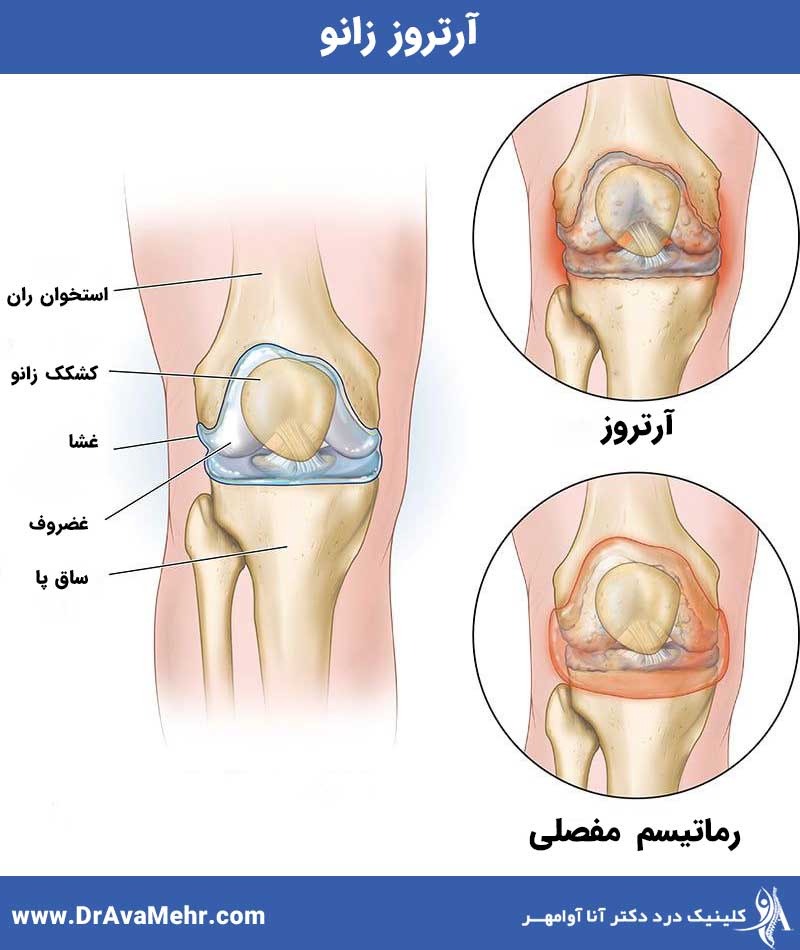
- Rheumatism: Rheumatic diseases such as rheumatoid arthritis cause inflammation and pain in the coccyx.
- Birth: In the natural delivery process, the baby's head passes over the coccyx. If the stages of childbirth are prolonged, it is possible that the coccyx and the parts connected to it will be damaged. One of the most common causes of coccyx pain in women is childbirth.
- Bone fracture: If the coccyx bone is damaged or fractured, a person will feel chronic and severe pain at the end of his spine.
- Existence of a problem in the spine: If a person suffers from back pain, spinal canal stenosis and lumbar nerve compression, it is likely that he will also experience coccyx pain. Many people who suffer from back pain also complain about the pain spreading to the coccyx area.
- Severe weight gain: When a person's weight is very high, pressure is directly applied to the spine and tailbone.
- Excessive thinness: coccyx pain is also common in very thin people; Because in these people, the amount of fat accumulation in the hips and pelvis is very low, and the pressure is directly applied to the sacrum and coccyx. As a result, when sitting and standing up, the tailbone rotates and over time, the shape of the tailbone changes.
- Constipation: Severe constipation makes defecation difficult and puts a lot of pressure on the coccyx. If the problem of constipation is solved, the coccyx pain will also improve.
- Cancer tumors: If there are malignant tumors at the end of the spine, pressure is applied to the coccyx.
- Infection: Another reason for experiencing pain in the coccyx is the presence of infection in this area.
- Muscle spasms: The presence of problems in muscle knots or spasms of the levator anus muscles leads to pressure and pain in the coccyx area.
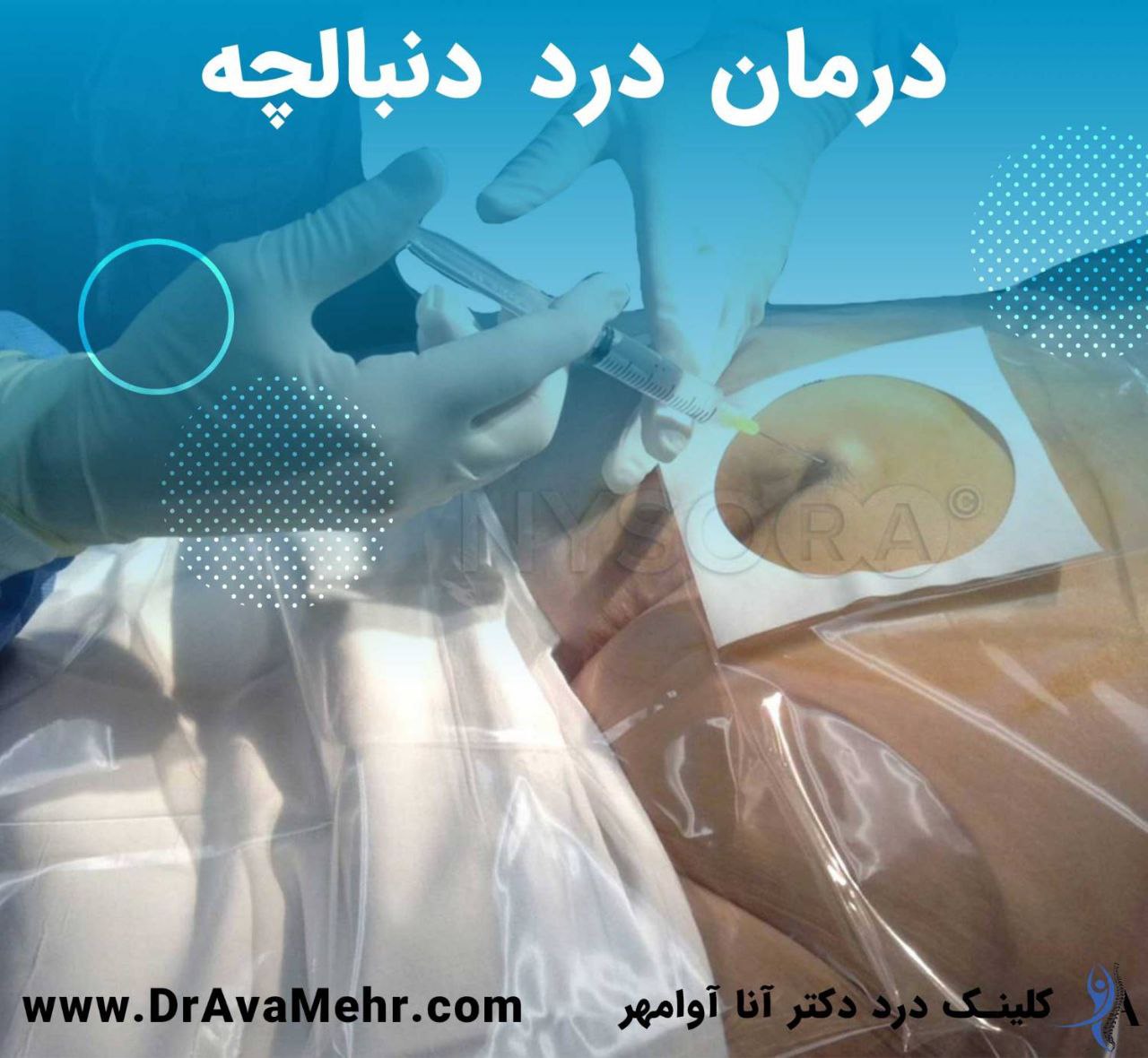
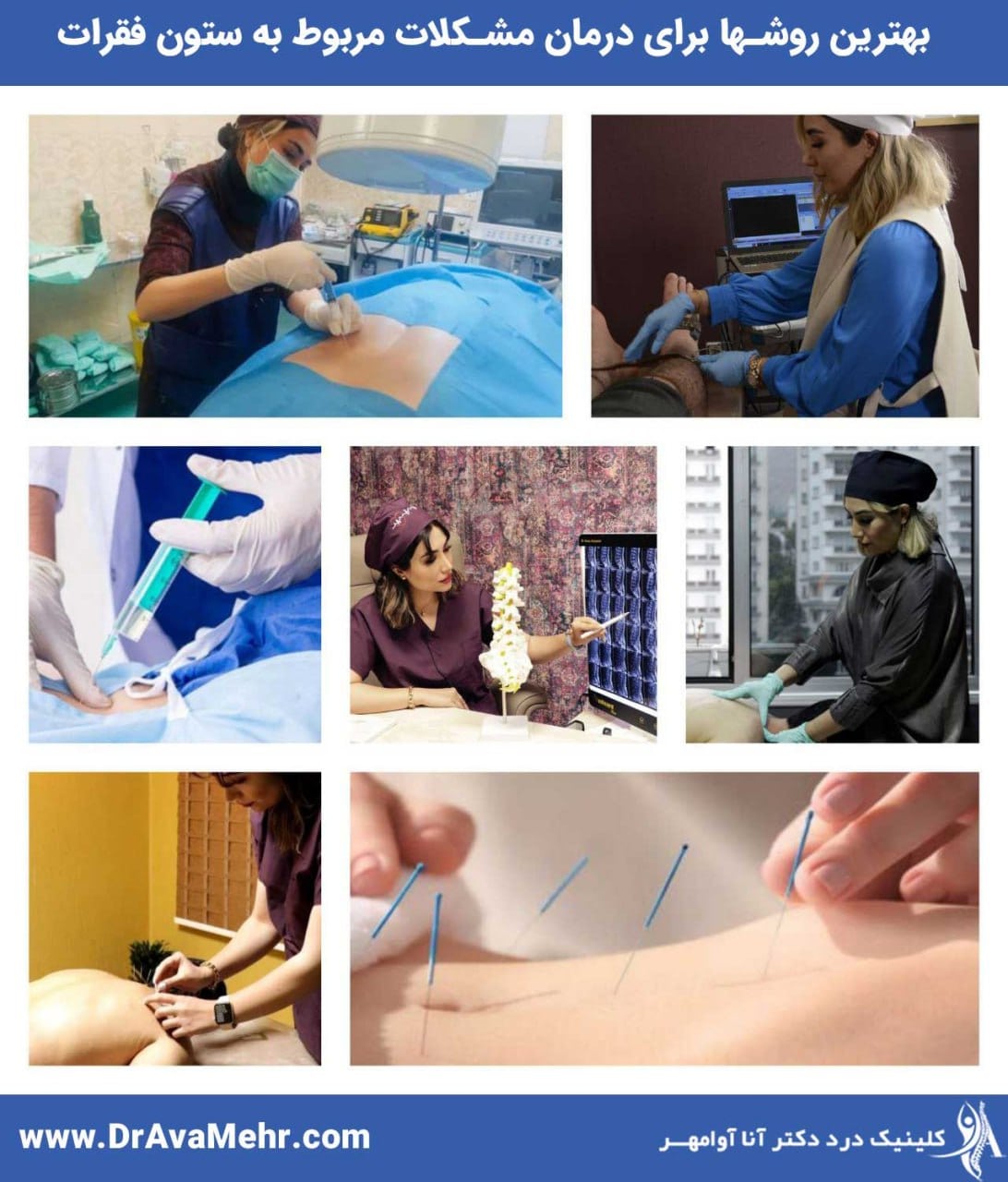
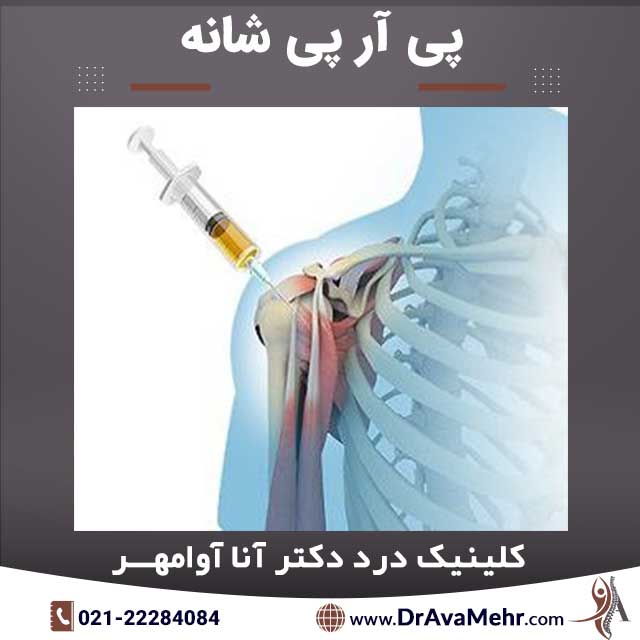
If you are currently dealing with coccyx pain, it is better to visit a physical medicine specialist to diagnose the root cause of the pain and prescribe the best treatment for coccyx pain for you. For the treatment of coccyx pain, methods such as PRP injection, placement, drug therapy, massage, cold therapy, etc. can be used. If you do not know what signs and symptoms are associated with coccyx pain, read the rest of this article.
Symptoms of coccyx pain
The existence of a problem in the coccyx may be associated with various signs and symptoms. Some of the most common symptoms of coccyx pain are:
-
- Experience pain in the lower back and buttocks: This pain may be severe or mild. Sometimes coccyx pain is accompanied by a shooting sensation when sitting, bending and standing up. Most people experience this pain in the lower back and upper hips.
- Bone stiffness and movement limitation: Some people, after coccyx pain, see the movement limitation of this area, which causes problems when sitting and other daily activities.
- Extension of pain to the back and knees: In some cases, the pain extends from the tailbone to the back, lower back, knees and legs and involves the entire lower body.
- Difficulty and discomfort while sitting: If the coccyx is damaged, any pressure is painful for the person. Many people, after experiencing coccyx pain, cannot sit on hard surfaces and need cushions or soft mattresses to reduce the amount of pressure on the coccyx.
- Sensitisation of the coccyx region: Pain and discomfort are another symptom of coccyx pain. If you feel severe pain by touching or pressing the tailbone, you should know that there is a problem in this area and you should see a doctor.
- Pain during toileting (bowel movement)
- Pain during sex
If you experience any of these cases, see a doctor immediately to prevent the aggravation of pressure and damage to the coccyx and to start your treatment process faster. The specialist doctor will first examine your body to determine the main cause of the coccyx pain.

Some people, while sitting, feel a sharp and severe pain in the lower back and hips, which proves the presence of inflammation and damage in the coccyx.
The following are among the common causes of coccyx pain when sitting:
-
- Fracture or dislocation of the coccyx (external trauma): A direct blow to the coccyx bone and dislocation of the coccyx lead to coccyx inflammation and pain when sitting.
- Presence of inflammation, infection, abscess and tumor: The presence of joint infection and inflammation in the areas adjacent to the coccyx bone will lead to the aggravation of pain when sitting.
- Incorrect body position while sitting: When a person sits hunched over or puts their hips on hard surfaces, a lot of pressure is applied to the coccyx, and after a while, the person feels pain.
- Strike from hard childbirth or prolonged sitting on a narrow or hard surface(internal trauma).
- Shortness and disorder of pelvic floor muscles
If you experience severe and annoying pain while sitting, it is better to see a spine specialist to check the condition of your coccyx.
The cause of coccyx pain in women
The possibility of coccyx pain in women is more than men. Coccyx pain in women may occur due to difficult childbirth, hormonal changes during pregnancy, decreased bone strength, osteoporosis, joint arthritis, hip muscle spasms, falls and infections.
What is the cause of coccyx infection?
Cases such as the entry of bacteria after surgery, direct damage to the coccyx, pilonidal cyst, lack of hygiene during pregnancy are among the causes of coccyx infection. Coccyx infection is associated with severe pain, swelling, redness of the skin, feeling of heat in the coccyx area, fever, discharge and inflammation near the coccyx bone. If you have a coccyx infection, your doctor will prescribe special antibiotics to control the infection.
Does coccyx pain get better?
If you visit a specialist doctor and follow the doctor's instructions, you can be sure that the coccyx pain will be cured to a large extent and you will get rid of this annoying pain. After reducing the coccyx pain, always pay attention to your body position while sitting and keep your body muscles strong by doing strengthening exercises.
In the following, you will get to know each of the effective methods for treating coccyx pain.
Physical medicine specialist can diagnose the main cause of pain in the coccyx.
To diagnose the cause of coccyx, the doctor performs these steps:
-
- First, the specialist doctor will ask you questions about the time of onset of pain, symptoms, pain intensity, extent of pain spread and the effect of pain on daily activities in order to identify the main cause of pain.
- Then the doctor will perform a physical examination of your coccyx area to check the level of inflammation in the coccyx and spine.
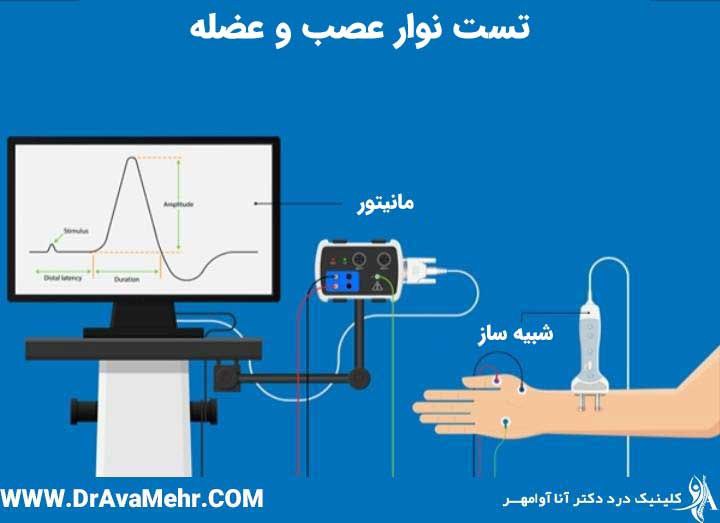
- For an accurate medical diagnosis, the doctor advises you to take pictures of your back and pelvis in both sitting and standing positions to better see the rotation angle of the pelvis and coccyx bone. To image the bone, CT scan, MRI and X-ray radiography can be done.
- In some cases, you have to do additional tests such as blood tests so that the doctor can be sure of your body's health.
After a complete examination, the doctor will determine whether your pain is temporary and can be treated at home, or whether you should go for methods such as PRP and steroid injections in the tailbone to treat coccyx pain. In the following, you will get to know the methods of treating coccyx pain at home and other effective treatment methods to relieve this pain.
Important tips for coccyx care at home
To reduce coccyx pain, follow these tips:
-
- Avoid sitting for a long time on hard surfaces and sit on medical pillows and soft mattresses.
- Consume enough water, vegetables and fiber-rich foods to avoid constipation.
- Take care of your fitness; Because extra weight causes more pressure on your tailbone, knees and back.
- If cycling and horse riding puts pressure on your tailbone and lower back, reduce the intensity of these activities.
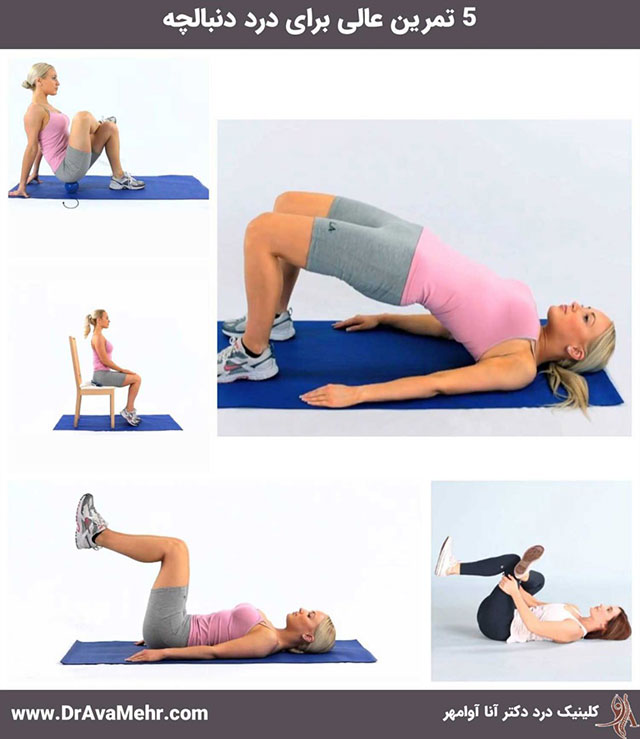
Exercise. The more you exercise, the stronger your body muscles become and the easier it is for you to maintain balance and maintain your spine.