Why do we get a heart attack?
Heart vein blockage is one of the diseases that are associated with blockage of blood vessels that are responsible for delivering blood to the heart. Knowing the different causes that cause this disease is very important in speeding up the treatment of coronary artery blockage. Causes including:
- Plaque accumulation: The most important cause of blockage of heart vessels is the accumulation of plaque in their walls. These plaques are usually made of fat, cholesterol, etc., which grow larger over time and narrow and eventually block the arteries.
- Atherosclerosis disease: In this disease, the walls of the arteries become hard and thick, which causes the arteries to lose their elasticity and blood flow does not take place easily.
- High blood pressure: Having high blood pressure is one of the other things that damage the walls of the vessels. These injuries help to create plaques and ultimately narrowing of the arteries.
- High cholesterol: High cholesterol, especially LDL (bad cholesterol), is one of the main and important factors in the formation of plaque in the arteries and the narrowing and blockage of the arteries.
- Diabetes: Diabetes also causes damage to blood vessels and increases the risk of heart diseases.
- Genetics: Having a family history of heart diseases can also increase the risk of developing this disease.
- Smoking, obesity and overweight, inactivity, age and chronic inflammation in the body can also be other factors that are effective in clogging of veins.
What are the symptoms of coronary artery blockage?
When the blood vessels of the heart are narrowed and the blood flow to the heart muscle is reduced or disrupted, you have coronary artery disease. This disease generally takes root in the body without any special symptoms and manifests itself in the stage of complete blockage and causing a heart attack. However, in some cases, these symptoms may occur:
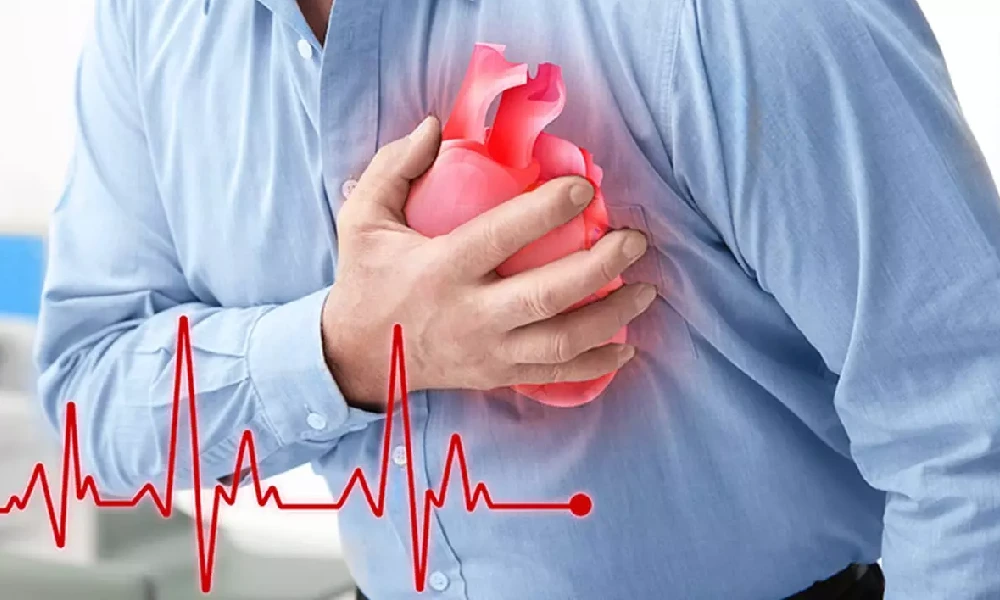
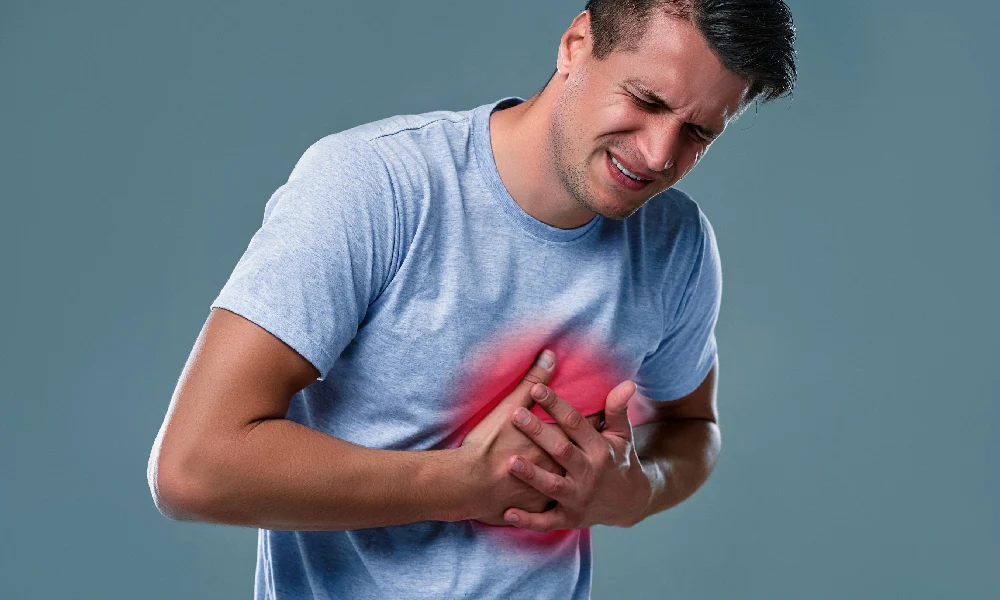
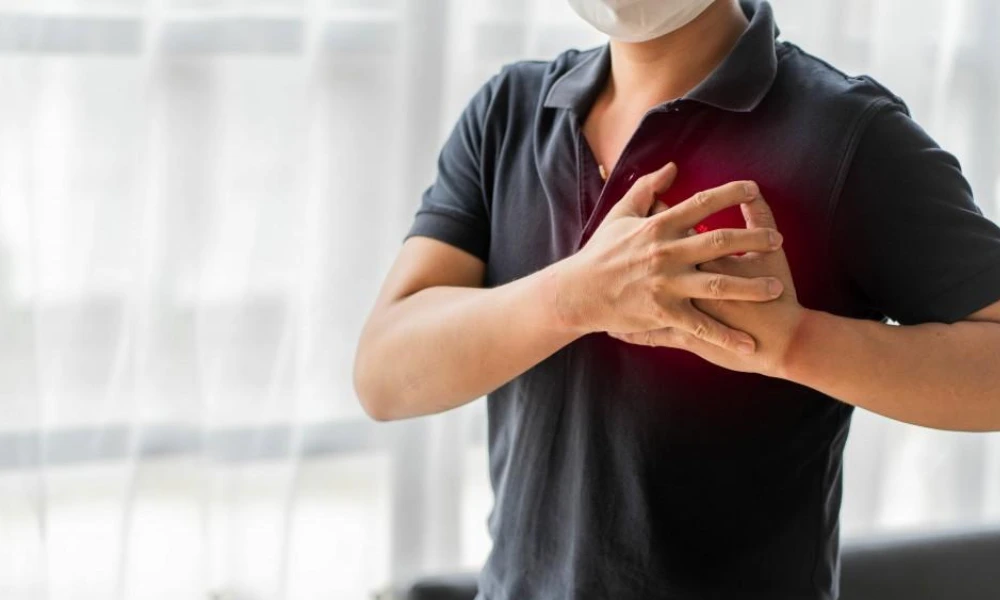
- Chest pain (angina): This pain is usually felt behind the sternum and may spread to the arm, shoulder, neck, jaw or back. This pain often increases with physical activity and is relieved by rest. It should be noted that the most common symptom of vein occlusion is chest pain.
- Shortness of breath: Reduced blood flow to the heart can cause shortness of breath, especially during physical activity.
- Extreme Fatigue: Feeling unusually tired, even with light activity.
- Heartbeat: Feeling of irregular or fast heartbeat.
- Dizziness or lightheadedness: due to reduced blood flow to the brain.
- Digestive symptoms: such as indigestion, nausea or vomiting.
- Weakness or numbness in an arm or leg: especially on one side of the body.
- Cold sweat and dry cough can also be symptoms of vein congestion.

Methods to detect heart vessel blockage
To treat coronary artery blockage, it must first be fully diagnosed and the number of affected vessels and their degree of blockage must be checked. If this disease is diagnosed in the early stages, it prevents the occurrence of serious complications such as heart attack. A specialist doctor uses a combination of methods to diagnose and treat coronary artery congestion. Methods like:
- Physical examination: Listening to the sound of the heart and detecting the presence of abnormal sounds to check for heart problems and measuring the blood pressure and checking the symptoms of blood clots (chest pain, fatigue, shortness of breath, etc.) are also in this stage.
- Blood tests: Conducting various blood tests to check blood cholesterol and triglyceride levels, blood sugar, and measuring cardiac enzymes to check the presence of damage to blood vessels are among the methods of diagnosing blood clot disease.
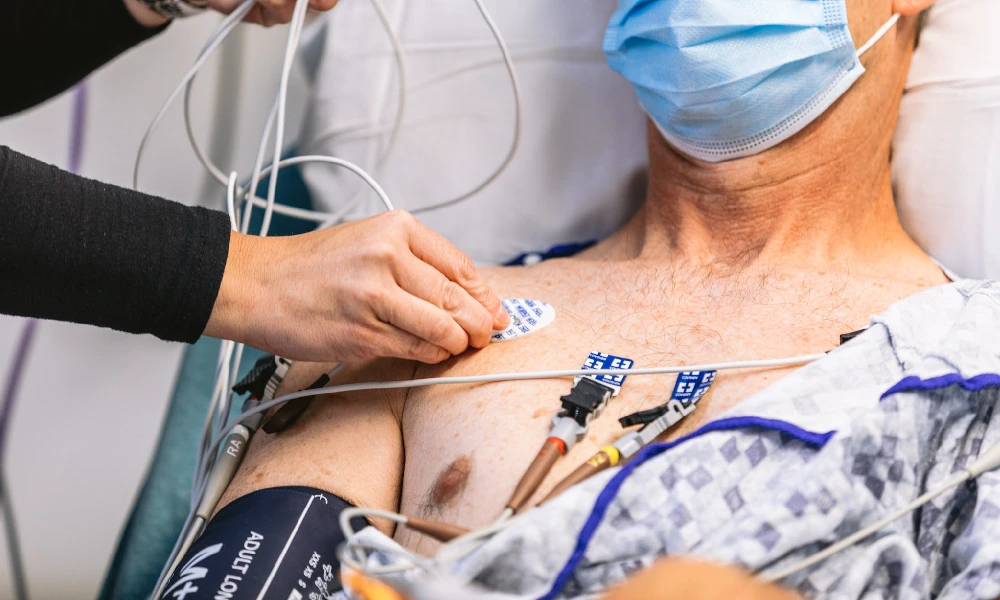
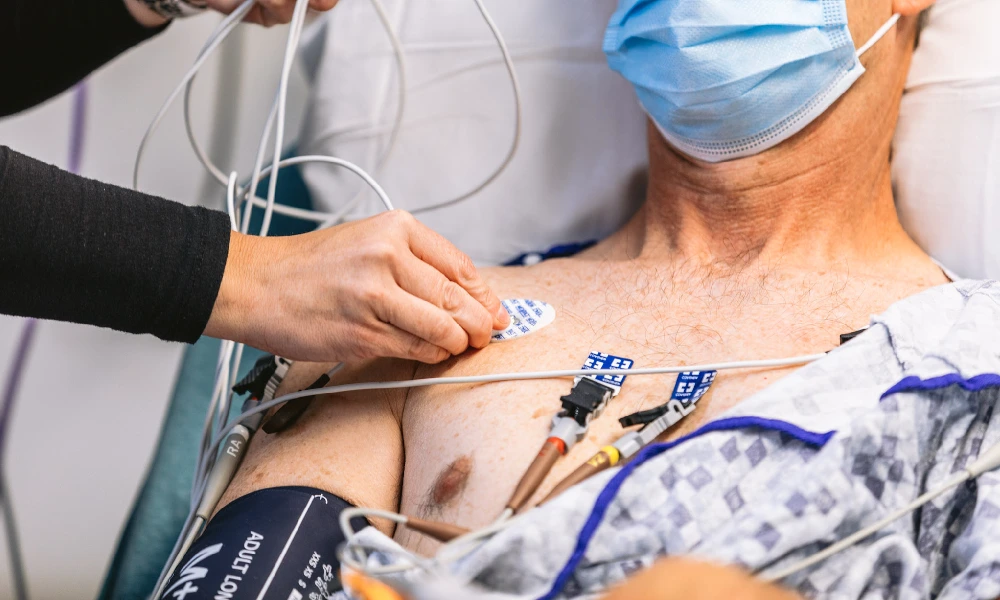
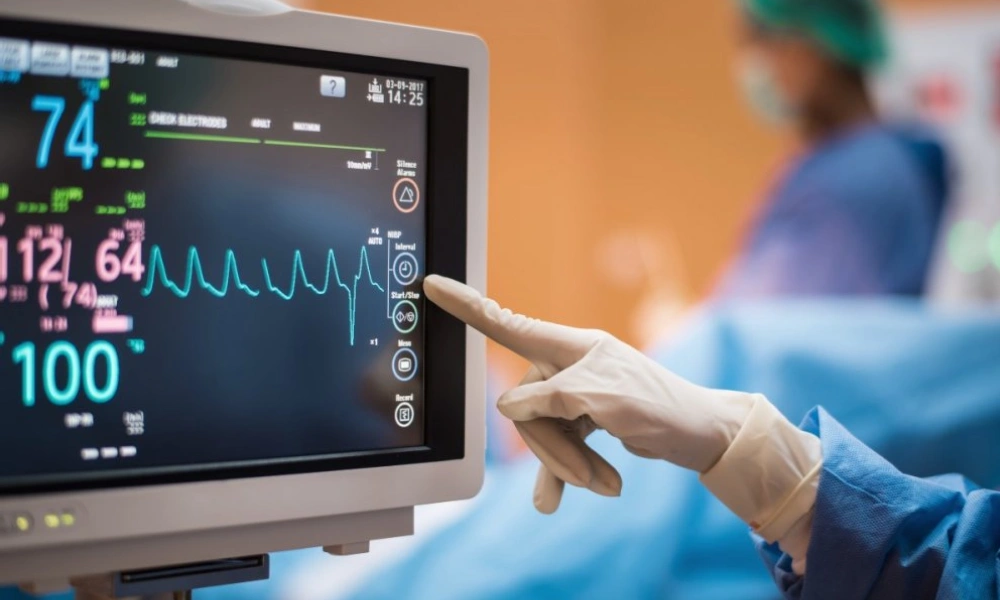
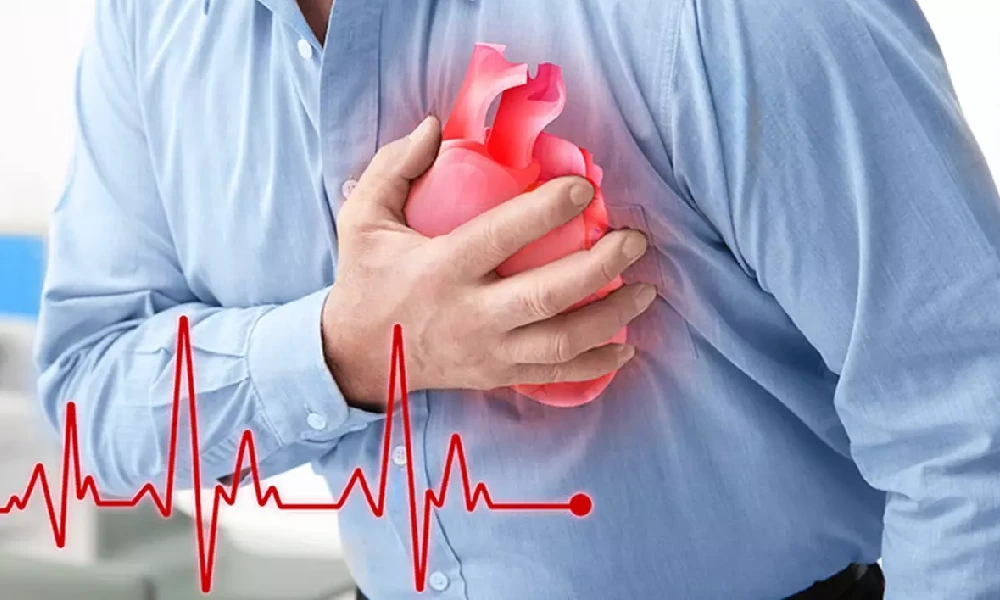
- Heart strip: Using the interpretation of ECG results, valuable information can be obtained, including heart rhythm changes, heart enlargement and other heart problems.
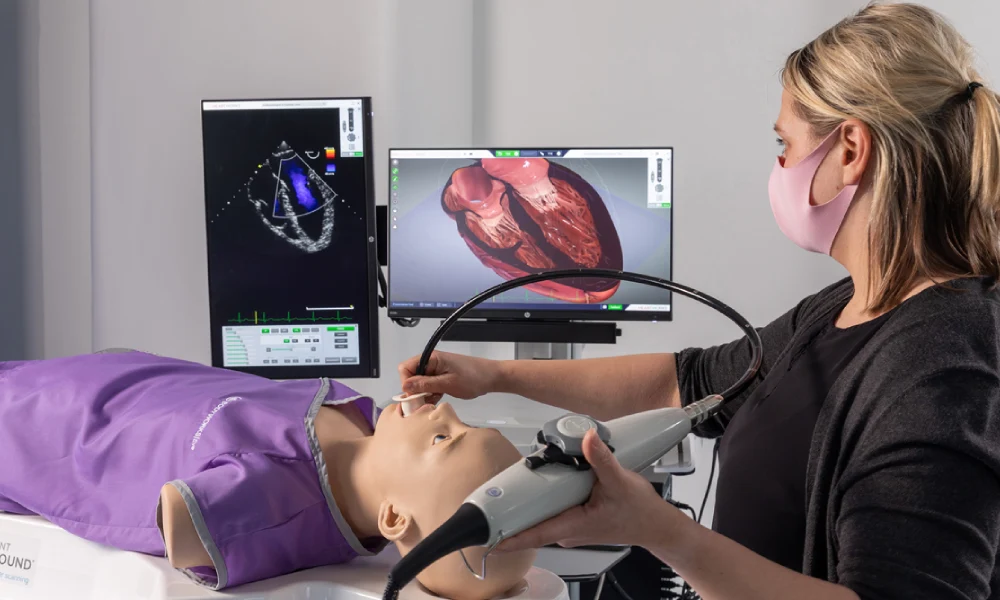
- Echocardiography: Echo provides the doctor with information such as the size of the heart, the thickness of its walls, the way blood moves in the heart and the presence of any abnormality in the heart valves.
- Exercise test: In this method, the patient exercises on a treadmill or bicycle, while the way the patient's heart responds to physical activity is checked. This test tells the doctor whether physical activity reduces blood flow to the heart or not
- Computerized tomography: or CT scan, provides accurate images of the heart and blood vessels and an accurate amount of calcium in the vessels.
- MRI: This method uses a magnetic field and radio waves to create detailed images of the heart that can help diagnose structural problems of the heart and blood vessels.
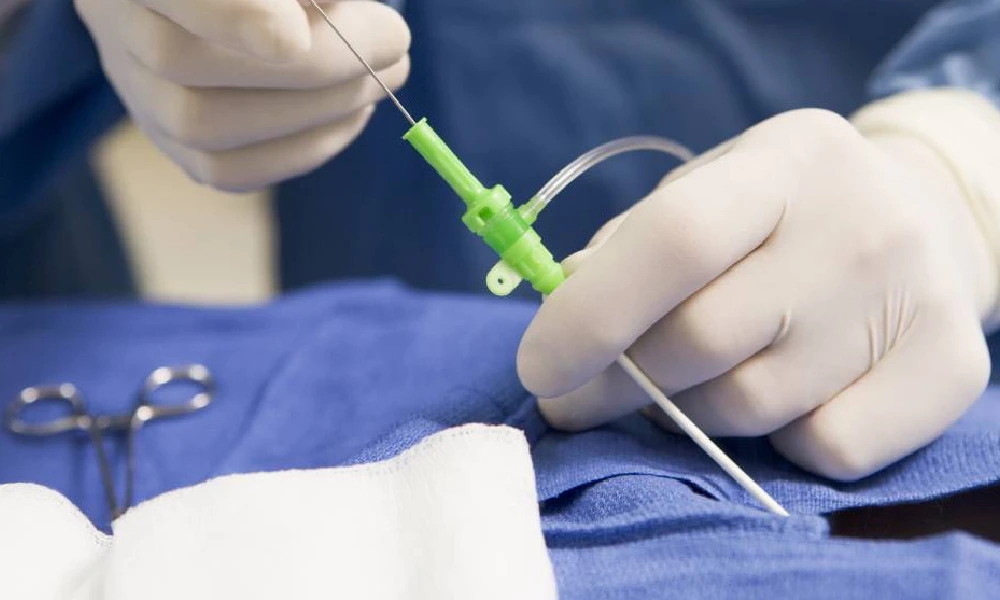
- Angiography: Angiography is the most complete and accurate method for diagnosing and in some cases treating heart vessel blockage. In this method, a narrow tube is guided to the heart through a vein in the groin or wrist. A contrast agent is then injected into the vein so that the heart's vessels can be seen on X-ray images. Angiography allows the doctor to accurately observe the location of the blockage and the extent and severity of the blockage.
If you are facing any of the symptoms of blood clots, see a specialist doctor and perform angiography can help you in the accurate diagnosis and treatment of heart vessel blockages.
Introduction of the treatment methods of coronary artery occlusion
Fortunately, today there are effective and efficient treatment methods for the treatment of coronary artery blockage, and the choice of each of these methods depends on various factors such as the severity of the disease and the location of the artery blockage, age and condition of the patient.
In general, the methods of treating coronary artery occlusion are divided into two categories: medicinal and interventional treatments. We refer to them in detail in this topic.
Treatment of heart vessel blockage with medicine
In the method of treating heart vessel blockage with medicine, the aim is to reduce the risk of heart attack, reduce chest pain and improve the quality of life. You can see an example of the drugs used in this field below:
- Cholesterol-lowering drugs: These drugs reduce the level of bad cholesterol and prevent the formation of plaque in the arteries.
- Aspirin: Aspirin helps prevent blood clots and reduces the risk of heart attack.
- Beta blockers: These drugs reduce heart rate and blood pressure.
- Inhibitors: These drugs lower blood pressure and protect the heart.
- Nitrates: These drugs dilate blood vessels and relieve chest pain.

Treatment of coronary artery blockage with interventional treatment methods
- Angioplasty and stenting: In this method, a small balloon is inserted into the narrowed vessel and the inflation of the balloon causes the vessel to open. In some cases, a stent is placed in the dilated area to prevent the vessel from closing again.
- Bypass surgery: In this procedure, surgeons use a healthy vessel in the body (such as the veins in the leg or chest) to create a new path for blood to flow away from the narrowed part of the heart artery.
Does the heart vein open with angiography?
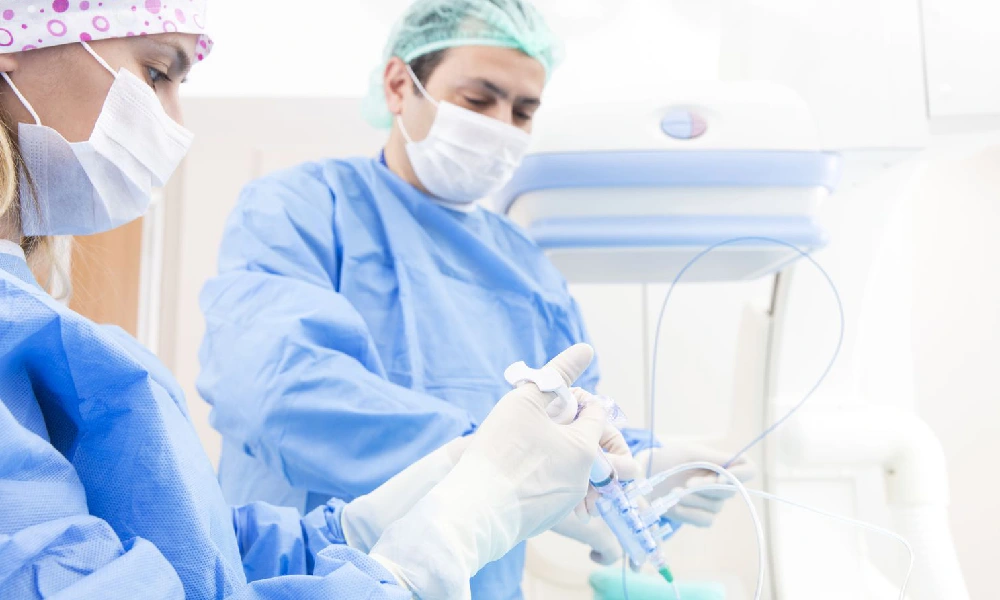
As it was mentioned above, angioplasty is a treatment method that is part of the basis of its work similar to angiography and is very effective and efficient in the treatment of heart vessel blockage. In this method, similar to angiography, a tube is directed to the heart through the groin or wrist, and the end of this tube is equipped with a balloon or stent. If the blood vessel blockage is not severe enough to require open heart surgery, angioplasty is able to open and treat the heart vessel blockage.
How does angioplasty work?
- Catheter and balloon: In this method, the head of the tube or catheter is connected to a small balloon. When the tube reaches the blockage, the balloon is inflated and causes pressure on the plaques that are attached to the vessel wall, and with that pressure, the vessel expands and the blockage disappears.
- Stent: In many cases, after the balloon is inflated, a stent (small metal tube) is placed inside the vessel to prevent the vessel from closing again. The stent acts as a scaffold and keeps the vessel open. It is considered effective.
If you are suffering from blood clots with the diagnosis angiography, visiting a specialist doctor will help you treat this disease as soon as possible and prevent the complications and risks caused by it.
Benefits of angioplasty
- Minimally invasive: Unlike open heart surgery, angioplasty is a minimally invasive procedure and does not require a large incision in the chest.
- Faster recovery: The recovery period after angioplasty is very short. Many patients can return to their normal activities within a few days.
- Reduction of disease symptoms: By improving blood flow to the heart, angioplasty significantly reduces symptoms such as chest pain, shortness of breath, and fatigue.
- Reduced risk of complications: Compared to open heart surgery, the risk of serious complications such as infection, severe bleeding and blood clots in angioplasty is lower.
- Possibility of performing simultaneously with other methods: In some cases, angioplasty can be performed simultaneously with other treatment methods such as stenting to improve the treatment result.
- Lower cost: In general, angioplasty costs less than open heart surgery.
Investigating the symptoms of heart vessel congestion in different people
As it was mentioned before, most of the time, vein congestion is silent in the early stages, but in some cases, symptoms such as shortness of breath, chest pain, or fatigue and heart palpitations are considered as symptoms of this disease. These symptoms may be different in different people because the severity of the disease and the condition of the patient, including age and gender, also affect them.
Symptoms of coronary artery blockage in men
Vaginal occlusion disease may occur in all people, including men and women, or young and old. The most common symptom of this disease in men is chest pain, which is known as angina. This pain is usually felt as pressure, heaviness, or burning in the chest and may radiate to the left arm, shoulder, neck, jaw, or back. In addition, dizziness or lightheadedness, cold sweat, vomiting and nausea are also common symptoms of this disease in men. Intense activity, stress and cold weather also aggravate these symptoms.
Symptoms of coronary artery blockage in women
Since there are anatomical differences between women and men in the heart and life pattern, as well as the presence of female hormones, in some cases, the symptoms of vascular congestion in women may be different from those in men. Noticeable symptoms are more diverse in women. Severe anxiety, excessive sweating, general body weakness and pain in other parts of the body such as the abdomen or arms can also be warning signs of blood clots in women in some cases.
Symptoms of coronary artery blockage in young people
Unfortunately, nowadays, we see the occurrence of arteriosclerosis in many young people due to unhealthy lifestyle and genetic factors. In addition to what was previously mentioned as the symptoms of blood clots, including chest pain, extreme fatigue and shortness of breath, general weakness and muscle pain in the legs are also symptoms of this disease in young people.
Is coronary artery occlusion dangerous?
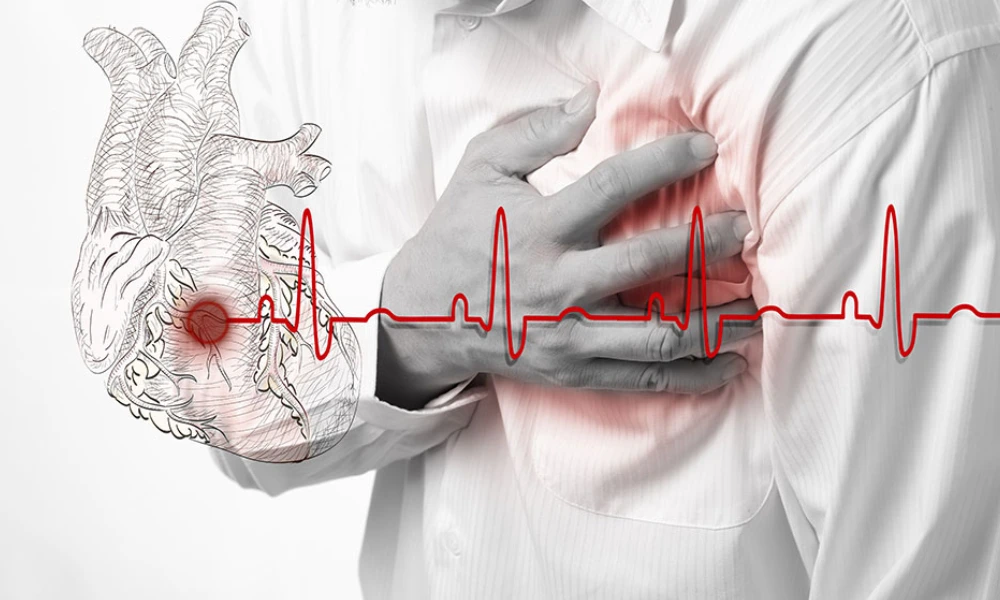
A heart attack is very dangerous because of the complications that follow, and if the heart attack is not treated, problems such as a decrease in blood flow to the heart and the death of heart cells, an increase in the risk of heart attack, an increase in the risk of stroke, heart failure and heart rhythm disorders are ahead.
Which foods are effective in treating coronary artery blockage?
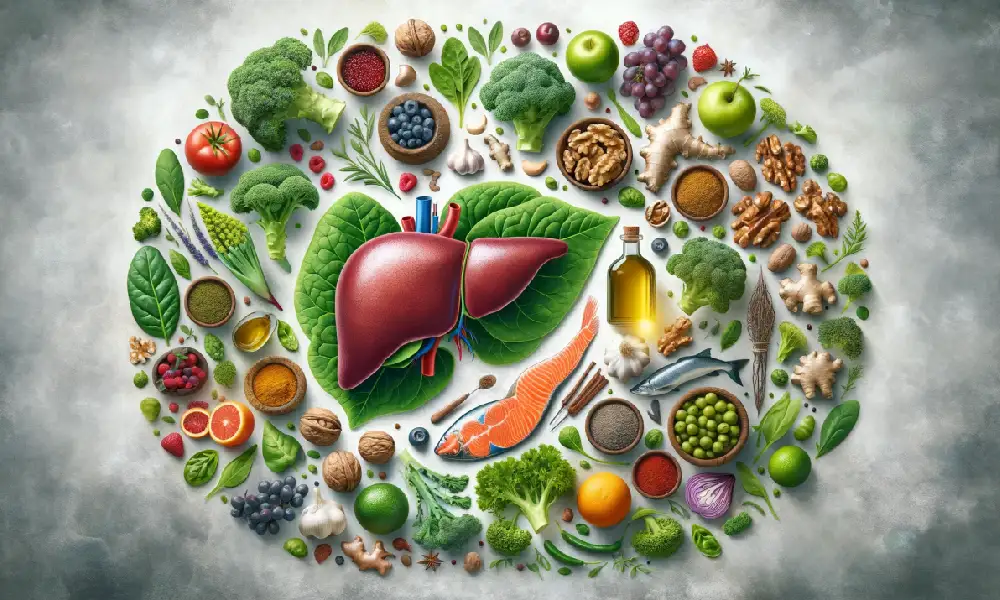
Choosing foods that reduce bad cholesterol and control blood pressure and improve heart health can be effective in the treatment of coronary artery blockage. Foods such as fatty fish, green leafy vegetables, red fruits, nuts and seeds, legumes, whole grains, garlic, olive oil, and avocados can be a great help in treating coronary artery blockage due to their rich sources of fiber, omega-3, antioxidants, and healthy unsaturated fats. In addition to using these foods, maintaining variety, using healthy cooking methods such as steaming and boiling or grilling, reducing salt consumption and drinking enough water also have an undeniable effect in preventing and treating heart artery blockage.
Veins are like tubes that carry blood and oxygen to the heart. A 70% occlusion of a heart vessel means that about 70% of the diameter of a blood vessel is blocked by fatty plaques. This percentage of blockage can limit blood flow to the heart and actually means that the vessel is severely narrowed and the risk of serious complications such as heart attack is increased. The higher the percentage of vein blockage, the higher the risk of these complications.