
Table of contents
Listen to the summary of this article in this podcast:
What is heart aortic surgery?
Aorta is one of the four heart valves. This valve controls the blood flow in the heart. The aortic valve is located between the left ventricle of the heart and the aorta. The aorta is the largest artery in the body. Blood moves from the heart to the abdomen and the lower part of the body through this artery. The aortic valve prevents blood from returning to the heart.
When the aortic valve is damaged or diseased, it interferes with blood flow. In this condition, the heart has to work harder to supply blood to the organs. For this reason, the doctor recommends heart aorta surgery to reduce the symptoms of the aortic valve problem, treat the disease and increase the patient's life. Aortic heart surgery is performed through open heart surgery. But in some situations, the doctor did not find this method suitable for the patient and closed heart surgery is performed.
Heart aorta sometimes recovers by repairing the heart valve. But sometimes it is necessary to replace the valve. Defects in the aortic valve may be present from birth or develop at later stages of life.
When is cardiac aorta surgery performed?
Heart aorta operation is usually done for two reasons.
- Aortic stenosis: the opening of the aortic valve becomes narrow. In this situation, the blood flow from the heart is blocked.
- Aortic insufficiency: the valve is dilated and leaking. In this situation, the blood returns to the heart.
This surgery is performed to repair the size of the aorta (aortic aneurysm), close the valve holes and replace the aortic valve.
Aortic valve problems may be present from birth and be related to congenital heart defect. But sometimes diseases can change the structure of this valve. Among the diseases that cause this complication, the following can be mentioned.
- Rheumatic fever
- Infective endocarditis
- Aortic valve degeneration
- High blood pressure
- tumor
- Exposure to radiation
- Heart attack
- Connective tissue disorders
There is no medicine to treat aortic problems. For this reason, if the doctor determines that there is a possibility of serious complications, he recommends heart aorta surgery. In severe cases, this complication may cause heart failure.
Quoted from mayoclinic regarding congenital aortic valve problems:
Some babies may be born with an aortic valve that doesn't open properly or doesn't have enough flap tissue. Congenital heart defects can also cause the valve to be the wrong size or shape.
Which symptoms are signs of heart aortic valve disease?
Some symptoms can be a sign of a problem in the aortic valve of the heart. If the following symptoms appear, be sure to visit a cardiologist to check the cause.
- fatigue
- Ankle swelling
- shortness of breath
- Palpitations or irregular heartbeats
- weakness
- chest pain
- fainting

Which doctor should we consult to check the necessity of heart-aorta surgery?
If you have symptoms such as shortness of breath or extreme fatigue, you should see a cardiologist for a heart problem. If the aortic valve is damaged, the only option is cardiac aortic surgery. You can connect with the best cardiologists through your doctor's website. In addition to the face-to-face appointment system, there is the possibility of online and telephone consultations.
How is cardiac aorta surgery performed?
Aortic heart surgery may be performed as an open heart surgery or a closed heart surgery. If the surgery is minimally invasive, the length of stay in the hospital will be reduced. The choice of surgical method depends on the condition of the patient and the severity of the problem. For example, people with lung or kidney disease cannot perform open heart surgery.
Usually the aortic valve problem is solved by valve repair. But sometimes it is necessary to replace the entire valve. We explain each of the surgical methods in detail.
Heart-aortic-valve-repair surgery
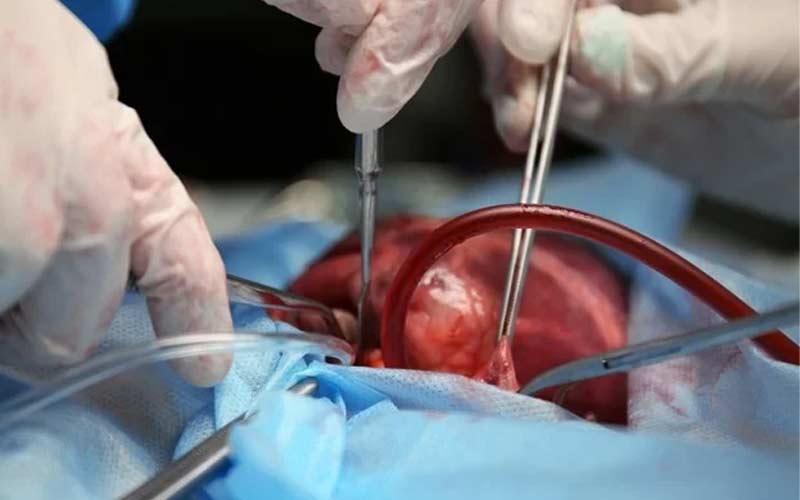
In most cases, open heart surgery is performed to repair the aortic valve. In this method, after anesthesia, the chest bone is opened from the middle. This type of incision is called sternotomy. To perform open heart surgery, the heart stops beating. For this reason, a cardiopulmonary bypass device should be used during surgery. This device works instead of the heart and delivers blood to different organs of the body. Sometimes the doctor may choose a less invasive method.
Aortic heart valve repair is performed with different techniques. In fact, the type of valve problem determines the type of technique. The doctor will probably perform one of the following methods to repair the valve.
- Filling holes or closing torn aortic valve flaps
- Adding support to the base or root of the valve
- Reshaping or removing some tissue to seal the valve tightly
- Tightening the ring around the valve or implanting an artificial ring (annuloplasty)
Quoted from melbourneheartsurgeon regarding minimally invasive aortic valve repair surgery:
In minimally invasive surgery, the surgeon makes an incision about 15 to 20 cm on the breastbone. Through one cut, the endoscope tool is inserted and through the other cuts, the surgical tool is inserted.
Valvuloplasty-surgery for aortic valve repair
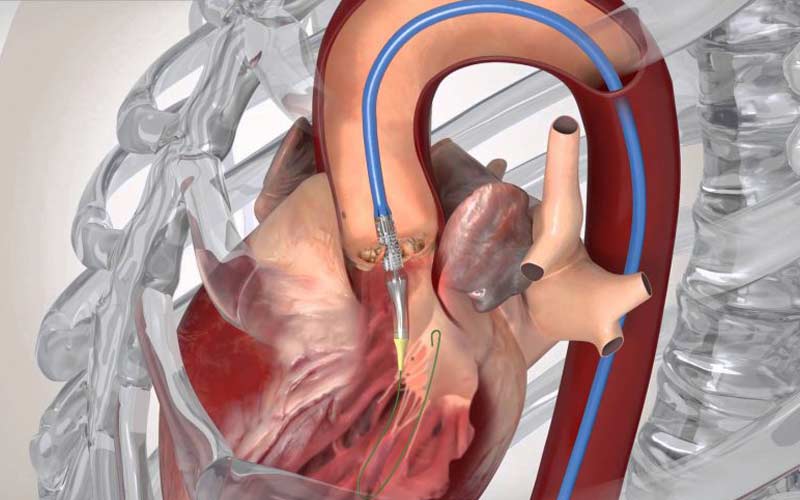
Sometimes the problem is aortic valve stenosis and this valve cannot open properly. In this situation, minimally invasive valvuloplasty surgery can be performed. In this surgery, the incisions are smaller and the recovery period is shorter.
In valvuloplasty, a thin and hollow tube called a catheter is inserted into a blood vessel through the groin. There is a balloon on the catheter head. When the catheter reaches the heart, the balloon is inflated and the narrowness of the valve is removed.
Valvuloplasty is usually performed for babies and children with valve stenosis. In adults, after this surgery, the valve will narrow again. If the adult patient is not ready for open heart surgery or is waiting for valve replacement, valvuloplasty is temporarily performed.
Heart-aortic-valve-replacement surgery
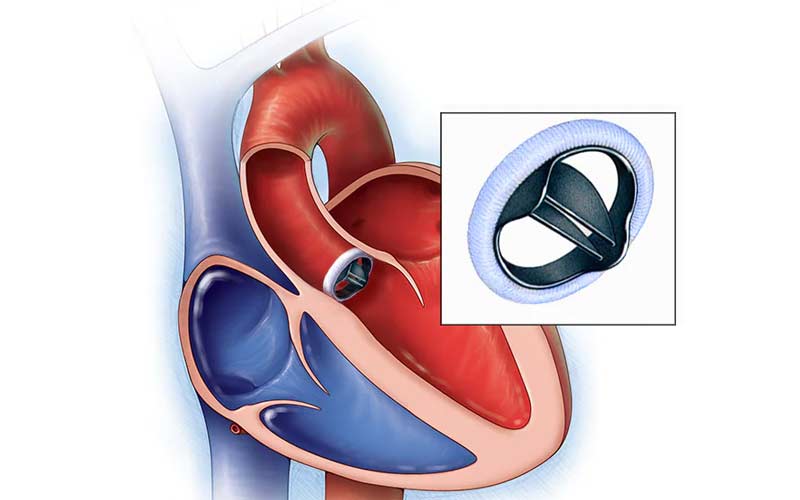
Sometimes none of the aortic valve repair methods work. In this situation, the surgeon must replace the aortic valve. The surgeon may perform this surgery in the form of open heart surgery or minimally invasive surgery. In this procedure, the aortic valve is removed and replaced with a mechanical valve or biological tissue valve. In biological tissue, they use cow or human heart tissue. In some operations, the patient's own pulmonary valve may be used for replacement.
Each of these valves has advantages and disadvantages. You should talk to your doctor about this. If a mechanical valve is replaced, you will need to take blood thinners to prevent blood clots for the rest of your life. Biological valves are damaged over time and need to be replaced.
Important tips before cardiac aortic surgery
You will have a consultation session with a cardiologist before heart aorta surgery. In this meeting, the doctor talks about the procedure, possible complications and care tips. Ask the doctor all your questions in this session. Before the operation, you should pay attention to the following points.
- Inform your doctor if you are taking medication. Some medicines should be stopped a few days before the operation.
- The doctor may prescribe medicines for before and after the operation. Consume them regularly.
- You should not eat or drink anything 8 hours before the operation.
- If you are allergic to a medicine, be sure to inform the doctor.
- Provide your medical records to the surgeon.
- It may be necessary to shave the chest hair before the operation.
Care after cardiac aorta surgery
You should stay in the intensive care unit for a day or more after heart aorta surgery. If you've had open-heart surgery, your stay in the ICU will be longer. Fluids and drugs are administered intravenously. A tube must be placed in the bladder to drain urine. Secretions and blood should also be removed from the chest with a tube.
You will need to be monitored in the hospital for a few days after leaving the intensive care unit. The length of stay in the hospital depends on your general condition and the side effects of the operation. During this time, blood pressure, breathing and heart rate are checked. The nurse should check for signs of infection at the incision site.
You should gradually start walking and increase its time every day. Breathing exercises will help you recover faster. It is better to avoid driving and lifting heavy objects for a few weeks.
Regular examinations are usually required after heart aorta surgery. Cardiac status and symptoms related to valvular insufficiency should be checked. Your doctor will want you to change your lifestyle for long-term results. A healthy diet, smoking cessation, stress management, exercise and weight control will help improve your health.
In the intensive care unit, fluids and drugs are administered intravenously.

Complications and risks of cardiac aortic surgery
Aortic heart surgery, like other heart surgery procedures, carries risks. To reduce the risks and complications of this operation, you should visit the best heart surgeon and the operation should be done in a hospital with full equipment. Among the most important complications of heart aorta surgery, we can mention the following.
- Bleeding
- Blood clotting
- Replaced valve problem or failure
- Irregular heart rhythm (arrhythmia)
- infection
- Stroke
- Death
Which medical team should we refer to to perform the cardiac aorta operation?
If tests show that the aortic valve of the heart is damaged, you should see a cardiologist for surgery. Your cardiologist will refer you to a heart surgeon. You can contact the best heart doctor through your doctor's website. In Doctoreto, in addition to the in-person appointment system, there is a possibility of telephone consultation with a heart doctor.
Cost of heart-aortic surgery
Heart aorta surgery is done in different ways. Your doctor may recommend open or closed heart surgery. Each of these surgeries has a different price. Also, if you need to replace the heart valve, the price of heart aorta surgery will increase. For this reason, it is not possible to announce an exact price for it. It is better to discuss the costs with the heart surgeon after determining the type of surgery and performing pre-operative tests. The level of experience of the doctor and the type of hospital also have a great impact on the final price.
Conclusion and guide to see a doctor
Aortic heart surgery is done to treat aortic valve problems. This valve is located between the left ventricle and the aorta. Sometimes an acquired disease or birth defect causes the aortic valve to not work properly. Aortic valve regurgitation occurs when the valve dilates and blood backs up into the heart. Sometimes the valve is narrowed and the blood flow from the heart is blocked.
Heart aorta surgery can be performed both as open heart surgery and closed heart surgery. Depending on the type of problem, the doctor may repair or replace the valve. Repairing the valve usually solves the problem. But in some cases, it is necessary to replace the damaged valve with a mechanical or biological valve.
For more information about cardiac aorta surgery, you should consult a cardiology specialist. You can be in touch with the best specialists through your doctor's website. In addition to the face-to-face appointment system, there is the possibility of online and telephone consultations.
Your doctor takes care of your health!