
Hysteroscopy surgery
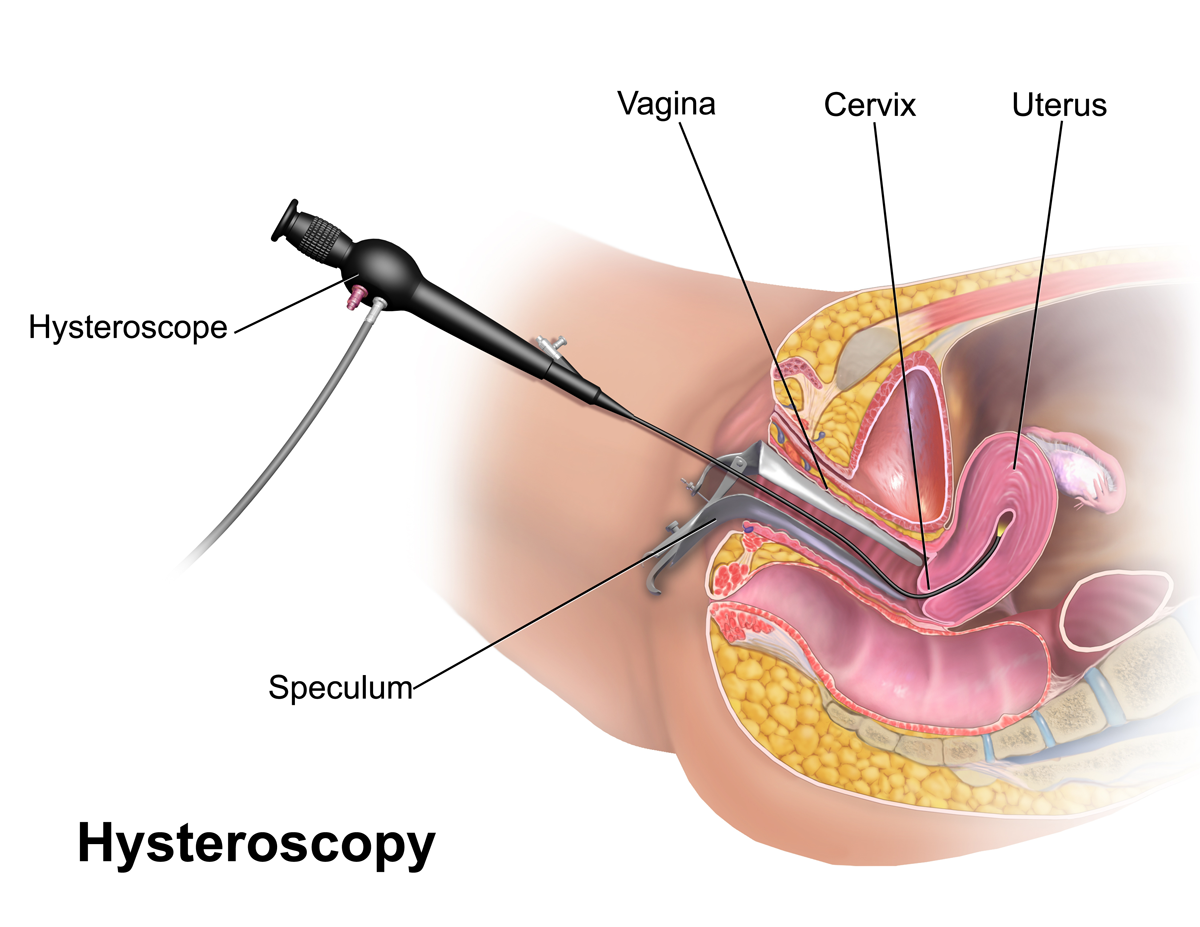
A hysteroscope is a type of internal endoscope that can be used to help diagnose and treat some intrauterine diseases. Removing intrauterine adhesions, removing myomas inside the uterine cavity (submucosal), removing intrauterine septa are among the things that can be done with hysteroscopy. In this method, the gynecologist enters the uterine cavity without incision and with a hysteroscope that carries a camera and light.

Hysteroscopy surgery
Diagnostic hysteroscopy
In this method, the uterine cavity is evaluated and its purpose can be to obtain a sample of the endometrium (layer inside the uterus) or to identify structural abnormalities such as the uterine septum or local lesions such as adhesions, polyps, or myomas.
Diagnostic hysteroscopy helps diagnosis in the following cases:
1. Abnormal and unexplained uterine bleeding
- Before menopause
- After menopause
2. Selected cases of infertility if the vaginal ultrasound is abnormal or there is unexplained infertility. 3. Recurrent spontaneous abortions 4. Diagnosis of congenital problems of the uterus Diagnostic hysteroscopy or the operating room can be performed on an outpatient basis, and in some cases hospitalization is required. 14px;">1. Removing adhesions inside the uterus
2. Sterilization
3. Cutting the uterine septum
4. Removing intrauterine myomas
5. Removal of intrauterine polyps
6. Removal of residual pregnancy products
7. Removal of IUD
8. Destruction of the endometrium (inner layer of the uterus) in cases of heavy bleeding
*Advantages of hysteroscopy:
-Short recovery time
-Prevention of abdominal opening
-Short-term hospitalization
Diagnostic
The risk of diagnostic hysteroscopy is small and its complications rarely have severe consequences. Uncommon side effects include uterine perforation, bleeding, and side effects related to anesthesia and dilators
After diagnostic hysteroscopy, most patients experience mild vaginal bleeding, occasional abdominal cramps, and shortness of breath. The patient should be encouraged to have a friend or relative with them to accompany them home.
Risks of therapeutic hysteroscopic surgery
The risk of hysteroscopic surgery is greater than the risk of diagnostic hysteroscopy and includes risks related to anesthesia, uterine perforation, bleeding, air embolism, infection, and complications related to dilators, damage to the intestines or urinary tract.
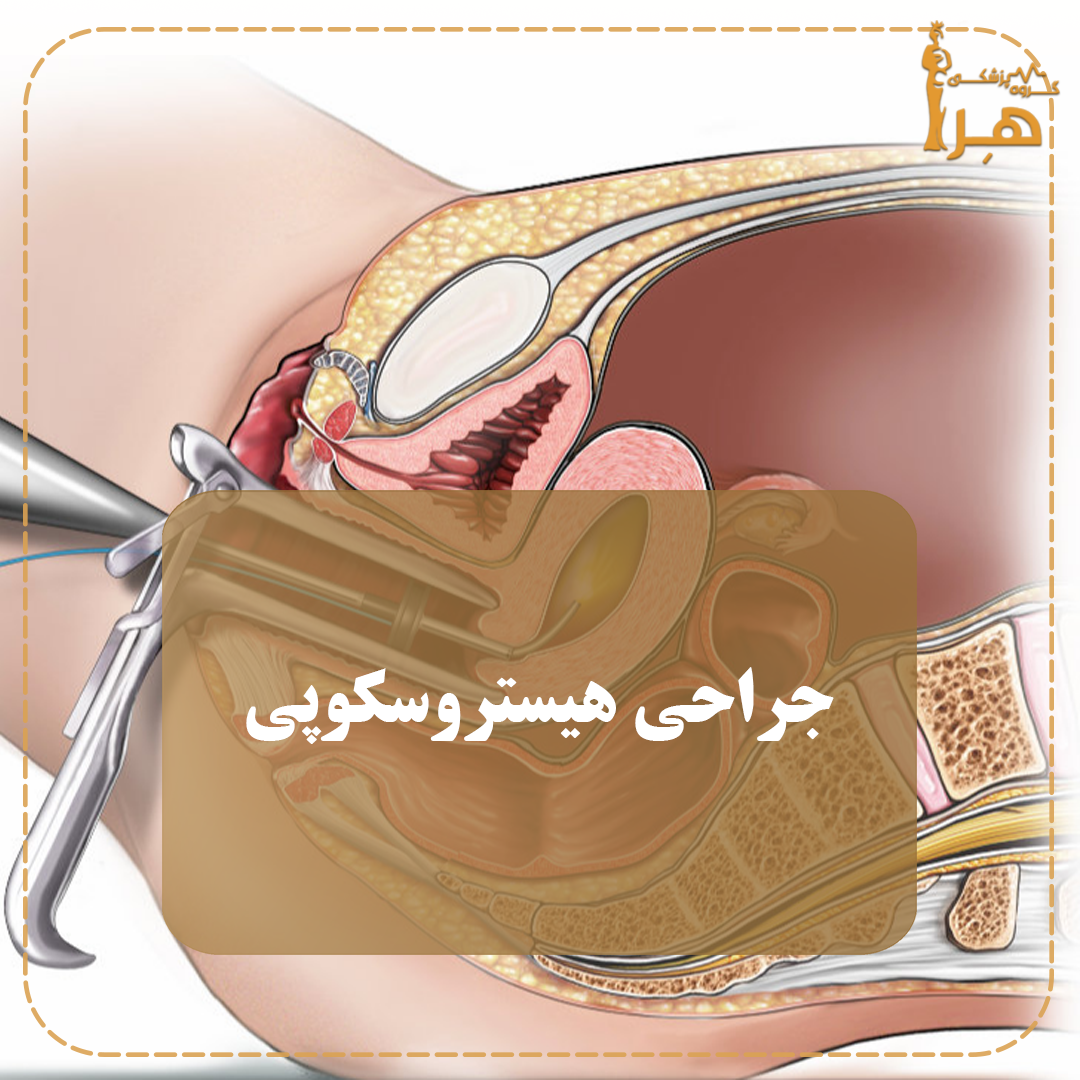
Procedure Hysteroscopy surgery is performed on an outpatient basis in the office with local anesthesia or in the operating room with full anesthesia. After anesthetizing, the vagina is washed with antiseptics, the speculum is passed, and after dilating the cervix and uterus, the hysteroscope enters the uterine cavity through the vaginal canal and cervix. To dilate the uterus, carbon dioxide gas or liquids such as mannitol or sorbitol are used, then light is shone into the uterus through the hysteroscope so that the components inside the uterine cavity and uterine tubes can be observed.If the hysteroscopy is of a therapeutic type, surgical instruments are inserted into the uterus through the hysteroscope and the surgery is performed.
* Post-hysteroscopy care :
1. Do not do heavy activity forty-eight to seventy-two hours after the operation.
2. It is better not to have sexual intercourse until the bleeding completely stops.
3. Do not forget to take the medicines prescribed by the doctor. solid #020053; box-shadow: #875315; margin: 10px; text-align: right;"> Hera Clinic
* Post-hysteroscopy care :
2. It is better not to have sexual intercourse until the bleeding completely stops.
3. Do not forget to take the medicines prescribed by the doctor. solid #020053; box-shadow: #875315; margin: 10px; text-align: right;"> Hera Clinic
Contact number: 02166933869 and 02166933906
Online consultation at WhatsApp Messenger