Why gastric sleeve operation is the best method for sustainable slimming?
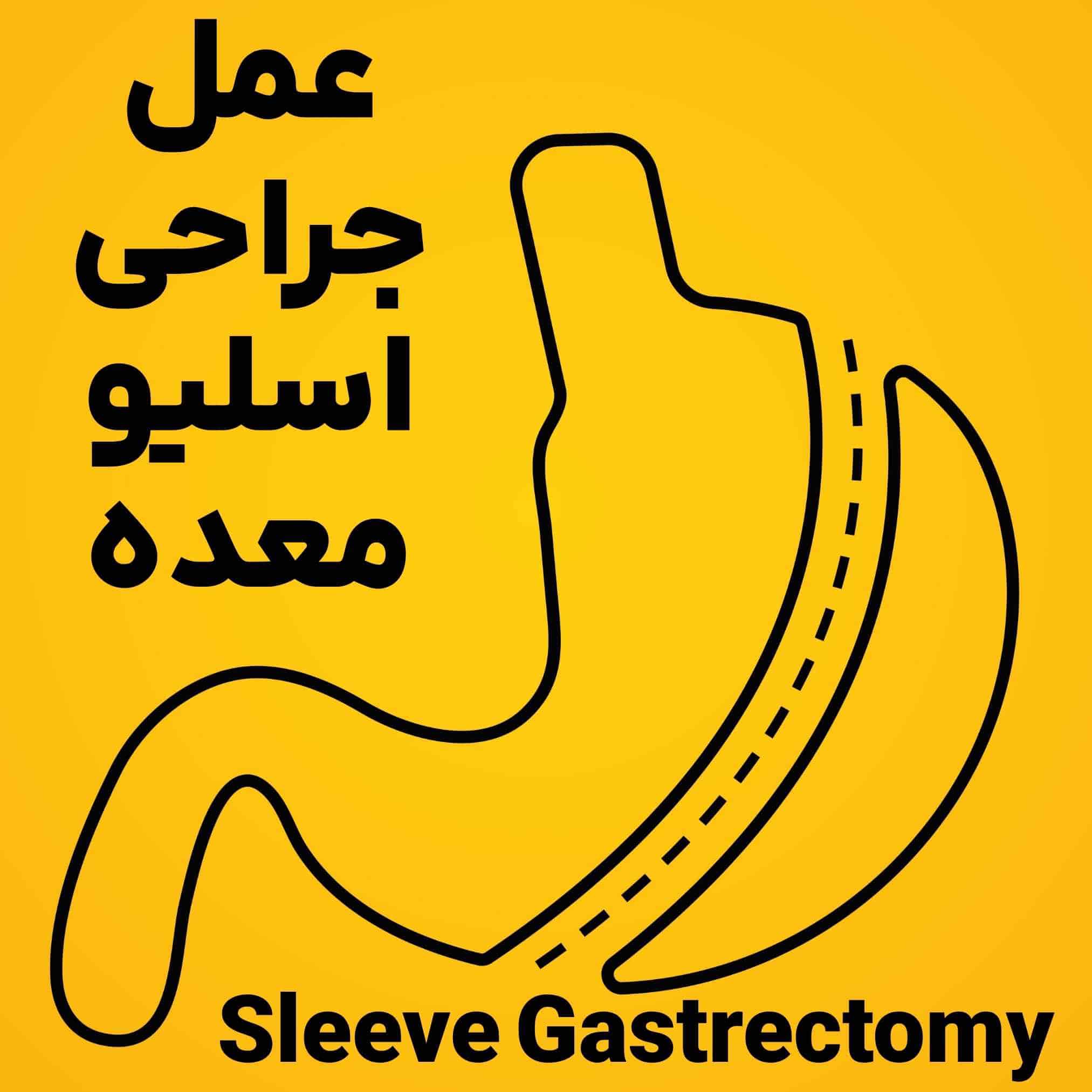
People whose BMI is above 35 are unlikely to achieve sustainable weight loss through diet and exercise alone. Therefore, the goal of gastric sleeve operation is to make a permanent change in the amount of food received by the body by shrinking the stomach. With this method, the volume of the stomach will be permanently reduced (about 25% of the original stomach). This new and sleeved stomach has a volume of about 150 to 250 cc and will no longer be able to receive the large volume of food that has caused obesity. This issue causes a person to lose weight permanently.
Types of sleeve surgery
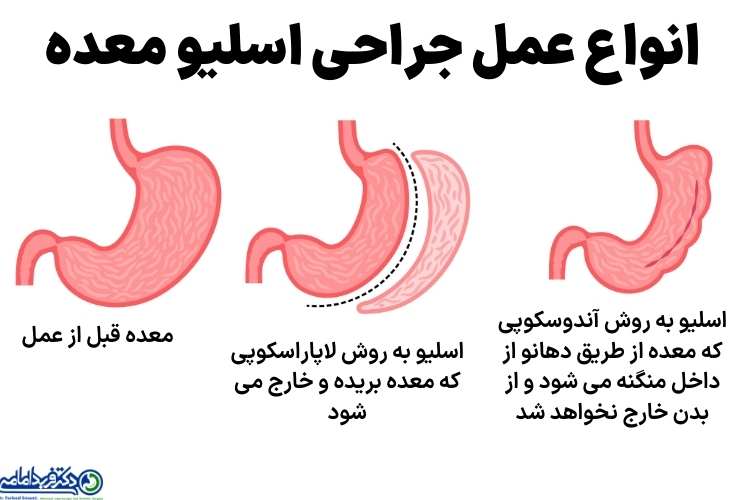
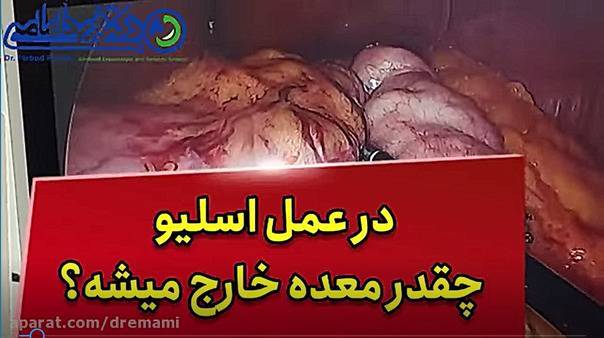
This surgery is performed in two ways. In the first method, laparoscopically and with incisions made from the abdomen. In this method, the surgeon uses a special instrument to operate inside the abdomen and cut about 75-80% of the stomach and remove it from the body. In the second method, through the mouth and by means of an endoscope, a tube enters the stomach through the mouth and staples the stomach from the inside. In the endoscopic method, no stomach is removed from the body.
Advantages of gastric sleeve operation
Among the benefits of sleeve is reducing the secretion of ghrelin hormone and thus reducing appetite and controlling the feeling of hunger. Also, because this surgery is performed laparoscopically (closed and with several small holes), it is associated with minimal invasion, scarring and side effects.
This surgery has a very short recovery period and the weight loss process is very gentle. The treatment of most obesity-related diseases is also one of the advantages of sleeve gastrectomy. Also, the amount of changes made to the patient's digestive system in this surgery is less compared to bypass operation.
Stages of gastric sleeve surgery
Gastric sleeve is a series of surgeries on the patient's digestive system, which is performed in a maximum of one hour. First, the patient must be completely anesthetized, and the patient's abdomen will be sterilely prepared for small cuts on it. The different stages of this surgery are:
Gastric sleeve surgery is also performed in two ways, narrow and wide, according to the volume of the stomach that leaves the body. We should know that tight and wide sleeve is a highly specialized term. The surgeon who specializes in laparoscopic surgery and bariatric surgery may make the sleeve narrower or wider depending on the body conditions of each person.
But this difference is not so much that you imagine, for example, instead of 75% of the stomach volume, the surgeon wants to remove about 40%. This is because for any surgery to be more effective, it must be performed with the correct and complete technique. Therefore, the difference between narrow and wide sleeves is a few millimeters, which will be performed by the surgeon in a specialized manner.
Weight loss process after gastric sleeve operation
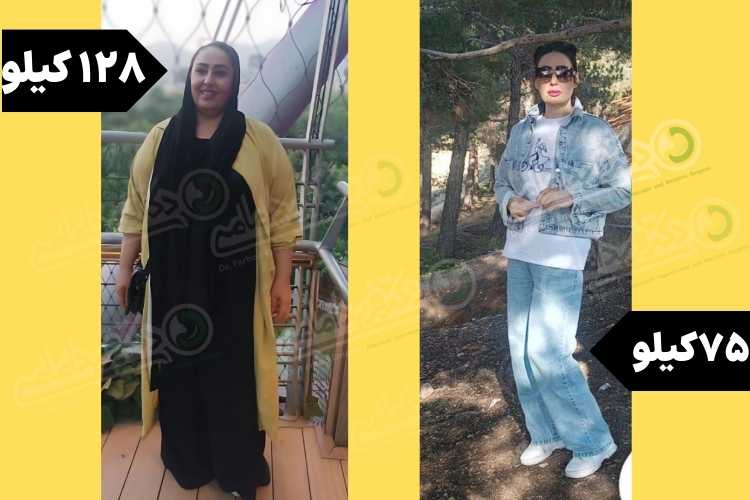
The process of weight loss after gastric sleeve surgery is a gradual and continuous course that starts at a high speed at the beginning of the period and over time, its speed decreases. In the first weeks after surgery, due to the severe limitation in the amount of food consumed and the body's metabolic changes, a significant weight loss is observed. This initial weight loss is mainly due to lower caloric intake and metabolic reactions to the surgery. As time passes and the body adapts to new conditions, the rate of weight loss is moderated and becomes a more stable process.
Generally, the greatest amount of weight loss occurs in the first 6 to 12 months after the operation, and after that, the weight loss process slows down and moves towards weight stabilization. At this stage, maintaining the lost weight and preventing its return is of great importance. To achieve this goal, it is necessary to change the lifestyle and adhere to the principles of healthy eating and regular physical activity.
It should be noted that the exact amount of weight loss in each person will be different, depending on factors such as initial weight, age, gender, health status and the degree of commitment to medical and nutritional recommendations. Therefore, it is very important to consult a doctor and nutritionist and get personal guidance to achieve the best result.
The cost of performing a slave operation 1404
The cost of gastric sleeve surgery in 1404 is between 130 and 140 million tomans.
Some of this cost is related to operating room equipment and hospital accommodation, and part of it is related to the surgeon's salary and assistants. Of course, if you want to enjoy special conditions or a private room and sometimes VIP, this cost may increase.
Long-term effects of sleeve operation
Possible side effects of gastric sleeve surgery are as follows:
Many of these complications are caused by not following a balanced and sufficient diet after gastric sleeve surgery. Normally, the absorption of nutrients after this procedure is done well, but some people do not consume enough nutrients after the sleeve. Therefore, it is very important to follow a complete and balanced diet after gastric sleeve. By reducing the volume of the stomach after surgery, it is necessary to ensure that all food groups and essential nutrients are included in the diet.
Diet after sleeve operation
Diet after gastric sleeve surgery is one of the most essential needs of patients; Because, like Mini Bypass Surgery, due to the changes made in the digestive system, these people will not be able to eat normal foods for a few weeks after the surgery. Therefore, patients should follow a special and phased diet until the new stomach is fully ready to accept solid foods. Failure to follow these dietary precautions after gastric sleeve surgery can cause serious damage to the patient's new stomach.
1- the first week; The hardest time
It is very important to follow the nutrition tips in the first week after the gastric sleeve, because this period may be the most difficult time for the patient. However, the stomach gradually gets used to a variety of foods and the patient can resume eating different foods after a while. During the first week, strictly avoid the following:
2- the second week; Increasing the variety of fluids consumed
In the second week after the gastric sleeve, it is recommended to drink liquids like the first week, 8 to 10 glasses of clear and diluted liquids during the day, and still avoid solid foods due to the possibility of nausea and vomiting. Consumption of low-fat milk (1.5%) is allowed in case of diarrhea and flatulence, maximum one to two cups per day. Consuming protein shakes and supplements is possible only with the prescription of the doctor and the nutrition team, and a maximum of 25 to 30 grams (sometimes twice a day) and must be well dissolved in water. Also, the consumption of low-fat yogurt (maximum of a quarter of a cup per meal, two meals a day) or Greek yogurt (with slow chewing) and warmed low-fat butter without gas and a cup of sugar-free diet jelly (with complete chewing) is safe. is.
3- the third week; Semi-solid and pureed food
In the third week after the gastric sleeve, the consumption of soft and cooked foods (such as baby food and pureed with a blender) is allowed, and solid foods should still be avoided. It is recommended to have three main meals and two snacks, first each meal is half a cup and gradually increase to a small bowl. If there is a problem with any food item, remove it and stop eating as soon as you feel full.
Each meal should include 30 grams of cooked and pureed vegetables and 30 to 50 grams of pureed protein, and each meal should take 20 to 30 minutes. To prevent dehydration, drink 8 to 10 glasses of water a day (avoid half an hour before and an hour after meals) and avoid lying down immediately after meals (at least 45 minutes apart).
4- the fourth week; Texture diversity in diet
In the fourth week after the gastric sleeve operation, you can add soft and semi-solid foods to your diet, but the foods should still be very soft and each bite should be chewed 30 to 40 times. It is necessary to consume 6 to 8 glasses of water and liquids a day, and three main meals and two snacks should be observed, spending 20 to 30 minutes for each meal and stopping eating as soon as you feel full.
5- the fifth week; Return to normal diet
In the fifth week after gastric sleeve surgery, it is possible to gradually return to the usual diet. It is recommended that in the beginning, the consumption of softer foods should be prioritized and each bite should be chewed carefully 30 to 40 times. Continuation of the correct eating habits practiced in the previous weeks is also important in this period. Drinking enough liquids during the day should not be forgotten.
Avoid the consumption of carbonated drinks and spicy and spicy foods that can irritate the digestive system. There is a possibility of unwanted reactions such as nausea to some foods, in which case, it is recommended to eliminate that food in consultation with the attending physician. Avoiding high-calorie foods, sweets and chocolate will also be effective in preventing weight gain.
Opinions of patients after gastric sleeve surgery
The experience of those who have performed gastric sleeve surgery can be very useful for others. Using the experiences of loved ones can be very helpful for you to make better decisions.
Is gastric bypass better or gastric sleeve?
Usually, gastric sleeve is recommended to the bulky eaters and gastric bypass to the small and sweet eaters, but the final decision is better to be made under the supervision and advice of a specialist doctor. Watch the video below for more details.
Dr. Farbad Emami Yeganeh
bariatric surgery specialist in Tehran
FAQ