Laparoscopy of the uterus for endometriosis Dr. Narges Mehrabi
3 weeks ago
860 بازدید
Dr. Narges Mehrabi
تهران
Surgeon and gynecology and infertility specialist
Uterine laparoscopy for endometriosis
Endometriosis is a chronic and often painful disease that affects the lives of millions of women. Severe pelvic pain, abnormal bleeding, and infertility are just some of the challenges patients face. The diagnosis of endometriosis sometimes takes years and its treatment also has its own complications. In the past, treatment options were limited, but today with significant advances in minimally invasive surgeries, especially Laparoscopy of the uterus for endometriosis, new hopes have emerged to relieve pain and improve the quality of life of these patients.
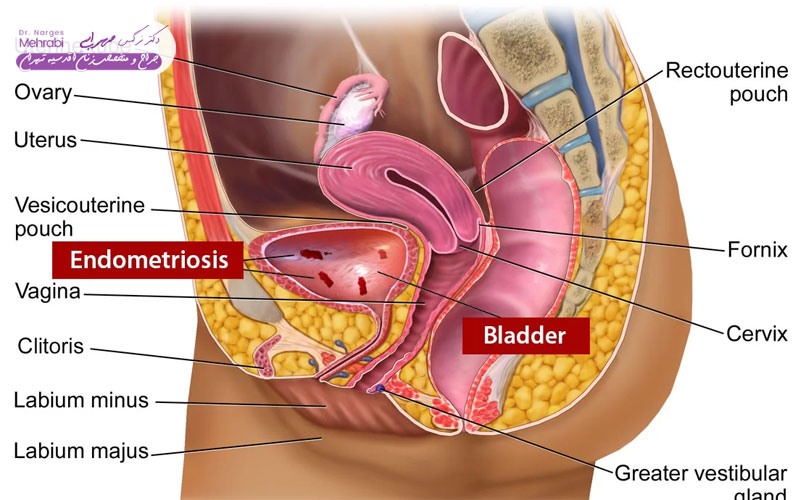
Imagine being able to target the root of chronic pain without the need for extensive incisions and long recovery periods. Laparoscopy of the uterus for endometriosis promises exactly that. This method, using small incisions and delicate instruments, allows the surgeon to identify and remove endometriosis lesions with high precision. This approach not only minimizes pain and discomfort after surgery, but also helps patients to return to their normal lives faster and have more control over their conditions. become From the reasons for this surgery to how it is performed and post-operative care, we will provide you with all the information you need to make an informed decision. If you or your loved ones are struggling with endometriosis and are looking for an effective solution, this article can be a new window towards getting rid of pain and returning to a life full of peace and health for you. href="#%D8%A2%D9%86%D8%AF%D9%88%D9%85%D8%AA%D8%B1%DB%8C%D9%88%D8%B2-%DA%86%DB%8C%D8%B3%D8%AA-%D9 Endometriosis What is it and what are its symptoms?
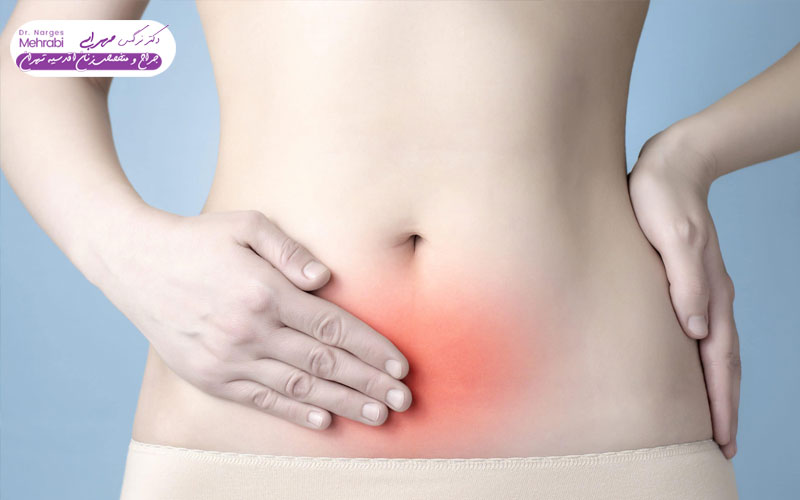
Symptoms of endometriosis are very diverse and can range from mild to severe, so that the severity of symptoms does not necessarily correlate with the extent of the disease. The most common symptom is chronic pelvic pain that often worsens with menstruation (dysmenorrhea). Pain during and after sex (dyspareunia), pain during defecation or urination (especially during menstruation), heavy or irregular menstrual bleeding, and chronic fatigue are other common symptoms. These pains can significantly affect the patient's quality of life, and for this reason, timely diagnosis and treatment, including uterine laparoscopy for endometriosis, is very important. In addition to pain, endometriosis is one of the main causes of infertility in women. Inflammation and adhesions caused by endometriosis can damage the ovaries and fallopian tubes and disrupt the process of ovulation, fertilization and embryo transfer. Definitive diagnosis of endometriosis is often challenging and is only possible through direct observation of endometriotic tissue during surgery, such as Laparoscopy of the uterus for endometriosis. Therefore, this method is vital not only for treatment, but also for accurate diagnosis.
Why is laparoscopy the best method for diagnosing and treating endometriosis?
Uterine laparoscopy for Endometriosis is known as the gold standard for diagnosis and treatment of this disease. This method allows the surgeon to see the inside of the pelvic cavity with direct vision and high magnification and identify endometriosis lesions, even the smallest ones. Unlike imaging methods such as ultrasound or MRI, which may not show some lesions, laparoscopy provides a complete and accurate view of the condition of the disease.
In addition to diagnosis, uterine laparoscopy for endometriosis is also an effective treatment method. During the operation, the surgeon can remove endometriosis lesions (excision) or destroy them using heat (ablation). Complete removal of lesions, especially in cases of deep endometriosis, is of particular importance in order to reduce pain and increase the chances of fertility. This comprehensive approach has made laparoscopy a powerful tool in the management of endometriosis.
Another advantage of laparoscopy is its minimally invasive nature. By making small incisions, the patient experiences less pain, bleeding during the operation is minimized and the risk of infection is reduced. Also, postoperative adhesions, which are more common in open surgery, are less common in laparoscopy. All of these factors contribute to a faster recovery and a shorter recovery period of laparoscopy of the uterus for endometriosis and improve the patient's quality of life. Uterus for endometriosis
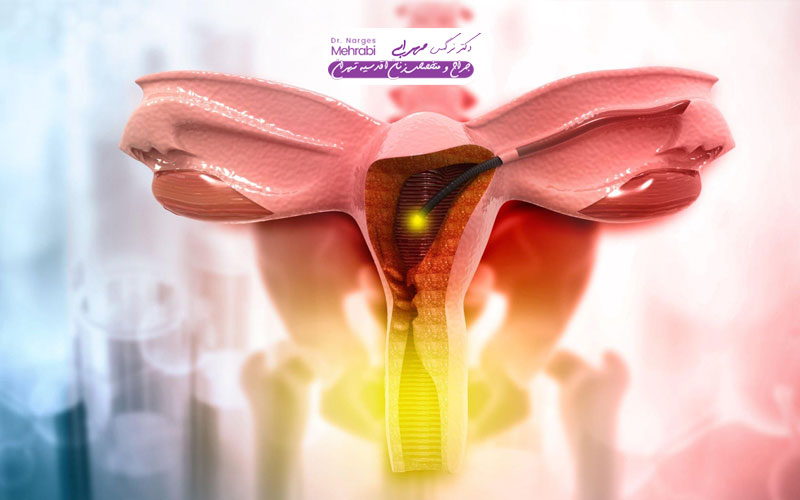
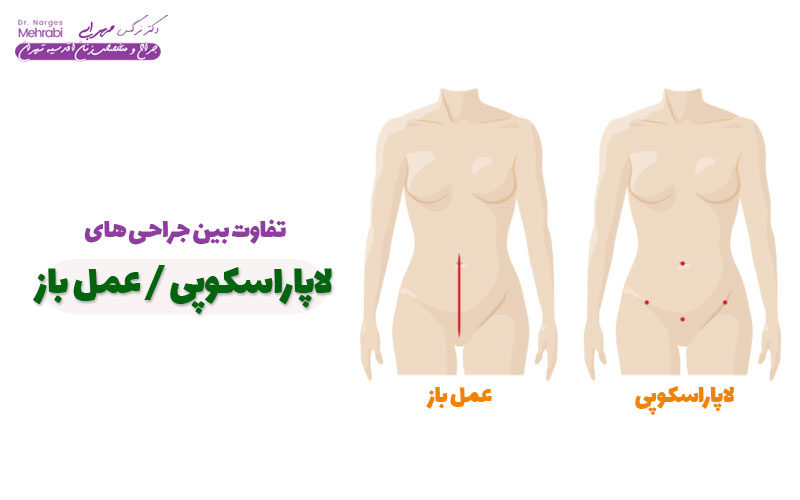
Laparoscopy of the uterus for endometriosis is performed under general anesthesia, which means that the patient will be completely asleep during the procedure and will not feel any pain. First, the surgeon makes a small incision (about 1 cm), usually near the navel, through which a special needle is inserted into the abdominal cavity. Carbon dioxide gas is then slowly injected into the abdomen to create the necessary space for better visibility and movement of surgical instruments.
After creating enough space, a laparoscope (a thin tube containing a camera) is inserted through the umbilical incision and transmits magnified images of the pelvic organs to a monitor. By watching these images, the surgeon can identify endometriosis lesions with high accuracy. Then, one or two small incisions (about 0.5 cm) are made in the lower abdomen to insert fine surgical instruments and remove or destroy endometriosis lesions.
Possible complications and limitations of uterine laparoscopy for endometriosis
Although uterine laparoscopy for endometriosis is a It is considered a safe and minimally invasive method, like any other surgery, it may be associated with possible complications and limitations. More common side effects are usually mild and include pain at the incision site, gas-related shoulder pain, nausea, and fatigue, which are often manageable with pain medication and rest and gradually improve during Laparoscopy Uterine Endometriosis Recovery.
More serious side effects, although rare, can include heavy bleeding, infection at the incision site or inside the abdomen, damage to internal organs such as the bowel or Bladder, or reaction to anesthesia. The risk of these complications is minimized by choosing an expert and experienced surgeon, as well as following the pre- and post-operative instructions. It is important that the patient or his companions report any unusual symptoms to the doctor immediately to avoid more serious problems. href="https://drmehraabi.com/%d8%b9%d9%84%d8%a7%d8%a6%d9%85-%d8%a2%d9%86%d8%af%d9%88%d9 %85%d8%aa%d8%b1%db%8c%d9%88%d8%b2-%da%86%db%8c%d8%b3%d8%aa/">Endometriosis
In very severe and extensive cases of endometriosis, especially if it involves vital organs such as the bowel or ureter, open surgery or a combination of laparoscopy and open surgery may be required. Also, there may be challenges to removing large endometriosis cysts and very complex adhesions. Deciding on the most suitable treatment method is the responsibility of the specialist surgeon after a complete examination of the patient's condition.
cost and insurance coverage of laparoscopic uterus for endometriosis
Cost Laparoscopy of the uterus for endometriosis can vary considerably and depends on several factors. These factors include the geographic location of the clinic or hospital, the reputation and experience of the surgeon, the type of pre- and post-operative visits and consultations, costs related to anesthesia, and operating room facilities. Therefore, to get an accurate estimate, it is better to consult with several treatment centers and surgeons and compare the costs.
In general, due to the use of advanced equipment and specialized skills required, the cost of uterine laparoscopy for endometriosis may be slightly higher than some other treatment methods. However, it should be noted that the benefits of this procedure, including reduced pain, less bleeding, and a shorter Laparoscopy of the Uterus for Endometriosis recovery period, can lead to long-term cost savings associated with postoperative care and a faster return to work.
Can laparoscopy of the uterus for endometriosis completely eliminate pain?
Laparoscopy of the uterus for endometriosis can significantly reduce the pain caused by this disease. and in many cases leads to complete or long-term pain relief. However, endometriosis is a chronic disease and in some people, the pain may recur over time. The success of the operation depends on the extent of the disease, the skill of the surgeon in removing the lesions completely, and the response of the patient's body.
How long after laparoscopy for endometriosis can I get pregnant?
The right time to try to conceive after Laparoscopy of the uterus for endometriosis depends on the severity of the disease, the extent of the surgery and the doctor's recommendation. In some cases, it may be possible immediately after full recovery (about 1 to 2 months), while in more complicated cases, the doctor may recommend waiting longer. This surgery can improve fertility chances by removing adhesions and lesions.
Can endometriosis come back after laparoscopy?
Yes, endometriosis can. Recurrence after laparoscopy of the uterus for endometriosis, because this disease is a chronic disease and is rooted in hormonal and immune system changes. However, surgery can provide long-term symptom relief. After surgery, your doctor may prescribe additional drug treatments (such as hormone therapy) to reduce the risk of recurrence. ">
Uterine laparoscopy for endometriosis is suitable for most patients with endometriosis. However, in very severe and extensive cases of endometriosis, especially if vital organs such as the bowel or ureter are heavily involved, open surgery or a combination of procedures may be required. The final decision is the responsibility of the expert surgeon after careful examination of the patient's conditions.
How long does it take for the incisions to heal after laparoscopy?
Incisions made in laparoscopy The uterus is too small for endometriosis (about 0.5 to 1 cm). Initial healing of scars usually occurs within 1 to 2 weeks, but it may take several months to a year for scars to fully heal and fade. Usually, the scars will be hard to see after a while.
Are there any other treatments needed after laparoscopy for endometriosis?
After laparoscopy for endometriosis endometriosis, your doctor may recommend additional treatments for long-term management of the disease. These treatments can include hormone therapy to suppress the growth of endometrial tissue, pain medications to control residual pain, or lifestyle changes. Regular follow-up with a doctor is very important for optimal management of endometriosis.
Uterine laparoscopy for endometriosis.
This article is being updated and expanded to meet SEO standards.