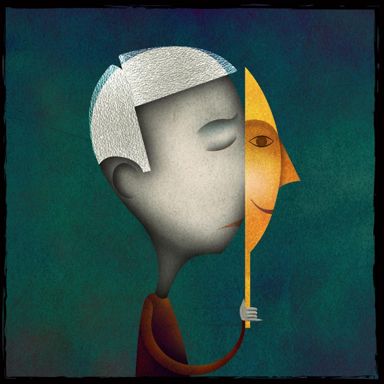
The difference between a psychiatrist and a psychologist + the therapeutic duties of each

Dr. Ahmed Akbari
ArakNeurologist and psychiatrist

- April 17, 1404
What is the difference between psychologist and psychiatrist?
Although psychologist and psychiatrist look the same in terms of appearance and words, but in fact these two disciplines and the services provided by specialists in this profession are different. In simple words, psychiatrists are doctors who have completed specialized courses, including psychiatry, and rely on psychotherapy and drug therapy to treat mental and psychological problems. While the psychologist deals with the treatment of mental illnesses with the approach of speech therapy and psychotherapy. In fact, if the patient needs psychological drug treatments, he will be referred to a psychiatrist.
A psychiatrist is classified as a medical doctor, they include a physical examination of symptoms in their evaluation and can prescribe medication. A psychologist is also a doctor because of his PHD, but he is not medically trained and cannot prescribe medicine. This does not mean that psychology is less effective, because they are familiar with all evidence-based psychological treatments.
Difference between psychiatrist and psychologist treatment methods
As mentioned, the main difference between a psychiatrist and a psychologist is in the treatment method. A neurologist or psychiatrist treats in different ways and can use a combination of treatments, including counseling, psychotherapy, and drug therapy. They can usually hospitalize people if needed and control the patient's condition with medication. Unlike psychiatrists, psychologists are not allowed to prescribe drugs or hospitalize the patient and the patient must be referred to a psychiatrist. In fact, psychologists are specialists who are trained in human behavior and help patients' mental health through speech therapy, group therapy and counseling and treat them by diagnosing environmental damage.
Among other major differences between psychiatry and psychology, the following can be mentioned:
Education and education:
Psychiatrists are doctoral-level professionals trained in the non-medical diagnosis and treatment of mental health conditions. They complete bachelor's, master's, and doctoral work in the field, which can take anywhere from eight to ten years. On the other hand, psychiatrists are doctors. They begin their education with a bachelor's degree, often in a science or pre-medical field, followed by medical school. In medical school, they study neurology, pharmacology, anatomy, and other aspects of medicine that all doctors must learn. After graduating from medical school, a psychiatrist completes a residency and then applies for a medical license, a process that can take up to 12 years from start to finish.
Acquired specialized fields:
Psychiatrists are ideal for referring patients with mild mental health concerns, such as trauma, depression, and anxiety disorders. They help patients change their thought patterns and improve their mood through non-medical interventions. Psychiatrists, on the other hand, specialize in serious mental health conditions that the patient will need medication to control. Patients with problems such as schizophrenia, bipolar disorder, or serious suicidal thoughts need the kind of medical intervention that only a psychiatrist can provide. Since the drugs for many mental illnesses can have side effects, the doctor's role is to manage the drugs and change their dosage when needed.
Presenting treatment methods:
Both psychologists and psychiatrists can provide speech and behavior therapy. Behavior modification involves both professions. This type of treatment is known as rolotherapy. Psychologists primarily use speech and behavioral therapy, and most states do not allow them to prescribe medication because they are not trained in medical care. Psychiatrists, on the other hand, are doctors and therefore can prescribe medication. In more severe cases, drug therapy is the first preference by psychiatrists. Because they are fully trained as doctors, they can also monitor the rest of the body's systems for signs of problems with the patient's mental illness. For example, sometimes mental illness can cause problems with weight or blood pressure, so a psychiatrist can monitor them and prescribe medication if needed.
Process of patient referral and treatment
Patients may have a harder time communicating with a psychiatrist, so many patients begin with a psychologist, counselor, or therapist for their mental health concerns. In fact, unless you know you have a serious diagnosis, it is wise to start with a psychologist as a patient. If the psychologist feels that he cannot help the patient, he usually refers him to a psychiatrist. In addition, if the patient is in hospital due to their mental health condition or if the general practitioner suspects a serious mental health disorder, they may be seen by a psychiatrist. But in milder cases, it is enough for the patient to be under the care of a psychologist for further counseling and treatment.
For what cases is a psychologist or psychotherapist referred?
As mentioned, psychologists can use different types of psychotherapy or speech therapy as well as behavioral activation techniques to treat the patient. In general, a psychologist can help treat many psychological and behavioral problems, the most important of which are:
- Depression, anxiety or stress
- Drug and alcohol abuse
- appetite disorders
- Fear and phobia
- Low self-esteem
- Post-traumatic stress disorder
A psychologist can also help you manage challenges you may face in life. Among the most important problems and challenges, the following can be mentioned:
- Social and financial stress
- Relationship break or love failure
- domestic violence
- Sadness or mourning
What cases should we visit a psychiatrist for treatment?
Most mental and behavioral problems can be treated by both psychologists and psychiatrists, but if you have a severe mental illness, it is recommended to see a neurologist. Among the cases that it is better to see a psychiatrist for treatment are:
- Severe depression
- Anxiety disorders such as panic attacks and phobias
- Complex conditions such as bipolar disorder and schizophrenia
- Eating disorders, such as anorexia and binge eating
- Attention Deficit Hyperactivity Disorder (ADHD)
- Obsessive compulsive disorder (OCD)
- Post-traumatic stress disorder (PTSD)
A psychiatric approach may be helpful for those who have been diagnosed with a mental illness or disorder and require medical treatments beyond psychotherapy. In general, it is better to see a neurologist if you have one of the following conditions:
- The patient's condition is very serious.
- The mental or behavioral disorder has lasted for a long time or is still ongoing.
- Psychotherapy is no longer effective.
- The person thinks about self-harm or suicide.
- The psychologist or psychotherapist refers the patient to a neurologist.
Collaboration between psychiatrist and psychologist for patient treatment
Since psychiatrists are typically in high demand, many of them will always work with psychologists to ensure that the patients most in need of psychiatric help receive neuropsychiatric services. Also, many psychologists cooperate with a psychiatrist with this approach to ensure that patients can take drug therapy if needed.
What education does a psychiatrist have?
Generally, psychiatry is a branch of medicine, in such a way that after completing the 7-year general medicine course, people can participate in the psychiatry specialty exam and after completing the specialized course, they are allowed to receive treatment. Psychiatrists can work in hospitals, clinics and community mental health services as well as in private practice.
What education does a psychologist and psychotherapist have?
Although a psychologist studies in the field of mental health medicine, he will not receive medical training and will not be recognized as a doctor. They often study mental disorders and diagnose and manage them and prevent their progression. In fact, the treatment methods of psychologists are very different from psychiatrists.
Of course, some psychologists complete additional training to become certified in specific areas of psychology, such as clinical psychology, neuropsychology, health, community, forensic, organizational, and sport and exercise psychology. Psychologists can work in areas such as schools, hospitals, social health services, courts, prisons, businesses and private centers.
previous post When should we see a psychiatrist?