Preventive orthodontics and therapeutic orthodontics are the two main methods for correcting tooth and jaw abnormalities, but their purpose and time It is different from each other. Preventive orthodontics is performed to prevent dental and jaw problems in childhood and helps control malformations before they are fully formed. But orthodontic treatment is used to correct existing problems in the teeth and jaw, usually in adolescence or adulthood. In the following, we will get to know the details of these two methods, the differences and advantages of each.
Preventive orthodontics is a method that aims to prevent serious dental and jaw problems in the future. This type of orthodontics is usually performed in childhood and before the jaws and teeth are fully developed, and helps correct early malformations to prevent more complex problems in adulthood.
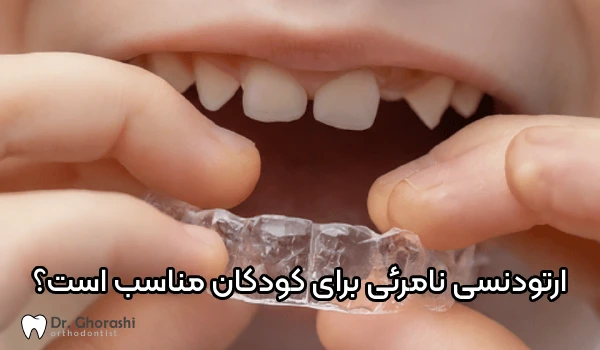
Using preventive orthodontics, the orthodontist can create the right space for teeth to grow, control unbalanced jaw growth, and correct abnormalities such as crowded teeth, crossbite, or open bite in time. This treatment often involves the use of simple and minimally invasive devices such as spacers, movable plates or headgears, and does not require the long-term use of fixed brackets.
The goal of orthodontics is prevention
Preventive orthodontics is performed with the aim of preventing dental and jaw problems in the future. This type of orthodontics is usually performed in childhood and before the teeth and jaws are fully developed, so that abnormalities can be controlled and corrected before they are fully formed.
The main goals of preventive orthodontics include the following:
- Creating enough space for teeth to grow: Preventing crowding or crowding of teeth in the future.
- Jaw growth control: Correcting jaw growth problems and preventing complex jaw abnormalities.
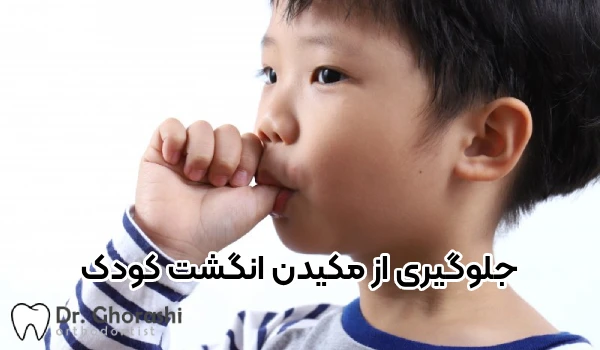
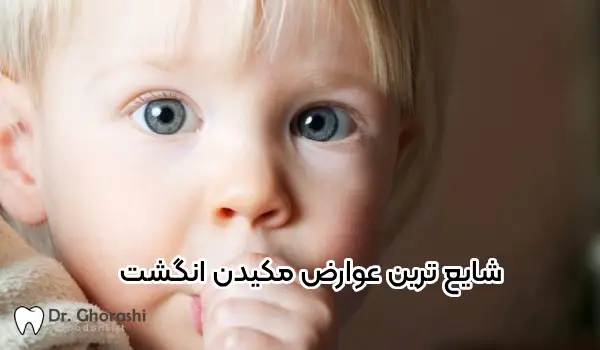
- Correcting incorrect oral habits: such as finger or tongue sucking which can change the shape of the teeth.
- Reduced need for complex treatments in the future: With early correction, the likelihood of needing long-term brackets or jaw surgery is reduced.
- Creating a healthy and harmonious smile: Providing suitable conditions for the natural growth of teeth and jaw, which is the basis of a beautiful smile in adulthood.
Read more: orthodontics for prevention
What is it?
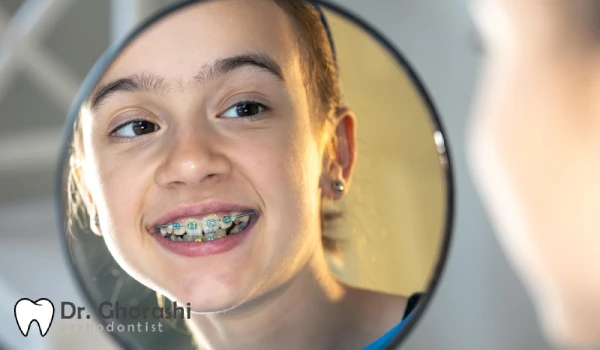
Orthodontic treatment is a type of orthodontics that is performed to correct problems in the teeth and jaw. Unlike preventive orthodontics, which aims to prevent malformations, in therapeutic orthodontics, the actual problems of teeth and jaws, such as crowding, large distance between teeth, crossbite, openbite, or misalignment of the jaws, are corrected.
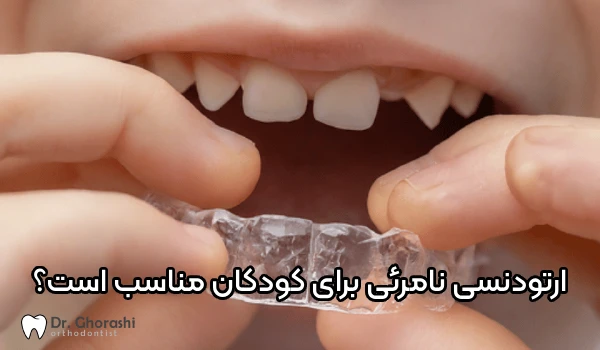
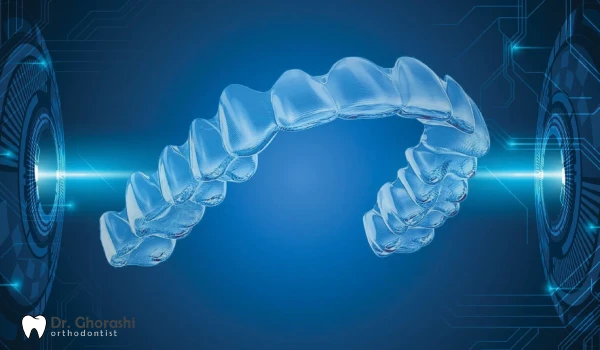
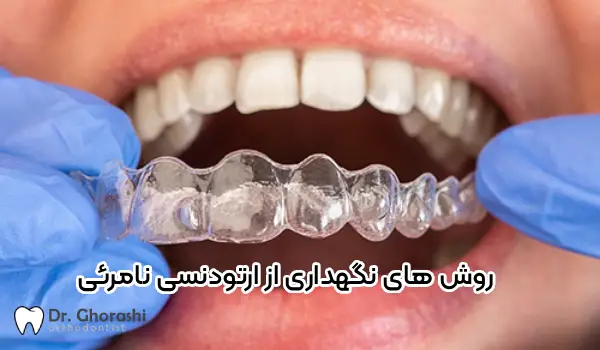
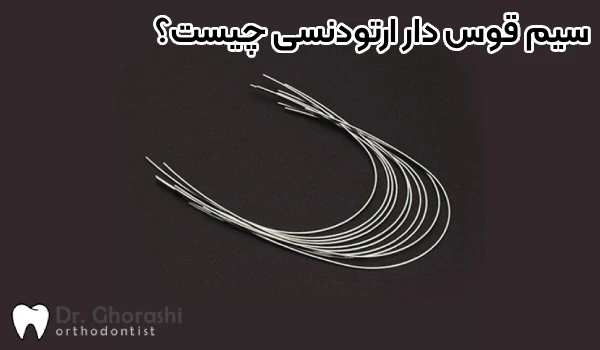
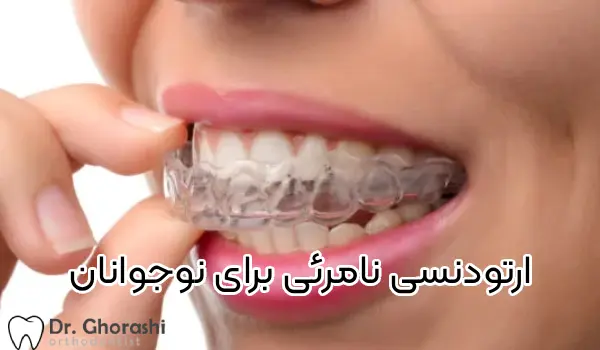
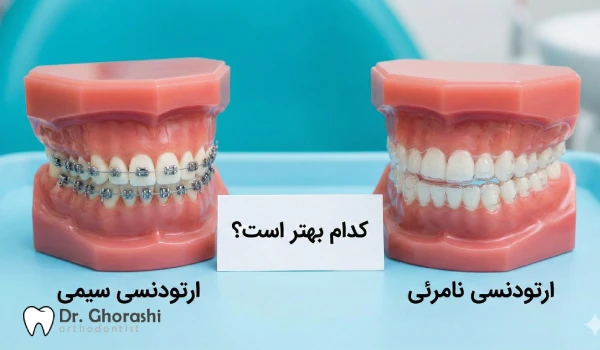
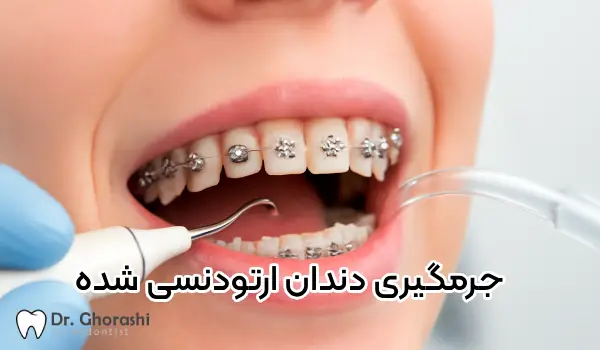
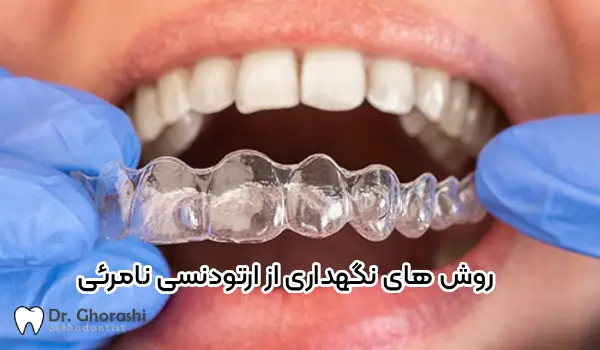
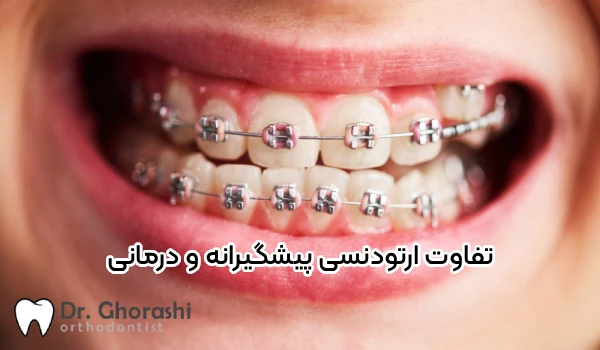
This procedure is usually done during adolescence or adulthood, when most of the teeth are fully developed. Therapeutic orthodontic treatment can include the use of fixed brackets, invisible orthodontics, or other devices depending on the type of deformity and specialist diagnosis. The ultimate goal of this treatment is to create a harmonious smile, the proper functioning of the teeth and jaw, and improve the health of the mouth and teeth.
Preventive and therapeutic orthodontics are both used to correct dental and jaw abnormalities, but they have important differences in terms of time, purpose, and type of treatment. Preventive orthodontics is usually performed in childhood and before the teeth and jaws are fully developed, and aims to prevent complex problems in the future. The tools used in this type of orthodontics are usually minimally invasive and simple.
In contrast, orthodontic treatment is performed when the abnormalities are actually present, usually in adolescence or adulthood. The purpose of this treatment is to correct the existing problems, arrange the teeth and improve the function of the jaw and smile. The tools used can include fixed brackets, invisible orthodontics, or other specialized tools.
| attribute | Preventive Orthodontics | Orthodontic treatment |
| common age | Child (usually 6 to 10 years old) | adolescence and adulthood |
| Target | Prevention of dental and jaw problems in the future | correcting existing anomalies and straightening teeth |
| type of treatment | Low-invasive and simple tools (moving plate, spacers, headgear) | Fixed Brackets, Invisible Orthodontics, Specialty Tools |
| treatment period | Shorter and narrower | longer and step |
| focus | Guidance of teeth and jaw growth | improving the function and beauty of the teeth and jaw |
| main advantage | reducing the need for complex treatments in the future | Improving smile and teeth function after full growth |
Choosing the type of orthodontics depends on the age, the condition of the teeth and jaw, the degree of abnormality and your goal of the treatment.
If you are a child and your teeth and jaw are still developing, preventive orthodontics can be a good option. This method is performed with the aim of correctly guiding the growth of the teeth and jaw, preventing the occurrence of complex problems in the future and reducing the need for long-term treatment.
If you are a teenager or adult and there are actual dental problems, orthodontic treatment is the right option. This method is designed to correct existing anomalies, align teeth and improve jaw function and smile beauty, and can include fixed, invisible orthodontics or other specialized tools.
Finally, the best way to choose between different types of orthodontics is to consult with an experienced specialist. By carefully examining the condition of the mouth and teeth, the growth of the jaw, and the type of abnormalities, the specialist will suggest a treatment plan that fits your conditions in order to achieve a stable and effective result.
Treatment and prevention orthodontic specialist
To treat or prevent dental and jaw abnormalities, it is very important to choose an experienced specialist. Dr. Saeed Qureshi with more than 20 years of experience, the first rank of the specialized board of the country, a member of the American Orthodontic Association and a holder of the Canadian board, is one of the best options for preventive and therapeutic orthodontics in Tehran.
They have full experience in invisible orthodontics and fixed and have made patient access easy by managing several active centers. Choosing Dr. Qureshi means accurate, safe and painless treatment, both to prevent future problems and to correct existing abnormalities